How Hepa Filters Work Inside Vacuum Cleaners
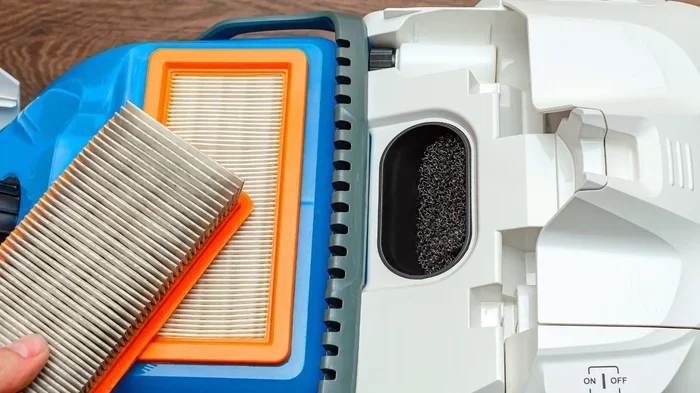
Featured image for how to HEPA filter vacuum cleaner
Image source: thecarplus.com
HEPA filters are the unsung heroes of modern vacuum cleaners, capturing microscopic particles that standard filters simply let pass. This guide breaks down exactly how these high-efficiency filters work, the science behind their design, and practical steps to keep them performing at their best. Whether you suffer from allergies or just want cleaner air, understanding your HEPA filter is the first step.
You vacuum your floors every week, but have you ever wondered what happens to all that dust and debris once it disappears into your vacuum? The answer lies in one of the most important components inside your machine: the HEPA filter. Understanding how this filter works can help you get the most out of your vacuum and keep the air in your home genuinely clean.
In this guide, we will walk you through exactly how HEPA filters function inside vacuum cleaners, why they matter for your health, and how to maintain them properly. By the end, you will know everything you need to keep your vacuum running at peak efficiency.
📑 Table of Contents
- What Is a HEPA Filter?
- The Three Mechanisms That Make HEPA Filters Work
- Why HEPA Filters Matter for Indoor Air Quality
- What You Will Need to Maintain Your HEPA Filter
- Step-by-Step: How to Maintain Your HEPA Filter
- Pro Tips for HEPA Filter Care
- Troubleshooting Common HEPA Filter Problems
- HEPA Filters vs. HEPA-Type Filters: Know the Difference
- Conclusion
What Is a HEPA Filter?
HEPA stands for High-Efficiency Particulate Air. A true HEPA filter is a pleated mechanical air filter that captures at least 99.97% of airborne particles that are 0.3 microns in diameter. To put that size into perspective, a human hair is about 70 microns thick, so we are talking about particles nearly 200 times smaller.
These filters are made from a dense mat of randomly arranged fiberglass fibers, typically between 0.5 and 2.0 microns in diameter. The fibers are pressed together into a flat sheet, which is then folded into pleats to maximize surface area inside a compact frame. This pleated design is what gives HEPA filters their incredible trapping power without completely blocking airflow.
The Three Mechanisms That Make HEPA Filters Work
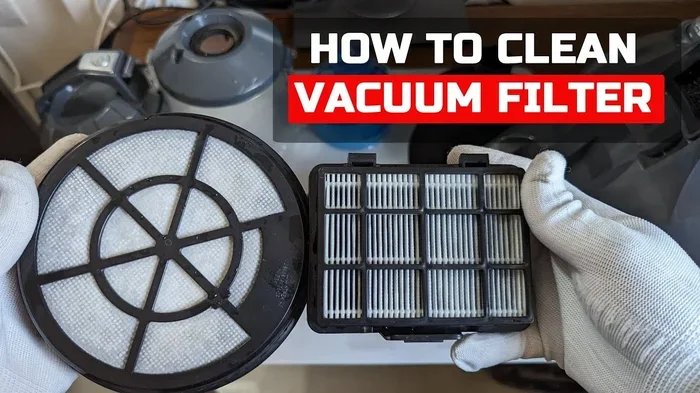
Visual guide about how to HEPA filter vacuum cleaner
Image source: i.ytimg.com
What makes HEPA filters so effective is that they do not work like a simple sieve. Instead, they rely on three distinct physical mechanisms to capture particles of different sizes. Understanding these mechanisms helps explain why HEPA filters are far superior to standard vacuum filters.
1. Interception
When airborne particles follow the airflow stream through the filter, they come within one particle radius of a fiber. At that point, the particle touches the fiber and sticks to it. This mechanism primarily captures medium-sized particles that are too large to slip between the fibers but too small to have enough inertia to break free from the airflow.
2. Impaction
Larger particles, typically those above 0.4 microns, cannot follow the curving airflow streamlines around the fibers. Because of their mass and momentum, they travel in a straight line and crash directly into the fibers, where they become permanently trapped. This is the same principle that causes a car to skid straight ahead when the road curves sharply.
3. Diffusion
The smallest particles, those below 0.1 microns, are so tiny that they are constantly bombarded by air molecules. This bombardment causes them to move in random, zigzag patterns called Brownian motion. Because of this erratic movement, these ultra-fine particles eventually collide with and stick to the filter fibers. Diffusion is actually the reason the 0.3-micron benchmark exists, because particles of that size are large enough to avoid significant diffusion but small enough to slip past interception and impaction, making them the most penetrating particle size.
Why HEPA Filters Matter for Indoor Air Quality
Standard vacuum filters, including basic foam or mesh filters, only capture larger debris like visible dust and hair. The microscopic particles they miss, including dust mite waste, pet dander, pollen, mold spores, and bacteria, get blown right back into your room through the vacuum’s exhaust. This is why some people notice their allergies actually worsen after vacuuming with a non-HEPA vacuum.
A properly functioning HEPA filter traps these microscopic pollutants before they can escape. This is especially important for households with allergy sufferers, asthma patients, or pet owners. If you want to learn more about managing allergens, check out our guide on how to use a vacuum for allergy control for additional strategies.
What You Will Need to Maintain Your HEPA Filter
Keeping your HEPA filter in top shape requires a few basic supplies. Gather these before you begin any maintenance routine:
- A clean, dry workspace with good lighting
- A soft-bristled brush (an old toothbrush works perfectly)
- A microfiber cloth
- Compressed air canister (optional but helpful)
- Your vacuum’s user manual for model-specific instructions
- A replacement HEPA filter (check your model number before purchasing)
Step-by-Step: How to Maintain Your HEPA Filter
Regular maintenance is the single most important thing you can do to keep your vacuum performing well. Follow these steps to care for your HEPA filter properly.
Step 1: Locate Your HEPA Filter
First, consult your vacuum’s user manual to find the exact location of the HEPA filter. In most upright vacuums, it sits near the top of the dustbin or in a compartment at the back of the machine. In canister models, it is often found near the exhaust port. Some vacuums have multiple filters, including a pre-motor filter and a post-motor HEPA filter. Make sure you identify the correct one.
Step 2: Remove the Filter Carefully
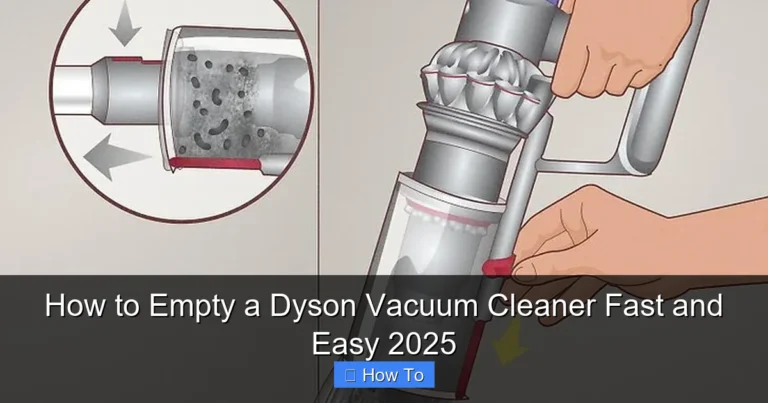
Turn off and unplug your vacuum before removing any filter. Gently twist or unlatch the filter housing according to your model’s design. Pull the filter straight out without shaking it aggressively, as this can release trapped particles back into the air. Place it on your clean workspace.
Step 3: Inspect the Filter
Hold the filter up to a light source. If light passes through easily, the filter still has usable life. If the filter appears dark, matted, or you cannot see light through it, it is time for a deep clean or replacement. Also check for any tears, holes, or warping in the filter media or frame. A damaged filter cannot be repaired and must be replaced immediately.
Step 4: Clean the Filter (If Washable)
Check your manual to confirm whether your HEPA filter is washable. Some HEPA filters can be gently rinsed under cool, low-pressure tap water. Never use soap, detergent, or hot water, as these can damage the delicate fiber structure. If your filter is not washable, use a soft-bristled brush to gently dislodge surface dust, or use short bursts of compressed air from the inside out.
If you are unsure about washing your filter, our article on how to clean vacuum cleaner filters without washing offers safe alternative methods that work for most filter types.
Step 5: Dry the Filter Completely
This step is critical. Place the filter in a well-ventilated area and allow it to air dry for a minimum of 24 hours. Never use a hair dryer, heater, or direct sunlight to speed up the process, as heat can warp the filter media and destroy its effectiveness. A damp filter installed in a vacuum can also promote mold growth inside the machine.
Step 6: Reinstall the Filter
Once the filter is completely dry, place it back into its housing. Make sure it sits flush and that all seals and gaskets are properly aligned. A loose or improperly seated filter allows unfiltered air to bypass the media entirely, rendering the HEPA protection useless. Close the housing and secure all latches.
Pro Tips for HEPA Filter Care
Follow these expert tips to avoid the most common mistakes people make with their HEPA filters:
- Never vacuum a wet filter. Moisture causes the fibers to clump together, creating channels where air passes through without being filtered.
- Set a calendar reminder. Mark your calendar to inspect your HEPA filter every three months and replace it every 6 to 12 months.
- Buy genuine replacements. Third-party filters may not meet true HEPA standards. Always purchase filters designed specifically for your vacuum model.
- Check the seals. Inspect the rubber gaskets around the filter housing each time you replace the filter. Cracked or worn seals allow air to leak around the filter.
- Empty the dustbin regularly. A full dustbin forces more air through the filter, clogging it faster and reducing overall suction power.
Troubleshooting Common HEPA Filter Problems
Even with proper maintenance, you may encounter issues. Here are the most common problems and their solutions:
Problem: Loss of Suction Power
If your vacuum suddenly loses suction, the HEPA filter is often the culprit. A clogged filter restricts airflow, making the motor work harder while picking up less debris. Remove the filter, inspect it, and clean or replace it as needed. Also check the pre-motor filter, as a clogged pre-filter can cause similar symptoms.
Problem: Unusual Odors During Vacuuming
A musty or unpleasant smell coming from your vacuum’s exhaust usually indicates a dirty or moldy HEPA filter. Remove the filter immediately and inspect it for mold or excessive buildup. If you see any discoloration or smell mold, replace the filter rather than trying to clean it.
Problem: Filter Wears Out Too Quickly
If you find yourself replacing the HEPA filter far more often than the manufacturer recommends, the issue may be a poor seal in the vacuum’s filtration system. Air is bypassing the pre-filter and hitting the HEPA filter with a heavier particle load. Inspect all gaskets and seals, and make sure the dustbin is emptied before it reaches the full line.
For a deeper dive into filter care, visit our comprehensive guide on how to maintain HEPA filters for model-specific advice and advanced techniques.
HEPA Filters vs. HEPA-Type Filters: Know the Difference
One of the biggest sources of confusion for vacuum buyers is the difference between true HEPA filters and HEPA-type or HEPA-style filters. True HEPA filters are independently tested and certified to capture 99.97% of particles at 0.3 microns. HEPA-type filters, on the other hand, may only capture 85% to 90% of particles and are not held to the same rigorous standard.
When shopping for a vacuum, look for the term “True HEPA” or “Certified HEPA” in the product specifications. If the listing only says “HEPA-type,” “HEPA-style,” or “HEPA-like,” you are not getting the same level of filtration. This distinction matters enormously if you are vacuuming for health reasons.
Conclusion
HEPA filters are remarkable pieces of engineering that make a real difference in your home’s air quality. By understanding the three capture mechanisms, interception, impaction, and diffusion, you can appreciate why these filters are so effective at trapping microscopic particles that other filters simply cannot catch.
The key to getting the most from your HEPA filter is consistent maintenance. Inspect it regularly, clean it according to the manufacturer’s guidelines, replace it on schedule, and always ensure the seals are intact. A well-maintained HEPA filter not only keeps your air cleaner but also extends the life of your vacuum by protecting the motor from fine dust buildup.
Take five minutes this week to check your vacuum’s HEPA filter. Your lungs, and your vacuum, will thank you.