

You know that sinking feeling when your vacuum loses suction right in the middle of a big cleanup. Dirty filters choke airflow and force the motor to work harder than it should.
Most people grab the hose and toss filters in the sink. But that shortcut often leads to mold and motor damage. You can keep your machine running strong by learning How to Clean Vacuum Cleaner Filters Without Washing. Protect your investment at the same time.
Applying these proven insights on How to Clean Vacuum Cleaner Filters Without Washing helps you avoid costly mistakes. Dry cleaning methods save time, prevent water damage. Extend filter life far beyond what you might expect. This guide walks you through safe, proven steps you can do at home with simple tools. You will learn how to spot when a filter needs care. This dry techniques work best. How to build a routine that keeps dust from bouncing back into your air.
We also cover common mistakes that shorten filter life. Share quick fixes for stubborn clogs. You will walk away with a clear roadmap so you never have to guess again. Let us get your vacuum breathing easy and your floors looking spotless.
📌 AT A GLANCE
- ✓Core Concept: Dry cleaning methods remove dust without water damage.
- ✓Essential Step: Tap and shake filters outdoors before any deep care.
- ✓Safety Rule: Always unplug the vacuum before touching any filter.
- ✓Efficiency Tip: Replace filters on a set schedule even with good care.
- ✓Tool Prep: Keep a soft brush and a clean workspace ready.
In this article
Why Dry Cleaning Methods Matter for Filter Health
Washing filters sounds simple, but water can warp fibers. Trap moisture deep inside the material. Trapped moisture leads to mold growth, bad smells, and reduced airflow over time.
Dry cleaning keeps the filter structure intact so air moves through freely. It also prevents the motor from overheating. This happens because the machine does not have to fight a clogged, damp filter. For our complete category overview. Core buyer criteria, explore our cornerstone guide to Why Your Vacuum Cleaner Keeps Failing and Fixes.
Gather required tools and clear your work area before starting.
Confirm baseline specs and maker guidelines first.
Complete each stage in order without skipping safety checks.
Run a quick test pass and wipe down key parts after use.
Learning How to Clean Vacuum Cleaner Filters Without Washing gives you more control over the process. You can clean filters more often without waiting for them to dry completely. This approach stops dust from building up and recirculating into your home air. You save money because filters last longer and your vacuum motor stays cooler.
- Airflow Preservation: Dry methods keep fibers flexible and open so air moves fast.
- Mold Prevention: Skipping water removes the damp space mold needs to grow.
- Motor Protection: Clean filters reduce strain and help the motor run cooler.
- Cost Savings: Longer filter life means fewer spares and less waste.
- Faster Turnaround: You reuse the filter right away after dry cleaning it.
How to Clean Vacuum Cleaner Filters Without Washing: A Safe Step-By-Step Routine
Start by finding a well-lit, open workspace away from carpeted floors. Lay down a clean towel or sheet to catch falling dust. Unplug the vacuum completely and remove the filter according to your manual. Most filters pop out or twist free, but some models need a button press. Always check the filter type before you begin so you pick the right dry method.
Tap the filter firmly over a trash can. Then give it a soft brush sweep before you reinstall it. This two-step dry routine lifts the most dust without pushing debris deeper into the fibers.
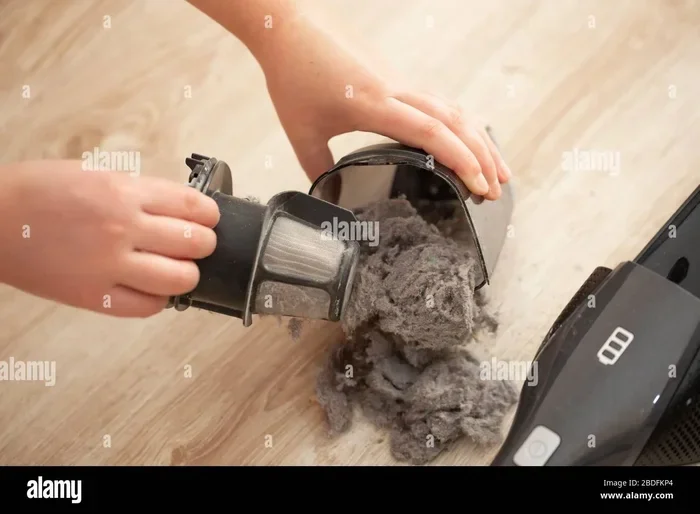
Gentle tapping does the heavy lifting for most routine cleaning. Hold the filter over a trash can. Tap it firmly with your palm or a soft brush handle. You will see a cloud of fine dust fall away quickly.
For filters with a lot of buildup, you can use a low-suction reverse cycle to pull dust out through the front of the filter. This keeps the debris from pushing deeper into the fibers. You can also use a dedicated filter cleaning station that blasts air in the opposite direction of normal airflow.
- Unplug First: Cut all power to the machine before you touch the filter.
- Outdoor Tapping: Tap the filter over a trash bin to release loose dust safely.
- Soft Brush Use: A gentle sweep loosens dust stuck to the filter frame.
- Reverse Airflow: Use low suction from the hose to pull dust out the front.
- Filter Inspection: Hold the filter up to light to check for holes or thin spots.
- Reinstall Dry: Never put a filter back in while it still feels damp or cool.
Essential Tools and Supplies for Dry Filter Care
You do not need expensive gear to clean filters the right way. A few simple home items make the job quick and safe. Most people already have what they need in a kitchen drawer or closet shelf. The right tools help you lift dust without tearing delicate filter fibers. Having these items ready also keeps the cleaning process smooth and distraction-free.
A soft-bristle brush works best for loosening dust from the filter surface. You can also use a clean, dry microfiber cloth to wipe down the outer frame. A handheld vacuum with a narrow nozzle helps you suck dust out of crevices around the filter housing.
Some users like a small air compressor or a can of compressed air for a deeper blast. Just keep the air pressure low so you do not damage the filter material.
- Soft Bristle Brush: A gentle sweep lifts dust without fraying filter fibers.
- Microfiber Cloth: A dry cloth wipes away surface grime and fine residue.
- Compressed Air Can: A short burst blows dust out from tight filter corners.
- Narrow Nozzle: A small vacuum tool reaches gaps around the filter frame.
- Clean Workspace Mat: A towel catches falling dust and keeps floors clean.
Spotting When Your Filter Needs Dry Cleaning
Filters do not always look dirty on the outside, even when they are full of dust inside. A simple light test gives you a fast answer. Hold the filter up to a bright lamp or window. Look for thin spots or blocked areas.
If light barely passes through, the filter needs cleaning right away. You should also check the filter once a month during heavy use seasons.


Pay attention to changes in your vacuum power too. A sudden drop in suction power often means the filter is clogged. Strange smells or a hot motor are other warning signs you should not ignore. Some filters have a color indicator strip that fades when they are dirty. Catching these signs early keeps your vacuum running strong and your air cleaner. For broader testing and full category picks, explore our in-depth guide to Boost Suction How to Clean a Dyson Filter 2025 Easy.
- Light Test Check: Hold the filter to light and spot blocked or thin areas.
- Suction Drop: A weak pull often means the filter is full of trapped dust.
- Smell Test: A dusty or burnt smell signals a filter that needs care.
- Color Strip: Fading or changing colors show when a filter is overdue.
- Monthly Routine: A quick check every month stops big buildup problems.
Common Mistakes That Damage Filters and How to Avoid Them
Many people accidentally ruin filters by using the wrong cleaning method. One of the biggest mistakes is washing a filter that the maker labels as dry clean only. Water breaks down the filter media and creates a breeding ground for mold.
Another common error is using high-pressure air that tears the delicate fibers apart. You should also never put a damp filter back into the vacuum. This happens because trapped moisture harms the motor.
Skipping the pre-tap step can push dust deeper into the filter material. Some users also wait too long between cleanings. Let debris harden into a solid block.
Bending or crushing the filter frame during removal causes permanent damage. You can avoid all of these issues by following the dry methods in this guide. Sticking to a regular cleaning schedule.
- No Water Rule: Never wash dry-only filters because water ruins the media.
- Low Pressure: Keep air blasts gentle so you do not tear the fibers.
- Dry Before Use: Always make sure the filter feels completely dry inside.
- No Bending: Handle the filter frame carefully to avoid permanent warping.
- Timely Cleaning: Do not wait until the vacuum stops working to clean the filter.
Maintenance Schedules and Long-Term Filter Care Habits
A simple upkeep schedule keeps your filters in top shape all year long. Most homes should clean dry filters every two to four weeks during heavy use. You can extend the time between cleanings if you vacuum less often or keep your home very clean.
Mark a recurring reminder on your phone or calendar so you never forget the task. A few minutes of care now saves hours of repair later.
Keep a spare filter on hand so you always have a backup ready. Storing filters in a dry, sealed container protects them from dust and moisture. You should also check the filter housing for any trapped debris during each cleaning session. For broader testing and full category picks, explore our in-depth guide to Why a Vacuum Cleaner Loses Suction Over Time and How to Fix It.
A quick wipe of the housing stops dirt from re-entering the system. These small habits add up to a vacuum that works better and lasts longer.
- Two Week Rhythm: Set a biweekly cleaning reminder during peak vacuum use.
- Spare Filter Storage: Keep a backup filter in a dry sealed container.
- Housing Check: Wipe the filter housing to remove trapped debris each time.
- Seasonal Deep Care: Do a thorough dry cleaning at the start of each season.
- Usage Log: Note cleaning dates to track how fast your filters clog.
Quick Reference: Cleaning Methods Compared
The table below shows the most common dry cleaning methods side by side. Use it to pick the best approach for your filter type and how dirty it is.
Never put a damp filter back into the vacuum, even if it feels slightly moist. Trapped moisture causes mold, bad smells, and can short out the motor over time.
Summary Table: Cleaning Methods Compared
| Method | Best For | Time Needed | Effort Level | Safety Note |
|---|---|---|---|---|
| Firm Tapping | Light dust and routine cleaning | 2 minutes | Very Easy | Do over a trash bin |
| Soft Brush Sweep | Stuck dust on the filter frame | 3 minutes | Easy | Use gentle strokes only |
| Compressed Air Blast | Tight corners and deep debris | 2 minutes | Moderate | Keep pressure low |
| Reverse Suction | Heavy clogs and thick filters | 5 minutes | Moderate | Use low vacuum setting |
| Filter Washing Station | Built-up grime on washable frames | 10 minutes | Higher | Air dry fully before use |
Final Thoughts and Next Steps
You now have a clear, practical path to keep your vacuum filters clean without ever using water. Dry tapping, brushing, and reverse suction all work well when you do them regularly. These methods protect your motor, save you money, and keep your home air fresher. You can start with the quick tap test today. Build a routine that fits your schedule.
Remember that even the best dry cleaning cannot fix a filter that is torn or worn out. Watch for signs of damage and replace filters when needed. A clean filter makes every vacuum session more strong and easier on your machine. You will notice better suction, fewer dust clouds, and a motor that runs cooler.
Take a few minutes this week to check your vacuum filter. Try one of the dry methods above. Small habits like these add up to big savings and a cleaner home. You deserve a vacuum that works hard for you without extra hassle or repair costs.
Frequently Asked Questions
Can I Use Compressed Air to Clean a Vacuum Filter Without Washing?
Yes, compressed air works well for dry filter cleaning when used correctly. Hold the filter at an angle and use short, low-pressure bursts. Direct the air flow in the opposite direction of normal vacuum airflow. This pushes dust out of the fibers without tearing them apart.
How Often Should I Dry Clean My Vacuum Filter?
Most homes should dry clean filters every two to four weeks during heavy use. You can clean them less often if you vacuum rarely or keep your home very clean. Check the filter monthly with the light test to confirm the right schedule for your home.
What Happens If I Wash a Dry Clean Only Filter?
Washing a dry clean only filter damages the filter media and weakens its structure. Water gets trapped inside and creates a damp space for mold to grow. The filter may also take a long time to dry completely. This can harm the vacuum motor.
Is It Safe to Use a Vacuum Cleaner Without Any Filter?
No, running a vacuum without a filter lets fine dust blow back into your room. It also allows debris to enter the motor and cause damage over time. Always reinstall a clean, dry filter before you turn the vacuum on.
Can I Use a Hair Dryer to Speed up Filter Drying After Cleaning?
You should not use a hair dryer on a vacuum filter. This happens because the heat can warp the material. Always let the filter air dry completely in a clean, open space. Make sure it feels fully dry. Cool before you put it back into the vacuum.