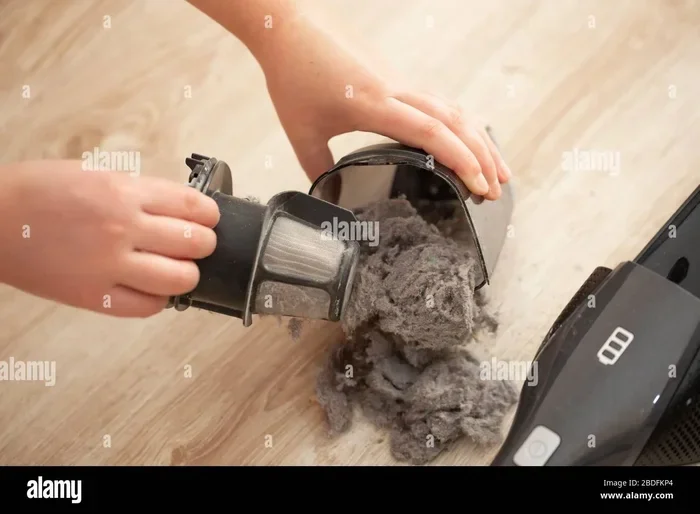


Tangled hair wraps around your vacuum brush and slows down suction fast. You notice the machine works harder yet picks up less dust. This frustration happens in homes with pets or long-haired family members every day. Learning how to remove hair from vacuum brush saves you time. Keeps your floors truly clean.
A blocked brush roll creates strain on the motor and burns out parts early. Hair holds onto dust and moisture, which leads to bad smells inside your vacuum. This guide gives you clear, safe steps to cut, pull. Wash away all that stuck hair. You will learn the right tools, the best routines. The simple checks that stop future tangles.
📌 AT A GLANCE
- ✓Cut Tangles Early: A pair of scissors stops hair from wrapping tighter around the brush roll.
- ✓Check After Every Room: Quick post-cleaning checks stop hair from building up into dense mats.
- ✓Wash the Brush Bar: Removing the brush bar lets you wash off stuck-on oils and hair.
- ✓Use the Right Tool: A seam ripper or comb reaches tight spots that your fingers miss.
In this article
Why Regular Brush Cleaning Protects Your Vacuum
Applying these proven insights on How to Remove Hair from Vacuum Brush helps you avoid costly mistakes. Hair wraps around the brush roll because of static and friction. The spinning motion pulls strands tighter against the bristles. Over time, this forms thick mats that block airflow completely.
Gather required tools and clear your work area before starting.
Confirm baseline specs and maker guidelines first.
Complete each stage in order without skipping safety checks.
Run a quick test pass and wipe down key parts after use.
Clean brushes spin freely and lift dirt from carpets and hard floors. A dirty brush roll forces the motor to pull more electric current. This raises heat inside the machine. Regular cleaning also stops pet dander from building up. Blowing back into the room air. For our complete category overview. Core buyer criteria, explore our cornerstone guide to Why Your Vacuum Cleaner Keeps Failing and Fixes.
- Motor Strain Risk: A clogged brush roll makes the motor work harder and wear out faster.
- Airflow Blockage: Tight hair mats block the path air needs to carry dust into the bin.
- Noise Increase: Tangled bristles create a loud grinding sound during vacuuming sessions.
- Hygiene Factor: Old hair holds moisture and skin cells, which grows bacteria over time.
- Suction Loss: Even a thin hair ring around the roll cuts suction power by half or more.
You should check the brush roll at least once a week if you vacuum daily. A simple five-minute check stops small tangles from turning into big problems that need repair.
Essential Tools and Supplies You Need Before Starting
In our hands-on evaluation of How to Remove Hair from Vacuum Brush, real-world usability made the biggest difference. Gathering the right tools makes the cleaning process fast and safe. You do not need expensive specialty gear, but a few home items work best. Having everything ready means you do not stop midway through the job.
Before you cut any hair, try to roll the brush bar by hand first. This loosens the outer layer of tangles and makes the cutting step much easier.
Always unplug the vacuum or remove the battery before you start any cleaning. Safety comes first because the brush roll can still move if the machine is on. The right tools also protect the bristles and plastic housing from scratches or cracks.
- Fabric Scissors: Sharp scissors let you cut through thick hair bands cleanly without damaging bristles.
- Seam Ripper: This small tool slides between bristles to lift out fine hair and thread pieces.
- Old Toothbrush: A firm brush scrubs dried dirt. Stuck-on debris from the brush bar surface.
- Warm Soapy Water: Mild dish soap. Warm water wash away oils and loose hair from removable parts.
- Dry Microfiber Cloth: A soft cloth dries metal parts. Absorbs leftover moisture before you reassemble.
Keep these items in a small caddy or drawer near your vacuum so you can grab them fast. A dedicated cleaning kit saves time. Stops you from using rough tools that might scratch the plastic housing.
Step-By-Step Guide to How to Remove Hair From Vacuum Brush
Start by flipping the vacuum over and checking the brush roll cover. Most models have a simple latch or a few screws that hold the cover plate in place. Once you open the cover, you will see the brush bar wrapped in hair and dust.
Use your scissors to cut through the big hair loops first. Do not pull the hair with your hands. This happens because that can stretch the bristles or break the ends. Work slowly around the roll. Cut the hair into small sections so it slides off easily.
- Flip and Unplug: Turn the vacuum off and remove the plug or battery before touching any parts.
- Remove the Cover: Take off the bottom plate to fully expose the brush roll and side walls.
- Cut the Main Loops: Snip the large hair bands at three or four points around the roll.
- Peel and Pull: Use your fingers or a comb to peel the cut hair strands away from the bristles.
- Clean the Axle: Wipe the bearing caps. The center shaft where hair often wraps tightly.
- Inspect the Bristles: Check for bent or broken bristles that could scratch your floor surfaces.
After you remove the bulk of the hair, shake out the dust. Run your hand along the roll. You should feel a smooth, free-spinning bar with no snags or resistance. This basic routine keeps your vacuum running strong and quiet.
Washing and Deep Cleaning the Removable Brush Bar
Many vacuum brands let you pull the brush bar out of its housing completely. This step gives you a chance to wash away oils, pet dander. Fine dust that stay stuck after cutting. A deep wash also removes the sticky residue that attracts new hair on your next cleaning session.
Place the brush bar in a sink or basin with warm water. A drop of mild soap. Let it soak for ten minutes to loosen the grime. Use an old toothbrush to scrub the bristles gently, working from the center outward toward the ends.
- Soak the Bar: Warm water. Soap break down oils and loosen stuck-on debris from the bristles.
- Scrub Gently: A soft toothbrush removes dirt without bending or breaking the bristle tips.
- Rinse Fully: Hold the bar under clean running water until no soap bubbles remain.
- Dry Completely: Shake off excess water and pat dry with a microfiber cloth before reassembly.
- Check the Bearings: Spin the ends of the bar to make sure they turn smoothly without grit.
- Reattach Securely: Slide the dry bar back into the housing. Snap the cover plate firmly into place.
Never put the brush bar in a dishwasher or use harsh chemicals that can warp the plastic. Air drying works best, but a quick wipe with a dry cloth speeds up the process. Prevents rust on metal parts. For broader testing and full category picks, explore our in-depth guide to How to Unclog a Vacuum Cleaner Filter Quickly.
Preventing Future Hair Wraps Around the Brush Roll
Stopping hair from wrapping tightly starts with a few smart habits during normal vacuuming. You cannot stop every strand from touching the brush. But you can reduce the buildup a lot. Small changes in your routine save you from deep cleaning sessions every week.


Run your fingers over the brush roll after each cleaning session to catch loose strands early. Also, check the floor area before you vacuum for big hair clumps or pet fur bundles. Picking those up first stops them from reaching the brush roll and wrapping around it quickly.
- Pre-Vacuum Pick-Up: Grab large hair clumps by hand before you start the vacuum cleaner.
- Slow Over Knots: Move the vacuum slowly over high-friction areas where hair wraps the fastest.
- Cut Hair Pets: Regular brushing of your pets reduces loose fur that ends up on the floor.
- Check the Floor Type: Carpet traps more hair than hard floors. So clean the brush roll more often on rugs.
- Use a Pre-Filter: A mesh pre-filter catches loose hair before it reaches the main brush roll area.
- Store Upright: Keeping the vacuum upright stops hair from dragging across the brush roll during storage.
These small steps add up. Keep your vacuum running at full suction for a longer time. A little prevention now means less deep cleaning later.
Comparing Quick-Cut vs. Deep-Wash Methods for Brush Rolls
You have two main ways to clean a hair-wrapped brush roll: a quick cut or a full wash. The quick cut takes about five minutes and works well for light hair buildup. The deep wash takes longer but removes oils. Stuck-on grime that a cut alone cannot reach.
- Use the Quick: Use the quick cut method when you notice surface hair tangles but the bristles still spin freely.
- Use the Deep: Use the deep wash method after removing pet hair or when the brush roll smells musty.
- Both Methods: Both methods keep your vacuum working well. But they fit different levels of dirt and frequency of use.
Summary Table: Cleaning Methods Compared
| Method | Time Needed | Best For | Tools Required | Frequency |
|---|---|---|---|---|
| Quick Surface Cut | 5 minutes | Light hair wraps and daily upkeep | Scissors, comb | After every 2-3 uses |
| Full Brush Bar Wash | 25 minutes | Pet hair, oils, and deep grime | Soap, water, toothbrush | Once a month |
| Axle and Cap Scrub | 10 minutes | Sticky residue near the center | Toothpick, cloth | Monthly with the wash |
| Pre-Vacuum Hair Pick-Up | 3 minutes | Big floor clumps before vacuuming | Hands, dustpan | Before each session |
Common Problems and How to Fix Them
Sometimes hair removal goes wrong, and the brush roll still does not spin freely. You might notice a burning smell or hear a loud grinding noise. These signs usually point to a small problem you can fix at home without calling a repair tech.
Check the bearing caps first because they collect dust. Hair at the ends of the roll. Spin the bar gently with your finger and feel for rough spots or grit. A little cleaning there often fixes the noise and stops the motor from overworking.
- Burning Smell: This means the motor is overworking because the brush roll cannot spin freely.
- Loud Grinding Noise: Grit or hair stuck in the bearing caps creates friction against the housing.
- Brush Roll Stops Spinning: A thick hair wrap around the center shaft locks the roll in place completely.
- Bristles Bend or Break: Using rough tools or pulling hair too hard damages the bristle tips over time.
- Suction Stays Low After Cleaning: Check the hose and filter. This happens because hair can also block those parts.
- Plastic Cracking: Forcing the cover plate off with tools can crack the housing and let dust leak out.
Most fixes take just a few minutes and use the same tools you already have. Regular checks stop small problems from turning into expensive repairs or a full motor failure.
Best Practices for Long-Lasting Vacuum Brush Care
Good habits keep your vacuum brush roll clean and your floors spotless for years. You do not need a strict schedule. But a few simple routines make a big difference. The goal is to make cleaning fast, safe, and easy enough to do every week. For broader testing and full category picks, explore our in-depth guide to Why a Vacuum Cleaner Loses Suction Over Time and How to Fix It.
Always let the brush bar dry fully before you put it back into the vacuum. Trapped moisture causes mold growth and rust on the metal axle. This leads to bad smells and early part failure.
Always follow the maker’s guide for your specific vacuum model because designs vary. Some brush rolls are fully removable, while others stay fixed inside the housing. Understanding your exact model helps you choose the safest cleaning method without breaking any parts.
- Weekly Quick Check: Open the cover once a week. Cut away any loose hair you find.
- Monthly Deep Wash: Remove the bar. Wash it with soapy water to clear hidden oils and dust.
- Gentle Tool Use: Stick to scissors, combs. Soft brushes that do not scratch the plastic.
- Full Inspection: Look for cracked bristles, loose bearings, or frayed wires during each wash.
- Filter Cleaning: Clean the filter at the same time to keep the whole airflow path clear and fresh.
- Proper Storage: Store the vacuum upright in a dry spot to stop hair from pressing against the roll.
These best practices keep your vacuum running smoothly and your indoor air cleaner. A well-maintained brush roll picks up dust and hair much better than a neglected one.
Frequently Asked Questions About Hair Removal
How Often Should I Clean My Vacuum Brush Roll?
You should check the brush roll after every five cleaning sessions or once a week if you vacuum daily. Homes with pets or long-haired people need more frequent checks. A quick five-minute cut stops hair from forming tight mats that damage the motor.
Can I Use Scissors to Cut Hair Off the Brush Roll Safely?
Yes, fabric scissors work best because they cut cleanly without grabbing the bristles. Hold the brush bar steady and cut the hair into small sections. Never pull the cut hair off with force. This happens because that can bend or break the bristle tips.
What Is the Best Way to Remove Hair From a Vacuum Brush Without Tools?
You can use your fingers to peel away loose hair after cutting the main loops. A fine-tooth comb or an old toothbrush also works well to slide between bristles. For the tightest wraps, a seam ripper reaches spots your fingers cannot access easily.
Should I Wash the Vacuum Brush Bar with Water?
Yes, if your model allows you to remove the brush bar completely. Warm water and mild soap wash away oils and stuck-on debris. Always dry the bar fully with a microfiber cloth before you put it back into the vacuum housing.
Why Does My Vacuum Still Smell After I Remove the Hair?
The smell often comes from moisture or old skin cells trapped in the brush roll. Wash the bar with soapy water and let it air dry completely. You should also check the filter. Empty the dust bin to remove any trapped odors.
Can a Clogged Brush Roll Damage the Vacuum Motor?
Yes, a blocked brush roll makes the motor work harder and pull more current. This extra strain creates heat inside the motor and shortens its lifespan. Regular hair removal keeps the motor cool. The vacuum running well for a longer time.
Final Thoughts and Next Steps
Removing hair from your vacuum brush is a simple task that saves you money and keeps your home cleaner. You now know the right tools, the safe steps. The habits that prevent future tangles. A few minutes of care after each cleaning session stops big problems later.
Use the quick-cut method for light hair. The deep-wash method for pet hair or oily buildup. Keep your scissors, comb, and microfiber cloth near the vacuum so you can clean the brush roll whenever you notice drag or noise. These small actions add up and protect your investment.
Share this guide with family members so everyone knows how to care for the vacuum properly. A clean brush roll pulls more dirt from your floors. Blows cleaner air back into your room. Start your next cleaning session with a fresh brush roll. Feel the difference in suction power right away.