
A tangled brush roll can turn a quick floor sweep into a frustrating chore. Hair and fibers wrap around the bristles and slow the machine to a crawl.
Many users skip this simple task until suction drops to a whisper. Learning How to Clean Vacuum Cleaner Brush Roll takes just a few minutes. Saves you from costly repairs or a full machine spare.
Dust and hair build up fast, most in homes with pets or long-haired family members. A clean roll grabs dirt better and rolls more freely across floors. This guide breaks down the exact steps, tools. Habits that keep your vacuum running at full power all year long.
📌 AT A GLANCE
- ✓Core Concept: A clean brush roll restores suction power and prevents motor strain.
- ✓Essential Step: Always unplug the vacuum before you remove the brush roll.
- ✓Safety Rule: Keep sharp scissors away from the bristle strips and motor housing.
- ✓Efficiency Tip: Cut hair along the roller shaft instead of pulling it across the bristles.
- ✓Maintenance Habit: Clean the roll every 1 to 3 months depending on pet hair levels.
In this article
Why How to Clean Vacuum Cleaner Brush Roll Matters: Key Fundamentals
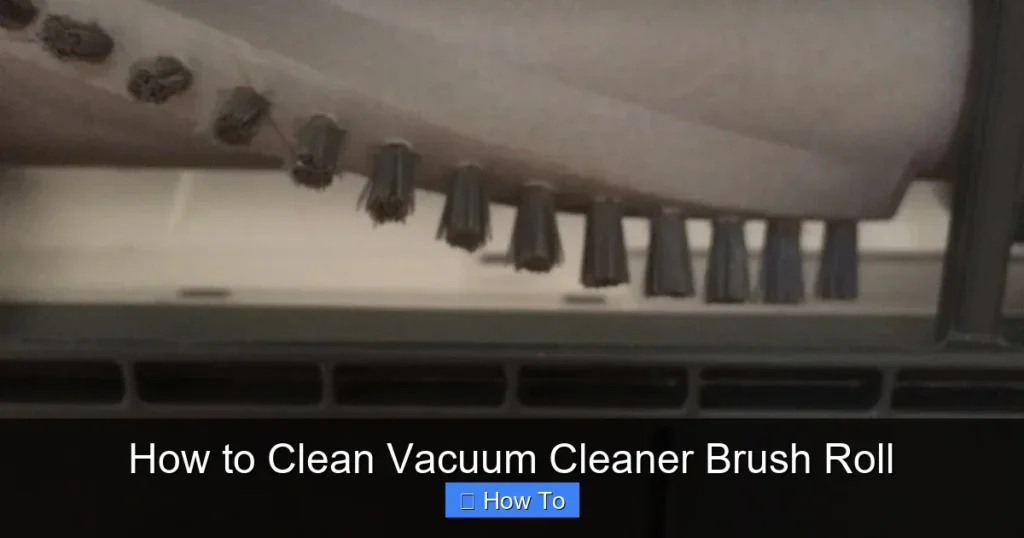
The brush roll is the heart of your vacuum’s cleaning system. It spins against the floor and agitates dirt so the suction can lift it away. When hair and dust wrap around the roll, the motor works harder and wears out faster. Regular cleaning stops this buildup before it causes belt slip or motor burnout.
Gather required tools and clear your work area before starting.
Confirm baseline specs and maker guidelines first.
Complete each stage in order without skipping safety checks.
Run a quick test pass and wipe down key parts after use.
Different floor types need different care. Carpet fibers catch more debris than hard floors, so pet owners often clean more often. The goal is simple: keep the roll spinning freely and the bristles standing tall. A little routine care here means fewer service calls and a longer machine life. For our complete category overview. Core buyer criteria, explore our cornerstone guide to Why Your Vacuum Cleaner Keeps Failing and Fixes.
- Motor Strain: A clogged roll forces the motor to draw more current and heat up.
- Belt Wear: Hair tension on the roll stresses the drive belt and causes early breakage.
- Suction Loss: Wrapped fibers block airflow and reduce the vacuum’s picking power.
- Floor Damage: A stuck roll can scrape or scuff hardwood and tile surfaces.
- Noise Rise: Imbalance from tangled hair creates loud rattling and grinding sounds.
The Best Way to How to Clean Vacuum Cleaner Brush Roll Step by Step
Start by finding a flat, well lit workspace. A kitchen table or cleared floor area works best. Lay down a towel to catch loose dust and hair. This simple setup keeps mess contained and helps you see the roll clearly.
If you find a stubborn tangle, spray a small amount of fabric softener on the hair knot. Wait 30 seconds, then gently pull it apart. This softens the hair and stops it from snapping back into tight wraps around the bristles.
Next, flip the vacuum on its side with the brush roll facing up. Most models have a small latch or clip that releases the bottom plate. Press or slide the latch, then gently lower the plate. The brush roll and its housing should slide out with ease.
- Power Off First: Unplug the vacuum cord to eliminate any accidental start risk.
- Towel Underneath: A cloth under the vacuum catches falling dust and hair clumps.
- Flat Work Surface: A clear table prevents you from straining your back or neck.
- Side Down Position: Place the vacuum on its brush roll side for stable access.
- Release Latch: Locate the clip or latch and press it fully before lifting the plate.
Essential Tools You Need for How to Clean Vacuum Cleaner Brush Roll
You do not need many tools to do this job well. A pair of small scissors or a seam ripper works best for cutting hair. A flat head screwdriver helps you pop off end caps on some models. A damp cloth and a dry cloth round out the basic kit.
For deeper cleaning, keep a toothbrush or small bristle brush nearby. It helps you scrub dust out of the bristle gaps. Some users also keep a bowl of warm water. Mild soap ready for washing removable rolls. Having these items in a small caddy makes the whole process faster and smoother.
- Small Scissors: Sharp tips let you snip hair close to the bristle base safely.
- Flat Head Screwdriver: This tool pries off plastic end caps without cracking them.
- Damp Cleaning Cloth: A wet wipe removes stuck on dust. Sticky residue from the roll.
- Dry Microfiber Cloth: This cloth dries the housing and prevents moisture from reaching the motor.
- Toothbrush: A soft brush clears fine dust trapped between single bristle strands.
Safety Rules for How to Clean Vacuum Cleaner Brush Roll
Safety comes first every single time you open the vacuum. The brush roll can still have tiny fragments of glass or sharp debris stuck in it. Wearing gloves protects your fingers from cuts and keeps your hands clean. Always work on a dry surface so you do not risk electric shock.
Never use water on the motor housing or electrical connectors. Moisture can cause short circuits or rust inside the vacuum. If your roll has a removable battery, take it out before cleaning. These simple steps keep you safe and protect the vacuum’s internal parts.
- Wear Gloves: Thick cleaning gloves shield hands from hidden glass or sharp bristle ends.
- Dry Workspace: A dry table or floor prevents water from reaching electrical parts.
- Remove Battery: Take out the battery pack if your vacuum uses a cordless design.
- No Water Near Motor: Keep all moisture away from the motor housing and wiring.
- Check for Debris: Look for small stones or glass pieces tangled in the bristles first.
Removing Hair and Tangles From the Brush Roll
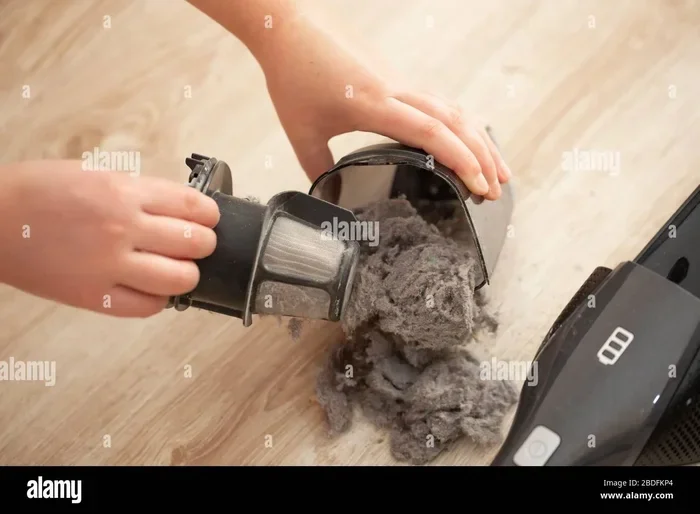
Hair wraps around the brush roll in tight spiral patterns. You need to cut it in small sections to avoid bending the bristles. Hold the scissors parallel to the roll shaft. Slide the blade under the hair loop. Cut gently and let the hair fall away from the bristles.
For vacuum brands like Dyson or Shark, check the end caps first. Some models have a quick release button that lets you pop off the cap. Once the cap is off, you can slide the roll out for a full wash. This makes it much easier to reach the hidden hair near the shaft ends.


- Cut in Sections: Slice hair into 1 inch segments to keep the bristles straight.
- Parallel Blade: Keep scissors flat against the shaft to avoid nicking the housing.
- Remove End Caps: Pop off caps to access hair trapped near the roller ends.
- Slide Out Roll: Gently pull the roll out for a full wash and deep inspection.
- Wash With Soap: Use warm water and mild soap to clean removable rolls thoroughly.
Washing and Drying the Brush Roll Properly
If your brush roll detaches, you can wash it under warm running water. Hold it under the tap and rub the bristles with your fingers. This removes loose dust and any sticky residue from pet hair or food spills. For tough grime, soak the roll in a bowl of warm water with a drop of dish soap for 10 minutes. For broader testing and full category picks, explore our in-depth guide to Boost Suction How to Clean a Dyson Filter 2025 Easy.
Drying the roll completely is just as key as washing it. Moisture left inside the housing can cause rust or mold. Shake off excess water and then set the roll on a dry towel. Let it air dry for at least 24 hours before you put it back into the vacuum.
- Warm Water Rinse: Hold the roll under warm water to flush out loose dust and debris.
- Dish Soap Soak: A small drop of soap breaks down oily residue from hair and skin.
- Shake Off Water: Firmly shake the roll to remove as much moisture as possible.
- Air Dry Fully: Set the roll on a towel. Wait 24 hours for complete drying.
- Check for Rust: Inspect the metal shaft for rust spots before reinstalling the roll.
Reinstalling the Brush Roll and Testing Suction
Once the roll is dry, slide it back into the housing. Make sure the bristles face the correct direction for your floor type. Most rolls have arrows printed on the side that show the spinning direction. Align the arrows with the floor contact point for the best cleaning result.
After reinstalling the bottom plate, plug the vacuum back in and turn it on. Listen for any rattling or scraping sounds. A smooth hum means the roll spins freely. Check the suction by running the vacuum over a small rug. You should feel a strong pull right away.
- Align Bristles: Match the bristle direction to the arrow marked on the roll housing.
- Secure Plate: Push the bottom plate firmly until the latch clicks into place.
- Listen Carefully: A smooth spin means no hair is left catching on the shaft.
- Test on Rug: Run the vacuum over a carpet to confirm strong suction returns.
- Check Belt: Look at the belt for any signs of wear or looseness after reinstalling.
How Often to Clean Your Vacuum Brush Roll
Cleaning frequency depends on how much you vacuum and what kind of floor you have. Homes with pets or long haired family members need more frequent cleaning. A good rule of thumb is to check the roll every 2 to 4 weeks. Heavy use or daily vacuuming calls for a cleaning every 1 to 2 weeks.
Hard floor users may clean less often because there is less hair buildup. However, dust and small debris still wrap around the roll over time. Set a reminder on your phone or calendar to keep the schedule steady. Regular cleaning keeps the motor cool and the suction strong.
- Pet Owners: Clean the roll every 1 to 2 weeks to manage loose hair.
- Hard Floors: Clean every 4 weeks to remove dust and small debris.
- Daily Use: Homes that vacuum daily should inspect the roll every 2 weeks.
- Allergy Season: Increase cleaning frequency during high pollen or dust seasons.
- Post Renovation: Clean the roll after any build or renovation work.
Summary Table: Cleaning Methods Compared
| Method | Frequency | Best For | Tools Needed | Drying Time |
|---|---|---|---|---|
| Quick Hair Cut | Every 1-2 weeks | Pet hair and daily use | Scissors, gloves | None |
| Full Wash | Every 1-3 months | Deep grime and sticky residue | Soap, water, towel | 24 hours |
| Brush Scrub | Every 4 weeks | Dust and fine debris on bristles | Toothbrush, damp cloth | None |
| End Cap Removal | Every 2-3 months | Hair trapped near roller shaft | Screwdriver, scissors | None |
| Belt Check | Every 6 months | Stretched or worn drive belts | Flashlight, replacement belt | None |
Common Mistakes to Avoid When Cleaning the Brush Roll
One common mistake is using sharp metal tools to scrape hair off the roll. These tools can scratch the plastic housing or nick the bristles. Another mistake is putting the wet roll back into the vacuum too soon. Moisture can reach the motor and cause rust or electrical issues. For broader testing and full category picks, explore our in-depth guide to Why a Vacuum Cleaner Loses Suction Over Time and How to Fix It.
Never yank large hair clumps off the roll by hand. This can bend or snap the bristles and throw the roll out of balance. Always cut the hair away in controlled, small pieces to protect the brush and the motor.
Some users also forget to check the belt while the roll is out. A worn belt causes the roll to spin slowly or slip entirely. Taking a few extra seconds to inspect the belt saves you from a sudden vacuum failure. Always follow the maker guidelines for your specific model to avoid damage.
- No Metal Scrapers: Avoid knives or metal tools that can scratch the housing.
- Dry Before Install: Never reinstall a damp roll or let water touch the motor.
- Check the Belt: Look for cracks or stretching while the roll is removed.
- Follow Manual: Read your vacuum manual for model specific taking apart steps.
- No Harsh Solvents: Use mild soap only; strong chemicals can damage plastic parts.
Final Thoughts and Next Steps
Keeping your brush roll clean is one of the easiest ways to extend the life of your vacuum. A few minutes of care every month prevents big problems later. You save money on belts, motors. Service calls when you stick to a simple cleaning routine.
Now you know the full process from removal to reinstallation. You also have the tools and safety rules to do the job right.
Start your next cleaning session with confidence. Watch your vacuum perform like it did on day one. Make How to Clean Vacuum Cleaner Brush Roll a regular part of your home care schedule. Enjoy stronger suction for years to come.
Frequently Asked Questions
Can I Wash My Vacuum Brush Roll with Water?
Yes, but only if the roll detaches from the vacuum. Check your manual to confirm the roll is removable. Wash it with warm water and mild soap, then dry it completely for 24 hours. Never put a non removable roll under water or let moisture reach the motor housing.
How Do I Cut Hair Wrapped Around the Brush Roll Without Damaging It?
Use small scissors and slide the blade under the hair loop parallel to the roll shaft. Cut in small sections instead of trying to remove large clumps at once. This keeps the bristles straight and prevents the roll from becoming unbalanced during use.
What Causes a Vacuum Brush Roll to Stop Spinning?
The most common cause is a tangled hair wrap that locks the roll in place. A worn or stretched drive belt is the second most common cause. Debris stuck in the housing can also block the rotation. Cleaning the roll and checking the belt usually fixes the problem quickly.
How Often Should I Clean My Vacuum Brush Roll If I Have Pets?
Pet owners should clean the brush roll every 1 to 2 weeks. Pet hair wraps around the roll very fast and can block suction within days. Regular cleaning keeps the roll spinning freely. Prevents the motor from overheating during pet hair cleanup sessions.
Is It Safe to Use Fabric Softener to Loosen Hair Tangles?
Yes, a small spray of fabric softener can help loosen tight hair knots. Spray it on the tangle, wait 30 seconds, and then gently pull the hair apart. This softens the strands and reduces the risk of snapping bristles or breaking the roll shaft during removal.