

Most people toss a tired vacuum into the trash without thinking twice. That habit fills landfills with motors, plastic shells, and toxic dust. A broken machine still holds valuable metals and parts that deserve a second life. Learning How to Recycle an Old Vacuum Cleaner keeps harmful waste out of the soil and water.
Many local programs accept large appliances, but rules vary by city and state. You need to know which materials can be recovered. Where to drop them off safely. This guide walks you through every step of the process. You will learn how to prep the machine, find the right recycler. Handle hazardous pieces like batteries.
📌 AT A GLANCE
- ✓Core Concept: old vacuums contain recyclable metals, plastics, and electronic boards.
- ✓Essential Step: always remove the dust bag or canister before transport.
- ✓Safety Rule: unplug the cord and remove batteries to prevent shorts.
- ✓Efficiency Tip: check with your city for free appliance pickup days.
- ✓Long-Term Value: proper recycling recovers steel, copper, and rare earth elements.
In this article
Why How to Recycle an Old Vacuum Cleaner Matters for the Planet
Applying these proven insights on How to Recycle an Old Vacuum Cleaner helps you avoid costly mistakes. Vacuums contain steel motors, copper wiring. Plastic housings that take centuries to break down in a dump. When these items sit in landfills, rain can leach heavy metals into groundwater.
The dust and debris inside the machine also carry dust and fine particles that harm air quality. Proper recycling stops this pollution and reclaims raw materials for new products. For our complete category overview. Core buyer criteria, explore our cornerstone guide to How Much is a Shark Vacuum Cleaner: Understanding the Factors of Design and Technology.
Gather required tools and clear your work area before starting.
Confirm baseline specs and maker guidelines first.
Complete each stage in order without skipping safety checks.
Run a quick test pass and wipe down key parts after use.
Many recycling centers can recover up to eighty percent of a vacuum’s total weight. They separate ferrous metals, non-ferrous metals, and different plastic types for reprocessing. This reduces the need to mine new ore and cuts down on energy use. Small actions like this add up to big environmental wins over time.
Understanding the full value chain helps you make better disposal choices. You also support a circular economy where products get a second life instead of becoming waste. So taking a few extra minutes to recycle right really does matter.
- Landfill Diversion: Keeping old vacuums out of dumps saves space. Prevents soil contamination from leaking metals.
- Material Recovery: Recycling centers extract steel, copper, aluminum, and plastics to use in new manufacturing.
- Energy Savings: Reusing scrap metal takes far less energy than refining raw ore from the earth.
- Toxin Prevention: Proper handling stops battery acids and electronic dust from poisoning local water supplies.
- Community Impact: Supporting local recyclers keeps jobs in the waste management and materials recovery sector.
Know What Is Inside Your Old Vacuum Cleaner
A typical vacuum cleaner holds a mix of materials that recyclers can sort and reuse. The outer shell is usually hard plastic or reinforced nylon that resists impact. Inside you will find a steel or aluminum motor housing, a fan blade, and copper coil windings. The power cord contains copper wire wrapped in rubber or plastic insulation.
Before you call a recycler, tape over any sharp edges on the vacuum body with old duct tape. This simple step protects sanitation workers and keeps the machine safe during transport. A little prep time prevents injuries and makes the whole process smoother for everyone involved.
The dust container may be clear polycarbonate or a disposable paper bag. Some models also include a HEPA filter made of layered fiberglass. A plastic or metal base plate. Knowing these parts helps you explain what you are dropping off at a recycling site.
Older vacuums may contain a few hazardous items that need special handling. Nickel-cadmium or lithium-ion batteries can leak toxic chemicals if crushed. The motor brushes are often made of carbon or graphite. This is not dangerous but still needs sorting.
Some older switches contain small amounts of mercury for indicator lights. The capacitor in the motor circuit can hold a charge even when unplugged. Always treat these parts with care and never break them open yourself.
If you are unsure about a specific part, take a photo. Ask the recycling center staff when you arrive. They can guide you on how to handle unusual items safely. This quick check keeps you compliant with local rules and protects workers. Most facilities appreciate customers who show up prepared and informed.
- Plastic Housing: The outer casing is usually a durable ABS polymer that recyclers can shred and remold.
- Copper Wiring: The power cord and internal coils contain valuable copper that smelters recover easily.
- Steel Motor: The main motor body is a dense ferrous metal that magnets pull from the waste stream.
- HEPA Filter: The fine mesh filter has layered media that some facilities can process into aggregate fill.
- Capacitor Unit: The small cylindrical part near the motor may hold a residual electrical charge.
The Best Way to How to Recycle an Old Vacuum Cleaner Step by Step
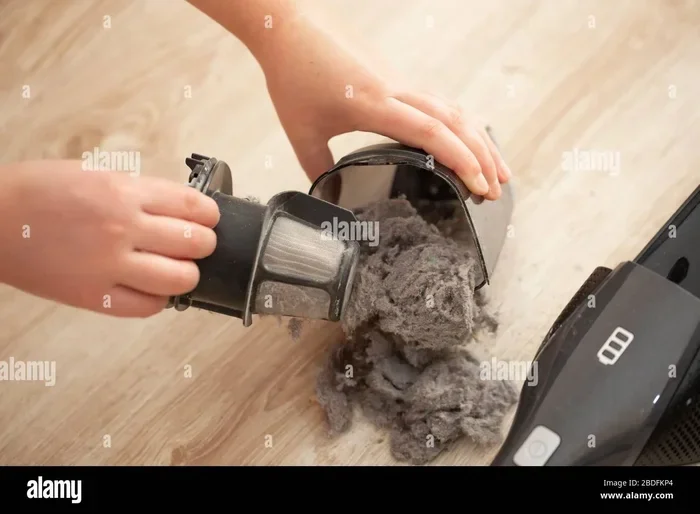
Start by unplugging the vacuum. Letting it sit for a full day to drain any residual charge. Next, remove the dust bag, canister, and all detachable filters. Shake out loose debris into a trash bin. Wipe the inside with a damp cloth.
Place the bag or canister in your regular home waste unless your local program accepts them separately. Then check the power cord for damage and coil it loosely without kinking. Finally, locate a certified appliance recycler or e-waste drop-off point near your home.
Before you load the vacuum into your car, call the facility to confirm they accept full-size appliances. Some centers only take small electronics, while others welcome full vacuum units. Ask if they require you to remove the battery first or if they handle that step for you.
Bring a photo ID and any required paperwork if your city mandates proof of residence for drop-offs. These small calls save you from a wasted trip and keep the process moving fast.
Once you arrive, follow the staff instructions for where to place the unit. Many facilities have separate bins for white goods, small appliances, and e-waste. They may also ask you to sign a log confirming the item was dropped off for recycling.
Keep the receipt or photo confirmation for your records. This simple habit helps you track your environmental contributions over time.
- Unplug and Wait: Disconnect the cord from the wall outlet and let the motor cool for twelve hours.
- Empty All Parts: Remove the dust bag, canister. Filters, then dispose of the bag in normal trash.
- Remove the Battery: Take out the rechargeable battery pack if your model has one, and store it separately.
- Wrap Sharp Edges: Use old towels or tape to cover any exposed metal or cracked plastic pieces.
- Find a Local Recycler: Search online or call your city waste department to locate a certified drop-off site.
- Transport Safely: Place the vacuum upright in your vehicle so it does not roll or leak any remaining dust.
Find the Right Recycling Facility for Your Vacuum
Not all recycling centers handle large appliances. So you need to match your vacuum to the right facility. Large municipal waste authorities often run dedicated drop-off yards for white goods and e-waste. These sites have heavy machinery to crush and sort metals safely.
Private e-waste recyclers may also accept vacuums but sometimes charge a small fee per unit. Community e-cycling events are another excellent option, most in suburban neighborhoods.
You can use online tools to search for certified recyclers in your zip code. The EPA maintains a database of licensed electronic waste handlers across the United States. This resource helps you avoid unregulated facilities that might export waste to unsafe processing sites.
Always look for certifications like R2 or e-Stewards, which guarantee responsible recycling practices. Choosing a certified partner means your old vacuum gets processed in an environmentally sound way.
When you call the facility, ask about their acceptance policies for vacuum cleaners mainly. Some places require you to remove the motor or battery before they will take the unit. Others accept the whole appliance and handle all taking apart on-site.
Getting clear answers upfront prevents delays and ensures your item gets recycled properly. A quick phone call turns a confusing process into a simple, one-stop trip.
- Municipal Drop-Off: City waste yards usually accept vacuums for free during regular business hours.
- Private E-Waste Centers: Dedicated electronic recyclers often pay scrap value for the copper and steel inside.
- Retailer Take-Back: Some vacuum brand stores offer trade-in programs that include free recycling services.
- Community Events: Periodic e-cycling drives hosted by local groups make disposal handy for residents.
- Certified Haulers: Licensed junk removal services can pick up your vacuum. Give it to a certified plant.
Handle Batteries and Hazardous Parts the Right Way
Rechargeable batteries in modern vacuums contain lithium or nickel compounds that need special care. Tossing these batteries into a regular trash bin can cause fires at waste processing plants. The chemicals inside can leak and contaminate soil and groundwater if the casing breaks. For broader testing and full category picks, explore our in-depth guide to Nuyupo Cordless Vacuum Cleaner vs Eureka Upright Vacuum.
You must remove the battery pack before you send the vacuum body for recycling. Most home e-waste sites have clearly marked bins for lithium and nickel-cadmium batteries.
If the battery is sealed inside the vacuum body, do not try to pry it open yourself. Take the whole unit to a facility that has trained staff. Proper tools for battery extraction. They follow strict protocols to drain and disconnect the cells safely.
Some battery makers also run mail-in return programs for old packs. You can check the brand website for a prepaid shipping label and instructions.
Other hazardous items in older vacuums include mercury switches and certain capacitors. These parts are rare in modern models but still appear in vintage units. Always inform the recycling staff if you suspect your vacuum contains mercury or other heavy metals.


They will route the item through a specialized processing lane. Full transparency keeps the recycling process safe for everyone involved.
- Lithium-Ion Packs: These light batteries power modern cordless vacuums and must go to e-waste bins.
- Nickel-Cadmium Cells: Older rechargeable packs contain cadmium, a toxic metal that requires careful handling.
- Mercury Switches: Vintage vacuums sometimes use mercury tilt switches that need specialist disposal routes.
- Capacitor Safety: The motor capacitor can hold a charge. So always let the unit sit unplugged for a day.
- Carbon Brush Dust: Motor brushes shed graphite dust. This you should wipe out before recycling the unit.
Prepare the Vacuum Cleaner for Safe Transport
Proper preparation keeps the vacuum safe during the drive to the recycling center. Start by removing all detachable parts like the wand, hose, and floor head. These smaller pieces can often go in your regular recycling bin if they are plastic or metal.
Shake out the main body to clear any remaining dust and debris. Use a damp paper towel to wipe the interior. Catch fine particles that might escape during transport.
Next, secure the power cord by wrapping it loosely around the base. Do not tie it in a tight knot. This can damage the copper wires inside the insulation. If the cord is frayed or cracked, tape the damaged section with electrical tape to prevent further fraying.
Place the vacuum upright in your vehicle, ideally in a cardboard box or wrapped in an old blanket. This prevents dust from spilling and protects the car interior from sharp edges.
Before you close the car door, double-check that no small parts like screws or filter pieces are loose. A quick inventory of removed parts ensures nothing gets lost or left behind. Taking these simple steps makes the drop-off process faster and safer for everyone. You also reduce the risk of dust clouds or accidental spills during the trip.
- Detach All Parts: Remove the hose, wand. Floor head so each piece can be recycled separately.
- Secure the Cord: Wrap the power cord loosely. Tape over any exposed or frayed sections.
- Clean the Interior: Wipe out dust. Debris with a damp cloth to prevent airborne particles during transit.
- Wrap the Body: Use an old blanket or moving pad to cushion the vacuum and contain any loose dust.
- Pack Small Items: Place screws, clips. Small metal parts in a sealed bag to avoid losing them.
Compare Recycling Methods and Their Benefits
Different recycling paths offer unique perks depending on your schedule and local options. Drop-off yards give you direct control over where your vacuum ends up and usually cost nothing. Mail-back programs are ideal if you have a small appliance or live far from a recycling center.
Retailer take-back events let you return an old vacuum when you buy a spare. This makes it a seamless upgrade cycle. Each method keeps the material out of the landfill but fits different lifestyles and needs.
- Some Recycling Methods: Some recycling methods focus on full material recovery. Others focus on reuse.
- Certified E-Waste Recyclers: Certified e-waste recyclers break down the vacuum into raw metals and plastics for remanufacturing.
- Refurbishment Programs: Refurbishment programs may repair and resell working vacuums to extend their useful life.
Donation centers accept gently used units that still clean well. Choosing the right method depends on the vacuum’s condition and your personal goals for disposal.
Understanding these options helps you make a confident, informed choice. You can weigh factors like ease, environmental impact, and whether the vacuum still works. The table below compares the main methods side by side so you can pick the best fit. This quick comparison saves time. Ensures your old vacuum gets handled exactly how you want. For broader testing and full category picks, explore our in-depth guide to Nuyupo Cordless Vacuum Cleaner vs Zulyxio Cordless.
Summary Table: Recycling Methods Compared
| Recycling Method | Best For | Typical Cost | Processing Time | Material Recovery Rate |
|---|---|---|---|---|
| Municipal Drop-Off | Large, non-working units | Free | Immediate drop-off | High (metals and plastics) |
| Retailer Take-Back | Upgrading to a new model | Free with purchase | Same-day processing | High (full unit reuse or recycling) |
| Certified E-Waste Center | Units with batteries or e-waste | Free to low fee | 1 to 3 business days | Very High (full disassembly) |
| Mail-Back Program | Small handheld vacuums | Prepaid or low fee | 5 to 10 business days | High (metals and circuit boards) |
| Donation Center | Gently used, working vacuums | Free | Immediate handover | Reuse (extends product life) |
| Certified Hauler Pickup | Bulky items or multiple appliances | Free to moderate fee | Scheduled pickup within 1 week | High (sorted metals and plastics) |
Best Practices for Recycling and Reducing Waste
Following a few simple habits makes recycling your old vacuum cleaner easy and strong. Always start by checking your city website for appliance pickup schedules and e-waste rules. Many municipalities offer free bulk pickup days twice a year. This is the most handy option.
Never attempt to open the vacuum motor housing or cut into the power cord on your own. Capacitors and motors can store unexpected electrical energy that causes shocks. Always leave internal taking apart to trained pros at the recycling facility. Your safety matters more than saving a few minutes of work.
Mark these dates on your calendar and set a reminder a week ahead. This proactive step keeps you from accidentally tossing the vacuum in the regular trash.
When you buy a new vacuum, look for models with replaceable parts and long-life motors. A machine that is easy to repair lasts longer. Generates less waste over its lifetime. You can also choose brands that offer take-back programs at the end of the product life.
These small buying decisions support a circular economy and reduce the burden on landfills. Over time, your habits influence makers to design more sustainable products.
Share what you have learned with friends and family to multiply the impact. A quick conversation about proper recycling can inspire others to change their disposal habits too.
You can also post about local e-waste events on community social media groups. Spreading awareness turns single action into a collective effort for cleaner neighborhoods and a healthier planet.
- Check Local Rules: Visit your city waste department website for appliance pickup dates and e-waste drop-off locations.
- Buy Repairable Models: Choose vacuums with replaceable motors. Filters to extend the product life cycle.
- Support Take-Back Programs: Buy from brands that recycle old units when you give a new one.
- Share the Knowledge: Tell neighbors about local e-cycling events so more people recycle correctly.
- Avoid Landfill Trash: Never place a vacuum in your general waste bin, even if it is completely broken.
Frequently Asked Questions About Recycling Old Vacuums
Can I Put My Old Vacuum Cleaner in the Regular Trash Bin?
No, you should never place a vacuum cleaner in your regular home trash bin. Most local waste rules classify vacuums as bulky waste or electronic waste that requires special handling. Tossing it in the trash can result in a fine in some municipalities.
The vacuum contains metals, plastics, and potentially hazardous battery materials that must be processed separately. Always use a certified recycling facility or an approved bulk pickup service instead.
Do I Need to Remove the Dust Bag Before Recycling the Vacuum?
Yes, you should remove the dust bag or canister before taking the vacuum to a recycling center. The bag contains fine dust, debris, and dust that can spill during transport and handling. Shake the bag into a trash bin. Wipe out the canister with a damp cloth.
If your vacuum uses a reusable canister, wash it lightly. Let it dry before recycling the main body. This simple step keeps the recycling process clean and safe for facility workers.
What Happens to the Vacuum After I Drop It Off at a Recycling Center?
After you drop off the vacuum, trained staff sort it by material type on the processing floor. They remove the battery and any hazardous parts, then shred the remaining body into metal and plastic streams. Magnets pull out ferrous metals like steel. Eddy current separators extract non-ferrous metals like copper and aluminum.
The plastics are sorted by resin type and sent to remanufacturers. The recovered raw materials then enter the supply chain for new products, closing the loop on waste.
Can I Recycle a Vacuum Cleaner That Still Works?
Yes, a working vacuum cleaner can still be recycled, but reuse should come first. Consider donating it to a local charity, thrift store, or community organization that accepts appliances in good condition. If the vacuum is outdated or inefficient, a certified recycler can still recover valuable materials from it.
Even a functional unit eventually reaches a point where repair costs outweigh its value. In those cases, recycling ensures the materials do not go to waste and can be used again.
Are There Any Fees for Recycling a Vacuum Cleaner?
Most municipal recycling centers and e-waste facilities accept vacuums for free as part of their home appliance program. Some private e-waste recyclers may charge a small fee, most for units with large batteries or complex electronics. Retailer take-back programs are usually free when you buy a new vacuum from the same store.
Always call ahead to confirm the current policy and any potential costs. The small effort of a phone call saves you unexpected fees and ensures a smooth drop-off.
Final Thoughts and Next Steps
Recycling your old vacuum cleaner is a simple yet strong way to protect the space and recover valuable materials. You have learned how to prep the machine, find the right facility. Handle hazardous parts safely.
These steps keep toxic substances out of landfills. Support a circular economy that benefits everyone. By taking action today, you reduce waste. Set a positive example for your home and community.
Make recycling a regular part of your home upkeep routine. When your next appliance reaches the end of its life, you will already know exactly what to do.
Share this guide with friends who might be unsure about how to dispose of their old electronics responsibly. Small, steady actions create a lasting impact on the health of our planet and our local neighborhoods.
Now that you understand the full process, take the first step. Schedule your recycling drop-off or pickup. The effort you put in today keeps harmful materials out of the waste stream. Gives old machines a second life. Thank you for caring enough to recycle the right way and make a real difference.