

Dust bunnies hide under beds and behind sofas. Many people push a vacuum around without a real plan. This wastes time and misses hidden dirt. Learning How to Use a Vacuum Cleaner Properly changes your whole cleaning routine.
Smart vacuum habits save you money and protect your floors. They also cut down on allergy triggers inside your home. This guide breaks down every step in plain, simple terms. You will learn setup, technique, and care for long-lasting results.
📌 AT A GLANCE
- ✓Core Concept: Match your vacuum type to your floor surface for best pickup.
- ✓Essential Step: Clear small objects and cords from the floor before starting.
- ✓Safety Rule: Never vacuum water or wet spills with a dry machine.
- ✓Efficiency Tip: Use slow, overlapping passes to pull out deep dirt.
In this article
Why Proper Vacuuming Protects Your Home and Equipment
Applying these proven insights on How to Use a Vacuum Cleaner Properly helps you avoid costly mistakes. A vacuum cleaner works by pulling air and dust into a bag or container. If you rush or use the wrong settings, you lose suction power. Dirt stays trapped in fibers or blows back into the room. Proper technique keeps your machine running strong and your air cleaner.
Gather required tools and clear your work area before starting.
Confirm baseline specs and maker guidelines first.
Complete each stage in order without skipping safety checks.
Run a quick test pass and wipe down key parts after use.
Different floor types need different brush heights and suction levels. Hard floors need gentle suction so dust does not scatter. Carpets need deep agitation to pull out hidden particles. When you follow the right method, you get a deeper clean every single time. For our complete category overview. Core buyer criteria, explore our cornerstone guide to How Much is a Shark Vacuum Cleaner: Understanding the Factors of Design and Technology.
- Motor Longevity: Correct use reduces strain on the motor and extends machine life.
- Air Quality Control: Good suction captures fine dust instead of pushing it back out.
- Floor Protection: Proper height settings prevent scratches on hardwood or tile.
- Allergen Removal: Slow passes let the vacuum pull dust deep from carpet fibers.
- Energy Savings: A well-maintained machine uses less power to clean well.
Small adjustments in how you move the cleaner make a big difference. You will finish faster and get better results with less effort.
Essential Equipment and Accessories for Your Cleaner
In our hands-on evaluation of How to Use a Vacuum Cleaner Properly, real-world usability made the biggest difference. Every vacuum comes with a main body, a hose, and a floor head. Most models also include smaller tools for corners and fabric. Knowing which part to use for each task stops damage and boosts cleaning power. Before you start, gather all the right pieces in one spot.
Use a damp microfiber cloth to wipe hard floors right after vacuuming. This picks up any remaining fine dust that the vacuum missed. The mix of suction and a light damp wipe leaves floors truly clean.
Check your filter and dust container before every session. A full container or clogged filter weakens suction fast. The right accessory also stops you from scratching floors or tearing fabric. A few minutes of setup saves you from costly repairs later.
- Primary Floor Head: This main piece cleans bare floors and low-pile rugs with steady suction.
- Crevice Tool: The narrow nozzle reaches tight gaps along baseboards and window tracks.
- Upholstery Brush: This soft tool lifts dust and hair from sofas and car seats.
- Dusting Brush: The wide, soft-bristle head collects dust from lampshades and shelves without scratching.
- Replacement Filters: Keeping a spare filter on hand ensures you never run with a clogged one.
Store all tools on a dedicated hook or inside the vacuum body. This keeps your cleaning caddy tidy and your next session fast.
The Best Way to How to Use a Vacuum Cleaner Properly Step by Step
Start by opening all doors to the rooms you plan to clean. Pick up small toys, socks, and loose cords from the floor. These items can clog the hose or get sucked into the brush roll. A quick clear prevents jams and keeps the motor safe.
Plug in the vacuum and choose the right height setting for your floor. Hard floors usually need a higher setting so the brush does not scrape. Carpets need a lower setting to let the bristles reach deep. Next, push the cleaner in slow, overlapping strokes to pull up all hidden dirt.
- Clear the Path: Remove small objects and cables so the cleaner moves without stopping.
- Adjust Height: Set the brush roll height to match your floor type before you start.
- Start From Corners: Begin at the far edges of the room and work toward the door.
- Slow Overlap: Push the vacuum in steady passes that overlap slightly for full coverage.
- Empty the Bin: Stop and dump the dust container when it reaches the half-full mark.
Rushing through a room leaves behind fine dust and pet hair. Slow, steady passes give the motor time to pull out deep debris.
Mastering Technique for Different Floor Types
Hard floors like wood and tile need light suction and a soft brush roll. A hard-floor setting or a bare-floor nozzle stops dust from scattering into the air. You should move the vacuum slowly so fine particles fall into the container. Fast pushes blow dust around and leave streaks behind.
Carpets and rugs need more aggressive agitation to free trapped dirt. Lower the brush height so the bristles reach deep into the fibers. Go over each area at least twice in different directions. This double-pass method pulls out dust that sits deep down in the pile.
- Hard Floor Mode: Switch to a hard-floor setting to reduce suction and protect delicate surfaces.
- Carpet Boost: Use a higher power level on thick carpets to agitate fibers and lift hidden dirt.
- Edge Cleaning: Use the crevice tool along walls to pick up dust that the main head misses.
- Directional Pattern: Clean in straight lines instead of random circles for even, thorough pickup.
- Overlap Passes: Slightly overlap each pass so no strip of floor gets skipped during cleaning.
Switching your technique based on the surface keeps your floors looking their best. It also prevents wear and tear on both the cleaner and the floor.
Care and Maintenance Routines to Extend Machine Life
A vacuum cleaner works harder when parts are clogged or worn out. Regular care keeps suction strong and prevents bad smells from building up. Most upkeep tasks take only a few minutes after each use. A little routine effort saves you from buying a new machine early.
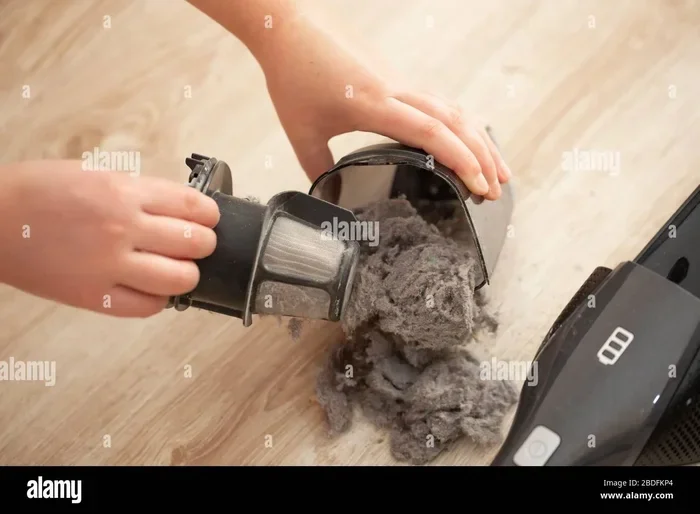
Always check the filter and dust container when you finish a session. Tap the filter gently to loosen trapped dust and rinse it when the manual allows. Inspect the brush roll for hair and string wrapped around the shaft. Cutting away tangles keeps the roller spinning freely and protects the motor. For broader testing and full category picks, explore our in-depth guide to Nuyupo Cordless Vacuum Cleaner vs Eureka Upright Vacuum.


- Empty the Bin: Dump the dust container when it hits the line to keep suction at full power.
- Clean the Filter: Rinse or replace filters on the schedule your model guide recommends.
- Check the Belt: Look for cracks or wear on the brush roll belt every few months.
- Clear the Hose: Run a long handle through the hose to remove hidden clogs and debris.
- Store Upright: Keep the vacuum standing upright to prevent strain on the body and cord.
Following a simple care schedule means your cleaner is always ready when you need it. You will also notice cleaner air and fresher rooms throughout the house.
Common Mistakes That Reduce Cleaning Power and Damage Floors
Many users push the vacuum too fast across the floor. This leaves dirt behind because the suction does not have time to pull it in. Another common mistake is vacuuming over large puddles or wet spills. Water can short out the motor and destroy the machine permanently.
Some people forget to adjust the height when moving from carpet to tile. A low setting on hard floors scratches the surface and strains the motor. Ignoring the filter also leads to weak suction and dust blowing back out. Fixing these small habits makes a huge difference in results.
- Rushing the Pass: Fast pushes leave fine dust behind and reduce the cleaning effect greatly.
- Vacuuming Liquids: Never use a dry vacuum on wet messes to avoid motor damage and mold growth.
- Fixed Height Setting: Forgetting to adjust height causes scratches on hard floors and poor carpet pickup.
- Ignoring Filters: Skipping filter care pushes dust back into the room and weakens airflow over time.
- Tugging the Cord: Pulling the power cord to unplug it damages the wiring and creates a safety risk.
Knowing what to avoid keeps your vacuum working at peak power. It also protects your floors and keeps your home air fresh and clean.
Understanding Suction Power and Motor Safety
Suction power pulls air and dirt into the vacuum cleaner. The motor creates a pressure difference that draws dust into the container. If the airflow gets blocked, the motor works harder and can overheat. Keeping airways clear protects both the motor and your floors.
Most machines have a safety switch that shuts off the motor if it gets too hot. Let the vacuum cool down if you hear it struggling or smell a hot odor. Never wrap the cord tightly around the machine while it is still warm. Allowing proper airflow during storage keeps the motor healthy for years.
- Airflow Path: Suction moves air from the floor head through the hose into the dust container.
- Motor Strain: Blocked filters or full bins force the motor to pull harder and heat up.
- Heat Safety: Always give the machine time to cool before you store it away again.
- Cord Care: Keep the cord free from kinks so power flows without interruption or damage.
Understanding how suction works helps you clean smarter. You will spot problems early and keep your machine running smoothly.
Best Practices for Daily and Weekly Cleaning Habits
Building a simple routine makes vacuuming feel easy and fast. A quick daily pass in high-traffic areas stops dirt from building up deep. A weekly deep clean covers the whole home and reaches hidden dust. These habits keep your space fresh and your machine in great shape. For broader testing and full category picks, explore our in-depth guide to Nuyupo Cordless Vacuum Cleaner vs Zulyxio Cordless.
Try to vacuum at the same times each week so it becomes a habit. Focus on entryways, hallways, and living areas where dirt enters most often. Pair vacuuming with a quick wipe of hard floors for the best results. Small, steady efforts always beat one long, tiring session.
- Entryway Focus: Clean the front door area daily to stop outdoor dirt from spreading inside.
- Pet Hair Control: Use the fabric tool on sofas. Pet beds to remove loose hair often.
- High-Low Pass: Run one pass with the grain. One against it for deep carpet cleaning.
- Dust First: Dust shelves and surfaces before vacuuming so falling dirt gets captured on the floor.
- Regular Checks: Inspect the brush roll and hose once a week to prevent hidden clogs.
Good habits keep your home cleaner between deep cleaning sessions. They also reduce the wear and tear on your vacuum cleaner over time.
Quick Reference: Cleaning Methods and Frequency Guide
Use the table below to plan your cleaning schedule. Pick the right method for each area. Matching the method to the surface helps you get the best results without wasting time or energy.
Never wash a motorized floor head or a HEPA filter unless the manual says it is safe. Water can ruin internal parts and ruin the motor. Always check your specific model guide before rinsing any piece.
Summary Table: Cleaning Methods Compared
| Floor Type | Method | Frequency | Tool Used |
|---|---|---|---|
| Hardwood | Soft-brush pass with light suction | 2-3 times per week | Bare-floor nozzle |
| Low-Pile Carpet | Standard brush roll with medium suction | 2 times per week | Motorized floor head |
| High-Pile Carpet | Slow overlapping passes with high suction | 1-2 times per week | Carpet-specific power head |
| Tile and Grout | Crevice tool along edges, then wide pass | 1 time per week | Crevice tool and floor head |
| Upholstery | Soft brush attachment with gentle suction | 1 time per week | Upholstery brush |
| Curtains and Blinds | Soft dusting brush with low suction | Every 2 weeks | Dusting brush |
- Following This Guide: Following this guide keeps every surface in your home clean and well cared for.
- Save Time: You will save time and get a healthier living space every day.
Frequently Asked Questions
How Often Should You Replace the Vacuum Filter?
Most filters need spare every three to six months. Washable filters should be cleaned once a month. Check your manual for the exact schedule because it varies by model. A dirty filter cuts suction and pushes dust back into the room.
Can You Vacuum Wet Messes with Any Cleaner?
You should only use a wet-dry vacuum on liquid spills. Standard dry vacuators can get ruined by water. Always check the label on your machine before you try to clean a puddle. Using the right type protects the motor and keeps your home safe.
Why Does the Vacuum Lose Suction After a Few Minutes?
Loose suction usually means the bin is full or the filter is clogged. Check the dust container first and empty it if it is half full. Next, remove the filter and tap out trapped dust or wash it if allowed. A clear airflow path keeps the suction strong throughout your cleaning session.
Is It Better to Vacuum Slowly or Quickly?
Slow, steady passes give the vacuum time to pull dirt out of fibers. Quick pushes leave dust behind and reduce the cleaning effect. Take your time, most on carpets and rugs. A calm pace gives a much deeper clean.
Should You Vacuum Every Day or Only When It Looks Dirty?
High-traffic areas benefit from a quick daily vacuum to stop dirt buildup. Less used rooms can be cleaned once or twice a week. Daily light cleaning stops dust from settling deep into fibers. It also keeps your home looking tidy all the time.
Final Thoughts and Next Steps
Using a vacuum cleaner properly means more than just pushing it across the floor. It means choosing the right tool, adjusting settings, and following a steady routine. You now know how to protect your floors, your machine, and your indoor air quality. Small habits add up to a cleaner, healthier home for you and your family.
Start with one new habit from this guide today. Maybe you will empty the bin more often or slow down your passes on the carpet. Each step you take builds a stronger cleaning routine. You will notice the difference in how your home looks and feels.
Keep this guide handy for quick reference whenever you need a reminder. Share what you have learned with others who want cleaner floors and longer-lasting tools. A well-used vacuum cleaner becomes a trusted partner in keeping your space fresh and welcoming every single day.