

Mold hides in homes far more often than most people realize. Damp basements, musty carpets, and hidden HVAC ducts all invite spores to settle and grow.
Many homeowners discover the problem only after allergies flare up or strange odors take over living spaces. How to Remove Mold Spores with a Vacuum is one of the most practical first steps you can take to regain control of your indoor air. This approach pulls loose spores from surfaces before they spread into deeper layers or trigger health reactions.
Tackling mold early saves you from expensive remediation jobs later. A vacuum built for this task grabs surface spores quickly. Keeps them locked inside the machine.
In this guide, you will learn how to choose the right equipment, prepare your space. Use safe techniques that actually work. You will also discover upkeep tips that keep your machine ready whenever mold shows up again.
📌 AT A GLANCE
- ✓Core Concept: A HEPA-filtered vacuum traps tiny spores that ordinary machines release back into the air.
- ✓Essential Step: Isolate the work zone and wear protective gear before you start any mold cleanup.
- ✓Safety Rule: Never use a standard shop vac or non-HEPA machine, because it sprays spores into the room.
- ✓Efficiency Tip: Clean the vacuum filter and canister right away after each mold job to prevent cross-contamination.
In this article
Why How to Remove Mold Spores with a Vacuum Matters for Your Home
Mold spores float through the air every single day. Most of the time you do not notice them. Problems start when spores land on wet surfaces. Begin to multiply within 24 to 48 hours.
Once mold colonies form, they release dust. Irritants that affect breathing, skin, and overall comfort. Using the right vacuum to remove these spores stops the cycle before colonies take hold. For our complete category overview. Core buyer criteria, explore our cornerstone guide to Why Your Vacuum Cleaner Keeps Failing and Fixes.
Gather required tools and clear your work area before starting.
Confirm baseline specs and maker guidelines first.
Complete each stage in order without skipping safety checks.
Run a quick test pass and wipe down key parts after use.
Regular vacuuming with a HEPA-rated machine reduces spore counts dramatically. The U.S.
Environmental Protection Agency (EPA) provides guidelines on mold remediation that support using HEPA-filtered equipment for safe cleanup EPA Mold Remediation Guidelines. This approach works best when you pair it with moisture control and routine cleaning habits.
- HEPA Filtration: A true HEPA filter captures 99.97% of particles as small as 0.3 microns. This matches the size of most mold spores.
- Moisture Control: Spores need dampness to grow. So fixing leaks and humidity removes their food source.
- Surface Preparation: Lightly misting moldy areas with water keeps spores from becoming airborne during cleaning.
- Containment Strategy: Sealing off the work area prevents spores from drifting into clean rooms through air currents.
- Post-Cleaning Inspection: A quick visual. Smell check after vacuuming confirms that spore levels have dropped.
Essential Equipment for How to Remove Mold Spores with a Vacuum
Choosing the right vacuum makes a huge difference in mold removal success. Standard vacuums blow tiny spores back into the room through their exhaust vents. Machines with sealed systems and true HEPA filters hold spores inside the dust bin or bag where they belong. You also want a few supporting tools that help you reach hidden mold and protect your health.
Always run your vacuum on the lowest suction setting when cleaning mold from soft fabrics. High suction pushes spores deeper into carpet fibers and fabric instead of pulling them out.
Before you start, gather everything you need so you do not have to leave the work area mid-job. A good mold vacuum often costs more than a regular home model. But the investment protects your lungs and your home.
Store all your mold-cleaning tools in a separate bin so they stay ready and uncontaminated. The EPA also recommends disposable protective gear when handling visible mold CDC Mold Safety Recommendations.
- HEPA Vacuum Unit: A sealed-canister or upright vacuum with a true HEPA filter traps mold spores at the tiny level.
- Soft Brush Attachment: A brush head loosens spores from textured surfaces without scratching or grinding them deeper.
- Crevice Tool: This narrow nozzle reaches into corners, window frames. Baseboard gaps where mold hides.
- Disposable Gloves: Waterproof gloves keep moldy residue off your hands. Reduce the risk of skin irritation.
- N95 Respirator: A tight-fitting mask filters airborne spores you might inhale while cleaning.
Step-By-Step Guide to How to Remove Mold Spores with a Vacuum
Strong mold vacuuming follows a clear sequence that prevents spores from spreading. Rushing through the process or skipping steps often leads to recontamination within days. You should treat every mold session as a careful use rather than a quick chore. Each step builds on the last one to create a cleaner, safer result.
Start by putting on your protective gear and opening a window if possible. Work slowly, most on the first few passes. So you can observe how the surface responds.
Adjust suction power as you move between hard floors, carpets, and upholstered items. The goal is to remove as many loose spores as possible without disturbing the settled colonies underneath.
- Seal the Room: Close doors. Cover vents to stop spores from spreading to other areas of the house.
- Mist the Surface: Use a spray bottle filled with clean water to lightly dampen moldy spots before vacuuming.
- Attach the Brush Head: Mount the soft brush tool to your HEPA vacuum for gentle contact with the surface.
- Vacuum Slowly: Move the vacuum head in slow, overlapping passes to pull spores out of porous materials.
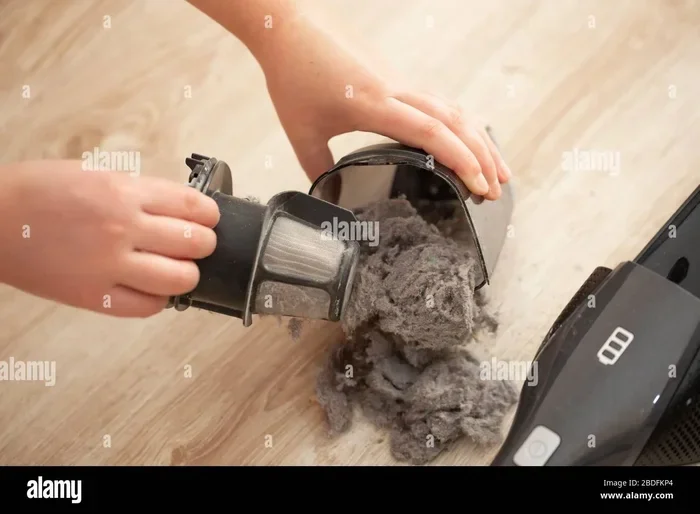
- Empty the Bin: After each room, empty the dust container into a sealed outdoor trash bag and wipe the bin clean.
- Repeat if Needed: For heavy mold coverage, run a second pass with reduced suction to catch any remaining spores.
Best Surfaces and Areas for Mold Spore Vacuuming
Different surfaces respond to vacuuming in their own way. Knowing these differences helps you adjust technique. Hard surfaces like tile and sealed wood release spores easily once you disturb the growth.
Soft materials like carpet and fabric hold spores deep inside their fibers and need slower, more deliberate passes. High-risk zones include basements, bathrooms, and any room with a history of water damage.
You can vacuum most areas, but some situations call for extra caution. For example, large mold patches covering more than about 10 square feet often require pro help instead of a home vacuum.
The Institute of Inspection, Cleaning. Remediation Certification (IICRC) sets standards for mold remediation that distinguish between small. Large infestations IICRC Mold Standards. Always match your approach to the size and location of the mold problem.
- Hard Floors: Tile, linoleum, and sealed concrete release spores with minimal effort when vacuumed with a brush tool.
- Wall Baseboards: Mold often gathers where walls meet floors. So run the crevice tool along these seams carefully.
- Carpet and Rugs: Vacuum slowly across moldy carpet using low suction and overlapping strokes to lift spores from fibers.
- Upholstered Furniture: Fabric chairs and sofas trap spores in weave patterns. So use the brush head and make multiple passes.
- Window Frames: Condensation often breeds mold around window sills. The crevice tool pulls spores from tight grooves.
Maintaining Your Vacuum After Mold Cleanup
After a mold vacuuming session, your machine holds trapped spores inside its canister, bag, or filter. Failing to clean these parts allows mold to grow inside the vacuum itself. This creates a new source of contamination.
Proper upkeep keeps your equipment safe for the next job and protects indoor air quality. You should treat post-cleaning cleanup as a required part of the process.
Most HEPA vacuums have washable or replaceable filters depending on the model. Check your user manual to see which filter type your machine uses. How often it needs cleaning. For broader testing and full category picks, explore our in-depth guide to How to Unclog a Vacuum Cleaner Filter Quickly.
A dirty filter reduces suction power and lets fine particles escape through the exhaust. Also wipe the exterior of the vacuum with a damp cloth to remove any moldy residue on the housing.


- Empty the Dust Bin: Pour contents directly into a sealed outdoor bag. Tap the bin to remove stuck residue.
- Rinse the Filter: Wash washable HEPA filters under cool running water until the runoff runs clear, then let them dry fully.
- Wipe Internal Surfaces: Use a damp cloth to clean the inside walls of the dust bin and any removable parts.
- Inspect the Brush Roll: Check for tangled hair or fibers that reduce brush effectiveness and trap moldy debris.
- Dry Everything: Let all cleaned parts air-dry completely before reassembling to prevent moisture-based mold growth inside the machine.
Common Mistakes to Avoid When Removing Mold Spores
Many homeowners make simple errors that reduce the effectiveness of mold vacuuming or even make it worse. Using the wrong vacuum type ranks among the most damaging mistakes. This happens because it spreads spores instead of capturing them.
Other common issues include skipping protective gear, working too fast, and ignoring hidden mold hotspots. Avoiding these pitfalls saves time and keeps your home safer.
Another frequent mistake involves vacuuming moldy surfaces without dampening them first. Dry mold breaks apart easily. Floats into the air the moment the vacuum nozzle touches it. People also forget to check areas behind furniture. Inside closets where mold quietly builds up. Slowing down and following a plan eliminates most of these errors.
- Using Non-HEPA Vacuums: Standard machines push spores out through exhaust vents. Recontaminate the room you just cleaned.
- Skipping Protective Gear: Mold spores irritate lungs and skin. So always wear a respirator and gloves before you start.
- Vacuuming Dry Mold: Dry spores become airborne easily. So mist the area lightly to keep them grounded during cleaning.
- Ignoring Hidden Spots: Mold hides behind drywall, under carpets. Inside ducts, so inspect these areas before vacuuming.
- Rushing the Process: Fast passes leave spores behind. So make slow overlapping movements for thorough removal.
Preventing Mold Spores From Returning After Vacuuming
Vacuuming removes existing mold spores. But it does not fix the root cause that allowed mold to grow in the first place. Moisture remains the primary driver of mold growth. So reducing humidity levels keeps spores from settling again.
A dehumidifier works alongside your vacuum to dry out damp areas and discourage new colonies. Together, these tools create an space where mold struggles to survive.
You should also improve airflow in problem areas by opening windows, using exhaust fans, or adding portable air movers. Regular inspections help you catch new mold growth early before it spreads. Fixing plumbing leaks, sealing cracks, and cleaning gutters all reduce the moisture that mold needs. These habits keep your vacuuming efforts from going to waste.
- Run a Dehumidifier: Keep indoor humidity below 50% to dry out damp surfaces. Discourage new mold spores from germinating.
- Fix Water Leaks Promptly: Dripping pipes or roof leaks create the wet conditions mold needs. So repair them the same day you notice them.
- Improve Airflow: Open interior doors and use fans to move air through basements, closets. Corners where moisture lingers.
- Schedule Regular Vacuuming: Vacuum high-risk areas weekly with your HEPA machine to remove new spores before they settle.
- Monitor with a Hygrometer: A small humidity meter tracks moisture levels so you can act quickly when numbers climb above safe limits.
Summary Table: Mold Removal Methods Compared
Never throw moldy vacuum contents into an indoor trash bin. Always seal the bag tightly. Carry it outside right away to prevent re-releasing spores into your home.
Summary Table: Mold Removal Methods Compared
| Method | Best For | Spore Capture Rate | Equipment Needed | Recontamination Risk |
|---|---|---|---|---|
| HEPA Vacuuming | Surface mold on carpets, floors, and furniture | 85-95% | HEPA vacuum, brush attachment, respirator | Low if filter is sealed |
| HEPA Vacuuming + Damping | Heavy surface mold on porous materials | 90-97% | HEPA vacuum, spray bottle, gloves | Very low with proper misting |
| Chemical Mold Treatment | Deep mold penetration in drywall or wood | 70-80% | Commercial mold remover, scrub brush | Moderate if moisture remains |
| Professional Remediation | Large infestations over 10 square feet | 95-99% | Commercial containment, air scrubbers | Very low with certified pros |
| DIY Wipe and Vacuum | Small localized patches on hard surfaces | 80-90% | Cloth, mild detergent, HEPA vacuum | Low if area dries fully |
Frequently Asked Questions About How to Remove Mold Spores with a Vacuum
Can a Regular Household Vacuum Remove Mold Spores Effectively?
Regular home vacuums lack sealed HEPA filtering. So they often release spores back into the air through exhaust vents. These machines may pick up large mold pieces but fail to capture tiny spores that cause allergies and respiratory issues.
For safe and strong mold spore removal, you need a vacuum with a true HEPA filter and a sealed airflow system. Investing in the right machine protects your family and gives far better results.
How Often Should I Vacuum for Mold Spores in a Damp Basement?
In a damp basement, you should vacuum for mold spores at least twice per week during humid or rainy seasons. Basements tend to trap moisture that encourages mold growth on walls, floors, and stored items.
Weekly vacuuming works fine once you bring humidity levels down with a dehumidifier. Steady cleaning prevents spores from settling and forming new colonies in hidden corners.
Is It Safe to Vacuum Mold From Carpet, or Does It Spread Spores?
Vacuuming mold from carpet is safe when you use a HEPA-filtered machine. Mist the area lightly with water first. The dampening step keeps tiny spores from lifting into the air as the brush head moves across the carpet.
Slow, overlapping passes with low suction pull spores out of fibers without pushing them deeper. Avoid standard vacuums entirely, because they scatter spores throughout the room.
What Is the Difference Between Removing Mold Spores and Removing Mold Colonies?
Mold spores are single tiny particles floating or settled on surfaces. Colonies are established clusters of mold growing on organic material. Vacuuming primarily removes loose spores and surface-level growth. But established colonies often need cleaning agents or pro treatment to fully dismantle.
You can use How to Remove Mold Spores with a Vacuum as a first line of defense, then address deeper growth with appropriate mold-killing solutions. Combining vacuuming with moisture control stops both spores and colonies from returning.
Should I Wear a Mask Even If I Have a HEPA Vacuum?
Yes, you should still wear an N95 respirator. Meanwhile, vacuuming mold, even with a HEPA-filtered machine. No filter captures 100% of airborne particles. Some spores escape during bag emptying or surface misting.
Protective gear adds an extra safety layer that keeps spores out of your lungs and prevents irritation. This habit is most key if you have asthma, allergies, or a weakened immune system.
Can I Vacuum Mold Spores From HVAC Vents and Air Ducts?
You can vacuum mold spores from easy to reach HVAC vents using a HEPA vacuum with a crevice tool tool. However, mold inside ductwork often requires pro equipment. This happens because spores hide deep within joints and plenums.
The EPA recommends hiring certified mold remediation pros for duct cleaning when mold covers large areas EPA Mold Remediation Guidelines. Regular vent vacuuming with a HEPA machine works well for upkeep between pro cleanings.
Final Thoughts and Next Steps
Removing mold spores from your home takes the right equipment, a clear method, and a steady routine. A HEPA-filtered vacuum stands at the center of this process by trapping spores that ordinary machines simply blow around. For broader testing and full category picks, explore our in-depth guide to Why a Vacuum Cleaner Loses Suction Over Time and How to Fix It.
You now know how to prepare your space, vacuum different surfaces safely. Maintain your machine afterward. These habits protect your indoor air quality and keep mold from returning with ease.
Take time this week to inspect high-moisture areas like basements, bathrooms. Closets for any signs of new growth. Pair your vacuuming sessions with a dehumidifier. Improved airflow to tackle the moisture that feeds mold.
When you combine these strategies, your home stays cleaner, your family breathes easier. Mold loses the damp footholds it needs to thrive. Start with one room, follow the steps you have learned, and build from there.
Final Verdict and Buying Advice
Choosing the right vacuum for mold spore removal means focusing on sealed build. True HEPA filtering over price alone. Look for models with strong suction ratings, washable filters. A variety of tools that reach corners and fabrics.
A good mold vacuum gives steady power on carpets, hard floors. Fabric without releasing trapped particles back into your home. Spending more upfront on quality equipment saves you from repeated jobs and health worries later.
Before buying, read user reviews that mainly mention mold cleanup. Check whether the maker provides clear filter spare instructions. Confirm that the vacuum includes a dust bin or bag size large enough to handle multiple rooms without frequent emptying.
Keep your protective gear clean. Your storage area dry so every tool stays ready for the next session. With the right setup and steady effort, you handle mold spores confidently and keep your home a healthier place to live.