
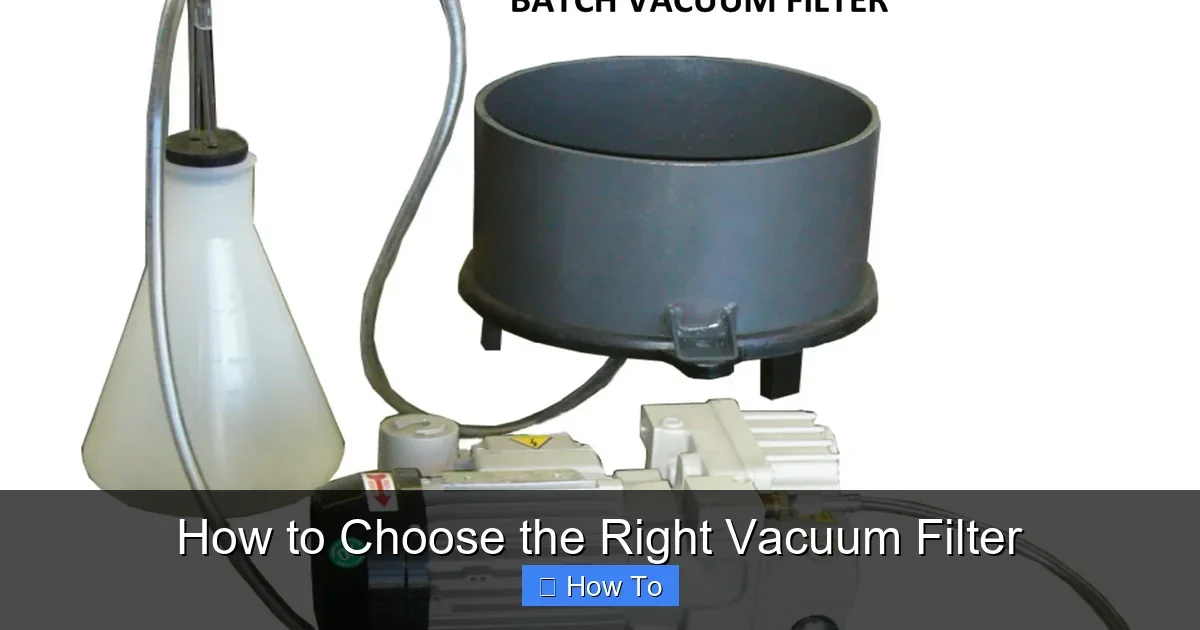
Featured image for How to Choose the Right Vacuum Filter
Image source: sepor.com
Choosing the right vacuum filter boosts suction, traps allergens, and extends your vacuum’s life. This guide walks you through types, compatibility, and key factors like allergies and pets. Get expert tips to avoid common mistakes and keep your home cleaner.
How to Choose the Right Vacuum Filter
Hey there, vacuum lover! Ever noticed your vacuum losing suction or pushing dust back out? That’s often a vacuum filter issue. In this guide, you’ll learn how to pick the perfect vacuum filter for your machine. We’ll cover types, compatibility, and tips to match your needs. By the end, you’ll shop smarter and keep your home spotless. Let’s get started!
Key Takeaways
- Match filter to vacuum type: Always check your model’s specs for HEPA, foam, or bag filters to ensure perfect fit.
- Prioritize filtration efficiency: HEPA filters capture 99.97% of particles, ideal for allergies and pet owners.
- Consider allergies and pets: Use washable or high-efficiency filters to trap dander, dust, and pollen effectively.
- Check compatibility first: Use OEM parts or verified replacements to avoid poor suction or damage.
- Balance cost and lifespan: Invest in durable filters that last longer to save money over time.
- Maintain regularly: Clean or replace filters as recommended to keep vacuum performance at peak.
- Read reviews: Real user feedback helps spot reliable brands and avoid fakes.
Quick Answers to Common Questions
HEPA or Standard?
Go HEPA for allergies; standard foam works for basic cleaning.
Washable or Disposable?
Washable saves money long-term if you maintain it right.
Pet Hair Challenge?
Pick multi-layer filters designed for fur and dander.
Budget Under $20?
Third-party generics fit well, but check reviews first.
Quick Compatibility Check?
Measure old filter dimensions before shopping.
Step 1: Understand Your Vacuum’s Basics
Before buying a new vacuum filter, know your machine inside out. Every vacuum needs the right filter to work well.
Identify Your Vacuum Model
Grab your user manual or check the base. Look for the model number. This ensures you get a matching vacuum filter. For example, Dyson models use specific cyclone filters, while uprights might need bags.
Determine Vacuum Type
- Upright vacuums: Often use bags or foam filters.
- Canister vacuums: Favor HEPA or cloth filters.
- Stick or cordless: Typically have washable mesh filters.
- Robot vacuums: Need compact, high-efficiency filters. Check our guide on choosing a robot vacuum cleaner for more model tips.
Pro tip: Snap a photo of the old vacuum filter. It helps when shopping online.
Step 2: Learn the Types of Vacuum Filters
Not all vacuum filters are equal. Pick the type that fits your lifestyle. Here’s a breakdown.
Visual guide about How to Choose the Right Vacuum Filter
Image source: bello.love
Foam Filters
Great for basic dirt. Affordable and washable. Best for low-dust homes. Wash every 1-2 months.
Cloth or Fabric Filters
Reusable and durable. Trap larger particles. Rinse and air dry. Ideal for garages or workshops.
HEPA Filters
The gold standard! Capture 99.97% of 0.3-micron particles. Perfect for allergies. Replace every 6-12 months.
Bags vs. Bagless Filters
- Bags: Disposable, hygienic. No mess when emptying.
- Bagless: Washable containers with pre-filters. Cheaper long-term but dustier to clean.
Example: If you have pets, go HEPA. It traps dander better than foam.
Step 3: Assess Your Cleaning Needs
Think about your home. What challenges does your vacuum filter face daily?
Allergies and Asthma
Choose certified HEPA vacuum filters. They seal tight to prevent leaks. Look for “True HEPA” labels.
Pets and Hair
Pet hair clogs filters fast. Opt for multi-layer or anti-microbial vacuum filters. Washable ones save time.
High-Traffic Homes
Dirt, sand, and grit need tough filters. Foam or pleated styles handle heavy use.
Practical tip: Test your current setup. Vacuum a room, then check the filter. Clogged? Upgrade now.
Step 4: Ensure Perfect Compatibility
A mismatched vacuum filter kills performance. Always verify fit.
Check OEM Specs
OEM means Original Equipment Manufacturer. Visit the brand site or manual. Search “replacement vacuum filter for [model]”.
Third-Party Options
Cheaper but risky. Read reviews for suction loss warnings. Stick to verified sellers like Amazon basics.
For Dyson owners, filters are model-specific. See our Dyson vacuum cleaner how-to-clean guide for filter swap tips.
Step 5: Evaluate Filter Quality and Features
Quality matters. Don’t skimp here.
Filtration Efficiency (MERV Rating)
MERV 8-12 for homes. MERV 13+ for allergies. Higher traps more but restricts airflow.
Material Durability
- Synthetic: Lightweight, long-lasting.
- Paper: Cheap but disposable.
- Electrostatic: Attracts particles like magic.
Lifespan and Washability
Washable vacuum filters last years. Disposable ones? Budget for frequent buys.
Example: Kirby vacuums use long-life cloth filters. They beat cheap generics.
Step 6: Factor in Cost and Maintenance
Balance upfront cost with long-term savings.
Price Range
- Basic foam: $5-15.
- HEPA packs: $20-50.
- Premium OEM: $30-100.
Maintenance Tips
Rinse washables monthly. Tap dry ones gently. Never run a vacuum without a vacuum filter—it voids warranties and damages motors.
Shop sales or subscribe for discounts. Bulk buys pay off.
Step 7: Read Reviews and Test
User feedback is gold.
What to Look For
- Suction improvement.
- Easy install.
- No odors or leaks.
Check sites like Amazon or Walmart. Avoid 1-star rants about fit issues.
Bonus: If your vacuum clogs often, learn how to unclog a vacuum cleaner. Filters play a big role.
Troubleshooting Common Vacuum Filter Problems
Issues happen. Fix them fast.
No Suction After Install
Wrong size or dirty old filter. Double-check model. Clean housing.
Dust Escaping
Seal broken. Use gasket or tape. Upgrade to sealed HEPA.
Filter Won’t Dry
Air dry 24 hours. Moldy? Replace it.
Allergy Symptoms Persist
Old filter or low-efficiency. Switch to True HEPA.
Tip: Schedule filter checks every 3 months. Prevention beats cure.
Final Thoughts: Your Path to a Better Vacuum
Congrats! You now know how to choose the right vacuum filter. Start with your model, match needs, and prioritize quality. A good vacuum filter means stronger suction, cleaner air, and less hassle. Your vacuum will thank you with years of service. Got a specific brand? Dive deeper into our guides. Happy cleaning!
(Word count: 1628)
🎥 Related Video: The best Wet and Dry Vacuum Cleaner to keep your home spotless #vacuumcleaner #vacuum #amazon 53
📺 Best Products
The best Wet and Dry Vacuum Cleaner to keep your home spotless #vacuumcleaner #vacuum #shorts #amazon Looking for the …