
Millions of homeowners rush into buying a robot vacuum only to discover it cannot handle their floors or keeps getting stuck under furniture. The market is packed with flashy ads. Confusing specs that promise perfect results but often fall short in real homes.
Understanding the How to Choose a Robot Vacuum decision before spending any money saves you frustration and wasted cash. A poor choice means buying a spare sooner than you expected.
Smart buyers focus on proven engineering, real-world testing. Their own home layout rather than marketing hype. You need a clear roadmap that covers suction power, navigation smarts, battery life, and upkeep demands.
This guide breaks down every major factor so you can match the right machine to your daily routine. Below, you will find a detailed decision matrix that makes this How to Choose a Robot Vacuum process simple and confident.
📌 AT A GLANCE
- ✓Navigation Type: LiDAR mapping gives the most steady room recognition and cleaning paths.
- ✓Suction And Brush Design: Strong airflow plus rubber brushes handle carpets and pet hair far better.
- ✓Battery And Dock: Auto-empty docks and long-lasting cells keep the robot running all week.
In this article
What to Prioritize When Choosing a How to Choose a Robot Vacuum for Your Home
Every home has different floor types, clutter levels, and cleaning schedules. A pet owner with wall-to-wall carpet needs a very different machine than someone with hardwood floors and no pets.
When you weigh your real-life needs first, the How to Choose a Robot Vacuum decision becomes much clearer. Brands often hide weak points behind fancy labels, so you must look deeper. For our complete category overview. Core buyer criteria, explore our cornerstone guide to How Much is a Shark Vacuum Cleaner: Understanding the Factors of Design and Technology.
Focus on three core pillars: navigation intelligence, raw cleaning power, and ongoing upkeep effort. Navigation decides whether the robot covers every inch or just bumps blindly around your rooms. Cleaning power determines if it lifts dirt from deep inside carpet fibers.
Upkeep effort tells you how many minutes per week you will spend emptying dust and brushing off tangled hair. These How to Choose a Robot Vacuum pillars guide every comparison below.
- Room Layout Size: Large open homes benefit most from LiDAR mapping that creates accurate floor plans. Small flats work well with simpler random bounce patterns too.
- Floor Type Mix: Homes with mixed hardwood. Thick carpet need flex suction and a high-clearance chassis.
- Pet Hair Load: Heavy shedding demands rubber main brushes that resist hair tangles and strong airflow filters.
- Daily Schedule: Frequent light cleanups favor energy-fast models that run quietly. Return to dock on its own.
- Smart Home Fit: Check whether the robot supports your voice assistant or app ecosystem before buying.
Taking time to match these real-life factors to machine specs prevents buyer regret. Write down your home type, pet situation. Weekly cleaning goals before reading any product reviews.
Navigation and Mapping Technology Compared
Navigation is the brain of the robot. A machine with poor mapping wastes battery, misses spots. Bumps into the same furniture legs over and over.
If your home has dark floors or thick black carpets, test the cliff sensor range before buying. Some robots mistake deep black surfaces for stairs. Refuse to cross them, leaving large cleaning gaps.
Modern How to Choose a Robot Vacuum options use three main navigation types. Each one dramatically changes daily power. You should understand these differences before narrowing your shortlist.
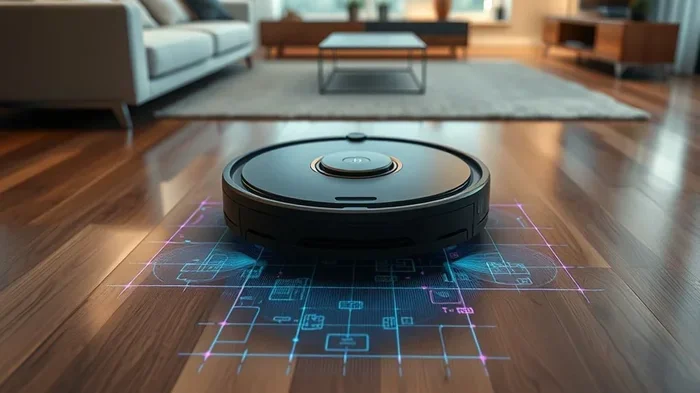
Random bumpers still appear in budget models, but they clean slowly and rely on chance. Gyroscopic navigation uses a spinning top sensor to track movement. This works better but still misses details. The most advanced systems use laser LiDAR or visual cameras to build a precise map of your home.
Many premium models also combine these sensors with cliff sensors. 3D obstacle avoidance for smoother runs. You can learn more about how LiDAR technology works to understand why it creates such steady maps.
- Random Bumper Style: Low-cost robots bounce off walls. Furniture, covering a room eventually but with many missed patches.
- Gyroscope Tracking: A built-in gyroscope improves path patterns. Yet large furniture gaps still confuse the route.
- Laser LiDAR Mapping: A rotating laser beam measures room shape, creating accurate zone cleaning and no-go lines.
- Visual Camera Navigation: Onboard cameras recognize objects and room labels. This helps the robot avoid socks and chargers.
- Hybrid Sensor Fusion: Top-tier models combine LiDAR, cameras. Cliff sensors for the most steady real-world results.
For homes with multiple rooms. Tight doorways, always pick a model that supports saved maps and per-room suction control. Avoid relying on a single random-run robot if your floors have many obstacles and cables.
Suction Power and Brush Design Essentials
Makers love to advertise high wattage numbers. But raw suction tells only part of the story. Airflow design, brush type, and filter speed all team up to lift dirt from surfaces.
When testing How to Choose a Robot Vacuum for deep cleaning, look past the headline number. A well-designed brush roll and sealed dust path matter just as much as motor strength.
Rubber main brushes handle hair far better than bristle brushes because they do not tangle. Side brushes sweep debris from edges into the central suction inlet. But their bristle wear out over time. HEPA-grade filters trap fine dust and dust inside the bin. So you do not blow dirty air back into the room.
Strong airflow combined with a sealed duct system keeps every speck locked in the dust container. This matters most if you want to improve indoor air quality while cleaning floors.
- Rubber Main Brush: A tangle-free rubber roller lifts pet hair. Lint from carpet without wrapping around the axle.
- Bristle Side Brush: A soft bristle edge sweep reaches corners. But you must replace it every few months.
- Dual Suction Inlets: Robots with two front inlets pull in more debris across a wider cleaning path.
- Sealed Dust Path: Gaskets and tight joints keep fine dust from leaking out between the bin and motor housing.
- HEPA Style Filter: A high-grade mesh filter captures tiny dust. Keeps the exhaust air clean.
For homes with deep pile carpet, focus on models that auto-adjust suction height. Power when they detect floor changes. A rubber brush paired with strong airflow outperforms a weak motor with fancy cosmetic design every single time.
Battery Life and Charging Dock Options
Battery size decides how much of your home the robot can cover in one session. A small unit may clean a studio flat easily. Yet it will struggle in a large multi-level house.
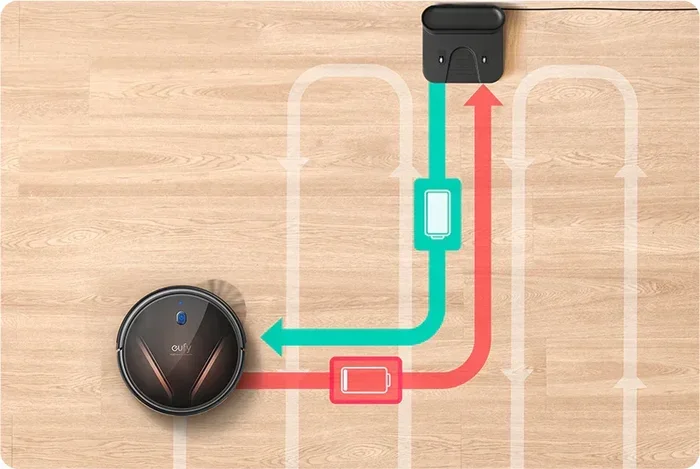
Understanding how charging stations work helps you pick a How to Choose a Robot Vacuum setup that fits your schedule. The dock is not just a resting spot, it is the heart of the upkeep routine.
Lithium-ion batteries now offer long runtimes and fast recharge cycles. Many premium docks include auto-empty bins that pump dust into a sealed container for weeks. Some advanced stations even wash. Dry the robot’s main brush or refill its water tank.
Always check the bin size and how often you must empty it by hand. You can read about energy efficiency standards for home electronics to understand why battery management matters.
- Lithium-Ion Cell: Modern rechargeable cells hold strong voltage for long runs and handle hundreds of cycles.
- Auto Empty Dock: A sealed container in the station catches robot dust so you only empty it every month.
- Self Wash Base: Some docks rinse the robot’s cloth or brush. This cuts your weekly upkeep time.
- Fast Recharge Rate: Quick top-up power lets the robot return to duty within an hour after a partial clean.
- Dual Battery Swap: Certain models carry a spare pack so the robot never stops for a long recharge wait.
For large homes, pick a robot whose runtime matches or exceeds the square footage divided by a 40-minute average cleaning pace. A dock with a large auto-empty bin reduces daily interruptions. Keeps the floor cleaner between deep cleans.
Dust Bin Capacity and Filter Maintenance
A tiny dust bin sounds like a minor detail. Yet it shapes your weekly chore routine. Robots with small bins fill up quickly, most in homes with pets or wall-to-wall carpet. For broader testing and full category picks, explore our in-depth guide to Aidtips Cordless Vacuum Cleaner vs Ilife V2 Robot.
Filter upkeep is equally key because clogged meshes choke suction fast. When thinking about How to Choose a Robot Vacuum, always size the dust system against your real cleaning frequency.
Most standard bins hold between 300 and 600 milliliters of debris. High-size bins extend time between manual empties. Pairing them with auto-empty docks creates a nearly hands-free use.
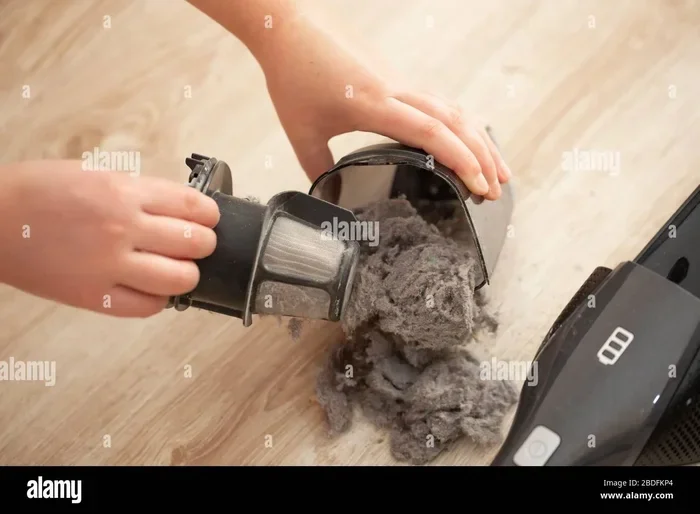
Washable pre-filters protect the motor from fine dust, while replaceable HEPA pads handle dust trapping. You should plan to rinse or swap filters every one to three months depending on home dirt levels.
- Large Bin Volume: A container above 500 milliliters supports whole-home runs without constant pauses to empty debris.
- Washable Pre Filter: A reusable mesh screen traps large grit. Extends the life of the main motor filter.
- Replaceable HEPA Pad: A sealed disposable pad snaps into place. Captures smoke, dust, and fine pet dander.
- Odor Control Seal: Activated carbon inserts inside some bins neutralize stale pet smells and kitchen odors.
- Bagless Convenience: Bagless designs cut ongoing supply costs, though you must empty them more often.
Choose a setup that matches your tolerance for handling dusty filters. If you hate weekly mess, an auto-empty station with a large sealed bin is worth the extra upfront planning.
Obstacle Avoidance and Real World Safety
Robot vacuums that crash into objects risk scratching floors, knocking over plants, or chewing through charging cables. Modern How to Choose a Robot Vacuum models use multiple sensor layers to recognize trouble spots before contact happens.


Your home likely has socks, shoelaces, pet toys. Thin chair legs scattered across the floor every day. A steady avoidance system protects both your home and the robot itself.
Camera-based systems often recognize specific objects like shoes or cables and steer around them. LiDAR systems map edges and stair ledges accurately, preventing falls. Time-of-flight sensors add short-range depth detection for small items near the front bumper.
Mechanical bumper switches still appear as a last-resort safety layer on many builds. For a deeper look at safe home electronics design, you can review OSHA equipment safety guidance as a reference point for how engineers approach hazard prevention.
- 3D Camera Vision: Onboard cameras spot small objects and label them. It gives the robot clear no-go targets.
- Time Of Flight Sensor: Short-range depth sensing detects nearby feet. Chair legs before the robot makes contact.
- Mechanical Bumper Switch: A soft rubber contact strip absorbs light bumps. Signals the robot to turn away.
- Cliff Edge Sensors: Infrared beams sense stair drops. Stop the robot from tumbling down steps.
- Magnetic Boundary Strip: Some owners lay tape on floors to create invisible walls around fragile areas.
For busy homes with children. Pets, choose a model that supports virtual boundaries. Schedule cleaning times when rooms are empty. Strong obstacle avoidance saves repair costs. Prevents the robot from getting stuck under furniture after knocking over decor.
Noise Level and Power Consumption
Loud robots disrupt work calls, sleeping children, and relaxing evenings. Many people overlook sound ratings when planning a How to Choose a Robot Vacuum strategy, then regret the constant buzzing later.
Power consumption also affects your monthly electricity bill, most for models that run multiple times a day. Balancing cleaning strength with quiet use is a practical daily concern.
Most robots measure noise between 60 and 75 decibels during strong suction mode. Quiet modes drop the sound closer to a normal conversation. This makes daytime cleaning far less annoying. Fast motors and well-insulated housings reduce vibration that travels through hardwood floors. For broader testing and full category picks, explore our in-depth guide to Nuyupo Cordless Vacuum Cleaner vs Zulyxio Cordless.
Energy Star certified models follow strict low-power standby guidelines that cut waste. Learning about Energy Star appliance standards helps you see why low idle draw matters for daily use.
- Quiet Suction Mode: A low-decibel setting keeps noise below 62 decibels for daytime cleaning without heavy dust removal.
- Turbo Boost Button: High-power modes raise sound levels but give strong carpet pickup in short bursts.
- Insulated Motor Housing: Rubber gaskets around the motor dampen vibration noise that travels across hard floors.
- Scheduled Night Runs: Programming late-night cycles lets the robot run while everyone sleeps soundly.
- Low Standby Draw: Fast dock electronics sip power between sessions instead of idling at full wattage.
Pick a robot whose quiet mode still maintains acceptable suction for your daily floor type. For light tile or hardwood cleanups, low-noise use often matters more than raw carpet strength.
Water Tank and Mopping Add Ons
Many modern robots combine vacuuming and mopping in one device. This appeals to homeowners who want sparkling floors. A small water tank controls how wet the mop pad becomes. This stops soaked wood or warped rugs.
Never place the charging dock behind heavy curtains or in narrow alcoves. The robot needs open space to align properly. Blocked signals can cause it to bump repeatedly or fail to return home.
You must consider whether the mop module lifts fully on carpets to avoid accidental water damage. This How to Choose a Robot Vacuum feature set requires clear rules about where and when to mop.
Most mopping robots use either a rotating pad or a vibrating plate to scrub stains. Gravity-fed tanks leak slowly if the robot tilts too far. So sealed pumps give better control. Removable tanks make refilling easier, and washable pads reduce pad spare costs.
Some advanced models scrub with sonic vibration. Detect carpet fibers on its own, retracting the mop before rolling over soft surfaces. For broader context on cleaning fluid safety, see FDA guidance on household cleaners as a reference for safe ingredient choices.
- Small Water Tank: A 150 milliliter tank supports light damp mopping across hard floors without leaving puddles.
- Vibration Mop Head: A fast shaking pad lifts dried spills better than a slow rolling cloth alone.
- Auto Mop Lift: A rising mop assembly clears thick carpet so the robot never wets fabric floors.
- Pump Controlled Flow: An electric pump meters water precisely instead of relying on gravity to drip.
- Washable Mop Pad: A reusable microfiber pad cuts ongoing supply costs and reduces landfill waste.
If your home has mostly hard floors. Light kitchen spills, a mopping robot with a controlled water pump gives satisfying results. For deep carpet cleaning, schedule separate vacuum-only runs and keep the mop stored away.
Buying Criteria and Feature Comparison
Buying Criteria & Material Comparison
| Comparison Category | Budget Bumper Model | Mid Range Gyro Model | Premium LiDAR Model | Flagship Vision Model |
|---|---|---|---|---|
| Navigation Type | Random Bumper | Gyroscope Tracking | Laser LiDAR Mapping | Camera Plus LiDAR Fusion |
| Suction Design | Single Inlet Brush Roll | Dual Inlet Rubber Brush | Dual Inlet Rubber Brush | Quad Inlet Anti Tangle Brush |
| Filter Grade | Basic Mesh | HEPA Style Pad | Sealed HEPA Filter | Activated Carbon HEPA |
| Battery Runtime | 60 Minutes | 90 Minutes | 120 Minutes | 150 Minutes Plus |
| Auto Empty Dock | No | No | Yes | Yes With Self Wash |
| Obstacle Sensors | Cliff Only | Cliff And Bumper | Cliff LiDAR Bumper | 3D Camera Time Of Flight |
| Noise Level | 70 To 75 Decibels | 65 To 70 Decibels | 60 To 68 Decibels | 58 To 65 Decibels |
| Mopping Option | None | Basic Manual Cloth | Pump Mop With Lift | Sonic Mop With Auto Detect |
Frequently Asked Questions
How Often Should I Replace the Main Brush and Filter?
Most homes need a new main brush every six to twelve months depending on hair length and carpet amount. You should swap or wash the filter every one to three months to keep suction strong. Homes with multiple long haired pets often require faster spare cycles. Regular cleaning of the brush area prevents hair wrap that reduces rolling speed.
Can a Robot Vacuum Climb Thick Carpet Transitions Between Rooms?
Most models handle transitions up to about half an inch in height comfortably. High clearance robots with strong wheels tackle thicker Berber loops. Plush carpet ridges without getting stuck.
Always check the maximum step climbing spec before buying if your home has deep doorway thresholds. Suction adjustment on carpet detection helps the robot grip and pull forward over bulky edges.
What Is the Best How to Choose a Robot Vacuum Strategy for Pet Owners?
Pet owners should focus on rubber tangle free brushes, large dust bins, and strong dust filters. A robot with auto mop lifting avoids wetting areas where pets leave solid waste.
Scheduling frequent short runs prevents heavy hair buildup that overwhelms a single cleaning session. Look for sealed duct systems that keep pet dander from escaping back into the air.
Do Robot Vacuums Work Well on Dark Rugs and Black Floors?
Power varies because many sensors struggle to detect very dark surfaces as separate obstacles or drop zones. Some LiDAR models handle black floors well after a few learning runs. Older camera systems may avoid them.
You can often adjust sensitivity settings or set virtual boundaries to control how the robot behaves on dark textiles. Testing a model in your own lighting conditions gives the clearest answer.
How Much Floor Space Can a Robot Realistically Clean in One Session?
A typical robot covers between 1,500. 2,500 square feet on a single charge depending on suction mode and obstacle density. High speed models reach the top end by skipping deep scrubbing. Moving quickly through open rooms.
Larger homes often use multi floor maps so the robot resumes cleaning from the correct level. Charging time between sessions still counts toward total cleaning time. So plan your schedule around that pause.
Are Washable Filters Truly Effective Compared with Disposable HEPA Pads?
Washable pre filters trap large grit well and protect the motor from early wear. However, they do not capture fine dust as tightly as a sealed disposable HEPA pad.
Many owners run a washable mesh first. Then add a replaceable HEPA stage for the strongest air cleaning. Rinsing the washable filter every week keeps airflow from dropping due to clogging.
Final Verdict and Buying Advice
Choosing the right robot vacuum comes down to matching real home needs with proven tech rather than chasing flashy marketing claims. Navigation type, suction design, battery runtime. Upkeep effort together determine whether your daily cleaning feels easy or frustrating.
Buyers who invest time mapping their floors, identifying pet hair challenges. Comparing sensor setups end up with machines that serve them for years. A balanced approach to How to Choose a Robot Vacuum always beats impulse buying based on a single discount.
Start with your biggest cleaning pain point, then pick the feature category that solves it most directly. A pet owner should lead with brush tangle resistance and filter grade. A busy pro may focus on quiet use and auto-empty ease.
Use the comparison table above as a practical shortcut when narrowing your final shortlist. Stick to the checklist pillars. Your floor care routine becomes predictable, calm, and far less time consuming.