
Many people struggle with putting a vacuum cleaner together correctly. A wrong connection can leak dust, lose suction, or even damage the motor. Learning How to Assemble a Vacuum Cleaner properly saves you from these frustrating problems right away. A clean setup also protects your floors and extends the life of your machine.
This guide walks you through every step with clear and simple language. You will learn what parts you need and how they fit together. We also share practical tips that make the whole process fast and safe. By the end, you will handle How to Assemble a Vacuum Cleaner like a confident pro.
📌 AT A GLANCE
- ✓Correct Assembly Order: Following the right sequence prevents loose parts and restores full suction power right away.
- ✓Part Recognition Skills: Knowing each part name eliminates guesswork and reduces the risk of forceful misalignment.
- ✓Seal Integrity Check: A secure gasket and hose connection prevents air leaks that weaken cleaning power greatly.
- ✓Safety First Approach: Unplugging the machine and working on a flat surface protects you from electrical and physical hazards.
In this article
Why How to Assemble a Vacuum Cleaner Matters for Every User
Getting the assembly right from the start protects your investment and your floors. A loose hose or misaligned wand cuts suction power fast. So dust stays on your carpets instead of being removed. Proper setup also reduces strain on the motor. This helps your vacuum last many years longer.
Gather required tools and clear your work area before starting.
Confirm baseline specs and maker guidelines first.
Complete each stage in order without skipping safety checks.
Run a quick test pass and wipe down key parts after use.
Many people skip the manual and guess how pieces connect. But that often leads to frustrating rework. Understanding How to Assemble a Vacuum Cleaner step by step removes that guesswork completely. You also avoid warranty issues that arise from damage caused by incorrect part fitting. For our complete category overview. Core buyer criteria, explore our cornerstone guide to How Much is a Shark Vacuum Cleaner: Understanding the Factors of Design and Technology.
- Motor Longevity:** A correctly assembled vacuum reduces airflow resistance and prevents the motor from overheating during long cleaning sessions.
- Floor Protection:** Secure brush rolls and no loose parts prevent scratches on hardwood and delicate tile surfaces.
- Suction Efficiency:** Proper hose and wand alignment keeps airflow strong and consistent across every cleaning pass.
- Warranty Safety:** Following the manufacturer assembly guide protects your warranty claim if a part fails early.
- Time Savings:** A quick and correct setup means you spend less time troubleshooting and more time cleaning.
Essential Tools and Parts You Need Before Starting
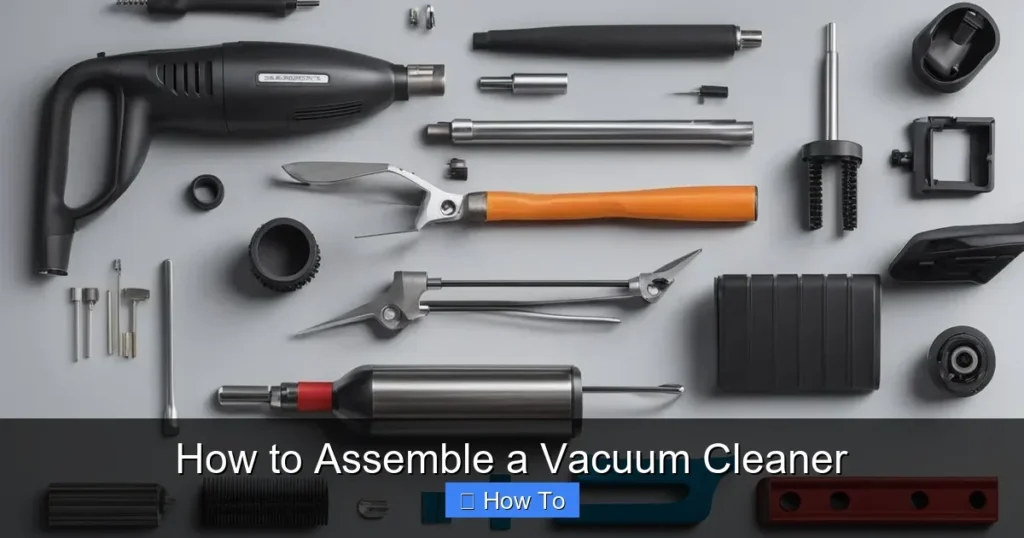
Before you touch a single screw or latch, gather everything you need. Laying out all parts in advance prevents mid-assembly panic when a piece goes missing. This preparation stage is the foundation of a smooth use. Keeps you focused on the task.
Always align the dust bag or bin before inserting the motor housing. This happens because a shifted bag blocks airflow and creates loud internal rattling during use.
Most upright and canister vacuums share a common set of core parts, even if the specific shapes differ slightly. Checking each piece against your manual ensures you recognize what belongs where. This careful approach to How to Assemble a Vacuum Cleaner saves real time and frustration later.
- Main Motor Housing: This is the central body that contains the motor, dust bag or bin. All internal airflow pathways.
- Hose and Wand: The flexible hose connects the motor to the rigid wand that directs airflow to the floor tool.
- Floor Nozzle: The wide cleaning head that touches the floor. Agitates carpet fibers or sweeps hard floors.
- Attachments and Brushes: Crevice tools, dusting brushes. Fabric tools extend the vacuum beyond basic floor cleaning.
- Fastening Clips and Screws: These small but vital parts lock sections together and prevent connections from popping apart during use.
Step-By-Step: How to Assemble a Vacuum Cleaner Correctly
Now we move to the core process that every user needs to master. Each step below builds on the previous one, so follow them in exact order. This methodical approach to How to Assemble a Vacuum Cleaner guarantees a tight, leak-free, and ready-to-use machine.
Take your time on the first run-through. This happens because muscle memory will make future setups much faster. If a part resists fitting, never force it, as that usually means it faces the wrong angle. Listen for satisfying clicks and locks that confirm each connection is secure.
- Unbox and Inventory: Remove all parts from packaging, check them against the manual list. Confirm zero damage before starting.
- Insert Dust Bag or Bin: Open the main housing, place the bag or bin securely inside. Close the latch so it holds firmly in place.
- Attach Motor Base: Connect the motor housing to the wheeled base using the alignment grooves. Secure all locking tabs with a firm push.
- Connect Hose to Body: Slide the hose onto the outlet port until the locking ring clicks. This ensures the gasket sits flat without twisting.
- Mount Wand and Tools: Attach the extension wand to the hose end and click your chosen floor tool or tool onto the wand tip.
- Final Tightness Check: Walk around the entire assembly, tug each connection gently. Confirm every latch, clip, and screw is fully tight.
How to Assemble a Vacuum Cleaner for Different Vacuum Types
Not every vacuum assembles the same way, so recognizing your machine type matters greatly. Upright models often combine the motor and floor head into one large unit. Canister vacuums separate these parts with a long hose. Robot vacuums need no manual assembly at all. But stick and cylinder models each have their own unique connection patterns.
Understanding these differences helps you adapt the general How to Assemble a Vacuum Cleaner process to your specific model. Always defer to your particular manual for unique latches or twist-lock mechanisms. Below we break down the most common types so you can identify yours quickly.


- Upright Assembly: These units usually require attaching the handle, securing the dust cup. Aligning the brush plate before a simple click locks everything together.
- Canister Setup: You connect the hose to the canister body, then attach the wand. Floor tool, often using a twist-lock that requires a quarter turn to seal.
- Stick Vacuum Build: These light units snap the motor wand to the dust bin. Extend with a telescoping handle that locks in multiple height positions.
- Cylinder Vacuum Connection: A metal telescopic tube slides into the motor housing. Locks with a spring-loaded button that you release by pressing a side control.
Checking Seals and Connections for Peak Suction Power
A strong assembly means nothing if hidden air leaks rob your vacuum of suction. Even a tiny gap in a hose joint or a misaligned gasket creates drag that weakens pulling power dramatically. Spending a few extra minutes on seal verification makes a massive difference in real-world cleaning results.
After you finish building the unit, run a quick air-flow test before you start cleaning. Hold your hand near each joint. Feel for escaping air, or listen for unusual whistling sounds. This careful habit ensures your understanding of How to Assemble a Vacuum Cleaner translates into genuine power gains.
- Gasket Inspection: Check the rubber gasket inside each hose port for cracks, dust buildup, or warping that would break the airtight seal.
- Hose Flexibility Test: Bend the hose gently at each connection point. Watch for air bubbles or movement that reveals a loose fit.
- Wand Tightness Tap: Lightly tap each wand section where they join. A hollow rattling sound often means the internal locking clip has not engaged.
- Power Switch Run: Turn the vacuum on briefly with no tool and feel the exhaust strength. Weak exhaust signals an internal air leak somewhere.
- Floor Tool Seal: Flip the floor nozzle. Check that the brush plate sits flat. The bottom seal strip is intact and not torn.
Common Assembly Mistakes and How to Avoid Them
Even careful users make predictable mistakes during setup. But knowing them in advance helps you stay alert. These errors usually come from rushing, ignoring the manual, or assuming all vacuums work identically. Avoiding these traps keeps your assembly smooth and your machine running at its best. For broader testing and full category picks, explore our in-depth guide to Nuyupo Cordless Vacuum Cleaner vs Eureka Upright Vacuum.
Pay special attention to the direction of arrows. Text printed on plastic parts, as they guide the correct orientation. Many people flip a latch or insert a hose backward simply.
This happens because they did not notice a small molded arrow. Mastering these details is what separates a frustrating first attempt from a confident How to Assemble a Vacuum Cleaner use every single time.
- Reversed Hose Connection: The hose often has an inlet and outlet marking. Reversing them blocks proper airflow and strains the motor.
- Missed Locking Tabs: Plastic latches have multiple tabs that must all click at once. So pushing only one side leaves the housing loose and rattling.
- Over-tightened Screws: Screwing fasteners too hard strips plastic threads and cracks housings. So snug plus a quarter turn is always the safe rule.
- Skipped Dust Bag Placement: Forgetting to insert the bag or bin means the motor pushes dust straight out into the room air instead of trapping it.
- Ignoring Weight Balance: Assembling a top-heavy canister or upright causes tipping during use. So always check the center of gravity after assembly.
Maintenance Tips After Assembly to Keep Performance Strong
Assembly is not a one-time task. This happens because regular upkeep preserves the tight connections you just built. A vacuum that falls apart gradually during use usually has loose parts that were not checked after the initial setup. Steady upkeep also catches small issues before they become expensive repair bills.
Set a simple schedule so you never forget these vital checks. Linking upkeep to a recurring calendar event works surprisingly well for most homes. This ongoing discipline makes your How to Assemble a Vacuum Cleaner knowledge stay relevant. Strong for years and years.
- Monthly Hose Check: Pull the hose off its connection points once a month, inspect the gaskets. Wipe away dust that weakens grip over time.
- Brush Roll Cleaning: Remove tangled hair. Fibers from the brush roll every two weeks to prevent the motor from working harder under heavy load.
- Filter Replacement: Replace washable or disposable filters according to the manual schedule, usually every three to six months depending on use frequency.
- Bolt and Clip Tightening: Use a small screwdriver to tighten any visible exterior screws and snap-lock clips that may have loosened from regular vibration.
- Full Reassembly Test: After deep cleaning parts, rebuild the vacuum completely. Run a short suction test to confirm everything still holds tight.
Best Practices for Safe and Efficient Vacuum Assembly
Safe assembly protects you from injury and prevents accidental damage to delicate parts. Working in a clear space with good lighting eliminates trips and misplacement of small parts. These best practices apply whether you assemble a brand new vacuum or reassemble it after a deep cleaning session.
Never operate a vacuum with a damaged gasket or cracked hose. This happens because the motor pulls in unfiltered air that can carry moisture. Debris directly into the motor compartment.
Always handle plastic and metal parts gently. This happens because a single forceful push can crack a housing or bend a wand. For broader testing and full category picks, explore our in-depth guide to Nuyupo Cordless Vacuum Cleaner vs Zulyxio Cordless.
Good habits formed during setup carry over into safer daily use too. Following these principles makes How to Assemble a Vacuum Cleaner a stress-free routine rather than a dreaded chore every time you reconfigure your machine.
- Flat Surface Work: Always assemble on a flat, stable table or floor to prevent parts from rolling. Reduce the chance of dropping heavy parts.
- Unplug Before Touching: Disconnect the vacuum from the power outlet before any assembly to eliminate any risk of accidental motor startup or electrical shock.
- Keep Children Away: Small clips, screws. Wand pieces pose choking hazards. So set up in an area where children and pets cannot reach them.
- Use the Right Tools: Only use the fasteners and clips provided by the maker. This happens because aftermarket parts often have slightly different dimensions and locking mechanisms.
- Read the Manual First: Spend five minutes reading the diagram section of your manual before touching a single part to build a mental map of the whole process.
Summary Table: Vacuum Types and Assembly Time Compared
Summary Table: Vacuum Types and Assembly Time Compared
| Vacuum Type | Typical Assembly Time | Number of Main Parts | Common Connection Type | Recommended Tool |
|---|---|---|---|---|
| Upright | 3 to 5 minutes | 4 to 6 parts | Latch and clip | No tools needed |
| Canister | 5 to 8 minutes | 5 to 7 parts | Twist-lock hose | Optional screwdriver |
| Stick | 2 to 4 minutes | 3 to 5 parts | Snap-fit handle | No tools needed |
| Cylinder | 4 to 6 minutes | 4 to 6 parts | Telescopic button | No tools needed |
| Robot | 0 minutes | Pre-assembled | Dock only | No assembly required |
Frequently Asked Questions About Vacuum Assembly
Why Does My Vacuum Smell After I Assemble It for the First Time?
A new vacuum often smells because the motor oil or plastic parts heat up during the first run. This mild scent usually fades after one or two uses once internal parts settle. If the smell burns strongly, turn it off right away. Check that the dust bag or bin is seated correctly because blocked airflow causes overheating.
Can I Assemble My Vacuum on a Carpeted Floor Instead of a Hard Surface?
You can, but hard surfaces are safer. This happens because small clips and screws do not sink into carpet fibers. Carpet also makes it harder to see dropped parts. This leads to lost fasteners and incomplete assembly. A hard floor gives you clear view and a stable base for the entire process.
What Should I Do If a Plastic Latch Will Not Click Into Place?
Do not force the latch because that almost always means a tab is misaligned or a part faces the wrong direction. Remove the connected piece, rotate it slightly, and try again while watching for alignment grooves. If it still refuses to click, consult your manual diagram or contact the maker support before continuing.
How Often Should I Fully Disassemble and Reassemble My Vacuum?
Most homes only need a full reassembly after a deep cleaning or filter spare once or twice a year. Frequent taking apart risks wearing out plastic clips and loosening connections over time. A light monthly check of connections without full teardown keeps everything secure without extra wear.
Is It Safe to Use a Vacuum Immediately After Assembly?
Yes, provided you completed the final tightness check and confirmed all seals are snug. A short five-minute test run on a low-pile carpet helps you listen for rattles or unusual whistling before a full cleaning session. This quick verification step ensures your assembly work delivered the intended power.
Where Can I Find Replacement Parts If Something Breaks During Assembly?
Most makers list spare parts on their official websites or through authorized dealer networks. You can also search for your specific model number on trusted home appliance parts retailers to find the correct gasket, hose, or latch. Always match the part number exactly because even similar-looking pieces may differ internally.
Final Thoughts and Next Steps
Mastering How to Assemble a Vacuum Cleaner gives you real control over your cleaning power and machine lifespan. You now know the key parts, the step-by-step process. The common mistakes that trip up new users. This knowledge turns a confusing task into a quick. Confident routine that takes only minutes of your time.
Remember to gather your parts, follow the logical sequence, check every seal. Avoid rushing the setup. Regular upkeep keeps your carefully assembled connections tight. Your suction strong for years to come. Share these tips with family members so everyone in your home handles the vacuum correctly and safely.
Put this guide into action the next time you unpack, clean, or reassemble your machine. You will notice stronger suction, quieter use, and fewer unexpected problems right away. A well-assembled vacuum truly makes every cleaning session faster, easier. Far more strong for your entire home.