
Most people do not think about their car interior until crumbs, dust. Pet hair take over the dashboard and seats. A messy car can affect your focus, your comfort, and even your health. That is why many drivers ask How Much Is a Car Vacuum Cleaner before making a buy.
The real answer depends on power, size, and the type of cleaning you actually need. Getting the right tool saves you time, protects your fabric. Keeps your resale value strong.
In this guide, you will learn what drives the price of a car vacuum cleaner. You will see how to pick the best model for your budget and your car type. We will break down features, compare costs. Show you how to maintain your choice over time.
By the end, you will feel confident about your spending decision. You will also know exactly what to look for before you click buy.
📌 AT A GLANCE
- ✓Price Range Insight: Handheld models often cost under fifty dollars, while full-size shop units can exceed three hundred dollars.
- ✓Power Source Choice: Corded vacuums offer steady suction, while cordless models trade some power for real freedom.
- ✓Maintenance Reality: Regular filter cleaning and brush spare keep any vacuum performing at its best for years.
- ✓Value Strategy: Matching the vacuum type to your car size and cleaning habits prevents overspending on features you never use.
In this article
Why How Much Is a Car Vacuum Cleaner Matters for Your Drive
Your car interior is constantly collecting dirt from shoes, clothing, food, and outdoor air. Over time, this buildup can stain fabric, crack leather, and create unpleasant smells. A dedicated car vacuum removes debris before it settles deep into the fibers.
That is why How Much Is a Car Vacuum Cleaner is a smart question to ask early. Spending a fair amount now often prevents costly interior repairs later. For our complete category overview. Core buyer criteria, explore our cornerstone guide to How Much is a Shark Vacuum Cleaner: Understanding the Factors of Design and Technology.
Gather required tools and clear your work area before starting.
Confirm baseline specs and maker guidelines first.
Complete each stage in order without skipping safety checks.
Run a quick test pass and wipe down key parts after use.
Price also reflects the ease and speed you get during each cleaning session. A weak handheld vac may leave behind fine dust. Tiny crumbs that a stronger unit grabs easily. Choosing the right tier means you clean more often and with less effort. The sections below show you how different price levels match different needs.
- Interior Protection: Regular vacuuming lifts abrasive grit that slowly wears down seat fabrics and carpet textures.
- Health Impact: Trapped dust mites and pollen get disturbed while driving. So strong suction helps reduce allergy triggers.
- Resale Value: Clean interiors signal care. Buyers often accept higher offers when the cabin looks spotless.
- Cleaning Speed: A strong, well-designed vac lets you finish the job in minutes instead of multiple short passes.
- Cost Efficiency: A mid-range model often balances price. Power better than the cheapest or most expensive options.
How Much Is a Car Vacuum Cleaner Across Price Tiers
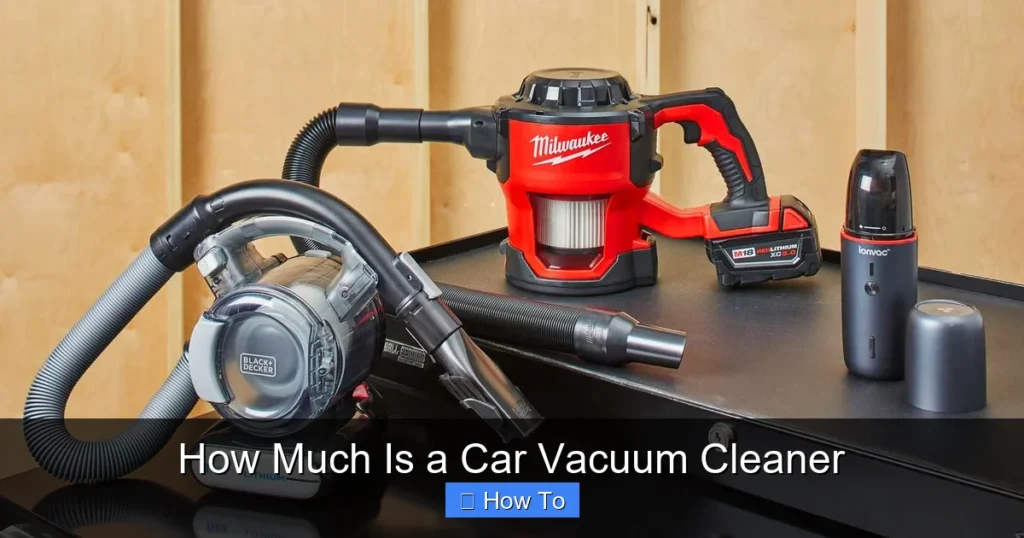
Car vacuum cleaners sit in several clear price groups. Each group targets a different driver. Basic handheld vacuums often start near twenty dollars and work well for quick pickups.
If you mostly clean up crumbs. Small debris, a mid-range cordless model often gives the best balance of power and price. Avoid the absolute cheapest options if you have pets. That is because weak suction leaves hair behind and frustrates daily use.
Mid-range cordless models usually range from fifty to one hundred dollars. Add suction power and battery life. Full-size shop-style or central vacuum systems can run from one hundred to over three hundred dollars for heavy-duty use.
Price differences also reflect build quality, motor strength, filtering, and included tools. A cheap model may struggle with wet spills or deep carpet fibers. A stronger unit handles both easily.
Before you shop, it helps to decide whether you need a quick cleanup tool or a complete interior detail station. You can also check trusted review sites that compare How Much Is a Car Vacuum Cleaner options across brands.
- Budget Handhelds: These small units often cost twenty to forty dollars. Suit light debris and quick spot cleaning.
- Mid-Range Cordless: At fifty to one hundred dollars, these models usually give stronger airflow and longer run time.
- Heavy Shop Units: Prices from one hundred to three hundred dollars cover large dust tanks, high suction, and durable frames.
- Central Install Systems: Fixed in-car systems can exceed three hundred dollars once you include the mounting and hose kit.
- Accessory Add Ons: Extra nozzles, filters. Carrying cases often add ten to thirty dollars to the total cost.
- Brand Premium: Well-known brands sometimes charge more for warranty support, proven strength, and customer service.
Key Features That Shape Car Vacuum Cleaner Prices
Several core features explain why one vacuum costs more than another. Suction power usually comes from motor strength. Airflow design, measured in pascals or air watts.
Battery size matters for cordless units. That is because larger batteries add weight and cost but extend runtime. Filter quality also affects price. That is because high speed filters trap smaller particles and protect your lungs.
Tool variety and build materials also push the final number on the price tag. crevice tools, brush nozzles, and extension hoses make it easier to reach tight seats and floor gaps. Durable plastics and metal parts resist drops and wear over years of use. Understanding these parts helps you pay for value instead of paying for extras you will never touch.
- Motor Strength: Higher wattage or Pascal ratings usually mean faster pickup of sand, hair, and crushed debris.
- Battery Size: Cordless tanks with larger cells run longer but add weight and raise the unit cost.
- Filter Grade: HEPA style filters capture fine dust. So models using them often cost more upfront.
- Tank Volume: A bigger dust cup means fewer emptying stops. This benefits larger vehicles and heavy cleaning.
- Noise Level: Quieter machines use better insulation and fan design. This often increases the price slightly.
- Build Material: Reinforced housings and metal joints survive garage bumps better than thin plastic shells.
Matching Your Car Size to the Right Vacuum Type
Small compact cars and sedans need less power than large SUVs, trucks, or minivans. In a small vehicle, a handheld vacuum often reaches seats, floors. Trunks without taking up much space.
Large vehicles with deep carpet. Third row seating benefit from bigger dust tanks and stronger airflow. Picking the wrong size leads to constant emptying or poor reach into corners.
Cargo space and storage habits also influence your choice. Some drivers prefer a light unit they can toss behind a seat. Others keep a larger shop vac in the garage. Bring it out for deep cleans.
Your typical cleaning schedule matters too. That is because frequent quick picks favor cordless ease. Monthly deep cleans suit corded power. Matching the tool to your car. Routine keeps spending focused on what you truly need.
- Compact Cars: Small handheld vacuums often fit perfectly. Handle light debris without overwhelming your back seat area.
- Sedans: Mid sized cordless vacuums strike a good balance between power, reach. Easy storage in the trunk.
- SUVs: Larger dust tanks and crevice tools help reach wide floors, seat gaps. Deep cargo carpet areas.
- Minivans: Heavy duty shop style vacuums shine here. This happens because they handle frequent family spills and crumbs well.
- Trucks: Tough builds and strong suction matter when you haul gear, food, and outdoor dirt regularly.
- Garage Access: If you keep a garage, a corded shop vac can give strong cleaning at a lower price point.
Step by Step Guide to Buying a Car Vacuum Cleaner
A clear buying process prevents impulse purchases and buyer regret. Start by deciding how often you will clean and how dirty your car usually gets. Then set a realistic budget that matches your actual needs rather than the most expensive option on the shelf. Testing or reading about comfort, weight, and ease of emptying also improves your final choice. For complementary picks and expert testing advice, see our guide on How Much for a Vacuum Cleaner.
You should also confirm charging or power needs before you commit. Cordless models need a charging plan. Corded tools depend on a nearby outlet or extension cord.
Reading at least a few trusted reviews gives you real world data on strength and suction over time. This step by step approach keeps your spending aligned with daily comfort and long term value.
- Define Your Need: List the mess types you face, such as crumbs, sand, pet hair, or wet spills.
- Set Your Budget: Choose a range based on feature priorities, not just the lowest number you can find.
- Compare Models: Check at least three brands for suction, battery life, noise, and included tools.
- Test Weight: Hold or lift the unit you plan to buy. That is because heavy vacuums get tiring during long sessions.
- Check Emptying: Look for easy dust cup release. Filter access so cleanup stays simple over months.
- Review Warranty: A solid warranty often signals confidence in build quality. Protects your buy from defects.
Common Mistakes That Inflate Car Vacuum Costs
Many buyers pay extra because they chase features they rarely use. Some choose the most strong motor on paper, even when their car interior only needs light debris removal.



Others ignore filter spare costs, which add up quietly over the lifespan of the device. Impulse buying during sales events also leads to units that do not fit your car or your hand comfortably.
Another common mistake is skipping accessory planning. A vacuum without a proper brush nozzle may scratch leather or push debris deeper into seams. Wet dry skill matters if you often deal with spills. Yet some buyers overlook this function entirely. Avoiding these pitfalls keeps your total cost fair and your cleaning results strong.
- Overbuying Power: A super strong motor wastes money if your main issue is light dust and occasional crumbs.
- Ignoring Filters: Cheap filters clog fast, so spare packs become a hidden ongoing cost.
- Skipping Trials: Never handling a unit before buying can lead to poor comfort and regret.
- Sale Temptation: Deep discounts sometimes push buyers toward unneeded bulk or flashy add ons.
- Accessory Gaps: Missing crevice tools or brush heads force you to buy extras later at full price.
- Storage Blind Spot: Choosing a large unit without a storage spot creates clutter and eventual damage.
Maintenance Tips That Protect Your Car Vacuum Investment
Regular care keeps your vacuum performing like new and avoids early spare costs. Empty the dust cup or bag before it reaches full size. That is because overfilling strains the motor and reduces suction.
Wash or replace filters on schedule, most if you clean up fine dust, sand, or pet hair often. These simple habits protect your investment and keep How Much Is a>. Car Vacuum Cleaner decisions feeling worthwhile.
You should also inspect brushes, hoses, and connections for wear and tear. Hair and fibers wrap around brush rolls and slow them down if you ignore them. Storing the unit in a dry, stable spot prevents corrosion. Keeps plastic parts from cracking. A little upkeep now saves you from buying another vacuum too soon.
- Empty Regularly: Removing debris after each use prevents clogs. Keeps suction strong for the next session.
- Clean Filters: Rinse or swap filters as directed so airflow stays smooth. Fine dust does not escape.
- Brush Care: Cut tangled hair from brush rolls monthly to avoid strain and noisy use.
- Hose Check: Clear blockages in tubes and tools so dirt travels freely through the system.
- Dry Storage: Keeping the unit dry prevents mold growth, rust. Unpleasant smells inside the tank.
- Battery Health: For cordless models, avoid full empty cycles before charging to extend long term battery life.
Summary Table: Car Vacuum Types Compared
### Summary Table: Car Vacuum Cleaner Types Compared
| Type | Typical Price Range | Best For | Power Source | Pros | Cons |
|---|---|---|---|---|---|
| Budget Handheld | $20–$40 | Light debris, quick cleanups | Rechargeable or AA | Compact, cheap, easy to store | Weak suction, small tank |
| Mid Range Cordless | $50–$100 | Daily maintenance, pet hair | Rechargeable lithium | Strong suction, portable | Heavier, needs charging |
| Corded Handheld | $30–$70 | Deep cleans in garage | Plug in wall outlet | Constant power, low price | Cord limits movement |
| Shop Style Wet Dry | $100–$300 | Large vehicles, heavy mess | Plug in or battery | Big tank, handles wet spills | Bulky, louder operation |
| Central In Car System | $200+ | Fleet cars, frequent detailers | Hardwired vehicle power | Permanent, powerful | Expensive install, fixed setup |
Best Practices for Everyday Car Vacuum Use
Simple habits make each cleaning session faster and more strong. Start by parking on a flat surface. Opening all doors so dust can escape rather than recirculate. Remove large items by hand first, then vacuum the remaining fine particles and crumbs. Working from top to bottom helps. This happens because loose dust falls onto lower surfaces for a final pass. For complementary picks and expert testing advice, see our guide on How Much Does a Robot Vacuum Cleaner Cost.
Be careful with advertised suction numbers, because some brands measure in ideal lab conditions. Always check independent reviews that test real world pickup on car carpet. Fabric seats for a fair picture of power.
You should also match the nozzle to the surface you clean. A soft brush head works well on fabric seats. A crevice tool targets seams and tight gaps.
Avoid pulling the nozzle across leather too aggressively. That is because even gentle vacuums can scratch if the nozzle digs in. These small practices protect your interior. Extend the life of both your car and your vacuum.
- Plan Your Session: Set aside ten to fifteen minutes for a full interior clean instead of rushed spot checks.
- Pre Sort Debris: Pick out large wrappers. Toys first so the vacuum handles only small dust and crumbs.
- Top Down Cleaning: Vacuum dashboards. Seats before floor mats so falling dirt gets captured last.
- Right Nozzle Choice: Use brush heads on fabric. Crevice tools on seams for better pickup and safety.
- Gentle Technique: Keep the nozzle flat and moving to avoid scratching leather or pulling fabric.
- Regular Schedule: Cleaning weekly or biweekly prevents heavy buildup and makes each pass quicker.
Frequently Asked Questions
How Much Is a Car Vacuum Cleaner at Discount Stores?
Discount stores often sell basic handheld car vacuums for twenty to forty dollars. These units work well for light cleaning. But they usually lack strong suction and long battery life.
You may find mid range cordless models on sale for fifty to eighty dollars during promotions. Always check return policies, because discounted electronics sometimes have shorter warranty coverage.
Does a More Expensive Car Vacuum Always Clean Better?
Not necessarily, because price reflects brand reputation, build quality,. Extra features as much as cleaning power. A fifty dollar vacuum with a strong motor. Good tools can outperform a two hundred dollar unit with weak airflow and poor comfort.
Reading real world tests helps you separate price from actual power. Focus on suction data, ease of use, and noise level rather than the sticker alone.
Can You Use a Regular Household Vacuum for Your Car Interior?
You can, but full size home vacuums are bulky. Often too heavy to carry comfortably into a vehicle. They also lack specialized nozzles for tight car seats, center consoles, and trunk corners.
A compact car vacuum fits better and reaches spaces that a large hose cannot. For frequent use, a dedicated car model saves effort. Protects your home vacuum from dirt and moisture damage.
How Often Should You Replace a Car Vacuum Filter?
Most makers recommend replacing or deep cleaning filters every three to six months, depending on use. If you vacuum sand, pet hair, or smoky clothing, you may need to replace filters more often. Clogged filters reduce suction, strain the motor, and can create bad smells. Keeping spare filters on hand makes regular swaps quick and easy.
Are Wet Dry Car Vacuums Worth the Higher Price?
Wet dry models are worth the extra cost if you often deal with spills, muddy boots, or liquid messes. They handle both dry debris and damp cleanup without risking motor damage.
For drivers who mainly deal with dry crumbs. Dust, a standard dry vacuum often costs less and works fine. Your cleaning habits should guide whether this upgrade makes sense for you.
How Long Do Car Vacuum Batteries Typically Last?
Typical cordless car vacuum batteries last two to five years depending on charge cycles and care. Avoid leaving the unit plugged in for weeks after full charge. That is because overcharging stresses the cells.
Storing the battery at partial charge during long storage periods also helps lifespan. Replacing a worn battery often costs less than buying a whole new vacuum.
Final Thoughts and Next Steps
Choosing the right car vacuum cleaner comes down to matching your budget to your real cleaning needs. You now know how price tiers, features. Car sizes shape the final number you pay. You also understand how regular care keeps your machine working well for years. This knowledge turns a confusing question into a clear, confident decision.
Start by listing the mess types you face most often, then pick a price range that fits those needs. Read a few trusted reviews, compare suction data, and check included accessories before you buy.
Keep your filters clean and your brushes free of tangles so your investment stays productive. With the right approach, your car interior stays fresh and your cleaning routine stays simple.
Remember that the best value often sits in the middle of the market, not at the extremes. A steady mid range model usually gives strong suction, good portability. Fair strength without extra frills.
Use this guide as your roadmap, take your time shopping. Enjoy the clean results every time you drive. Your next clean car interior is just one thoughtful buy away.