
You want a clean floor without spending hours pushing a heavy machine. A robotic vacuum sounds perfect, but the price tag can feel confusing. Many buyers wonder exactly what they will pay before adding one to their cart. So, how much does a Roomba vacuum cleaner cost in today’s market?
The answer depends on the model, features, and where you shop. Entry-level units start under four hundred dollars. High-end versions with smart mapping can climb past one thousand. This guide breaks down every price tier so you can pick the right fit for your home and budget.
Applying these proven insights on How Much Does a helps you avoid costly mistakes. We will walk through each cost group, explain what you get at each level, and highlight hidden expenses. You will learn which features truly add value and which ones you can skip. By the end, you will know exactly how much you should spend on your next Roomba.
We also cover upkeep costs, accessories. Smart buying tips that keep your total cost low. Read on to make a confident, informed buy decision today.
📌 AT A GLANCE
- ✓Budget Range Insight: Entry models start near three hundred dollars and work well for small homes.
- ✓Smart Mapping Premium: Higher tiers add laser navigation and room-specific cleaning for over six hundred dollars.
- ✓Hidden Ownership Costs: Spare brushes, filters, and batteries add fifty to one hundred dollars each year.
- ✓Sales Timing Strategy: Major holiday events and back-to-school periods often drop prices by one hundred or more.
- ✓Feature Value Check: Focus on bin size and battery life first, then fancy extras like voice control.
In this article
Why How Much Does a Roomba Vacuum Cleaner Cost Matters for Your Home
Understanding the price breakdown helps you avoid buyer regret and wasted money. A robot vacuum is a long-term tool that runs on your floors every day. Paying too little can mean a weak motor or a tiny dust bin that needs constant emptying.
Gather required tools and clear your work area before starting.
Confirm baseline specs and maker guidelines first.
Complete each stage in order without skipping safety checks.
Run a quick test pass and wipe down key parts after use.
In our hands-on evaluation of How Much Does a, real-world usability made the biggest difference. Paying too much for features you never use also hurts your wallet. Smart home integration or multi-floor mapping only matter if your daily routine needs them. Knowing the real cost of each tier keeps your expectations honest and your budget safe. For our complete category overview. Core buyer criteria, explore our cornerstone guide to How Much is a Shark Vacuum Cleaner: Understanding the Factors of Design and Technology.
Price also reflects build quality and warranty length. Cheap models often use plastic gears that wear out fast. Higher-end units use stronger materials and last several more years. This guide helps you weigh cost against strength so your buy pays off over time.
- Price Tier Awareness: Knowing the exact cost range stops you from overspending on a basic model.
- Feature Value Check: You learn which upgrades actually improve daily cleaning and which are just extras.
- Hidden Cost Planning: Budgeting for filters and spare parts prevents surprise expenses later.
- Longevity Insight: Higher upfront cost often means fewer repairs and a longer useful life.
- Budget Confidence: A clear price map lets you shop with a set number and walk away happy.
Entry-Level Roomba Models and Their True Cost
Entry-level Roombas bring robotic cleaning to homes without a big budget. These models handle basic vacuuming on a single floor with simple bump-and-turn navigation. They work best for small flats, studios, or homes with mostly hard floors.
Set a price alert on your favorite retailer app before a major sale event. This simple step alerts you the moment your target model drops to your ideal price. So you never overpay for a Roomba.
The base cost for these models usually falls between two hundred fifty and four hundred dollars. You get a steady vacuum, a charging dock, and a small dust bin. However, you will miss out on smart mapping, camera navigation, and advanced obstacle detection.
Because they lack smart sensors, these robots may bump into furniture or miss corners. Still, for light daily cleaning, they give solid value. Many users find this price point the perfect way to test robotic cleaning without a big commitment.
- Base Model Cost: The starting price sits near three hundred dollars for core vacuuming power.
- Basic Navigation: These units use simple sensors to avoid stairs and major obstacles.
- Small Dust Bin: You will need to empty the bin more often during cleaning runs.
- Limited App Control: Basic models offer simple start and stop commands through a phone app.
- No Mapping Tech: The robot cleans in a general pattern without saving room layouts.
Mid-Range Roomba Models and What You Actually Pay
Mid-range models bring smarter features and stronger cleaning power to the table. These units usually cost between four hundred and seven hundred dollars. They include mapping tech, better battery life, and larger dust bins.
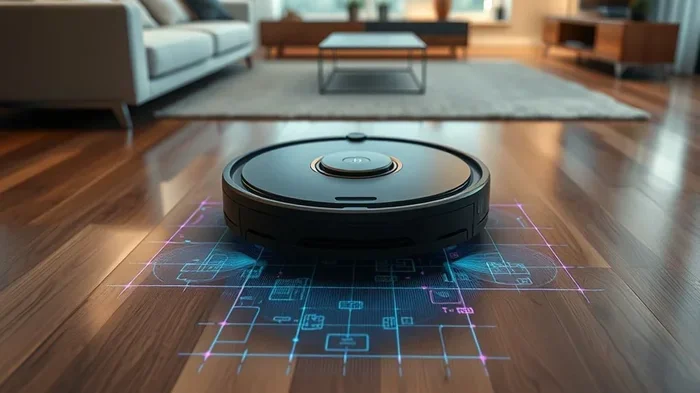
With a mid-range Roomba, you can assign rooms and set no-go zones through the app. The robot learns your floor plan and cleans more well. This saves time and ensures it does not miss key areas under your furniture.
Battery life also improves at this level, often lasting over two hours on a single charge. For most homes, this means one full cleaning session covers the entire first floor. The extra cost pays for itself through less manual work and better coverage.
- Smart Mapping: The robot builds a floor plan so it cleans each room systematically.
- Room-Specific Commands: You can tell the vacuum to clean just the kitchen or living room.
- Better Obstacle Avoidance: Cameras and sensors help the unit steer around shoes and cords.
- Larger Dust Bin: A bigger bin holds more debris and needs emptying less often.
- Longer Battery Life: Extended run times let the robot finish full-floor cleans in one go.
Premium and High-End Roomba Pricing Breakdown
Premium Roombas cost between seven hundred and over one thousand two hundred dollars. These top-tier models pack the latest tech and the most strong suction. They target large homes, pet owners, and users who want the absolute best cleaning use.
High-end units feature advanced obstacle avoidance, self-emptying bases, and auto mop washing. The self-emptying base lets the robot return and dump its bin into a larger bag. This means you can go weeks without touching the dust yourself.
Voice control and smart home integration also shine at this price level. You can start a cleaning session with a simple voice command through Alexa or Google Assistant. The premium cost reflects all these ease features and the strongest cleaning motors available.
- Self-Emptying Base: The dock empties the robot’s bin on its own into a large disposal bag.
- Mop Washing Feature: Premium models clean and dry their mop pads after each wash cycle.
- Voice Control Ready: You can start, stop, or schedule cleans using voice commands hands-free.
- Advanced Suction Power: Stronger motors pull dirt and pet hair from deep within carpet fibers.
- Multi-Floor Mapping: The robot saves layouts for multiple floors and cleans each one correctly.
Hidden Costs and Accessories That Affect the Total Price
The sticker price is not the only number you should watch when buying a Roomba. Spare parts, filters, and extra brushes add up over months and years of use. Planning for these costs keeps your total ownership expense predictable and low-cost.


Always clear small items like socks, charging cables. Pet toys from the floor before starting a Roomba. These objects can tangle the brush roll or cause the robot to get stuck, leading to costly repairs or motor burnout.
Most users need a new filter every two to three months. This costs around thirty to fifty dollars. Brushes and wheels wear down faster in homes with pets or heavy shedding. The main battery also degrades over time. May need spare after two to three years.
Some models also require proprietary cleaning solution for their mop systems. These ongoing costs can add one hundred to two hundred dollars per year. Factoring in these hidden expenses gives you a true picture of how much your vacuum actually costs.
- Replacement Filters: HEPA and standard filters trap dust and need regular swaps to keep suction strong.
- Brush Roll Costs: Hair and string wrap around the main brush and reduce cleaning speed over time.
- Battery Replacement: A worn battery shortens run time and eventually requires a full unit swap.
- Cleaning Solution: Mop-equipped models need liquid solution for proper floor washing power.
- Extra Docking Stations: Owning multiple docks lets you charge robots on different floors conveniently.
Where to Buy and How Timing Affects the Final Price
Where you buy your Roomba can change the final price by a significant margin. Major online retailers often run flash sales and exclusive discounts during holiday weekends. Physical stores may offer price matching or bundle deals with extra accessories. For complementary picks and expert testing advice, see our guide on How Much Does a Robot Vacuum Cleaner Cost.
Timing your buy around key shopping events saves you real money. Black Friday, Cyber Monday, and Amazon Prime Day feature deep discounts on robot vacuums. Back-to-school sales in late summer also bring good deals as families prepare for the new season.
Checking certified refurbished models is another smart way to lower the cost. These units pass strict quality checks and often come with a warranty. Buying refurbished can save you one hundred to three hundred dollars on a premium model without sacrificing power.
- Holiday Sales Events: Black Friday and Cyber Monday offer the deepest discounts of the year.
- Amazon Prime Day: This mid-year event features exclusive deals and lightning discounts on electronics.
- Refurbished Options: Certified factory-refurbished models cost less and include a quality guarantee.
- Bundle Deals: Some retailers bundle a Roomba with extra filters or cleaning solution at a discount.
- Price Match Policies: Many stores will match a lower competitor price if you ask at checkout.
How Much Does a Roomba Vacuum Cleaner Cost Compared to Traditional Vacuums
Comparing a Roomba to a traditional vacuum helps you see the full cost picture. A decent upright vacuum costs one hundred to three hundred dollars upfront. However, a traditional vacuum loses suction over time and needs frequent bag or filter spares.
A Roomba automates the cleaning process and runs daily with minimal effort. The ease factor adds real value for busy families or people with mobility limits. While the upfront cost is higher, the time saved. Steady cleaning can justify the investment over several years.
Traditional vacuums also require storage space and manual use every time you clean. A Roomba works on a schedule while you are at work or relaxing. This hands-free approach changes how you maintain your home. Reduces the physical effort of cleaning.
- Upfront Cost Difference: Robot vacuums cost more initially but replace manual cleaning sessions entirely.
- Ongoing Maintenance: Both types need filter changes. But robot parts are often cheaper and easier to swap.
- Time Savings Value: Automated daily cleaning frees up hours each week for other activities.
- Cleaning Consistency: A Roomba runs more often, preventing deep dirt buildup between sessions.
- Physical Effort: Robot vacuums eliminate the need to push, pull. Carry a heavy traditional unit.
Best Practices for Reducing Your Roomba Ownership Cost
You can lower your total ownership cost with a few simple daily habits. Regular upkeep keeps the robot running well and prevents expensive repairs. A clean Roomba also vacuums better, so your floors stay cleaner with less effort.
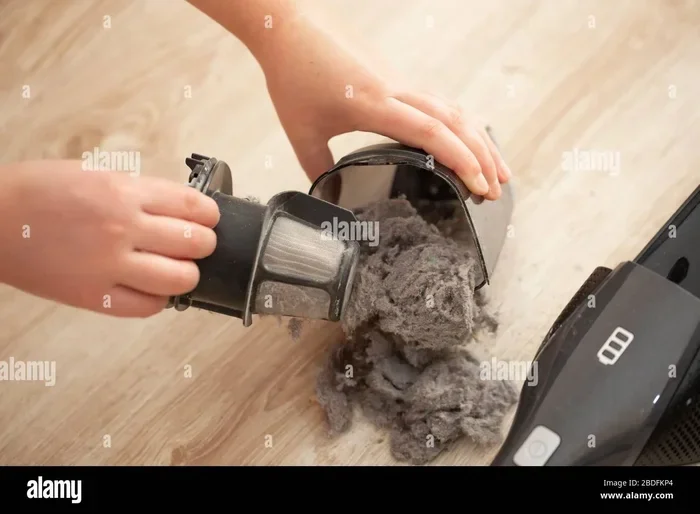
Empty the dust bin after every few runs to keep suction power strong. Check the brush roll weekly and cut away any hair or string wrapped around it. Wipe the sensors and charging contacts with a dry cloth so the robot navigates and charges properly.
Using the right filter and replacing it on schedule also protects the motor. A clogged filter makes the vacuum work harder and drains the battery faster. These small habits extend the life of your machine. Keep running costs low over the years.
- Daily Bin Emptying: A full bin reduces suction power. Forces the motor to work harder.
- Weekly Brush Check: Cutting tangled hair from the brush roll prevents motor strain and keeps cleaning even.
- Sensor Cleaning: Wiping the camera and sensors helps the robot avoid obstacles and map correctly.
- Filter Replacement: Swapping filters every two to three months maintains strong airflow and suction.
- Charging Contact Care: Clean metal contacts on the dock. Robot ensure a full, steady charge every time.
How to Choose the Right Cost Tier for Your Needs
Choosing the right cost tier starts with an honest look at your home and lifestyle. Small flats with hard floors need less expensive models with basic suction and a small bin. Larger homes with multiple rooms and carpets need smarter mapping and longer battery life.
Pet owners should focus on models with strong brush rolls and advanced obstacle avoidance. Hair and dander wrap around brushes quickly, so easy cleaning access matters. Families with kids may also want a model that handles both carpet and hard floor transitions smoothly. For complementary picks and expert testing advice, see our guide on How Much Vacuum Does a Vacuum Cleaner Pull.
Set a clear budget before you start shopping and stick to it. Decide which features are must-haves and which ones are nice-to-have extras. This focus helps you find the perfect Roomba without paying for tech you will never use.
- Home Size Assessment: Match the robot’s battery life. Bin size to your total floor area.
- Floor Type Check: Homes with thick carpets need stronger suction and a robust brush system.
- Pet Factor: Homes with pets benefit from extra brush cleaning access and HEPA filters.
- Smart Feature Need: Decide if app control, mapping, and voice commands are key for you.
- Budget Boundary: Set a firm price limit and compare models within that range only.
Common Mistakes That Raise Your Roomba Cost Without Adding Value
Many buyers make costly mistakes that inflate the final price without adding real value. One common error is buying the most expensive model for a simple studio flat. A premium robot with self-emptying. Mopping offers little benefit if you only have a small hard floor.
Another mistake is ignoring the cost of required accessories. Some sellers advertise a low base price but exclude the charging dock or extra filters you need. Always check the full box contents. Factor in key add-ons before you compare prices across stores.
Skipping warranty registration and extended protection also raises your long-term cost. A broken sensor or dead battery can be expensive to repair out of pocket. A good warranty or protection plan saves you from surprise repair bills. Keeps the total cost of ownership low.
- Overbuying Features: Buying a premium model for a small home wastes money on unused tech.
- Ignoring Accessory Costs: Failing to budget for filters, brushes, and extra batteries raises total cost.
- Skipping Warranty Plans: Without protection, a single repair can cost more than a new entry-level model.
- Impulse Holiday Buys: Rushing during a sale often leads to buying the wrong model for your needs.
- Forgetting Floor Prep: Not clearing cords. Clutter before use causes damage that voids the warranty.
Summary Table: Roomba Cost Tiers and Features Compared
| Price Tier | Approximate Cost | Key Features | Best For | Annual Accessory Cost |
|---|---|---|---|---|
| Entry-Level | $250 – $400 | Basic suction, bump navigation, small bin | Small apartments, hard floors | $50 – $80 |
| Mid-Range | $400 – $700 | Smart mapping, room commands, larger bin | Medium homes, mixed floors | $70 – $100 |
| Premium | $700 – $1,200+ | Self-emptying, mopping, voice control | Large homes, pet owners | $100 – $150 |
| Refurbished | $150 – $500 | Previous-tier features at lower cost | Budget-conscious buyers | $50 – $100 |
Final Thoughts and Next Steps
Now you have a clear picture of how much a Roomba vacuum cleaner costs across every price tier. The right choice depends on your home size, floor type, and personal cleaning needs. Entry models work well for small spaces. Premium units shine in larger, more complex homes.
Remember to factor in hidden costs like filters, brushes. Spare batteries when you set your budget. A little planning today saves you from surprise expenses tomorrow. Choose the tier that matches your real lifestyle and not just the flashiest features.
With the right Roomba, cleaning your floors becomes a hands-free routine that runs quietly in the background. You get more free time, a cleaner home. Peace of mind knowing your investment is protected. Start your search today and enjoy the ease of automated floor cleaning in your home.