How Bagless Vacuum Cleaners Separate Dust and Debris
Bagless vacuum cleaners use powerful cyclonic action, multi-stage filtration, and smart dustbin design to separate debris without messy bags. Understanding how these systems work helps you choose the right vacuum, maintain peak suction, and keep your home cleaner with less hassle.
Let’s be honest. Most of us have no idea what’s happening inside our vacuum cleaner. We just press the button, push it around, and hope for the best. But have you ever wondered what happens to all that dirt, dust, and pet hair once it gets sucked up?
How bagless vacuum cleaners separate dust and debris is actually a fascinating process. It involves physics, engineering, and some seriously smart design. Understanding this process can help you get more out of your vacuum. It can also help you avoid common problems like weak suction and dusty air.
In this guide, we’ll break down everything. You’ll learn about cyclonic technology, filtration systems, and dustbin design. We’ll also share practical tips to keep your bagless vacuum running at peak performance. Ready to peek inside your vacuum? Let’s dive in.
- Cyclonic separation spins air at high speed to throw heavy debris outward into the dustbin while clean air passes through filters.
- Multi-stage filtration captures fine dust, allergens, and microscopic particles before air is expelled back into your room.
- The dustbin design matters: transparent bins let you see dirt levels, while easy-empty mechanisms reduce mess.
- Regular filter maintenance is critical; clogged filters reduce suction and can blow dust back into the air.
- HEPA filters trap 99.97% of particles as small as 0.3 microns, making bagless vacuums ideal for allergy sufferers.
- Proper emptying technique prevents dust clouds and keeps your vacuum performing at its best.
📑 Table of Contents
- The Science Behind Bagless Vacuum Technology
- The Multi-Stage Filtration System
- Understanding Dustbin Design and Capacity
- How to Empty a Bagless Vacuum Without Making a Mess
- Maintaining Your Bagless Vacuum for Peak Performance
- Comparing Bagless vs. Bagged Vacuum Systems
- Common Problems and How to Fix Them
- Expert Tips for Getting the Most from Your Bagless Vacuum
- Conclusion
The Science Behind Bagless Vacuum Technology
So how does a bagless vacuum actually work? It’s not magic. It’s science. And once you understand the basics, you’ll never look at your vacuum the same way again.
What Is Cyclonic Separation?
The heart of most bagless vacuums is something called cyclonic separation. This is the process that keeps your dustbin full of dirt while the air stays relatively clean.
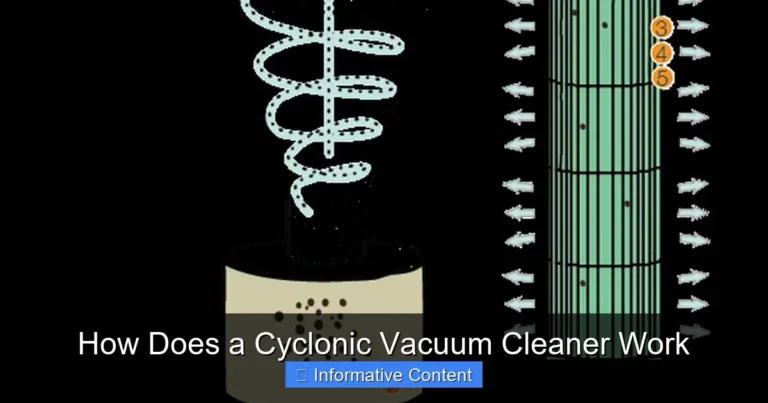
Here’s how it works. When you turn on your vacuum, a powerful motor creates suction. This sucks air, along with dirt and debris, into the vacuum. But instead of going straight into a bag, the air enters a cylindrical chamber.
Inside this chamber, the air spins in a fast vortex. Think of it like a tornado. The centrifugal force pushes heavier particles outward. These particles hit the walls of the chamber and fall down into the dustbin. Meanwhile, the lighter air spirals upward and passes through a series of filters.
This is the key difference between bagged and bagless vacuums. Bagged vacuums rely on the bag itself to trap everything. Bagless vacuums use physics to do the heavy lifting first.
Why Cyclonic Technology Matters
Cyclonic separation isn’t just a gimmick. It serves a real purpose. By removing large debris before it reaches the filters, the system prevents clogs. This means your vacuum maintains strong suction for longer.
Without cyclonic action, fine dust would quickly clog the filters. You’d lose suction power after just a few minutes of vacuuming. The filters would need constant cleaning or replacement.
But with cyclonic technology, the filters only need to handle the finest particles. This extends filter life and keeps your vacuum running efficiently. It’s a win-win for performance and maintenance.
The Multi-Stage Filtration System
Cyclonic separation handles the big stuff. But what about the tiny particles? Dust mites, pollen, pet dander, and bacteria are too small to be caught by centrifugal force alone. That’s where the filtration system comes in.
Stage 1: Pre-Motor Filter
After the cyclonic stage, air passes through a pre-motor filter. This filter sits between the dustbin and the motor. Its job is to catch fine dust before it reaches the motor.
The motor is the most expensive part of your vacuum. Dust and debris can damage it over time. The pre-motor filter acts as a shield. It protects the motor and extends the life of your vacuum.
Most pre-motor filters are made of foam or felt. They’re washable, which makes maintenance easy. But you need to clean them regularly. A clogged pre-motor filter reduces airflow and weakens suction.
Stage 2: Post-Motor Filter (HEPA)
The final stage is the post-motor filter. In high-quality bagless vacuums, this is usually a HEPA filter. HEPA stands for High-Efficiency Particulate Air.
A true HEPA filter captures 99.97% of particles as small as 0.3 microns. To put that in perspective, a human hair is about 70 microns thick. So we’re talking about incredibly tiny particles.
This stage is crucial for indoor air quality. Without it, fine dust and allergens would be blown back into your room. The vacuum would essentially redistribute what it just picked up. Not ideal.
If you or someone in your home suffers from allergies, a HEPA filter is essential. It makes a real difference in the air you breathe. For more on this topic, check out our guide on how to use a vacuum for allergy control.
Understanding Dustbin Design and Capacity
The dustbin is where all the separated debris ends up. But not all dustbins are created equal. Design and capacity play a big role in how convenient your vacuum is to use.
Transparent vs. Opaque Dustbins
Most modern bagless vacuums feature transparent dustbins. This lets you see exactly how full it is. You don’t have to guess or wait until suction drops.
Being able to see the dustbin has another benefit. You can spot problems early. If you notice the cyclonic action isn’t working properly, you might see debris swirling instead of settling. This could indicate a clog or a full bin.
Some budget models use opaque dustbins to save cost. While they work fine, you lose that visual feedback. It’s a small thing that makes a big difference in daily use.
Dustbin Capacity Considerations
Capacity matters, especially if you have a large home or pets. A small dustbin means frequent emptying. A large dustbin adds weight and bulk to the vacuum.
Most bagless vacuums have dustbins ranging from 0.5 to 2 liters. For small apartments, a compact bin is fine. For larger homes or heavy shedding, go bigger.
The shape of the dustbin also affects performance. Cylindrical bins work better with cyclonic systems. They allow air to spin freely. Square or rectangular bins can disrupt airflow and reduce separation efficiency.
How to Empty a Bagless Vacuum Without Making a Mess
Here’s where many people struggle. Emptying a bagless vacuum can be messy if you don’t do it right. But with the right technique, you can keep dust contained.
The Right Way to Empty Your Dustbin
First, always empty the dustbin after every use. Letting dirt sit in the bin can cause odors and reduce performance. It also makes the debris harder to remove later.
Take the vacuum outside if possible. Hold the dustbin over a trash bag. Open the bottom lid slowly. Let gravity do the work. Don’t shake or bang the bin. This just creates dust clouds.
For stubborn debris stuck to the walls, use a soft brush or cloth. Never use water inside the dustbin unless it’s specifically designed to be washed. Moisture can damage the vacuum and create mold.
Quick Tips for Cleaner Emptying
- Empty the dustbin when it’s about two-thirds full for optimal performance
- Use a trash bag as a glove to handle the bin contents
- Consider emptying over an outdoor trash can to avoid indoor dust
- Tap the bin gently instead of shaking it vigorously
- Wipe the bin with a damp cloth after emptying
Maintaining Your Bagless Vacuum for Peak Performance
A bagless vacuum is only as good as its maintenance. Without regular care, even the best cyclonic system will fail. Here’s how to keep yours running like new.
Cleaning the Filters Regularly
This is the single most important maintenance task. Clogged filters are the number one cause of weak suction in bagless vacuums.
Check your owner’s manual for specific cleaning intervals. As a general rule, wash pre-motor filters every 1-2 weeks with heavy use. Post-motor HEPA filters typically need cleaning every 3-6 months.
Always let filters dry completely before reinstalling. A wet filter can damage the motor and promote mold growth. Patience here pays off.
Checking for Clogs
Even with cyclonic separation, clogs can happen. Hair, string, and large debris can get stuck in the hose, brush roll, or intake path.
Make it a habit to check these areas weekly. Remove the brush roll and clear any tangled hair. Run a broomstick through the hose to dislodge blockages. A clear path means better airflow and stronger suction.
For a detailed walkthrough, see our guide on how to prevent vacuum clogs.
Maintaining the Cyclonic Chamber
Over time, fine dust can build up inside the cyclonic chamber. This reduces the efficiency of the spinning action. Every few months, take the time to clean it out.
Remove the dustbin and look inside the cyclone assembly. Use a dry cloth or soft brush to remove dust buildup. Avoid using water unless the manufacturer specifically recommends it.
A clean cyclonic chamber means better separation. Better separation means cleaner filters and stronger suction. It’s all connected.
Comparing Bagless vs. Bagged Vacuum Systems
The bagless vs. bagged debate has been going on for years. Both systems have their strengths and weaknesses. Let’s break it down objectively.
Performance Comparison
| Feature | Bagless Vacuum | Bagged Vacuum |
|---|---|---|
| Suction Consistency | May decrease as bin fills | Stays consistent until bag is full |
| Maintenance Cost | No bags to buy | Ongoing bag replacement costs |
| Allergen Containment | Can release dust when emptied | Better sealed containment |
| Environmental Impact | Less waste | Disposable bags add to landfill |
| Debris Visibility | See what you’ve collected | Hidden inside bag |
Which Is Right for You?
Choose a bagless vacuum if you want to save money on bags and prefer seeing exactly what you’ve picked up. They’re great for everyday cleaning and work well with regular maintenance.
Choose a bagged vacuum if you have severe allergies or want minimal contact with dust. The sealed bag system contains allergens better during disposal.
The truth is, both types can clean effectively. It comes down to personal preference and your specific needs. For help deciding, read our article on how to choose between upright and canister vacuum types, which also touches on the bagged versus bagless question.
Common Problems and How to Fix Them
Even the best bagless vacuums can develop issues. Here are the most common problems and their solutions.
Loss of Suction
This is the number one complaint. If your vacuum isn’t picking up like it used to, check these things:
- Empty the dustbin
- Clean all filters
- Check for clogs in the hose and brush roll
- Inspect the seals and gaskets for damage
If you’ve done all this and suction is still weak, the motor may be failing. In that case, it’s time to consider a replacement.
Dust Blowing Out of the Vacuum
If you notice dust coming out of the exhaust, your filtration system is compromised. This usually means a dirty or damaged HEPA filter.
Replace the filter if it’s worn out. If it’s just dirty, clean it thoroughly and let it dry. Also check that all seals are intact. Even a small gap can let dust escape.
Unusual Noises
Grinding, squealing, or rattling noises are never good signs. They usually indicate something is stuck in the motor or brush roll.
Turn off the vacuum immediately. Check the brush roll for tangled debris. Inspect the hose for blockages. If the noise persists after clearing everything, professional repair may be needed.
Expert Tips for Getting the Most from Your Bagless Vacuum
After years of testing and reviewing vacuums, we’ve picked up some insider knowledge. Here are our top tips.
Pre-Treat High-Traffic Areas
For heavily soiled areas, consider pre-treating with a carpet cleaner or letting a dry cleaning powder sit for a few minutes. This loosens dirt and makes vacuuming more effective.
Vacuum in Multiple Directions
Don’t just go back and forth. Vacuum in a cross-hatch pattern. Go north-south, then east-west. This picks up debris from all angles and gives you a deeper clean.
Don’t Rush
Slow and steady wins the race. Moving the vacuum too fast doesn’t give it time to pick up dirt. Take your time, especially on carpets. Let the suction do its job.
Empty Before You Need To
Don’t wait until the dustbin is completely full. Performance starts dropping well before that point. Get in the habit of emptying at two-thirds full for consistent results.
Conclusion
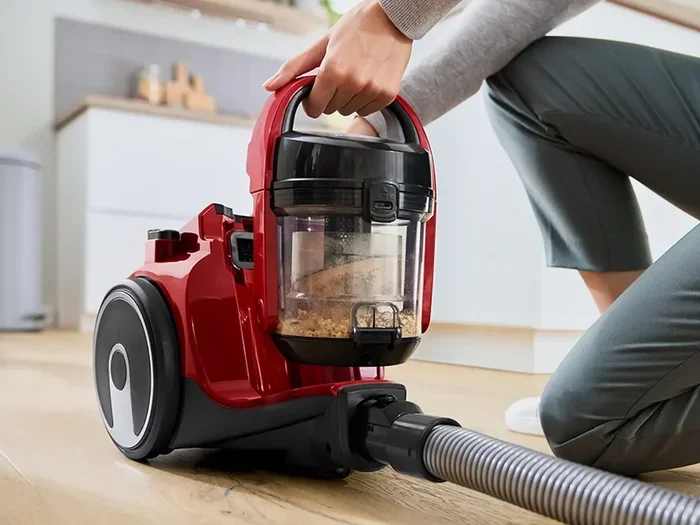
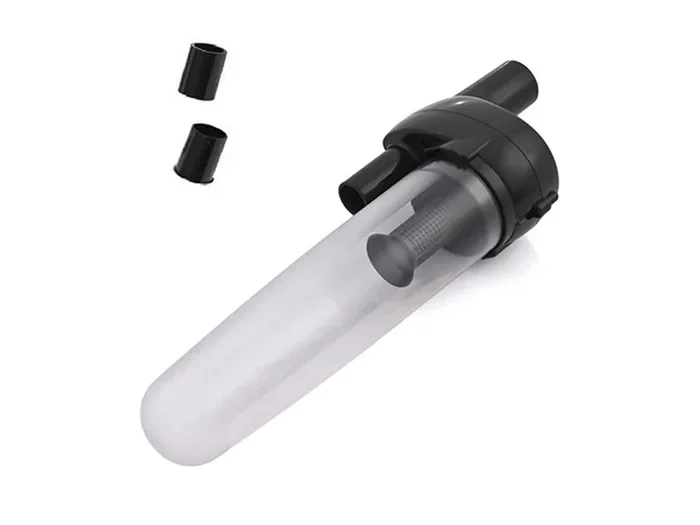
Visual guide about bagless vacuum dust separation

Visual guide about bagless vacuum dust separation
Image source: vevor-goods.vevor.net
Image source: media3.bsh-group.com
Understanding how bagless vacuum cleaners separate dust and debris gives you a real advantage. You can make better buying decisions, maintain your vacuum properly, and get cleaner results.
The key takeaways are simple. Cyclonic separation uses physics to throw heavy debris into the dustbin. Multi-stage filtration catches the finest particles. Regular maintenance keeps everything working smoothly.
A clean vacuum is an efficient vacuum. Take care of your filters, check for clogs, and empty the dustbin regularly. These small habits make a big difference in performance and longevity.
Now that you know what’s happening inside your vacuum, you can use it with confidence. Your floors will be cleaner. Your air will be fresher. And you’ll get more value from your investment.
Frequently Asked Questions
How does cyclonic separation work in a bagless vacuum?
Cyclonic separation spins incoming air at high speed inside a cylindrical chamber. The centrifugal force pushes heavy debris outward into the dustbin while clean air moves upward through the filters. This physics-based process prevents large particles from clogging the filters and maintains strong suction.
Do bagless vacuums lose suction faster than bagged models?
Bagless vacuums can lose suction if the dustbin gets too full or filters become clogged. However, with regular maintenance and proper emptying, they maintain consistent performance comparable to bagged models. The key is staying on top of filter cleaning and not overfilling the bin.
How often should I clean the filters in my bagless vacuum?
Pre-motor filters should be cleaned every 1-2 weeks with regular use. Post-motor HEPA filters typically need cleaning every 3-6 months. Always check your owner’s manual for manufacturer-specific recommendations, and make sure filters are completely dry before reinstalling.
Can a bagless vacuum be good for allergy sufferers?
Yes, bagless vacuums with true HEPA filters are excellent for allergy sufferers. The HEPA filter captures 99.97% of particles as small as 0.3 microns, including pollen, dust mites, and pet dander. Just be mindful when emptying the dustbin to avoid stirring up allergens.
What happens if I don’t empty my bagless vacuum regularly?
Letting the dustbin overfill reduces cyclonic efficiency and weakens suction. It also puts extra strain on the motor and filters. Debris left sitting in the bin can develop odors and become harder to remove. Empty after every use or when the bin reaches two-thirds capacity.
Are bagless vacuums better for the environment than bagged ones?
Bagless vacuums produce less waste since there are no disposable bags going to landfills. However, they use electricity and their filters eventually need replacement. Overall, they tend to have a smaller environmental footprint compared to bagged models that require ongoing bag purchases.