The Difference Between Hepa and Standard Vacuum Filters
Not all vacuum filters are created equal. HEPA filters capture 99.97% of microscopic particles as small as 0.3 microns, while standard filters only trap larger debris. Choosing the right filter can dramatically improve your home’s air quality and protect your family’s health.
You just vacuumed your entire living room. The floors look spotless. But here’s the uncomfortable truth — if your vacuum uses a standard filter, you might have just pushed millions of invisible particles right back into the air you breathe. That’s where the difference between HEPA and standard vacuum filters becomes a big deal.
Most people don’t think twice about what’s inside their vacuum cleaner. They plug it in, push it around, empty the dustbin, and call it a day. But the filter sitting inside that machine plays a critical role in determining whether your vacuum actually cleans your air or just rearranges the dust. Understanding the difference between these two filter types can help you make a smarter purchase and keep your home genuinely cleaner.
In this guide, we’ll break down exactly how HEPA and standard filters work, what sets them apart, and which one is right for your home. Whether you’re dealing with pet hair, seasonal allergies, or just want to breathe easier, this information will help you choose wisely.
- HEPA filters capture 99.97% of particles as small as 0.3 microns, including dust mites, pollen, pet dander, and mold spores.
- Standard filters only trap larger debris like visible dust and hair, allowing fine particles to recirculate into the air.
- HEPA vacuums are essential for allergy and asthma sufferers because they prevent microscopic allergens from escaping back into your home.
- Standard filters are more affordable and work well for general cleaning in homes without air quality concerns.
- HEPA filters require more frequent maintenance and replacement to maintain peak performance and suction power.
- Filter efficiency is measured by MERV ratings — HEPA filters far exceed the ratings of standard vacuum filters.
- Choosing the right filter depends on your needs — consider your floor type, pets, allergies, and budget before buying.
📑 Table of Contents
- What Is a HEPA Vacuum Filter?
- What Is a Standard Vacuum Filter?
- HEPA vs. Standard Filters: A Side-by-Side Comparison
- Why Filter Choice Matters for Allergy and Asthma Sufferers
- Maintenance: Keeping Your Filters in Top Shape
- How to Choose the Right Filter for Your Home
- Common Myths About HEPA Filters
- Conclusion
What Is a HEPA Vacuum Filter?
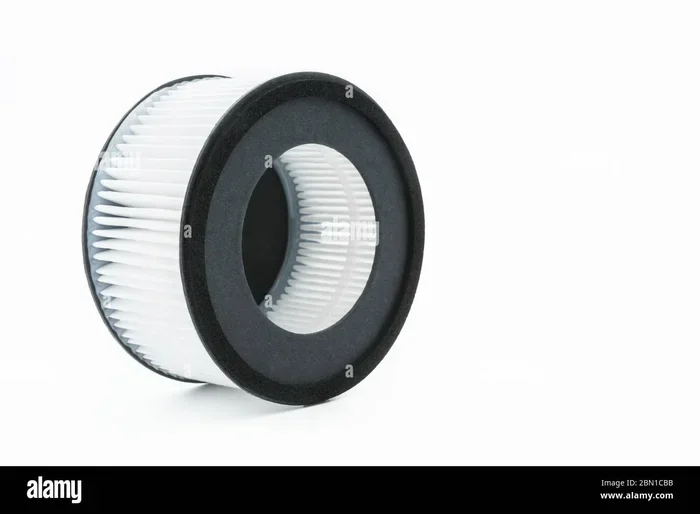
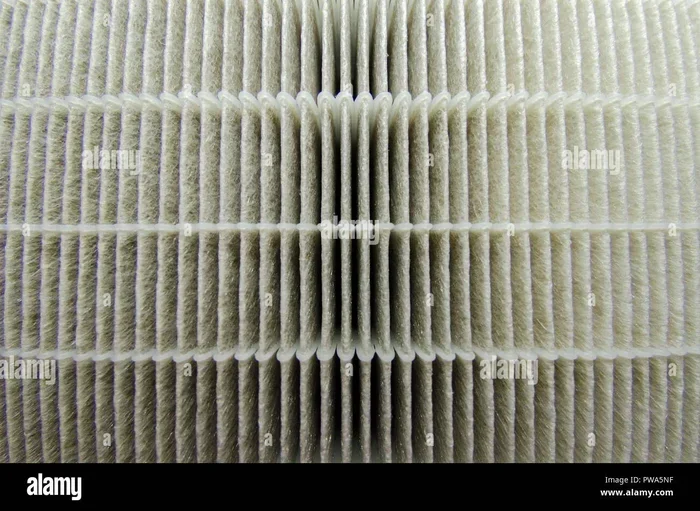
HEPA stands for High-Efficiency Particulate Air. A true HEPA filter is designed to capture at least 99.97% of airborne particles that are 0.3 microns in diameter. To put that in perspective, a human hair is about 70 microns wide. We’re talking about particles that are nearly 250 times smaller than the width of a single strand of hair.
How HEPA Filters Work
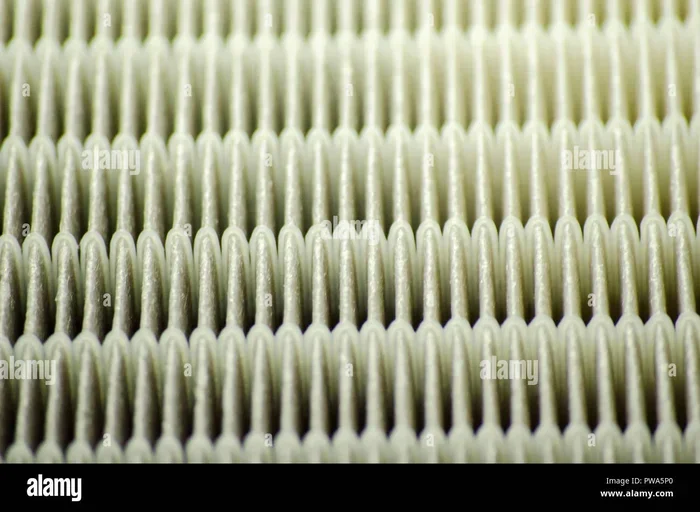
HEPA filters use a dense mat of randomly arranged fibers, typically made from fiberglass or synthetic materials. As air passes through the filter, particles are trapped through three mechanisms. First, interception occurs when particles follow the airstream but come close enough to a fiber and stick to it. Second, impaction happens when larger particles can’t follow the curving airstream and crash directly into a fiber. Third, diffusion captures the tiniest particles that move erratically due to collisions with gas molecules, increasing their chances of being caught.
This multi-layered approach is what makes HEPA filters so remarkably effective. They don’t just block big chunks of dirt — they catch the microscopic stuff that standard filters let right through.
Common Particles HEPA Filters Capture
- Dust mites and their waste particles
- Pollen grains from trees, grass, and weeds
- Pet dander and microscopic skin flakes
- Mold spores that trigger respiratory issues
- Bacteria and some virus-carrying particles
- Fine dust from construction or renovation
- Smoke particles and combustion byproducts
If anyone in your household suffers from allergies or asthma, a HEPA filter isn’t just a luxury — it’s a necessity. For more on improving your home’s air quality, check out our guide on how to improve indoor air quality with a vacuum.
What Is a Standard Vacuum Filter?
Visual guide about HEPA filter close-up
Image source: c8.alamy.com
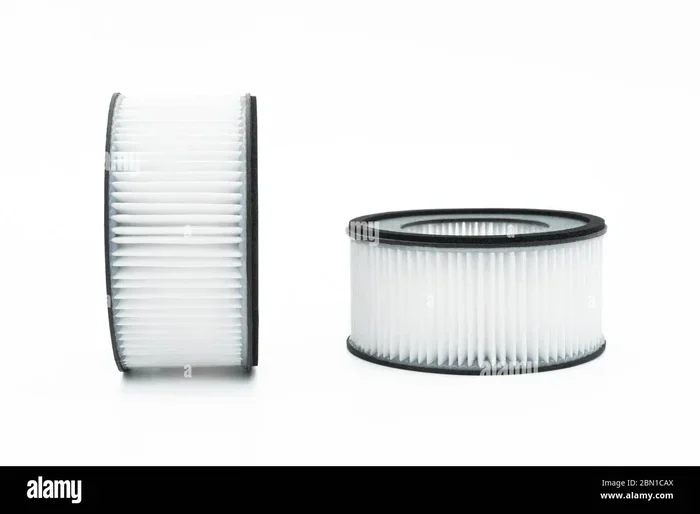
Standard vacuum filters, sometimes called conventional or regular filters, are the basic filtration systems found in most budget and mid-range vacuum cleaners. They’re typically made from foam, mesh, or pleated paper materials and are designed to capture larger debris before it reaches the vacuum’s motor.
How Standard Filters Work
Standard filters work on a simple principle — they act as a physical barrier. Air flows through the filter material, and particles larger than the gaps between the fibers get caught. It’s a straightforward approach that works reasonably well for visible dust, hair, crumbs, and other large debris.
However, the gaps in standard filter materials are significantly larger than those in HEPA filters. This means that while they’ll catch the stuff you can see, they allow a substantial amount of fine particles to pass right through and exit the vacuum’s exhaust.
What Standard Filters Can and Cannot Catch
Standard filters do a decent job with larger particles like visible dust bunnies, pet hair, food crumbs, and sand. But they struggle with anything microscopic. Pollen, dust mite allergens, mold spores, and fine particulate matter largely pass through standard filters and get redistributed into your room.
For homes without allergy concerns and with mostly hard flooring, a standard filter vacuum can still do a perfectly acceptable job of keeping things tidy. But if air quality matters to you, there’s a noticeable gap in performance.
HEPA vs. Standard Filters: A Side-by-Side Comparison
Visual guide about HEPA filter close-up
Image source: c8.alamy.com
The differences between these two filter types go beyond just particle capture rates. Here’s a detailed comparison to help you see the full picture.
| Feature | HEPA Filter | Standard Filter |
|---|---|---|
| Particle Capture Rate | 99.97% at 0.3 microns | Varies; typically 60-80% for large particles |
| Allergen Removal | Excellent — captures pollen, dander, dust mites | Poor — most allergens pass through |
| Cost | Higher upfront and replacement cost | Lower upfront and replacement cost |
| Maintenance Frequency | Requires regular cleaning and replacement every 6-12 months | Less frequent maintenance needed |
| Air Quality Impact | Significantly improves indoor air quality | Minimal impact on fine particle levels |
| Best For | Allergy sufferers, pet owners, homes with carpet | General cleaning, hard floors, budget-conscious buyers |
| Suction Impact | Can reduce suction if not maintained properly | Less impact on suction over time |
Why Filter Choice Matters for Allergy and Asthma Sufferers
Visual guide about HEPA filter close-up
Image source: c8.alamy.com
If you or someone in your family deals with allergies or asthma, the type of vacuum filter you use can directly affect how you feel at home. According to the Environmental Protection Agency, indoor air can be two to five times more polluted than outdoor air. A vacuum that recirculates allergens is actively making that problem worse.
The Problem with Standard Filters in Allergy-Prone Homes
When a standard vacuum filter fails to capture microscopic allergens, those particles get expelled through the vacuum’s exhaust and settle on furniture, bedding, and surfaces throughout your home. You might vacuum every day and still experience symptoms because the vacuum itself is part of the problem.
How HEPA Filters Provide Relief
A true HEPA vacuum traps allergens inside the machine instead of blowing them back into the air. Studies have shown that using HEPA-equipped vacuums can significantly reduce airborne allergen levels over time. For anyone managing asthma or severe seasonal allergies, this difference can mean fewer symptoms and less reliance on medication.
If allergies are a concern in your home, you might also want to read our article on how to use a vacuum for allergy control for additional strategies.
Maintenance: Keeping Your Filters in Top Shape
No matter which filter type you choose, proper maintenance is essential. A clogged or dirty filter reduces suction power, strains the motor, and compromises air quality.
Maintaining HEPA Filters
HEPA filters require more attention than standard filters. Most manufacturers recommend cleaning or replacing HEPA filters every six to twelve months, depending on usage. Some HEPA filters are washable, while others are disposable. Always check your vacuum’s manual before washing a HEPA filter — washing a non-washable HEPA filter can damage its delicate fiber structure and destroy its effectiveness.
For washable HEPA filters, rinse gently with cold water and allow them to air dry completely for at least 24 hours before reinstalling. Never use soap or put them in a dryer. If you want to learn more, our detailed guide on how to maintain HEPA filters covers everything you need to know.
Maintaining Standard Filters
Standard filters are generally easier to maintain. Foam filters can be rinsed and reused multiple times. Paper filters should be tapped out or replaced when visibly dirty. Even with standard filters, neglecting maintenance leads to reduced performance and a shorter vacuum lifespan.
How to Choose the Right Filter for Your Home
Choosing between HEPA and standard filters comes down to your specific needs, your home environment, and your budget. There’s no single right answer — but there is a right answer for you.
When to Choose a HEPA Filter
A HEPA filter is the best choice if anyone in your home has allergies, asthma, or other respiratory conditions. It’s also ideal if you have pets that shed, live in an area with high pollen counts, or have wall-to-wall carpeting that traps fine particles. If you’ve recently completed a renovation or live near a construction site, a HEPA vacuum will help capture the fine dust that standard filters miss.
When a Standard Filter Is Sufficient
If you live alone, don’t have pets, have mostly hard flooring, and don’t suffer from allergies, a vacuum with a standard filter will likely meet your needs just fine. Standard filter vacuums are also a great choice if you’re on a tight budget or need a secondary vacuum for quick cleanups.
For help making the right decision, visit our comprehensive guide on how to choose the right vacuum filter.
Other Factors to Consider
Beyond filter type, think about your vacuum’s overall design. A vacuum with a sealed system ensures that all air passes through the filter before exiting — this is just as important as the filter itself. Even the best HEPA filter won’t help if air leaks through gaps in the vacuum’s housing. Also consider your floor type, the size of your home, and how often you plan to vacuum. Our article on choosing a vacuum based on floor type can help with that decision.
Common Myths About HEPA Filters
There’s a lot of misinformation floating around about HEPA filters. Let’s clear up a few of the most common myths.
Myth 1: HEPA Filters Reduce Suction Power
Some people believe that HEPA filters choke the vacuum’s suction. While it’s true that a clogged HEPA filter will reduce suction, a clean HEPA filter in a well-designed vacuum has minimal impact on performance. Modern HEPA vacuums are engineered to maintain strong airflow even with high-density filtration.
Myth 2: All Filters Labeled “HEPA” Are the Same
Not quite. Some manufacturers use terms like “HEPA-style” or “HEPA-type” to describe filters that don’t meet the true HEPA standard. A genuine HEPA filter must capture 99.97% of particles at 0.3 microns. Always look for “True HEPA” or “Certified HEPA” when shopping.
Myth 3: HEPA Filters Last Forever
HEPA filters have a limited lifespan. Over time, the fibers become saturated with trapped particles, reducing both filtration efficiency and airflow. Replacing your HEPA filter on schedule is essential for maintaining performance.
Conclusion
The difference between HEPA and standard vacuum filters comes down to one thing — how well they protect the air you breathe. HEPA filters capture 99.97% of microscopic particles, making them the clear winner for allergy sufferers, pet owners, and anyone who cares about indoor air quality. Standard filters are more affordable and work well for general cleaning, but they let fine particles slip right back into your home.
Your choice should reflect your household’s specific needs. If health and air quality are priorities, investing in a HEPA vacuum is one of the simplest and most effective steps you can take. And regardless of which filter you choose, regular maintenance is the key to keeping your vacuum performing at its best. A clean filter means a cleaner home — and easier breathing for everyone under your roof.
Frequently Asked Questions
Is a HEPA filter vacuum worth the extra cost?
For allergy and asthma sufferers, absolutely. HEPA vacuums capture microscopic allergens that standard filters miss, leading to measurably better indoor air quality. If you don’t have respiratory concerns, a standard filter vacuum may be sufficient for your needs.
How often should I replace my HEPA filter?
Most manufacturers recommend replacing HEPA filters every 6 to 12 months, depending on how often you vacuum and the air quality in your home. Check your vacuum’s user manual for specific replacement intervals.
Can I wash a HEPA filter to extend its life?
Only if the manufacturer specifically labels it as washable. Washing a non-washable HEPA filter can damage its fiber structure and destroy its filtration ability. Always follow the care instructions provided with your vacuum.
Do HEPA vacuums work better on carpets or hard floors?
HEPA vacuums work well on both surfaces. Their filtration advantage is about air quality, not floor type. However, carpets tend to trap more fine particles, so the HEPA filter’s ability to capture those particles is especially beneficial in carpeted homes.
What does “HEPA-type” mean, and is it the same as true HEPA?
No, “HEPA-type” or “HEPA-style” filters are not the same as true HEPA filters. They may look similar but don’t meet the strict standard of capturing 99.97% of particles at 0.3 microns. Always look for “True HEPA” or “Certified HEPA” labels.
Will a HEPA vacuum help with pet hair?
HEPA vacuums are excellent for pet owners. While the filter itself doesn’t pick up hair, it captures the microscopic dander and allergens that come with shedding pets. Combined with strong suction and the right attachments, a HEPA vacuum is one of the best tools for managing pet-related messes.