

If your vacuum cleaner loses suction, don’t despair! The most common culprits include clogged filters, a full dust bag or canister, blockages in the hose or brush roll, or air leaks. Simple troubleshooting steps, like cleaning filters, emptying containers, and clearing obstructions, can often restore your vacuum’s powerful performance and save you from needing a new one.
Why Vacuum Cleaner Loses Suction
There’s nothing quite as frustrating as embarking on a cleaning spree, only to find your trusty vacuum cleaner sputtering and leaving dirt behind. That satisfying whoosh of suction is gone, replaced by a weak hum, and suddenly, your cleaning task feels twice as hard. If you’ve ever wondered, “Why vacuum cleaner loses suction?” you’re certainly not alone. It’s a common problem that many homeowners face, and the good news is, most of the time, the solution is much simpler and cheaper than buying a brand new appliance.
A vacuum cleaner relies on creating a powerful airflow to lift dirt, dust, and debris from your floors and surfaces. When this airflow is interrupted or weakened at any point in the system, your vacuum cleaner loses suction. It’s a bit like trying to drink through a straw that has a hole in it or is blocked – you just don’t get the same pull. Understanding the common culprits behind this loss of power is the first step towards diagnosing and fixing the issue, restoring your cleaning machine to its former glory.
In this comprehensive guide, we’ll explore the main reasons why a vacuum cleaner loses suction, providing you with practical, step-by-step troubleshooting tips. From simple maintenance tasks to identifying more complex issues, we’ll help you get to the bottom of your vacuum’s performance woes. Get ready to transform your understanding of your vacuum cleaner and bring back that powerful suction you’ve been missing!
Key Takeaways
- Clogged Filters are Primary Offenders: Dirt and debris accumulate on filters (pre-motor and HEPA), restricting airflow crucial for suction. Regular cleaning or replacement is vital.
- Full Bags/Canisters Reduce Power: An overloaded dust bag or canister leaves no room for air and debris, causing a rapid drop in suction strength. Always empty them before they’re completely full.
- Hose & Brush Roll Blockages are Common: Tangles of hair, pet fur, strings, or larger debris can severely obstruct the vacuum’s airway or prevent the brush roll from spinning effectively, leading to poor pickup and suction loss.
- Air Leaks Undermine Suction: Cracks, loose connections, or improperly sealed components in the hose, canister, or attachments allow air to escape, significantly weakening the vacuum’s ability to create a strong vacuum.
- Brush Roll Wear Affects Performance: A worn-out or damaged brush roll, or a broken drive belt, can fail to agitate carpets properly, giving the impression of poor suction even if the motor is pulling air.
- Regular Maintenance Prevents Suction Loss: Proactive cleaning of filters, emptying the dirt bin, inspecting hoses, and clearing brush rolls are the best ways to keep your vacuum running optimally and prevent it from losing suction.
Quick Answers to Common Questions
What is the most common reason a vacuum cleaner loses suction?
The most common reason is a clogged filter or a full dust bag/canister, as these quickly restrict the vital airflow needed for suction.
How often should I clean my vacuum’s filters?
It’s generally recommended to clean washable filters every 3-6 months and replace non-washable filters every 6-12 months, or more frequently if you have pets or allergies.
Can a broken belt cause my vacuum to lose suction?
While a broken belt doesn’t directly reduce motor suction, it prevents the brush roll from spinning, significantly decreasing the vacuum’s ability to pick up dirt from carpets, making it seem like it has lost suction.
What should I do if I smell burning when my vacuum is on?
Immediately turn off and unplug the vacuum. A burning smell often indicates a motor overheating due to prolonged strain from a severe clog or filter issue. Let it cool down and check for blockages.
Is it worth repairing a vacuum cleaner if the motor is the problem?
It depends on the cost of the repair versus the price of a new vacuum. If the repair cost exceeds half the price of a comparable new model, it might be more economical to replace the unit.
📑 Table of Contents
- 1. Clogged Filters: The Silent Suction Killer
- 2. Full or Damaged Dust Bags/Canisters: Overburdening Your Vacuum
- 3. Hose and Attachments Blockages: The Obstruction Course
- 4. Brush Roll Issues: Not Just About Dirt Pickup
- 5. Cracks, Leaks, and Gaps: Air Loss is Suction Loss
- 6. Motor and Internal Component Problems: When It’s More Serious
1. Clogged Filters: The Silent Suction Killer
Filters are the unsung heroes of your vacuum cleaner, trapping dust, allergens, and microscopic particles before they can escape back into your home or damage the motor. However, when these filters become overloaded with dirt, they become a major reason why your vacuum cleaner loses suction. They act like a dam, severely restricting the airflow needed to create that powerful vacuum effect.
Types of Filters and Their Role
Most modern vacuum cleaners come equipped with at least two types of filters:
- Pre-Motor Filter: This filter is usually located near the dust bin or bag, right before the motor. Its primary job is to protect the motor from larger dust particles and debris. If this filter gets clogged, it’s often the first indicator that your vacuum cleaner loses suction. It might be washable foam, felt, or pleated paper.
- Post-Motor or HEPA Filter: Often found near the exhaust port, this filter cleans the air *after* it has passed through the motor, ensuring that fine dust and allergens are not released back into your room. While a clogged HEPA filter might not directly impact initial suction as much as a pre-motor filter, it still contributes to overall airflow restriction and can make your vacuum cleaner lose suction over time. HEPA filters are particularly important for allergy sufferers.
How to Clean or Replace Filters
Maintaining your filters is arguably the easiest and most effective way to prevent your vacuum cleaner from losing suction.
For Washable Filters:
- Locate your vacuum’s pre-motor filter (check your user manual if unsure).
- Remove it carefully, usually by twisting or pulling.
- Tap it gently over a trash can to dislodge loose debris.
- Rinse it under cool, running water until the water runs clear. Avoid using soap unless specified by the manufacturer.
- Crucially, allow the filter to air dry completely for at least 24 hours before putting it back into the vacuum. Reinstalling a damp filter can lead to mold growth and damage to the motor.
For Non-Washable Filters:
- Locate and remove the filter.
- Tap it gently against a hard surface or use a soft brush to remove excess dirt.
- If it looks heavily discolored or damaged, it’s time for a replacement. Consult your vacuum’s manual for the correct replacement part number.
Remember, filter maintenance should be a regular part of your cleaning routine. How often depends on how frequently you use your vacuum and how dusty your home is. As a general rule, check and clean/replace filters every 3-6 months, or more often if you have pets or allergies.
2. Full or Damaged Dust Bags/Canisters: Overburdening Your Vacuum
It might seem obvious, but one of the most common and easily overlooked reasons why a vacuum cleaner loses suction is a full dust bag or a canister overflowing with dirt. Your vacuum needs space to draw in air and debris. If that space is already occupied, the airflow dramatically decreases, and so does your suction power.
Impact of a Full Bag/Canister
When a bag is full, it becomes densely packed with dirt, acting as another layer of filtration that airflow struggles to penetrate. Similarly, a bagless canister, once it reaches its “Max Fill” line, provides less volume for air to circulate, causing an immediate drop in performance. Your vacuum cleaner loses suction because the air can’t move freely through the collected debris. Ignoring a full indicator light or a visibly full canister will inevitably lead to frustration and poor cleaning results.
Checking for Damage and Proper Sealing
It’s not just about how full the bag or canister is; its condition and how it’s sealed also play a vital role.
- Damaged Bags: A torn or burst dust bag will not only release dust back into your home but can also cause a loss of suction because the vacuum is not properly sealed. Inspect bags before inserting them and ensure they are securely fastened.
- Bagless Canister Issues: For bagless models, check that the canister is correctly seated and sealed. Gaskets or O-rings around the canister opening can become worn or dislodged, creating tiny air leaks that cause your vacuum cleaner to lose suction. Ensure all clips and latches are properly engaged.
- Dirt Duct Blockage: Sometimes, even if the canister isn’t full, the duct leading into it can get jammed with large debris or compressed dust, creating a bottleneck that severely impacts airflow.
Tip: Always empty your bagless canister before it reaches the “Max Fill” line, ideally after every major cleaning session. If your vacuum uses bags, replace them when they are about two-thirds full, even if the “full” indicator hasn’t come on yet. This proactive approach ensures consistent powerful suction.
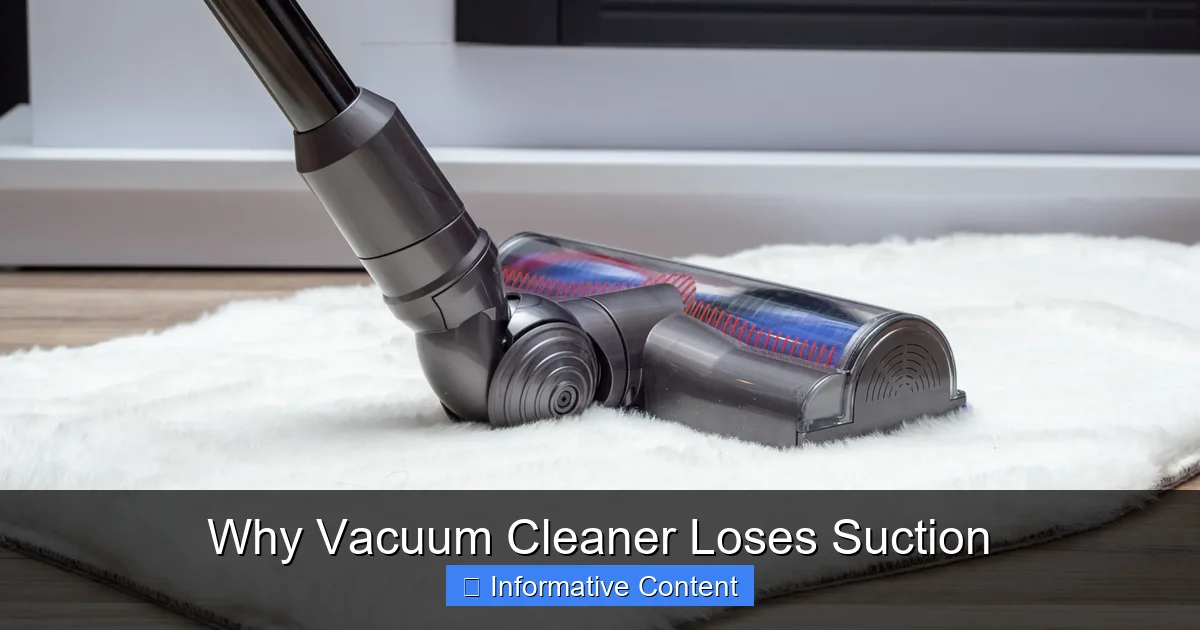
Visual guide about Why Vacuum Cleaner Loses Suction
Image source: cdn.mos.cms.futurecdn.net
3. Hose and Attachments Blockages: The Obstruction Course
Imagine trying to breathe through a straw that has a piece of candy stuck halfway down. That’s essentially what happens to your vacuum when its hose or attachments become blocked. These blockages are a primary reason why a vacuum cleaner loses suction, as they directly impede the path of airflow and debris.
Common Clog Locations
Blockages can occur at several points in your vacuum’s system:
- The Main Hose: This is a frequent culprit. Long hair, pet fur, socks, small toys, paper, or even dried leaves can get lodged in the hose, especially at bends or narrower sections.
- Attachment Tools: Crevice tools, upholstery brushes, and floor nozzles can also become clogged, particularly if you’re picking up larger debris or very fine dust that cakes inside them.
- Inlet Port: The opening where the hose connects to the vacuum body can also get jammed with debris, especially if you’ve been vacuuming up stringy items.
- Internal Ducts: Some vacuums have internal ducts connecting the main floor head to the dust bin that can also become blocked.
Clearing Hose Blockages Safely
Clearing a blockage might seem daunting, but it’s often straightforward:
- Safety First: Always unplug your vacuum cleaner before attempting to clear any blockages. This prevents accidental activation and potential injury.
- Disconnect Components: Carefully disconnect the hose from the vacuum body and any attachments. This allows you to inspect each section individually.
- Visual Inspection: Look through the hose from both ends. You might be able to spot the blockage. For attachments, shine a flashlight through them.
- Manual Removal: If you can see the blockage and it’s within reach, try to pull it out with your fingers, a pair of pliers, or a coat hanger straightened out with a small hook bent at the end. Be gentle to avoid damaging the hose.
- Push Through: For deeper clogs, try carefully pushing a broom handle (without the broom head) or a plumbing snake through the hose. Never use anything sharp that could puncture the hose.
- Check the Inlet: Inspect the port where the hose connects to the vacuum cleaner body for any trapped debris.
- Reassemble and Test: Once you believe the blockage is cleared, reassemble everything and test the vacuum. You should notice an immediate improvement if a clog was the reason why your vacuum cleaner loses suction.
Regularly checking hoses and attachments, especially after vacuuming up larger items or pet hair, can prevent these frustrating blockages.
4. Brush Roll Issues: Not Just About Dirt Pickup
While the brush roll (or beater bar) is primarily responsible for agitating carpet fibers to dislodge dirt, problems with it can also create the impression that your vacuum cleaner loses suction, even if the motor itself is pulling air. A compromised brush roll simply can’t do its job effectively, leaving dirt behind.
Tangled Brush Rolls and Performance
Hair, thread, pet fur, and even carpet fibers love to wrap themselves tightly around the brush roll. This accumulation creates several problems:
- Reduced Agitation: The bristles become matted or unable to spin freely, diminishing their ability to lift dirt from carpets. This means less dirt is presented to the suction nozzle.
- Motor Strain: The motor has to work harder to spin a heavily tangled brush roll, which can lead to overheating and premature wear. In some cases, it can even cause the brush roll to stop spinning altogether, making it seem like your vacuum cleaner loses suction.
- Belt Slippage: Excessive tangles can put stress on the drive belt, causing it to slip or break.
To Clean a Tangled Brush Roll:
- Unplug the Vacuum: Always disconnect the power before working on the brush roll.
- Access the Brush Roll: Flip your vacuum over. You might need to remove a bottom plate (often held by screws) to access the brush roll.
- Cut Away Tangles: Using scissors or a seam ripper, carefully cut through the hair and threads wrapped around the bristles and spindle. Pull the cut material away.
- Clean Bristles: Use your fingers or a stiff brush to remove any matted debris from the bristles themselves.
- Reassemble: Replace the bottom plate if you removed it.
Worn-Out Brush Rolls and Belts
Over time, the bristles on your brush roll can wear down, becoming shorter and less effective at agitating carpets. If you notice your vacuum isn’t picking up as well as it used to, and the bristles look visibly shorter or damaged, it might be time for a replacement brush roll.
Equally important is the drive belt, which connects the motor to the brush roll, making it spin.
- Broken Belt: If the brush roll isn’t spinning at all, a broken belt is a likely culprit. This means the vacuum cleaner loses suction effectiveness on carpets, even if the air is still moving.
- Stretched Belt: An old belt can stretch out, causing it to slip and not spin the brush roll with enough force. This leads to poor agitation and pickup.
Replacing a drive belt is a relatively inexpensive repair and can often be done at home with a new belt, screwdriver, and a bit of patience (check your manual for specific instructions). Ensure you get the correct belt type for your vacuum model.
5. Cracks, Leaks, and Gaps: Air Loss is Suction Loss
The fundamental principle of a vacuum cleaner is to create a sealed environment where air pressure is lower inside than outside, allowing it to suck in debris. Any breach in this sealed system—even a tiny one—can cause your vacuum cleaner to lose suction dramatically. These “air leaks” prevent the vacuum from generating the necessary negative pressure.
Inspecting for Air Leaks
Air leaks can be sneaky and hard to spot, but they are a very common reason why vacuum cleaner loses suction. Here’s where to look:
- Hose Damage: Carefully inspect the entire length of your vacuum hose for any cracks, tears, or holes. These can occur from being bent too sharply, run over, or simply from age and wear. Pay close attention to the ends where the hose connects to the vacuum and attachments.
- Loose Connections: Ensure all connections are tight. This includes where the hose attaches to the vacuum, where attachments connect to the hose or wand, and where the dirt canister or bag housing fits into the main body. If parts aren’t fully seated, air can escape.
- Cracked Canister/Bag Housing: Small hairline cracks in the plastic body of the dirt canister or the housing for the bag can allow air to escape. Check for any visible damage.
- Worn Gaskets/Seals: Over time, the rubber gaskets and seals around the dirt bin lid, filter compartments, or hose connectors can become brittle, cracked, or compressed, losing their ability to create an airtight seal.
Sealing Minor Damage
For minor issues, you might be able to implement a quick fix:
- Hose Patches: Small holes or cracks in a hose can sometimes be temporarily repaired with strong electrical tape or duct tape. For a more durable fix, specialized hose repair kits are available. However, if the damage is extensive, replacing the hose is usually the best option to restore full suction.
- Tighten Connections: Simply re-seating a loose hose or ensuring the dirt bin lid is snapped shut correctly can often resolve a suction problem quickly.
- Gasket Replacement: If a gasket is visibly worn, you might be able to find a replacement part online or at a service center.
Regularly examining your vacuum for these subtle signs of wear and tear can help you catch air leaks before they severely impact performance.
6. Motor and Internal Component Problems: When It’s More Serious
While most suction loss issues stem from simple blockages or maintenance needs, sometimes the problem lies deeper within the vacuum cleaner’s core: the motor or other internal components. These are less common but more serious reasons why your vacuum cleaner loses suction.
Signs of Motor Strain
The motor is the heart of your vacuum, responsible for generating the airflow. If it’s struggling, you’ll notice:
- Unusual Noises: Grinding, high-pitched whines, or rattling sounds can indicate issues like worn bearings, damaged fan blades, or debris interfering with the motor.
- Burning Smell: A burning smell is a serious warning sign, suggesting the motor is overheating. This often happens due to a prolonged clog or filter issue causing excessive strain. Immediately turn off and unplug the vacuum if you smell burning.
- Intermittent Operation: If the vacuum turns on and off by itself, or if the suction fades after a short period of use, it could point to an overheating motor or electrical issues.
- Weak, Consistent Suction: If you’ve ruled out all other common causes and your vacuum still has noticeably weak suction, it might be that the motor itself is no longer generating enough power.
Professional Repair vs. Replacement
Diagnosing and repairing motor issues usually requires specialized tools and expertise. Unless you are very familiar with electrical repairs and appliance mechanics, attempting to fix a motor yourself is not recommended and can be dangerous.
- Consult a Professional: If you suspect a motor issue, take your vacuum to a reputable appliance repair shop. They can properly diagnose the problem and advise on the cost of repair.
- Weigh the Costs: Motor repairs can sometimes be expensive, especially for older or lower-end models. Compare the cost of repair with the cost of a new vacuum cleaner. If the repair cost is more than half the price of a new, comparable model, it might be more economical in the long run to invest in a replacement.
- Warranty Check: Check if your vacuum is still under warranty. Motor issues are often covered.
While motor problems are less frequent, they are a significant reason why a vacuum cleaner loses suction when all other simple fixes fail. Knowing when to call in a professional or consider a replacement is part of smart appliance ownership.
Conclusion
A vacuum cleaner that loses suction can be incredibly frustrating, turning a routine chore into a challenging battle against dirt. However, as we’ve explored, the vast majority of these issues stem from easily identifiable and fixable problems. From clogged filters and full dirt bins to hidden hose blockages and worn-out brush rolls, there are numerous reasons why your vacuum might not be performing at its peak.
By taking a little time to understand how your vacuum works and performing regular, simple maintenance, you can dramatically extend its lifespan and ensure it always delivers powerful cleaning performance. Remember to check filters, empty dirt containers, clear any blockages, inspect for air leaks, and maintain the brush roll. These proactive steps are your best defense against ever asking, “Why vacuum cleaner loses suction?” again. So, grab your cleaning tools, give your vacuum a little TLC, and get ready to enjoy that satisfying, powerful suction once more!
🎥 Related Video: Shark vacuum cleaner NO SUCTION! Why?
📺 Vacuum Help
Customer was going to buy a new vacuum cleaner when her shark stopped sucking #sharkvacuum #sharkclean.
Frequently Asked Questions
My vacuum’s “full bag” indicator isn’t on, but it still has weak suction. Why?
The indicator light might not be sensitive enough to subtle reductions in airflow, or the bag/canister might be partially full but still causing a blockage at the inlet. Always check for physical fullness and potential clogs in the hose or brush roll, even if the light isn’t active.
Can pet hair permanently damage my vacuum cleaner’s suction?
Pet hair itself doesn’t cause permanent damage, but if allowed to accumulate and create severe clogs in the hose, brush roll, or filters, it can lead to motor strain and overheating over time. Regular cleaning of these components is crucial when dealing with pet hair.
Why does my new vacuum cleaner lose suction quickly after only a few uses?
Even new vacuums can lose suction quickly if filters become exceptionally dirty, the dust bin fills up fast with heavy use, or if a blockage occurs from accidentally vacuuming up a large item. Reviewing basic maintenance steps can often resolve the issue.
Can using the wrong attachments cause suction loss?
Not directly a “suction loss” in terms of motor power, but using an attachment not suited for the task (e.g., a crevice tool on a large carpeted area) will be inefficient and *appear* to have weak pickup. Ensure the right tool is used for the job to optimize performance.
How can I prevent my vacuum hose from getting clogged?
To prevent hose clogs, avoid vacuuming up large items like socks, paper clips, or heavy debris. Regularly check the hose for developing blockages, especially after picking up a lot of long hair or pet fur, and clear them promptly.
My vacuum works well on hard floors but loses suction on carpet. What’s wrong?
This often points to an issue with the brush roll or its drive belt. On hard floors, suction alone is often sufficient. On carpets, the brush roll is essential for agitating and lifting dirt. Check for tangled hair on the brush roll, a worn-out belt, or damaged bristles.