Why Vacuum Cleaner
A vacuum cleaner is an indispensable tool for modern homes, offering far more than just surface cleaning. It excels at removing dust, allergens, and debris trapped deep within carpets and upholstery, significantly improving indoor air quality and extending the life of your furnishings. Choosing the right vacuum cleaner is an investment in your family’s health and a cleaner, more efficient home environment.
Why Vacuum Cleaner
Think about the last time you truly cleaned your home. Did you just sweep the visible crumbs, or did you tackle the unseen menace lurking in your carpets, under your sofa, and behind your curtains? For centuries, people relied on brooms, dustpans, and vigorous beating of rugs to maintain some semblance of cleanliness. While these methods offered a temporary visual fix, they often did little more than redistribute dust and allergens, sending them swirling back into the air we breathe.
Then came a revolutionary invention that transformed household chores forever: the vacuum cleaner. More than just a simple gadget, the vacuum cleaner has become an indispensable cornerstone of modern home hygiene. It’s not just about making your floors look tidy; it’s about creating a healthier, more comfortable, and longer-lasting living environment for you and your family. In this comprehensive guide, we’ll dive deep into exactly why a vacuum cleaner isn’t just a convenience, but a necessity.
From battling unseen allergens to preserving your precious home investments, the benefits of a good vacuum cleaner are profound and far-reaching. Let’s explore the many reasons why this powerful cleaning companion deserves a prime spot in every household.
Key Takeaways
- Superior Cleaning: Unlike brooms that scatter dust, a vacuum cleaner actively removes embedded dirt, dust, and allergens from surfaces, providing a deeper clean.
- Health Benefits: Regular vacuuming significantly reduces indoor allergens like dust mites, pet dander, and pollen, making homes healthier for allergy and asthma sufferers.
- Protects Home Investments: By removing abrasive dirt particles, a vacuum cleaner helps to extend the lifespan of carpets, rugs, and upholstery, preventing premature wear and tear.
- Time-Saving Efficiency: Modern vacuum cleaners offer quick, powerful, and versatile cleaning solutions, drastically cutting down the time and effort compared to traditional methods.
- Enhanced Indoor Air Quality: Equipped with advanced filtration systems, especially HEPA filters, vacuum cleaners trap fine particles, contributing to purer air within your home.
- Versatility for All Surfaces: With various attachments and designs (upright, canister, stick, robotic), a vacuum cleaner can effectively clean diverse surfaces, from hard floors to high ceilings and delicate fabrics.
- Psychological Well-being: A consistently clean living space fostered by regular vacuuming contributes to a sense of calm, comfort, and overall mental wellness.
Quick Answers to Common Questions
Why is a vacuum cleaner better than a broom for cleaning?
A vacuum cleaner uses suction to lift and trap dirt, dust, and allergens, preventing them from being redistributed into the air, unlike brooms which often scatter fine particles. This results in a much deeper and healthier clean.
Can a vacuum cleaner help with allergies and asthma?
Absolutely. Modern vacuum cleaners, especially those with HEPA filters, are highly effective at capturing microscopic allergens like dust mites, pet dander, and pollen, significantly improving indoor air quality for allergy and asthma sufferers.
How often should I vacuum my home?
The ideal frequency depends on your lifestyle. For most homes, vacuuming 1-2 times a week is sufficient. If you have pets, young children, or allergy sufferers, daily or every-other-day vacuuming is highly recommended to maintain optimal cleanliness.
What’s the difference between bagged and bagless vacuums?
Bagged vacuums collect dirt in a disposable bag, which is generally more hygienic for allergy sufferers as dust is contained. Bagless vacuums collect dirt in a reusable canister that needs to be emptied and cleaned, offering cost savings on bags but potentially exposing you to dust when emptying.
Are robotic vacuum cleaners effective for deep cleaning?
Robotic vacuum cleaners are excellent for daily maintenance and keeping floors tidy by picking up surface dust and debris. However, they generally don’t offer the deep cleaning power or specialized attachments of a full-sized upright or canister vacuum cleaner for heavily soiled areas or upholstery.
📑 Table of Contents
- Beyond the Broom: The Evolution of Clean
- A Sanctuary of Health: The Invisible Benefits
- Preserving Your Home’s Heart: Protecting Surfaces and Furnishings
- The Gift of Time: Efficiency in Modern Living
- Choosing Your Cleaning Companion: Types and Considerations
- The Unseen Impact: Environmental and Psychological Aspects
- Conclusion
Beyond the Broom: The Evolution of Clean
For generations, the broom and dustpan were the go-to tools for floor cleaning. They could gather visible debris, sure, but their limitations were significant. Brooms often kick up dust, scattering fine particles into the air, which then settle back down on surfaces, or worse, get inhaled. This cycle of sweeping and settling meant that true cleanliness remained elusive.
From Primitive Tools to Precision
The earliest attempts at mechanical cleaning involved manual crank-operated devices designed to suck up dirt. These rudimentary machines laid the groundwork for the modern vacuum cleaner. As technology advanced, so did the power and efficiency of these devices. Today’s vacuum cleaner is a testament to engineering innovation, designed not just to move dirt, but to capture it.
The Science of Suction
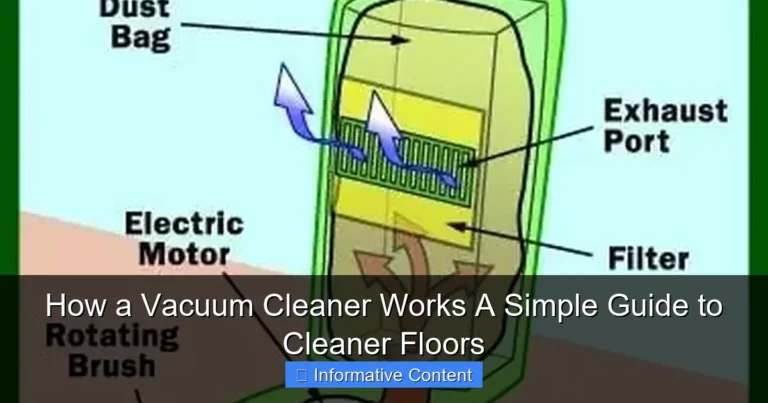
What makes a vacuum cleaner so effective? It’s all about suction. An electric motor powers a fan, which creates a partial vacuum inside the machine. This pressure difference causes air, along with dirt, dust, and debris, to be drawn into the vacuum cleaner, through a filter, and into a collection bag or canister. This fundamental principle ensures that particles are removed from your home, not just shifted around. A good vacuum cleaner picks up what a broom leaves behind, delving into carpet fibers and crevices where dirt likes to hide.
A Sanctuary of Health: The Invisible Benefits
One of the most compelling reasons to own a vacuum cleaner is its profound impact on indoor air quality and overall family health. Your home, while a haven, can also be a breeding ground for microscopic irritants.
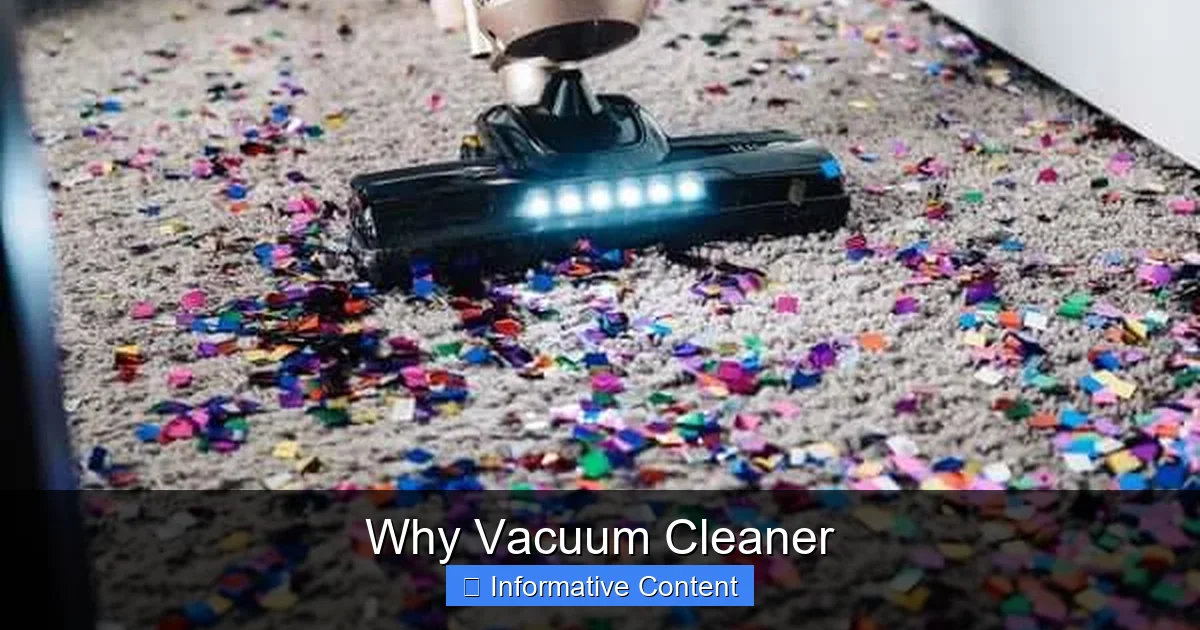
Visual guide about Why Vacuum Cleaner
Image source: vacmasterguide.com
Battling Allergens and Asthmatic Triggers
Millions of people worldwide suffer from allergies and asthma. Many common triggers reside right within our homes: dust mites, pet dander, pollen tracked in from outside, mold spores, and even cockroach allergens. These tiny particles can settle into carpets, upholstery, and even curtains. A standard broom is ineffective against these microscopic invaders, often making the problem worse by stirring them into the air.
A high-quality vacuum cleaner, especially one equipped with a HEPA (High-Efficiency Particulate Air) filter, can capture up to 99.97% of airborne particles as small as 0.3 microns. This means dust mites, their droppings, pet dander, and fine pollen are trapped, not recirculated. Regular vacuum cleaning becomes a critical line of defense for anyone with respiratory sensitivities, helping them breathe easier and experience fewer symptoms.
Tackling Pet Dander and Dust Mites
If you share your home with furry friends, you know the struggle with pet hair and dander. Pet dander, tiny flakes of skin shed by animals, is a potent allergen. Dust mites, microscopic creatures that thrive in warm, humid environments, feed on dead skin cells and are a major cause of indoor allergies. Both love to burrow deep into fabrics, making them difficult to remove.
A powerful vacuum cleaner with strong suction and specialized attachments (like a pet hair tool or a motorized brush head) can effectively extract pet hair and dander from carpets, rugs, and furniture. Similarly, the deep cleaning action of a vacuum cleaner can significantly reduce dust mite populations in mattresses and upholstery, dramatically improving the allergen load in your home.
Improving Overall Indoor Air Quality
Beyond specific allergens, a cleaner home simply means cleaner air. Everyday activities generate dust, lint, and micro-particles. Without proper removal, these accumulate and degrade the air quality, potentially leading to irritated eyes, sneezing, and a general feeling of stuffiness. Regular vacuum cleaning is one of the most effective ways to maintain a fresh, clean atmosphere indoors, contributing to better sleep and overall well-being.
Preserving Your Home’s Heart: Protecting Surfaces and Furnishings
Your home is likely one of your biggest investments, and the items within it, from carpets to hardwood floors, represent significant expenditures. A vacuum cleaner plays a crucial role in protecting these assets, helping them look better and last longer.
Extending Carpet and Upholstery Life
Carpets and rugs add warmth, comfort, and style to any room. However, they are also magnets for dirt, dust, and abrasive grit. When walked on, these tiny, sharp particles act like sandpaper, grinding away at the carpet fibers. Over time, this causes irreversible wear, matting, and discoloration, drastically shortening your carpet’s lifespan. Professional carpet cleaning can help, but regular maintenance with a vacuum cleaner is your first and best defense.
A vacuum cleaner with strong suction and a rotating brush bar effectively lifts these abrasive particles from deep within the carpet pile before they can cause significant damage. The same principle applies to upholstered furniture. Dirt and debris can embed themselves into fabric fibers, leading to premature wear and fading. Regular vacuuming with an upholstery tool helps preserve the integrity and appearance of your sofas, chairs, and other fabric-covered items.
Guarding Hard Floors
While brooms might seem sufficient for hard floors, they often just push fine dust and grit into corners or leave behind a hazy film. These tiny particles can scratch and dull the finish of hardwood, laminate, tile, and vinyl floors over time. A vacuum cleaner designed for hard floors, often with softer brush rolls or suction-only modes, can pick up all the fine debris without damaging the surface. This ensures your hard floors remain shiny, scratch-free, and beautiful for years to come.
Maintaining Airflow and Appliance Longevity
It might seem indirect, but a dust-free home also benefits your major appliances. Dust accumulation around vents, coils, and filters of items like refrigerators, air conditioners, and even computers can hinder their efficiency and shorten their lifespan. By regularly vacuuming these areas (using appropriate attachments), you ensure better airflow, reduce energy consumption, and prevent costly repairs, adding another layer to the “why vacuum cleaner” argument.
The Gift of Time: Efficiency in Modern Living
In our fast-paced world, time is a precious commodity. Manual cleaning methods, while sometimes necessary, are often time-consuming and labor-intensive. The vacuum cleaner offers a significant advantage in terms of speed, convenience, and versatility.
Speed and Simplicity
Imagine trying to clean a large carpeted area with a broom and dustpan. It would be an arduous, dusty, and largely ineffective task. A powerful vacuum cleaner can cover vast areas quickly and efficiently, lifting dirt with minimal effort on your part. What might take an hour with manual tools can often be done in a fraction of the time with a good vacuum cleaner, freeing you up for other activities.
Versatility Across Surfaces
Modern vacuum cleaners are marvels of adaptability. They come with an array of attachments and settings designed for different surfaces and cleaning challenges. Crevice tools reach into tight corners and along baseboards. Upholstery tools gently clean furniture. Dusting brushes handle delicate surfaces like blinds and bookshelves. Extension wands allow you to reach cobwebs on high ceilings. This versatility means you often only need one tool for a multitude of cleaning tasks, making your cleaning routine streamlined and effective.
Smart Cleaning: The Rise of Robotics
For the ultimate in convenience, robotic vacuum cleaners have revolutionized daily tidying. These autonomous devices can clean your floors on a schedule, navigating around obstacles and returning to their charging stations when finished. While they might not replace a deep clean from a traditional vacuum cleaner, they are invaluable for maintaining cleanliness between more thorough sessions, ensuring your home is always presentable with minimal effort from you. This is another compelling answer to the question, “why vacuum cleaner?”
Choosing Your Cleaning Companion: Types and Considerations
The market is flooded with various types of vacuum cleaners, each designed for specific needs. Understanding the differences can help you make the best choice for your home.
Upright Vacuums: The Classic Powerhouse
These are robust and excellent for deep cleaning carpets due to their powerful suction and rotating brush rolls. They are generally heavier but offer a wide cleaning path. Good for homes with extensive carpeting.
Canister Vacuums: Maneuverability and Reach
Canister models consist of a separate canister unit that houses the motor and dust bin, connected to a long hose with various attachments. They are lighter to maneuver and excel at cleaning hard floors, stairs, upholstery, and reaching awkward spots. Ideal for homes with mixed flooring or many above-floor cleaning tasks.
Stick and Handheld Vacuums: Quick Fixes and Small Spaces
Stick vacuums are lightweight and cordless, perfect for quick clean-ups, hard floors, and smaller homes. Handheld vacuums are ultra-portable, excellent for spills, car interiors, and quick spot cleaning. They offer unparalleled convenience for everyday tasks.
Robotic Vacuums: Set It and Forget It
As mentioned, these are for hands-free maintenance cleaning. They are especially good for pet owners who need daily hair removal or for those who want to keep hard floors free of dust and crumbs with minimal effort.
Essential Maintenance Tips
No matter which vacuum cleaner you choose, regular maintenance is key to its performance and longevity. Empty the dust bin or change the bag frequently. Clean or replace filters as recommended by the manufacturer. Check the brush roll for tangled hair or debris and clear it. These simple steps ensure your vacuum cleaner always operates at its peak efficiency, continuing to serve you effectively for years.
The Unseen Impact: Environmental and Psychological Aspects
Beyond the immediate physical benefits, the act of vacuum cleaning and the resulting clean environment have broader positive implications.
A Healthier Planet (with bagless/washable filters)
Modern vacuum cleaners, particularly bagless models with washable filters, contribute to less waste. By trapping allergens and dirt effectively, they also reduce the need for harsh chemical cleaning agents, promoting a more eco-friendly home environment. An efficient vacuum cleaner means a cleaner home with a smaller environmental footprint.
The Psychology of a Clean Space
There’s an undeniable psychological benefit to living in a clean, tidy home. A well-maintained space can reduce stress, improve focus, and promote a sense of calm and well-being. Knowing that your floors are free from dust and allergens, thanks to your diligent use of a vacuum cleaner, provides peace of mind and allows you to truly relax in your sanctuary. It fosters a feeling of control and pride in your living environment.
Conclusion
The question “why vacuum cleaner?” is answered resoundingly by its multifaceted benefits. It’s not just a tool for superficial tidiness; it’s a powerful ally in creating a healthy, comfortable, and beautiful living space. From deeply embedded dirt and invisible allergens to extending the life of your home’s furnishings and freeing up your valuable time, the vacuum cleaner performs an indispensable role.
Investing in a good quality vacuum cleaner that suits your specific needs is an investment in your health, your home, and your peace of mind. It transforms a mundane chore into an act of care for your environment and those who share it with you. So, the next time you look at that dusty corner or matted carpet, remember the profound impact a vacuum cleaner can have, and let its suction power pave the way to a cleaner, healthier, and happier home.
🎥 Related Video: Robot Vacuum vs. Gross Surprise!
📺 eufy Tutorials
Can the robot handle the challenge? Watch as the robot vacuum encounters a fake messy obstacle and tests its smart navigation …
Frequently Asked Questions
What are the main types of vacuum cleaners available?
The primary types include upright vacuums (great for carpets), canister vacuums (versatile for mixed surfaces and above-floor cleaning), stick vacuums (lightweight for quick clean-ups), handheld vacuums (portable for small messes), and robotic vacuums (for automated daily maintenance).
How do I choose the best vacuum cleaner for my home?
Consider your flooring types (carpet, hard floors), presence of pets, frequency of cleaning, and any allergy concerns. Uprights are good for mostly carpeted homes, canisters for mixed homes, and HEPA-filtered models are crucial for allergy sufferers. Also, think about corded vs. cordless and budget.
Is regular vacuuming really that important for carpet life?
Yes, incredibly so. Regular vacuuming removes abrasive dirt and grit from carpet fibers that act like sandpaper when walked on. This prevents premature wear, matting, and extends the lifespan and appearance of your carpets significantly.
What maintenance does a vacuum cleaner require?
Essential maintenance includes regularly emptying the dust bin or changing the bag, cleaning or replacing filters according to the manufacturer’s guidelines, and checking/clearing the brush roll of tangled hair and debris. This ensures optimal suction and performance.
Can vacuum cleaners remove pet hair effectively?
Many modern vacuum cleaners are specifically designed with features like powerful suction, specialized pet hair attachments, and tangle-free brush rolls to effectively lift and remove stubborn pet hair from carpets, upholstery, and hard floors.
What does “HEPA filter” mean for a vacuum cleaner?
HEPA stands for High-Efficiency Particulate Air. A HEPA filter can trap 99.97% of airborne particles as small as 0.3 microns, including pollen, dust mites, pet dander, and mold spores. This significantly improves indoor air quality and is highly beneficial for allergy and asthma sufferers.