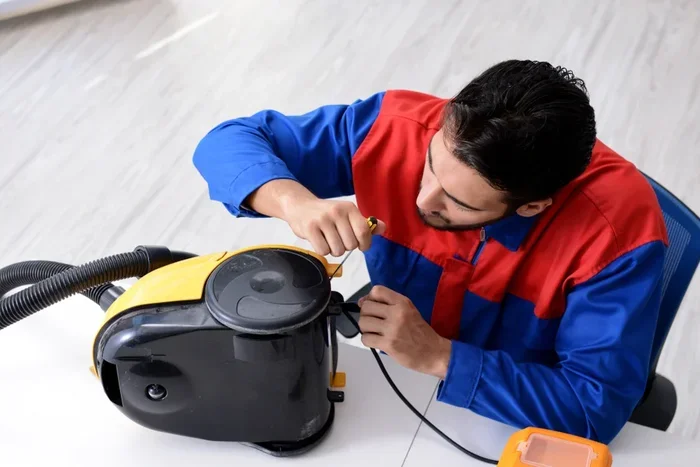
What Causes a Vacuum Cleaner to Smell Bad and How to Fix It
A smelly vacuum cleaner is a common problem caused by trapped dirt, mold, or clogged filters. This guide explains the top reasons your vacuum smells bad and gives you easy, step-by-step solutions to fix it fast. Keep your home fresh with simple maintenance tips.
You turn on your vacuum cleaner, and instead of fresh, clean air, a nasty smell hits your nose. It’s frustrating, right? A smelly vacuum isn’t just annoying—it can mean something’s wrong inside. The good news? Most causes are easy to fix with a little cleaning and care.
In this guide, we’ll break down exactly what causes a vacuum cleaner to smell bad and show you simple ways to fix it. Whether it’s a musty odor, a burning smell, or something worse, you’ll learn how to get your vacuum back to smelling fresh. Let’s dive in!
Key Takeaways
- Trapped debris: Old dirt, hair, and food particles inside the vacuum can rot and cause bad smells.
- Dirty filters: Clogged or wet filters trap moisture and bacteria, leading to musty odors.
- Mold and mildew: Damp environments inside the vacuum can grow mold, especially if not dried properly.
- Full dustbin or bag: Overfilled bags or bins prevent airflow and trap odors.
- Pet hair and dander: Pets shed hair and dander that can stick and smell if not cleaned regularly.
- Burning smell: A burning odor may indicate a motor issue or belt problem needing repair.
- Easy fixes: Regular cleaning, filter replacement, and proper storage prevent most vacuum odors.
📑 Table of Contents
Why Does My Vacuum Cleaner Smell Bad?
A vacuum cleaner works by sucking up dirt, dust, and debris. Over time, all that gunk builds up inside. If you don’t clean it regularly, it starts to rot and smell. Think of it like a trash can—if you never empty it, it stinks!
The most common causes of bad vacuum odors include trapped debris, dirty filters, mold growth, and full dustbins or bags. Sometimes, the smell comes from pet hair or even a mechanical issue like a burning belt. Knowing the cause helps you fix it fast.
Trapped Dirt and Debris
Every time you vacuum, dirt, hair, food crumbs, and other stuff get sucked in. Most of it ends up in the dustbin or bag. But some sticks to the brush roll, hose, or filters. Over time, this gunk starts to decompose. That’s when you get a rotten or sour smell.
How to fix it: Empty the dustbin or replace the bag after every few uses. Check the brush roll for tangled hair or string. Wipe down the hose and attachments with a damp cloth. A quick clean once a week keeps odors away.
Dirty or Clogged Filters
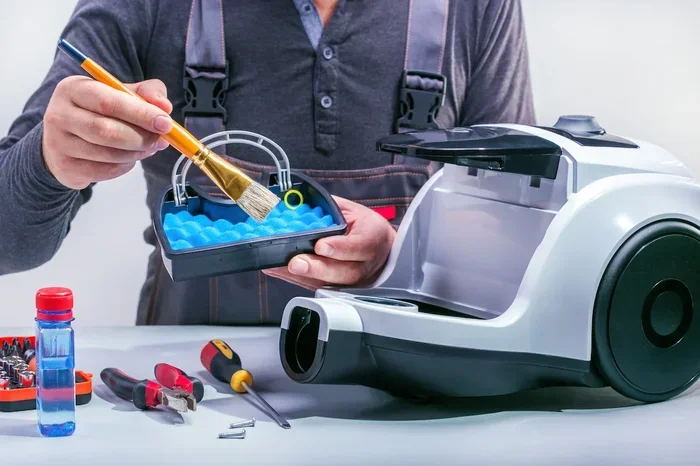
Filters trap tiny particles so they don’t blow back into your home. But when filters get clogged, they hold moisture and bacteria. This creates a musty, moldy smell. If your vacuum has a HEPA filter, it’s even more important to clean or replace it often.
How to fix it: Check your vacuum’s manual for filter care. Most filters need washing every 1–3 months. Let them dry completely before putting them back. If the filter is old or damaged, replace it. Clean filters mean fresher air.
Common Causes of Vacuum Odors
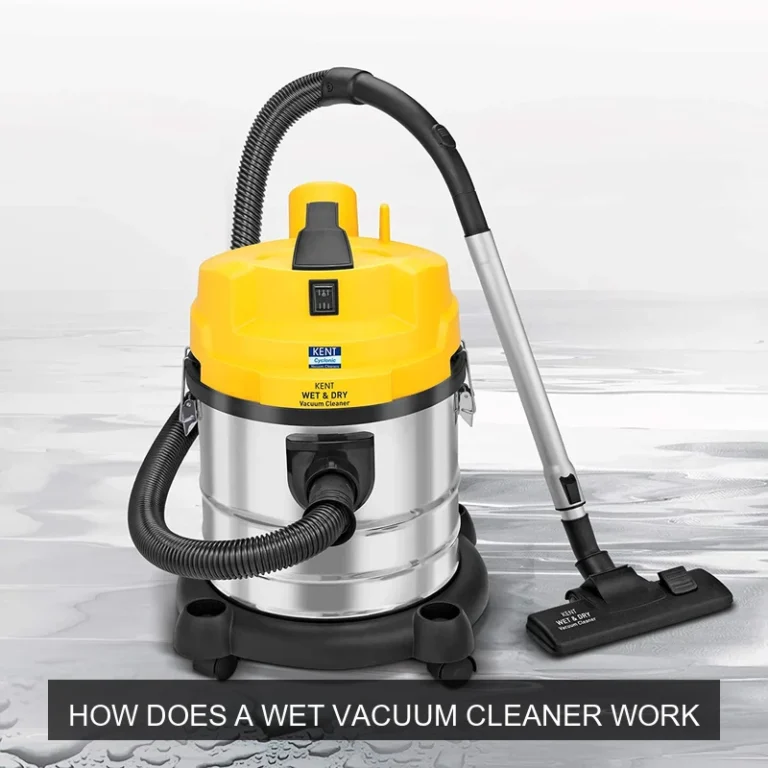
Visual guide about vacuum cleaner maintenance
Image source: edisonvacuums.com
Let’s look at the top reasons your vacuum smells bad. Each one has a simple fix, so you don’t need to panic.
Mold and Mildew Growth
If your vacuum gets wet—like from spills or humid air—mold can grow inside. Mold loves dark, damp places. That’s why the dustbin, hose, or filter housing can become a breeding ground. The smell is strong and musty, like old socks.
How to fix it: Always let your vacuum dry completely after use. Store it in a dry place. If you suspect mold, clean the inside with a mix of water and vinegar. Rinse well and dry thoroughly. Never put a wet filter back in.
Full Dustbin or Bag
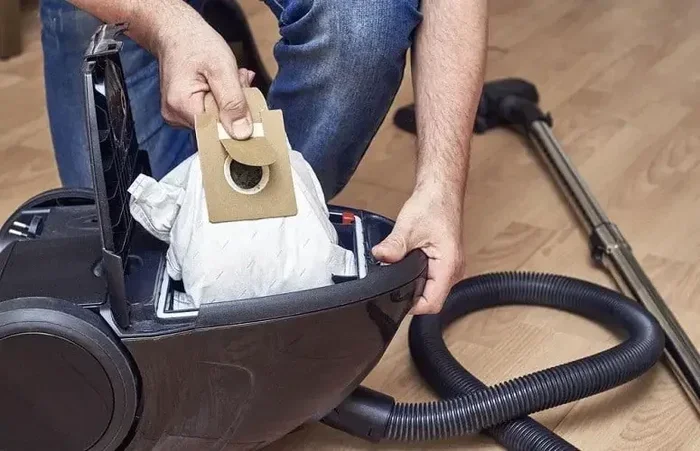
When the dustbin or bag is full, air can’t flow properly. Trapped air holds odors. Plus, the vacuum has to work harder, which can overheat the motor and cause a burning smell. It’s like trying to breathe through a stuffed nose!
How to fix it: Empty the dustbin when it’s half full. Replace bags before they’re packed tight. This keeps airflow strong and prevents odors. It also helps your vacuum last longer.
Pet Hair and Dander
Pets shed hair and dander all the time. These stick to the brush roll, hose, and filters. Over time, they build up and start to smell. If you have dogs or cats, this is probably the main cause of your vacuum’s stink.
How to fix it: Clean the brush roll weekly. Use a lint roller or damp cloth to wipe down attachments. Consider a vacuum designed for pet hair—they have stronger suction and better filters. Regular grooming of your pet also helps.
Burning Smells and Mechanical Issues
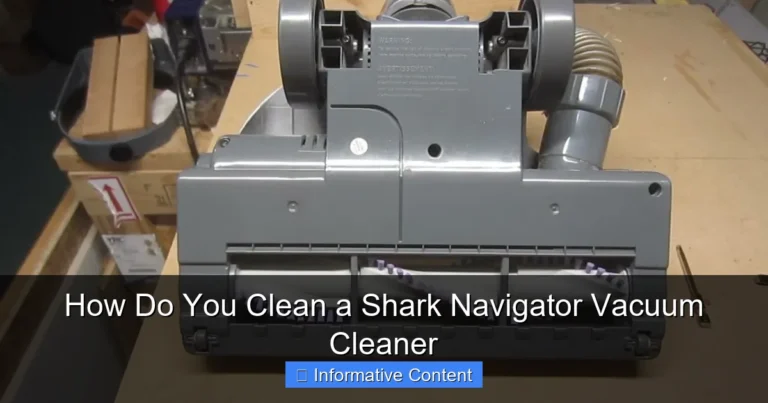
Visual guide about vacuum cleaner maintenance
Image source: homecleanexpert.com
Not all vacuum smells are from dirt. Sometimes, the odor is a sign of a problem inside the machine. A burning smell is serious—it means something is overheating or broken.
Worn-Out Belt
The brush roll spins thanks to a rubber belt. Over time, the belt wears out, slips, or breaks. When it does, it can rub against the motor and create a burning rubber smell. You might also notice the brush roll isn’t spinning.
How to fix it: Turn off the vacuum and unplug it. Check the belt for cracks or looseness. Replace it if needed—most belts cost just a few dollars. Follow your vacuum’s manual for instructions. A new belt fixes the smell and restores cleaning power.
Motor Problems
If the motor is failing, it can overheat and smell like burning plastic or metal. This is rare but serious. You might hear strange noises or notice weak suction. Don’t ignore it—continued use can damage the vacuum or even cause a fire.
How to fix it: Stop using the vacuum immediately. Let it cool down. Check for blockages in the hose or brush roll. If the smell persists, take it to a repair shop or contact the manufacturer. Safety first!
How to Prevent Vacuum Odors
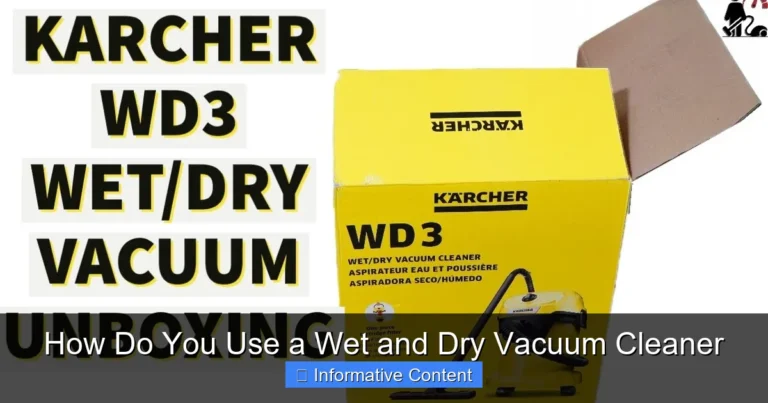
Visual guide about vacuum cleaner maintenance
Image source: vacuumdistrict.ca
Prevention is easier than fixing a smelly vacuum. A few simple habits keep your machine fresh and working well.
Clean Regularly
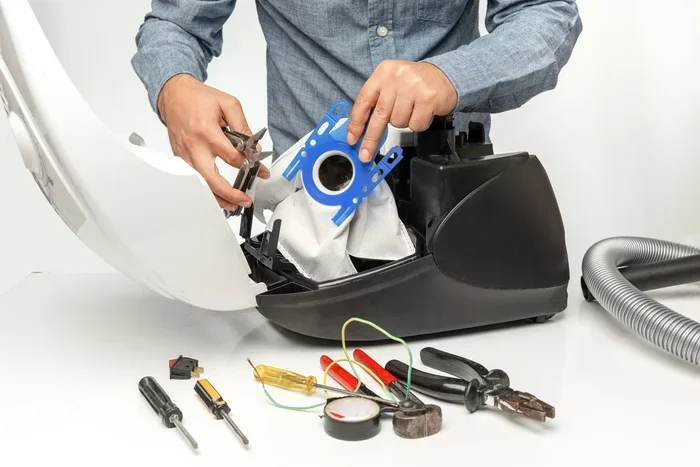
Make cleaning your vacuum part of your routine. Empty the dustbin or replace the bag often. Wipe down the brush roll, hose, and attachments. Clean or replace filters on schedule. A clean vacuum smells better and works better.
Store Properly
Don’t leave your vacuum in a damp basement or humid garage. Store it in a dry, cool place. Keep it upright so moisture doesn’t pool inside. If you use it on wet spills, dry it completely before storing.
Use Baking Soda
Baking soda is a natural odor absorber. Sprinkle a little in the dustbin or bag before vacuuming. You can also place an open box near your storage area. It’s cheap, safe, and effective.
When to Replace Your Vacuum
Sometimes, a vacuum is just too old or damaged to fix. If you’ve tried everything and the smell won’t go away, it might be time for a new one. Look for signs like constant odors, weak suction, or frequent breakdowns.
Modern vacuums have better filters, stronger suction, and easier maintenance. If your vacuum is over 7–10 years old, upgrading can save you time and hassle. Plus, newer models are often more energy-efficient.
Conclusion
A smelly vacuum cleaner is a common issue, but it’s usually easy to fix. Trapped debris, dirty filters, mold, full bags, pet hair, and mechanical problems are the main culprits. With regular cleaning and simple maintenance, you can keep your vacuum fresh and working great.
Remember to empty the dustbin, clean filters, check the belt, and store your vacuum properly. If the smell persists, it might be time for a repair or replacement. A clean vacuum means a cleaner, fresher home. Happy cleaning!
Frequently Asked Questions
Why does my vacuum smell like burning?
A burning smell usually means the belt is worn out or the motor is overheating. Turn off the vacuum, check the belt, and replace it if needed. If the smell continues, stop using it and get it repaired.
How often should I clean my vacuum filter?
Clean your vacuum filter every 1–3 months, depending on use. Wash it with water, let it dry completely, and put it back. Replace the filter once a year or if it’s damaged.
Can I use baking soda in my vacuum?
Yes! Sprinkle a small amount of baking soda in the dustbin or bag to absorb odors. It’s safe and natural. Just don’t use too much, as it can clog the filter.
Why does my vacuum smell musty?
A musty smell often comes from mold or mildew inside the vacuum. Clean the dustbin, hose, and filters with water and vinegar. Dry everything thoroughly before reassembling.
How do I stop my vacuum from smelling like my dog?
Clean the brush roll and attachments weekly to remove pet hair and dander. Use a vacuum with a HEPA filter and empty the bin often. Grooming your pet regularly also helps reduce shedding.
Is it normal for a new vacuum to smell?
Yes, a slight plastic or rubber smell is normal for new vacuums. It should fade after a few uses. If the smell is strong or doesn’t go away, check for packaging materials left inside.