Why a Vacuum Cleaner Loses Suction Over Time and How to Fix It
Vacuum cleaners lose suction over time due to clogged filters, full dust bags, blocked hoses, and worn-out belts. Understanding these common causes and knowing how to fix them can save you hundreds of dollars on replacements. This guide walks you through every reason your vacuum might be underperforming and gives you actionable solutions to bring it back to life.
You plug in your vacuum, press the power button, and immediately notice something is wrong. The machine sounds the same, but it barely picks up crumbs from your carpet. Sound familiar? You are not alone. Millions of people deal with this exact frustration every single day, and the good news is that most suction problems have simple, affordable fixes.
Understanding why a vacuum cleaner loses suction is the first step toward solving the problem permanently. In this guide, we will break down every common cause, show you how to diagnose the issue, and give you step-by-step solutions that actually work. No complicated jargon, no unnecessary replacements, just practical advice you can use today.
- Clogged filters are the #1 culprit: Dirty or old filters restrict airflow, dramatically reducing suction power in just weeks of regular use.
- Full bags or canisters reduce performance: When your dust bag or canister is over 75% full, airflow drops significantly and suction weakens.
- Blocked hoses and brushes trap debris: Hair, string, and small objects create blockages that silently kill your vacuum’s cleaning power.
- Worn belts affect brush roll speed: A stretched or broken belt means the brush roll spins slower, reducing the vacuum’s ability to lift dirt from carpets.
- Cracked seals and loose connections leak suction: Even a tiny crack in a hose or a loose connection can cause a major drop in performance.
- Regular maintenance prevents most problems: Simple weekly and monthly cleaning routines can keep your vacuum running at peak performance for years.
- Knowing when to replace parts matters: Filters, belts, and bags are consumable parts that need periodic replacement to maintain strong suction.
📑 Table of Contents
The Most Common Reasons Your Vacuum Loses Suction
Before you start thinking about buying a new vacuum, let’s look at what is actually going on inside your machine. Suction loss rarely happens overnight. It is usually a gradual process caused by one or more of the following issues.
Clogged or Dirty Filters
Filters are the unsung heroes of your vacuum cleaner. They trap fine dust particles and allergens so they don’t get blown back into your home. But here is the catch: when filters get clogged, they also block the airflow that creates suction. Think of it like trying to breathe through a thick scarf. The motor is working hard, but air simply cannot pass through efficiently.
Most vacuums have multiple filters, including a pre-motor filter, a post-motor filter, and sometimes a HEPA filter. Each one needs attention. If you have not cleaned or replaced your filters in the last three to six months, this is very likely your problem.
Full Dust Bag or Canister
This one seems obvious, but you would be surprised how many people overlook it. When your dust bag or canister fills up, there is less room for air to circulate. The vacuum motor needs a steady flow of air to create that powerful suction you rely on. A full bag chokes that airflow.
As a general rule, you should empty your canister or replace your bag when it reaches about three-quarters full. Waiting until it is completely packed makes your vacuum work much harder than it needs to.
Blocked Hose or Air Path
Debris does not always end up neatly inside the bag or canister. Sometimes hair, string, small toys, or clumps of dust get stuck inside the hose or the air pathway. These blockages can be sneaky because your vacuum might still sound normal while barely picking up anything.
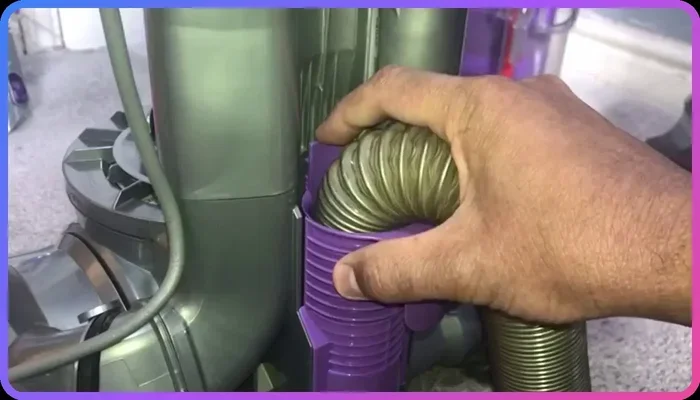
To check for a blockage, detach the hose and look through it. You can also run a broom handle through gently to push out any trapped material. If you notice a persistent clog, learning how to unclog a vacuum cleaner hose properly can save you a trip to the repair shop.
Worn or Broken Belt
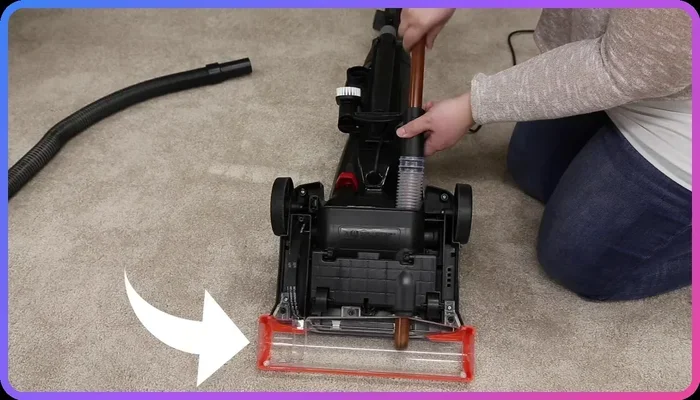
The belt is what spins the brush roll at the bottom of your vacuum. Over time, belts stretch out, crack, or snap entirely. When this happens, the brush roll either spins too slowly or stops spinning altogether. Without a properly spinning brush roll, dirt and debris stay embedded in your carpet fibers instead of being lifted up into the vacuum.
Most manufacturers recommend replacing the belt every six to twelve months, depending on how often you vacuum. It is an inexpensive part that makes a huge difference in performance.
Cracked Hoses and Loose Seals
Your vacuum is essentially an airtight system. Air gets pulled in through the cleaning head, travels through the hose, passes through the filters, and exits through the exhaust. If there is even a small crack in the hose or a loose seal somewhere along that path, air leaks in from the wrong places. This breaks the suction cycle and makes your vacuum far less effective.
Inspect your hoses regularly for cracks, holes, or loose connections. Even a tiny gap can cause a noticeable drop in performance.
How to Diagnose Suction Problems Step by Step

Visual guide about vacuum cleaner suction problem
Image source: cleanersadvisor.com
Now that you know the common causes, let’s walk through a simple diagnostic process. This will help you pinpoint exactly what is wrong so you can fix it quickly.
Step 1: Check the Bag or Canister
Start with the easiest fix. Remove the bag or empty the canister. If it was nearly full, test the vacuum again. Sometimes this alone restores full suction power.
Step 2: Inspect the Filters
Remove all filters and check their condition. If they look gray and packed with dust, it is time to clean or replace them. Washable filters should be rinsed with water and allowed to dry completely before reinstalling. Never put a wet filter back into your vacuum.
Step 3: Examine the Hose and Attachments
Detach the hose and look for blockages. Check the attachment heads too, as hair and string often wrap around the brush roll or get lodged in the narrow openings.
Step 4: Test the Brush Roll
Flip your vacuum over and look at the brush roll. Does it spin freely? Is there hair or string wrapped around it? If the belt looks loose or broken, replace it right away. Replacing a vacuum belt is one of the easiest DIY fixes and takes just a few minutes.
Step 5: Look for Air Leaks
With the vacuum running, run your hand along the hose and body. If you feel air escaping from anywhere other than the exhaust, you have found a leak. Cracked hoses should be replaced, and loose connections should be tightened or resealed.
Maintenance Schedule to Prevent Suction Loss
Visual guide about vacuum cleaner suction problem
Image source: i.ytimg.com
Prevention is always better than repair. Following a simple maintenance schedule keeps your vacuum running strong and extends its lifespan significantly.
| Maintenance Task | Frequency | Why It Matters |
|---|---|---|
| Empty canister or replace bag | Every 1-2 weeks (or when 3/4 full) | Maintains proper airflow and suction |
| Clean or replace filters | Every 1-3 months | Prevents airflow restriction and motor strain |
| Check and clean brush roll | Every 2-4 weeks | Removes hair and debris that reduce cleaning power |
| Inspect hose for blockages | Monthly | Ensures unobstructed air pathway |
| Replace vacuum belt | Every 6-12 months | Keeps brush roll spinning at optimal speed |
| Check seals and connections | Every 3-6 months | Prevents air leaks that kill suction |
When to Replace Parts vs. When to Replace the Vacuum
Visual guide about vacuum cleaner suction problem
Image source: bestvacuumcleaner.us
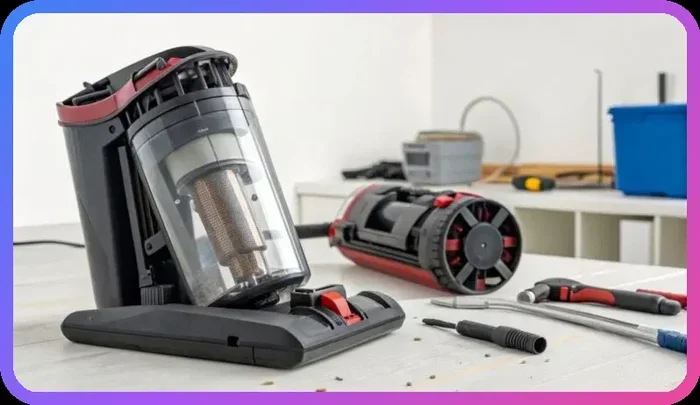
Not every suction problem means you need a new vacuum. In fact, most issues can be resolved with inexpensive replacement parts. Here is a quick guide to help you decide.
Replace the part if: The vacuum is less than five years old, the motor sounds strong, and the issue is limited to one component like a filter, belt, or hose.
Consider replacing the vacuum if: The motor sounds weak or strained even after all maintenance is done, the unit is over eight years old, or repair costs exceed half the price of a new model.
Extra Tips to Keep Your Vacuum Performing at Its Best
Beyond the basics, here are some lesser-known tips that can make a real difference in your vacuum’s performance.
Vacuum slowly and steadily. Rushing across the carpet does not give the brush roll enough time to agitate and lift dirt. Slow, overlapping passes work much better.
Adjust the height setting. If your vacuum has adjustable height, set it correctly for your floor type. Too high and you lose suction. Too low and the brush roll struggles to spin.
Clean up large debris first. Picking up large objects like coins, paper clips, or small toy parts before vacuuming prevents blockages and protects the motor.
Store your vacuum properly. Keeping it in a dry, temperature-controlled area prevents damage to hoses, seals, and electrical components. Proper vacuum storage is one of the simplest ways to extend its life.
Do not vacuum wet spills with a regular vacuum. Unless you own a wet-dry vacuum, moisture can damage the motor, clog filters, and create mold problems inside the machine.
Conclusion
A vacuum cleaner losing suction over time is one of the most common household frustrations, but it is also one of the most fixable. In the vast majority of cases, the problem comes down to clogged filters, full bags, blocked hoses, worn belts, or cracked seals. The good news is that every one of these issues has a straightforward and affordable solution.
By following a regular maintenance schedule and paying attention to the warning signs, you can keep your vacuum running at peak performance for many years. Before you spend money on a replacement, take ten minutes to check the basics. You might be surprised at how quickly a simple filter cleaning or belt replacement brings your vacuum back to life.
Your vacuum works hard for you every week. A little maintenance goes a long way in return.
Frequently Asked Questions
Why does my vacuum cleaner lose suction after just a few minutes of use?
This usually happens because the bag or canister is already nearly full, or the filters are heavily clogged. As you vacuum, debris quickly fills the remaining space and blocks airflow. Empty the canister and clean the filters before your next session to prevent this.
How often should I replace my vacuum cleaner filters?
Most filters need to be replaced every three to six months, depending on usage. Washable filters should be cleaned monthly and allowed to dry completely before reinstalling. Check your owner’s model for specific recommendations for your vacuum model.
Can a broken belt really cause suction loss?
Yes, absolutely. While the belt does not directly create suction, it spins the brush roll that lifts dirt from carpets. A broken or stretched belt means the brush roll cannot agitate carpet fibers effectively, making the vacuum appear to have lost suction even though the motor is fine.
Is it worth fixing an old vacuum or should I buy a new one?
If your vacuum is less than five years old and the motor still runs strong, fixing it is almost always worth it. Replacement parts like filters, belts, and hoses cost just a few dollars. However, if the motor sounds weak or the unit is very old, replacing it may be the smarter investment.
What should I do if my vacuum smells bad while running?
A bad smell usually means there is trapped debris inside the hose, canister, or filters that has started to decompose. Empty the canister, clean all filters, and check the hose for blockages. If the smell persists, you may need to disinfect the interior components.
Does vacuuming powder or fine dust cause suction problems?
Yes, fine powders like flour, drywall dust, or ash can clog filters much faster than regular household dust. If you need to vacuum fine particles, clean or replace your filters immediately afterward to prevent long-term damage to the motor and suction system.