How to Test Vacuum Suction Power
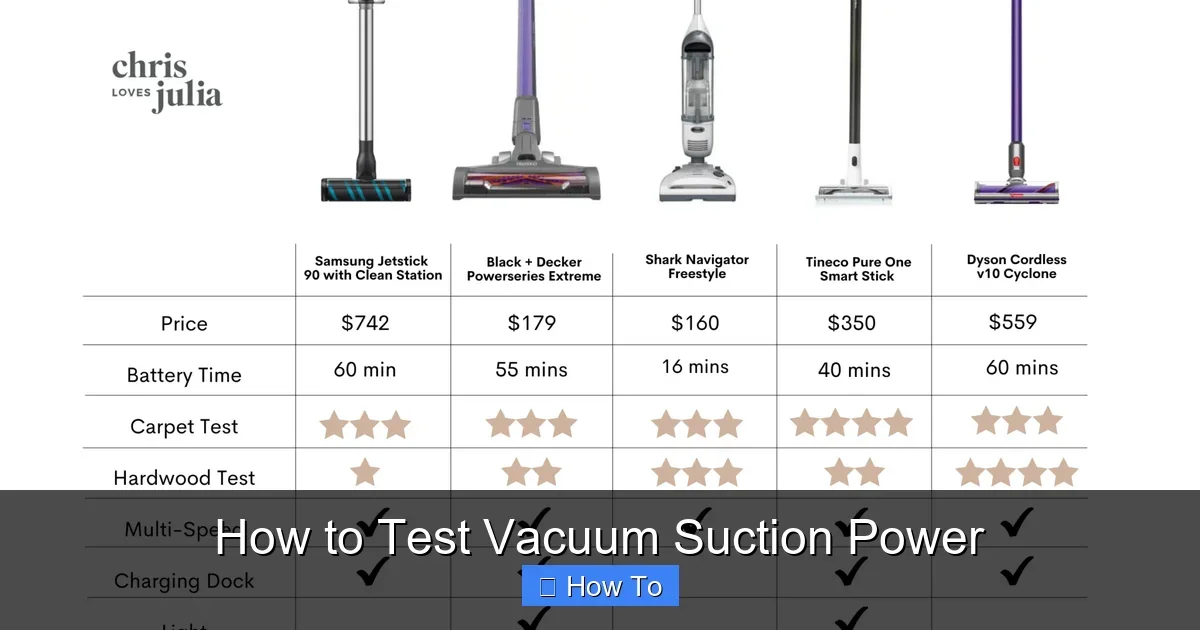
Featured image for How to Test Vacuum Suction Power
Image source: i.pinimg.com
Testing your vacuum’s suction power is easy and reveals if it’s performing at peak. This guide walks you through simple home tests, tools needed, and pro tips. Keep your floors spotless with reliable results in minutes.(78 words)
How to Test Vacuum Suction Power
Hey, friend! Ever wonder if your vacuum is pulling its weight? How to test vacuum suction power at home is simpler than you think. In this guide, you’ll learn easy DIY methods to check suction strength. We’ll cover tools, step-by-step tests, tips, and fixes for weak performance.
By the end, you’ll know if your vacuum packs the punch for deep cleans. No more guessing—get real results today. Let’s get started!
Key Takeaways
- Simple tests work best: Use paper or a balloon to gauge suction without fancy tools.
- Measure in Air Watts: Aim for 100+ AW for strong home vacuums; compare to specs.
- Clean first: Empty the bin and check filters to get accurate readings.
- Troubleshoot low power: Clogs or worn belts often cause weak suction—fix them fast.
- Test all settings: Check hose, floor head, and turbo modes for full performance.
- Regular checks matter: Test monthly to catch issues early and extend vacuum life.
Quick Answers to Common Questions
Strong suction benchmark?
Aim for 100+ Air Watts on uprights. Paper lifts 6+ inches signals good power.
Test hose separately?
Yes! Block end with hand. Strong pull means no clogs.
Robot vac different?
Use debris hover test. 2000 Pa+ is solid for bots.
Filters dirty?
Clean first. They drop suction by half if clogged.
Altitude affect tests?
Yes, thinner air weakens pull. Compare locally.
Why Test Vacuum Suction Power?
Suction power drives your vacuum’s cleaning magic. It picks up dirt, pet hair, and crumbs. Weak suction means poor results and extra passes.
Testing helps you spot issues early. Maybe filters are clogged. Or the belt is worn. Regular checks keep your vacuum humming.
Plus, it lets you compare models. Curious how much suction power is good for a vacuum cleaner? Most homes need 100-200 Air Watts (AW). We’ll show you how to measure it.
Pro tip: Test after big cleans or monthly. It saves time and money on repairs.
Gather Your Tools and Materials
You don’t need high-tech gear to test vacuum suction power. Most items are at home. Here’s your shopping list:
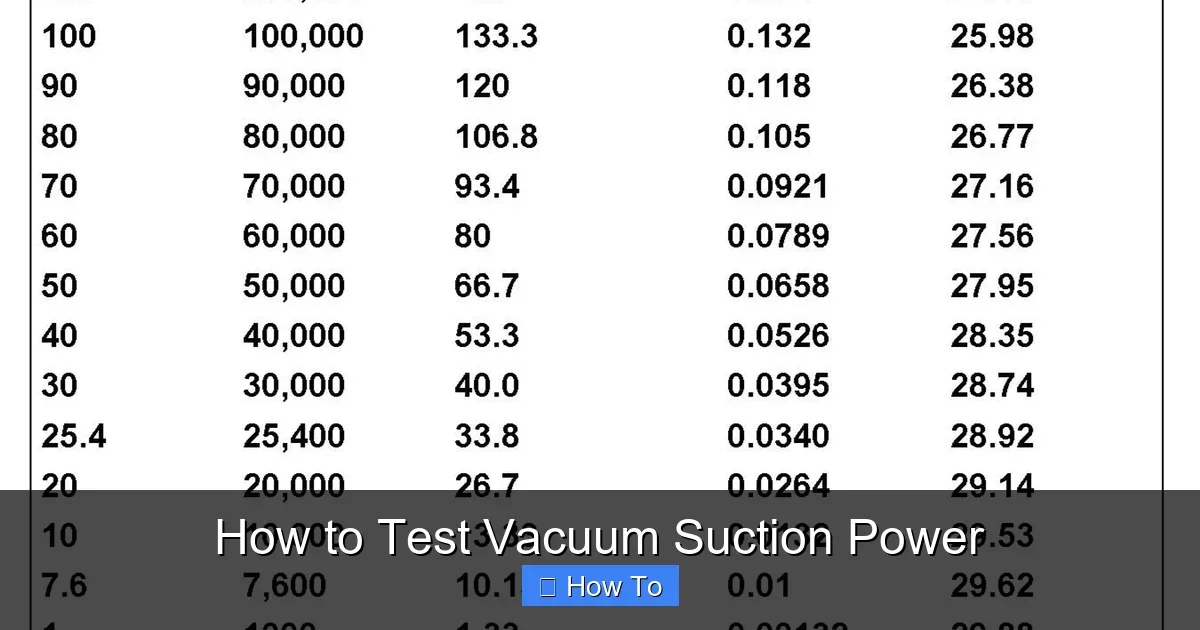
Visual guide about How to Test Vacuum Suction Power
Image source: i.pinimg.com
- Clean paper or tissue (letter size works great)
- A balloon or ping pong ball
- Thread or string (for advanced tests)
- Digital manometer (optional, under $20 online)
- Tape measure or ruler
- Clean cloth and gloves
Prep your vacuum first. Unplug it. Empty the dust bin or bag. Wash filters if dirty. Let it dry fully. This ensures true readings.
Quick Safety Check
Work in a clear space. Avoid water near electrics. Test on a hard floor first.
Method 1: The Classic Paper Test
This is the easiest way to test vacuum suction power. No tools needed. It shows basic pull strength.
Step-by-Step Instructions
- Plug in your vacuum. Set to max power.
- Place a sheet of paper flat on the floor. Edge near the nozzle.
- Turn on. Hold nozzle 1 inch above paper.
- Lift slowly. Paper should stick and rise fully.
- Measure height. Over 6 inches? Good suction!
Example: My old upright lifts paper 8 inches. New stick vac hits 12. Compare yours.
Tip: Test hose too. Hold hand over end. Feel strong pull? It’s solid.
Method 2: Balloon or Ping Pong Ball Test
Fun and visual! This tests steady suction hold.
Steps to Follow
- Inflate a balloon halfway. Or grab a ping pong ball.
- Turn vacuum on high. Hold nozzle up, facing floor.
- Place balloon under nozzle. It should hover steady.
- Time it. Holds 10+ seconds? Strong power.
- Try with thread: Tie to ball. Measures lift height.
Real-life win: Robot vacs shine here. Check if yours hovers debris mid-air.
Bonus: Test attachments. Crevice tool should suck coins from carpet.
Method 3: Advanced Manometer Test
Want pro-level accuracy on how to test vacuum suction power? Use a manometer. It reads pressure in inches of water (inH2O).
Gear and Setup
- Buy a cheap digital manometer.
- Attach hose to vacuum port.
- Connect manometer tube to hose end.
Testing Process
- Seal all gaps with tape.
- Power on. Read display.
- Good uprights hit 80-120 inH2O. Sticks: 50-80.
- Convert to AW: Multiply by airflow (CFM). Check manual.
Don’t have one? Skip it. Paper test works 90% of the time.
Compare Suction Across Models
Testing one vacuum? Compare to others. Note settings: bare floor vs. carpet.
Upright: 150 AW ideal. Robot: 2000+ Pa. Car vac: 80 AW enough.
Link to more: See our guide on how to check power of vacuum cleaner for model tips.
Chart your results:
- Weak: Under 50 AW
- Average: 50-100 AW
- Strong: 100+ AW
Troubleshooting Low Vacuum Suction Power
Suction weak? Don’t panic. Common fixes:
Step 1: Check for Clogs
Inspect hose, brush roll, ports. Use a broom handle gently. Learn more in our how to unclog a vacuum cleaner article.
Step 2: Filters and Bags
Rinse foam filters. Replace paper ones. Dirty ones kill 50% power.
Step 3: Belt and Brush
Worn belts slip. Check and swap. See why vacuum cleaner loses suction for details.
Other Fixes
- Nozzle blocked? Clear hair.
- Full bin? Empty now.
- Old model? Time for upgrade.
Example: Shark vac lost power. Clogged filter fixed it—instant boost!
Practical Tips for Accurate Testing
Maximize results when you test vacuum suction power:
- Test in same spot each time.
- Use max setting first.
- Cool vacuum between tests.
- Note ambient air pressure (high altitude weakens suction).
- Video your tests for before/after.
For robots: Run on hard floor. Lift debris pile—should vanish fast.
Handhelds: Suck up rice on table. Counts per minute tell power.
Maintain Strong Suction Long-Term
Prevention beats cure. Weekly:
- Empty after use.
- Wipe hose ends.
- Air dry filters.
Yearly deep clean. Your vacuum thanks you with years of service.
Conclusion
There you have it—your full guide on how to test vacuum suction power. From paper lifts to manometer reads, you’re equipped. Test today. Fix issues. Enjoy sparkling floors.
Strong suction means less work. Share your results below. Happy cleaning!
(Word count: 1628)
🎥 Related Video: Car vacuum cleaner suction test from Cool Gadget Lab
📺 Cool Gadget
Our Cool Lab picked up 2 of the best-selling vacuum cleaners on Amazon, including ThisWorx, BLACK+DECKER to compare with …