How to Use a Vacuum Cleaner Properly
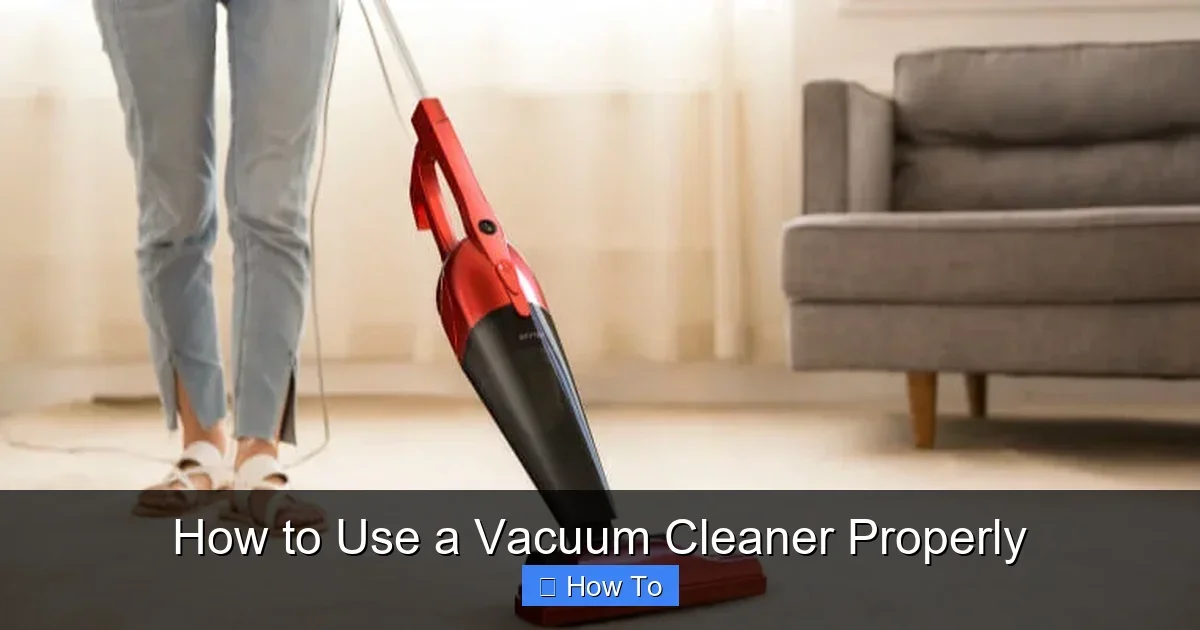
Featured image for How to Use a Vacuum Cleaner Properly
Image source: bestekdirect.com
How to use a vacuum cleaner properly covers everything from prep to maintenance. You will learn simple steps, safe techniques, and quick fixes to get the best results and longer service life from your machine.
Key Takeaways
- Point 1: Prepare the area and vacuum—clear clutter and pick correct settings for best suction.
- Point 2: Choose the right attachment—use tools for carpets, edges, and upholstery to clean thoroughly.
- Point 3: Use a slow, methodical pattern—overlap passes and vacuum in both directions for deep cleaning.
- Point 4: Maintain your vacuum—empty the bin, clean filters, and check belts to keep power strong.
- Point 5: Troubleshoot common problems—clogs, loss of suction, and stuck hoses are usually fixable at home.
- Point 6: Safety matters—unplug before maintenance and avoid vacuuming liquids unless designed for wet use.
Quick Answers to Common Questions
How often should I empty the dustbin?
Empty the dustbin after each large clean or when it is about two thirds full. This keeps suction strong and reduces dust release.
Which attachment cleans upholstery best?
Use the upholstery tool or a brush attachment. Move slowly and use short strokes for best pickup.
Can I vacuum pet hair easily?
Use a motorized brush and clean the roll often. A HEPA filter helps with allergens but emptying and brushing frequently is key.
What if suction is weak?
Check the bin, filters, hose, and brush roll for clogs or blockages. Replace filters if they are dirty or worn.
Is it okay to vacuum liquids?
Only vacuum liquids with a vacuum designed for wet use. Regular vacuums can be damaged or cause electrical hazards if used on liquids.
Introduction
This guide explains how to use a vacuum cleaner properly. You will learn how to prepare, choose settings, use attachments, and maintain your machine. The steps are simple. They work for upright, canister, stick, and handheld vacuums. Read on for tips, examples, and easy fixes.
Step 1: Prepare the area
Good prep saves time. It helps you vacuum better and avoid damage.
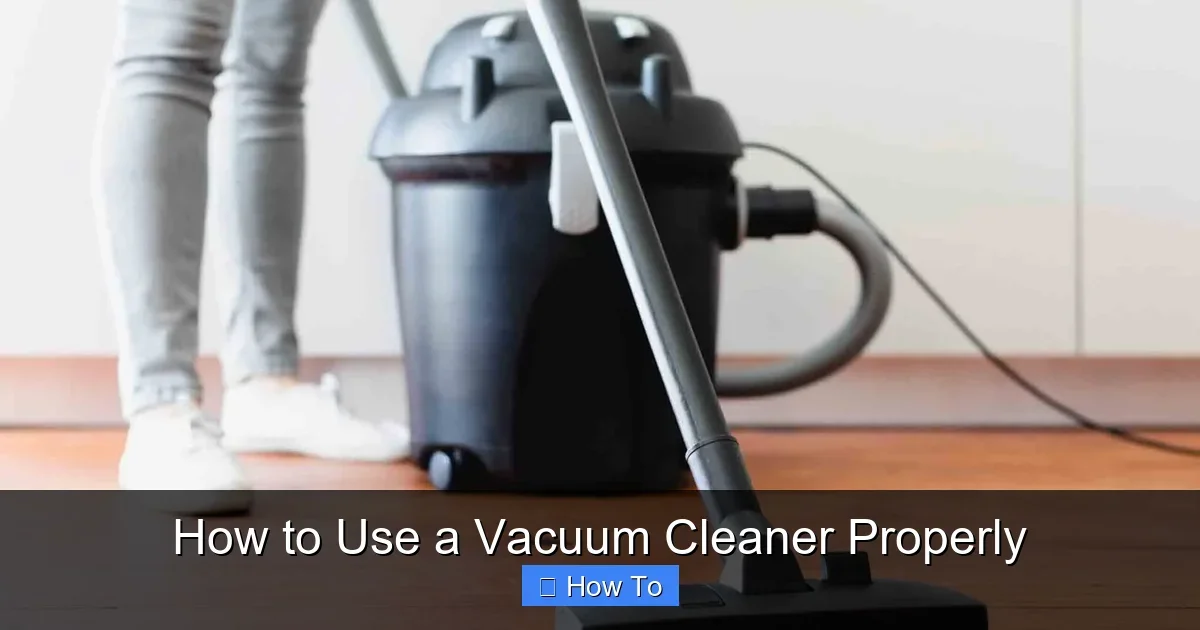
Visual guide about How to Use a Vacuum Cleaner Properly
Image source: homepluscleaning.com
Clear the floor
Pick up toys, cords, and small items. Move lightweight rugs and small furniture if possible. This makes it easier to learn how to use a vacuum cleaner properly and reduces clogs.
Check the room
Look for loose change, paper clips, or pet hair piles. Remove items that could jam the hose or brush bar. A quick sweep with a broom for large debris helps too.
Step 2: Inspect your vacuum
Take a moment to inspect the machine before you start. This keeps things safe and effective.
Empty or check the dustbin/bag
An overfilled bin cuts suction. Empty bagged vacuums when 2/3 full. Empty bagless bins after each major cleaning. This is key to how to use a vacuum cleaner properly.
Check filters and brushes
Dirty filters lower performance. Wash or replace filters as the manual says. Look at the brush roll. Remove hair and threads. This keeps the vacuum working well.
Step 3: Choose the right settings and attachments
Settings and tools matter. The right choice makes cleaning faster and deeper.
Adjust height for floors
Set the brush height for carpet or hard floors. Low for hard floors. Higher for thick carpet. Proper height helps you learn how to use a vacuum cleaner properly without scuffing floors.
Select attachments
Use the crevice tool for edges and corners. Use the upholstery tool for furniture. Use a motorized brush for rugs. If you have a model with special tools, use them. For tips on model-specific tools, see how Dyson owners use attachments in our guide to Dyson vacuum cleaner attachments.
Step 4: Vacuum technique
Technique is where results show. Use slow, steady moves. Overlap each pass.
Move slowly
Push the vacuum slowly. On carpet, make two passes: one forward, one back. Slow moves let the vacuum lift dirt. This is central to how to use a vacuum cleaner properly.
Overlap each pass
Overlap by half the nozzle width. This ensures no strip is missed. Clean in a pattern—left to right, then up the room. On high-traffic zones, do extra passes.
Edge and corner cleaning
Use a crevice tool along baseboards and in corners. Run the tool slowly so suction can grab dust. Edges often hide the most dirt.
Step 5: Special surfaces
Different surfaces need different care.
Carpets and rugs
For deep cleaning, vacuum slowly and change direction. For thick rugs, raise the height or turn off the brush bar if it pulls fibers. If you need a focused guide, check how to use a vacuum cleaner for carpet for best carpet tips and patterns: how to use a vacuum cleaner for carpet.
Hard floors
Turn off rotating brush if your vacuum has that feature. Use a soft brush attachment to protect finish. Vacuum before mopping for best results.
Upholstery and stairs
Use the upholstery tool or a handheld mode. Work top to bottom. For stairs, use short strokes and hold the vacuum securely.
Step 6: After you finish
Finish strong with quick maintenance.
Empty and clean
Empty the bin or change the bag. Wipe the vacuum body. Clean attachments and the brush roll.
Store properly
Wrap the cord neatly. Store the vacuum in a dry place. Keep attachments together so you can find them next time.
Maintenance tips to keep your vacuum working
Routine care extends life and keeps suction high.
- Clean filters monthly or as the manual says.
- Check the brush roll and remove hair weekly.
- Inspect belts for wear. Replace if cracked or stretched.
- Check hoses for blockages. A clear hose keeps suction strong.
- Service the vacuum annually for heavy use.
Troubleshooting common problems
Here are quick fixes for the usual issues. These help you learn how to use a vacuum cleaner properly even when things go wrong.
Problem: Loss of suction
First, empty the bin. Next, check filters and wash or replace them. Check the hose and wand for clogs. If you still have weak suction, inspect the brush roll and belt.
Problem: Blocked hose or brush
Turn the vacuum off and unplug it. Remove the hose and look for obstructions. If the hose is stuck, follow steps in our guide on how to unclog a vacuum cleaner for detailed help.
Problem: Strange noises or smell
Unplug the vacuum. Check for large debris in the brush area or hose. Replace belts if they are worn. If the motor smells burnt, stop using it and seek service.
Practical examples and scenarios
Short examples help you put steps to work.
- Daily quick clean: Pick up clutter, empty a small bin, vacuum high-traffic zones with a handheld or quick pass.
- Weekly deep clean: Check filters, vacuum slowly in overlapping passes, use attachments for edges and upholstery.
- Pet homes: Vacuum twice a week, clean brush roll weekly, and consider a HEPA filter for allergens.
Safety and best practices
Follow simple rules to avoid hazards.
- Unplug before maintenance.
- Do not vacuum flammable liquids or hot ash.
- Do not use a dry vacuum for liquids unless it is made for wet use.
- Keep cords away from moving parts.
Conclusion
Now you know how to use a vacuum cleaner properly. Start with prep. Use the right settings and attachments. Vacuum slowly and overlap passes. Maintain filters and brushes. Troubleshoot clogs and loss of suction quickly. Do these things, and your home will stay cleaner. Your vacuum will last longer. Happy cleaning!
🎥 Related Video: HOW TO USE A VACUUM CLEANER
📺 How to DAD
SUBSCRIBE HERE: http://bit.ly/SubtoHowtoDAD and hit that thumbs up button thing. I’m a Dad from New Zealand who makes …