
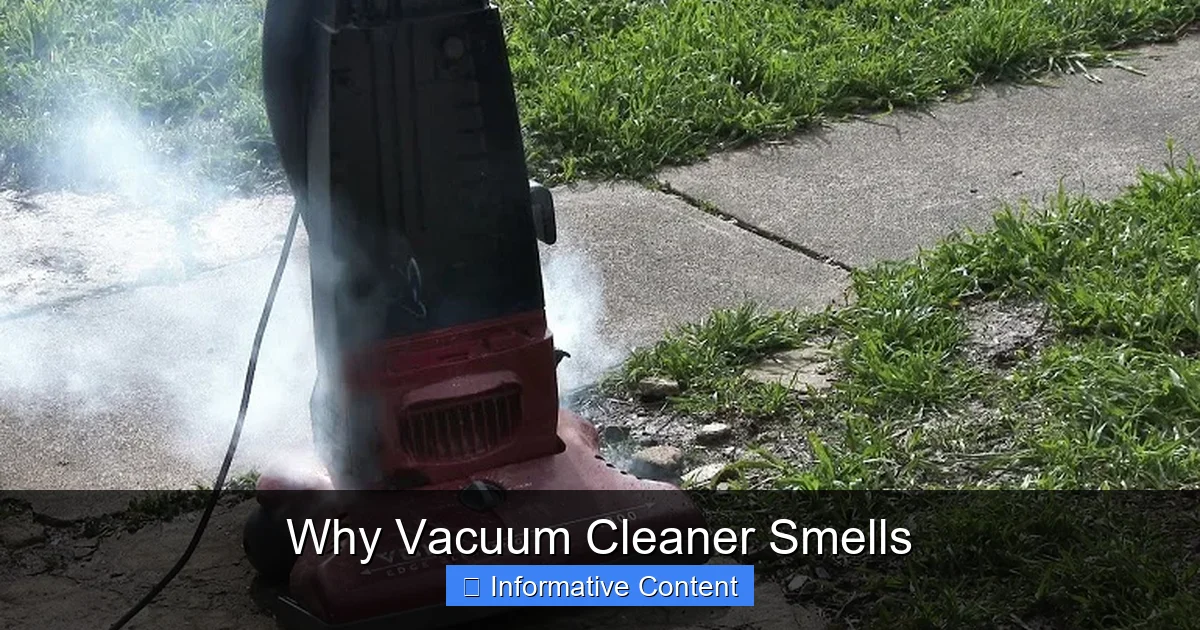
Ever wonder why your vacuum cleaner smells unpleasant after a cleaning session? It’s a common issue, often stemming from accumulated dirt, pet dander, mold, or clogged filters. Understanding these root causes is the first step to eliminating the stench and keeping your home fresh. Regular maintenance, proper filter care, and addressing moisture are key to banishing those unwanted odors and ensuring your cleaning tool actually leaves your home smelling clean.
Why Vacuum Cleaner Smells
Ah, the satisfying hum of a vacuum cleaner at work, tidying up the dust and debris of daily life. It’s a sound that promises a cleaner, fresher home. But what happens when that promise turns sour? What if, instead of a fresh scent, your vacuum cleaner leaves behind an unpleasant odor, making you wonder why vacuum cleaner smells like a forgotten gym sock or something even worse? You’re not alone; this is a remarkably common problem that many homeowners face.
It’s quite ironic, isn’t it? The very device designed to make your home spotless sometimes becomes a source of foul smells itself. This can be baffling, frustrating, and certainly not the outcome you expect when you dedicate time to cleaning. But fear not! Understanding the root causes of these strange odors is the first crucial step towards eliminating them and reclaiming that fresh, clean scent you desire. Let’s dive deep into the mysteries of your smelly vacuum cleaner and discover how to banish those unwelcome stenches for good.
The Obvious Offenders: What’s Trapped Inside?
Often, the simplest explanation is the right one. When you ask yourself, “why vacuum cleaner smells bad?”, the most immediate culprit is usually what’s collected inside. Your vacuum cleaner is a powerful suction device, designed to pick up all sorts of things from your floors and surfaces. And, naturally, some of those things aren’t exactly fragrant.
Dust, Dirt, and Pet Dander: The Everyday Accumulation
Think about what your vacuum sucks up on a daily basis: dust, dirt, hair, and most notably for pet owners, pet dander. All of these seemingly innocuous particles, when collected in large quantities, begin to break down and decompose. Dust isn’t just inert particles; it’s a mix of skin cells, fabric fibers, outdoor soil, and microscopic organisms. Pet dander, in particular, is a hotbed for bacteria and allergens. As these organic materials sit in the warm, sometimes moist, environment of your vacuum’s bag or canister, they start to develop a distinct, often musty or stale odor. This is a primary reason why your vacuum cleaner smells the way it does after a few uses.
Food Particles and Spills: Unseen Leftovers
Accidentally vacuuming up a few crumbs from dinner is usually harmless, but sometimes you might pick up more than you realize. A spilled drink that has dried, a dropped piece of fruit, or even just a few forgotten cereal bits can become prime real estate for odor-causing bacteria once they are sucked into the vacuum. If these damp, organic materials sit in the bag or canister, they will begin to mold and ferment, producing truly putrid smells. This is a very common scenario for why vacuum cleaner smells like rotten food or sour milk.
Hair and Fibers: Traps for Grime
Human hair and pet fur, along with carpet fibers and threads, aren’t just bulky; they also act as traps. They can tangle around the brush roll, get stuck in the hose, or collect in the bag, holding onto tiny bits of dirt, food particles, and moisture. Over time, these masses of hair and fiber can become saturated with grime, contributing significantly to a bad odor. If your vacuum cleaner smells particularly strong after vacuuming a lot of hair, this could be why.
The Filtration System Fiasco: When Filters Fail
Your vacuum cleaner’s filters are crucial for trapping dust and allergens, keeping the air clean as you vacuum. However, they can also be a major source of bad smells if not properly maintained. Filters are designed to capture particles, and sometimes those captured particles bring their own distinct aromas.
Clogged Filters: A Breeding Ground
Most modern vacuums have several filters, including pre-motor and post-motor (often HEPA) filters. These filters can become clogged with layers of dust, dirt, dander, and other debris. When filters are saturated, airflow is restricted, which can cause the vacuum to work harder and even overheat slightly. More importantly, these accumulated particles within the filter media provide a perfect breeding ground for bacteria and mold. As these microorganisms multiply, they release gases that create a stale, musty, or truly foul odor. When you ask, “why vacuum cleaner smells so bad, even after emptying?”, clogged filters are a likely suspect.
Wet Filters: The Mold and Mildew Magnet
If you’ve ever cleaned a washable filter and put it back before it was completely dry, you’ve created a perfect environment for mold and mildew to thrive. Even a tiny bit of residual moisture, combined with the collected dirt and warmth from the vacuum’s operation, can lead to rapid fungal growth. Mold has a very distinct, pungent, and often earthy smell that can quickly permeate your entire home as you vacuum. This is a common and easily preventable reason why vacuum cleaner smells so musty.
Types of Filters and Their Role
Different filters have different roles. Pre-motor filters protect the motor from large particles, while post-motor filters (like HEPA filters) trap fine dust and allergens before the air is expelled. Both can become odorous. HEPA filters, being denser, can sometimes trap moisture more effectively, making them more prone to developing mold if not dried thoroughly after washing or if the vacuum picks up damp debris. Understanding the filter types helps you know which ones to check when your vacuum cleaner smells.
The Moisture Menace: Mold, Mildew, and Mustiness
Moisture is the enemy of a fresh-smelling vacuum. It’s a silent, unseen accomplice in the creation of some of the worst odors your machine can produce.
Vacuuming Dampness: A Recipe for Disaster
Sometimes, we might vacuum up something that isn’t completely dry – a damp carpet after a spill, a slightly wet floor, or even just high humidity in the air. Dry vacuums are not designed to handle liquids. When moisture enters the vacuum’s system, it mixes with the dust and debris already present in the bag, canister, filters, and hoses. This damp, dark, and often warm environment is absolutely ideal for mold and mildew to grow. Mold can grow surprisingly quickly, sometimes within just 24-48 hours. The musty, pungent smell of mold is very difficult to get rid of once it takes hold, explaining why vacuum cleaner smells so strongly of mildew after just one incident.
Humid Environments: Storing Your Vacuum
Even if you’re careful not to vacuum up liquids, how and where you store your vacuum matters. Storing a vacuum in a damp basement, a humid garage, or even a very moist closet can encourage mold and mildew to grow within the machine itself, especially if there’s any residual dust or organic material present. Just like clothes in a damp laundry basket, your vacuum can develop a stale, musty odor from simply being in a humid environment. This contributes to why vacuum cleaner smells even when it hasn’t been used recently.
Persistent Dampness: Beyond Visible Spills
It’s not always about large spills. Tiny amounts of moisture can cling to dust particles. Over time, these micro-environments inside the vacuum can foster bacterial and fungal growth. The hose, in particular, can trap moisture and organic material, making it a prime location for odors to develop. If you’ve cleaned everything else and your vacuum cleaner still smells, check the hose thoroughly for any trapped debris or dampness.
Heat and Harm: Motor and Belt Issues
Not all vacuum odors are from organic decomposition. Sometimes, the smell is more mechanical, indicating a problem with the internal workings of the machine.
Burning Rubber: The Overworked Belt
Many upright vacuums and some canister models use a rubber belt to spin the brush roll. Over time, these belts can wear out, stretch, or become damaged. If the brush roll gets jammed by too much hair or debris, or if the belt is simply old, it can slip, rub, and generate friction, leading to a distinct burning rubber smell. This smell can be quite strong and alarming. It’s a clear signal that something is wrong with the brush roll or belt assembly. This is a very specific answer to why vacuum cleaner smells like something is burning.
Electrical Odors: A Warning Sign
A burning electrical smell is a more serious concern. This could indicate an issue with the motor itself, damaged wiring, or an overheating component. Electrical smells are usually sharp, acrid, and unmistakable. If you detect an electrical burning smell, stop using the vacuum immediately, unplug it, and have it inspected by a professional. Continuing to use it could pose a fire hazard. This type of smell is a critical indicator of a problem when you are wondering why vacuum cleaner smells like scorched plastic or wiring.
Overheating Motor: Beyond the Smell
Sometimes, the motor can simply overheat due to a clogged filter, a full bag, or a blockage in the hose or brush roll. When the motor works harder to compensate for restricted airflow, it generates more heat. This heat can cook accumulated dust inside the motor housing, causing a hot, dusty, or even slightly singed smell. While not as dangerous as an electrical short, it’s still a sign that your vacuum needs attention and better airflow to prevent damage. An overheating motor is another reason why your vacuum cleaner smells hot and dusty.
The Unseen Intruder: Pests and Critters
While less common, sometimes the cause of a truly dreadful vacuum smell isn’t just dirt or mold, but something far creepier.
Insect Remains: More Common Than You Think
It’s an unpleasant thought, but your vacuum can easily suck up spiders, ants, cockroaches, or other household insects. If these creatures get trapped in the bag, canister, or even the hose, they will eventually die and decompose. A collection of decomposing insects can produce a remarkably foul and persistent odor, making you ask, “why vacuum cleaner smells so horrific?” It’s definitely a less talked about, but very real, possibility.
Rodent Evidence: A Serious Problem
In rare but serious cases, a small rodent like a mouse could be accidentally vacuumed up, or perhaps it crawled into the vacuum and got stuck, particularly if the vacuum has been stored in a garage or shed. The smell of a decomposing rodent is unmistakable and extremely potent. If you suspect this, you’ll need to carefully and cautiously dismantle your vacuum to remove the source of the odor, taking appropriate sanitary precautions. This is usually the worst-case scenario for why vacuum cleaner smells beyond anything imaginable.
Banishing the B.O.: Practical Solutions and Prevention
Now that we understand why vacuum cleaner smells, let’s talk about how to make it smell fresh and clean again, and how to prevent those odors from returning.
Regular Emptying and Cleaning
- Bagged Vacuums: Don’t wait until the bag is overflowing. Replace it when it’s about two-thirds full. The less time old debris sits, the less it smells.
- Bagless Canisters: Empty the dirt canister after every single use. Rinse it with warm, soapy water and allow it to air dry completely before putting it back.
- Brush Roll and Hose: Regularly inspect and clean the brush roll, removing tangled hair, string, and debris. Check the hose for blockages and clear any obstructions.
Filter Care and Replacement
- Washable Filters: If your filters are washable, rinse them under cool water until the water runs clear. Crucially, let them air dry for at least 24-48 hours (or until completely dry) before putting them back. Never use a wet filter.
- Non-Washable Filters: Tap these filters gently over a trash can to dislodge dust. Replace them according to the manufacturer’s recommendations, typically every 3-6 months, or more often if you have pets or allergies.
Deodorizing Your Vacuum
- Baking Soda: Sprinkle a small amount of baking soda on your carpets before vacuuming. It helps absorb odors as it gets sucked up.
- Vacuum Deodorizers: You can purchase specialized vacuum fresheners or scent tabs designed to be placed in the bag or canister.
- Essential Oils: A few drops of essential oil (like lemon or tea tree oil) on a cotton ball, placed in the bag or canister, can help. Be cautious not to apply directly to filters or internal components.
Professional Check-ups
If you’ve tried all these steps and your vacuum cleaner still smells, or if you detect burning electrical odors, it might be time for a professional inspection. A technician can diagnose motor issues, electrical faults, or deeply hidden blockages that are difficult for you to access. Don’t underestimate the power of regular maintenance for prolonging the life of your appliance and keeping it fresh.
Conclusion
A smelly vacuum cleaner is not just an annoyance; it can make your whole home feel less clean. Thankfully, by understanding why vacuum cleaner smells bad, you’re now equipped with the knowledge to tackle those odors head-on. From the everyday accumulation of dust and dander to the stealthy growth of mold in filters or the alarming scent of an overheating motor, each smell tells a story about what’s going on inside your appliance.
By adopting a routine of regular emptying, thorough cleaning of components, diligent filter care, and swift action against moisture, you can keep your vacuum cleaner smelling as fresh as the clean home it helps create. So, take a moment to give your trusty cleaning companion the care it deserves. A fresh-smelling vacuum means a truly fresh-smelling home!
Key Takeaways
- Accumulated Debris: Dirt, dust, pet dander, and food particles trapped in the bag or canister are primary sources of bad odors.
- Clogged Filters: Dirty or wet HEPA and pre-motor filters can harbor bacteria and mold, causing a musty or sour smell if not regularly cleaned or replaced.
- Moisture and Mold: Vacuuming damp areas or spills can lead to mold and mildew growth inside the machine, creating strong, unpleasant smells that permeate your home.
- Motor Issues: A burning rubber or electrical smell usually indicates an overheating motor, a worn belt, or other electrical faults, which require immediate attention.
- Pest Infestations: Sometimes, unseen pests like insects or rodents, or their remnants, can be the surprising reason why a vacuum cleaner smells.
- Lack of Maintenance: Irregular cleaning of all components (bag/canister, filters, brush roll, hose) is a major contributor to persistent odors and reduces your vacuum’s efficiency.
- Prevention is Key: Regular emptying, thorough cleaning, timely filter replacement, and prompt attention to spills are essential practices to keep your vacuum smelling fresh.
Quick Answers to Common Questions
Why does my vacuum cleaner smell like dog?
Your vacuum cleaner likely smells like dog because it’s collecting a significant amount of pet dander, fur, and associated odors from your pet’s shedding. These particles accumulate in the bag/canister and filters, breaking down and releasing a concentrated “dog smell” every time you vacuum.
Can a vacuum cleaner catch fire if it smells like burning?
Yes, a vacuum cleaner smelling like burning rubber (due to a worn belt) or, more seriously, burning electrical components (due to an overheating motor or wiring) can pose a fire hazard. If you detect an electrical burning smell, unplug it immediately and do not use it until it’s professionally inspected.
How often should I clean my vacuum’s filters?
You should clean washable filters at least once a month, or more frequently if you have pets or allergies. Non-washable filters should be replaced every 3-6 months, or as recommended by the manufacturer, to maintain optimal performance and prevent odors.
Why does my new vacuum cleaner smell bad?
If your new vacuum cleaner smells bad, it could be a “new appliance” smell from manufacturing chemicals burning off for the first few uses, which is usually harmless and dissipates. However, if it’s a strong electrical burn smell or persists, there might be a defect or a component overheating, and you should contact customer support.
Can vacuuming up water make my vacuum smell?
Absolutely. If your vacuum cleaner is not designed for wet pickup, vacuuming up water or any dampness can introduce moisture into the system. This creates an ideal environment for mold and mildew to grow within the bag, canister, and filters, leading to a strong, musty smell.
🎥 Related Video: Does Your Vacuum Have an Odor? Here's how to clean that up! #cleaning #vacuum
📺 Clean That Up
Frequently Asked Questions
How do I get rid of the musty smell in my vacuum cleaner?
To get rid of a musty smell, first, empty the bag or canister completely and wash the canister with warm, soapy water. Then, remove and thoroughly clean all washable filters, ensuring they are bone-dry before reinserting. For non-washable filters, replace them. Also, check the hose and brush roll for any trapped damp debris.
Can baking soda help with vacuum cleaner smells?
Yes, baking soda can be very effective in combating vacuum cleaner smells. Sprinkle a thin layer of baking soda on your carpets before vacuuming. As it gets sucked up, it will absorb odors within the vacuum’s bag or canister, helping to neutralize unpleasant scents.
What if my vacuum cleaner smells like a dead animal?
If your vacuum cleaner smells like a dead animal, it’s highly likely a small rodent or large insect has been vacuumed up and is now decomposing inside. You’ll need to carefully dismantle accessible parts like the hose, brush roll, bag/canister, and even internal channels to locate and remove the source, taking necessary sanitary precautions.
Is it safe to put essential oils in my vacuum cleaner?
You can safely use essential oils to freshen your vacuum cleaner by placing a few drops on a cotton ball and tucking it into the vacuum bag or dirt canister. Avoid applying oils directly to filters or motor components, as this could potentially damage them or create a fire hazard.
My vacuum cleaner smells immediately after vacuuming, why?
If your vacuum cleaner smells immediately after use, it’s typically because the act of vacuuming stirs up and warms the odor-causing particles already trapped inside. This warmth and airflow amplify the smells from old dust, pet dander, food particles, or mold in the bag, canister, or clogged filters, dispersing them into the air.
How often should I replace vacuum bags to prevent odors?
To prevent odors, you should replace vacuum bags when they are about two-thirds full, not waiting until they are completely packed. For homes with pets, heavy foot traffic, or allergy sufferers, more frequent replacement (e.g., monthly) might be necessary to keep odors at bay and maintain optimal performance.