
If your vacuum cleaner is making a loud noise, it’s often a sign of an underlying issue, but usually not a cause for immediate panic. Common culprits include clogs in the hose or brush roll, a full dust bag or canister, or dirty filters. Addressing these simple maintenance tasks can often resolve the problem and bring back your vacuum’s quiet efficiency.
There’s a familiar sound that comes with keeping a clean home: the steady hum of your vacuum cleaner. It’s a sound of progress, of tidiness, and of a job well done. But what happens when that familiar hum turns into an unsettling roar, a piercing shriek, or a frantic rattle? Suddenly, your cleaning companion becomes a loud, annoying distraction. You might find yourself asking, “why is my vacuum cleaner making a loud noise?”
You’re not alone. This is a super common problem that many vacuum owners face. A sudden increase in noise can be alarming, making you wonder if your trusty appliance is on its last legs or if there’s a serious issue lurking beneath the surface. The good news is that often, the cause of a loud vacuum isn’t catastrophic. Many times, it’s a simple fix that you can handle yourself with a little know-how. This article will guide you through the most common reasons why your vacuum cleaner might be sounding like a jet engine and how to bring back its peaceful purr. Let’s dive in!
Key Takeaways
- Clogs are the Most Common Cause: Blocked hoses, brush rolls, or full dust bags/canisters frequently cause your vacuum cleaner to make excessive noise due to restricted airflow and motor strain.
- Filters Need Regular Cleaning/Replacement: Dirty or clogged filters can significantly reduce suction, overwork the motor, and lead to increased noise levels.
- Brush Roll Maintenance is Crucial: Tangled hair, string, or a damaged belt on the brush roll can cause grinding, squealing, or rattling noises. Regular cleaning and inspection are vital.
- Air Leaks Affect Performance and Noise: Cracks in the hose, loose seals, or improperly closed compartments can cause your vacuum to whine or hiss loudly as it struggles to maintain suction.
- Motor Issues Indicate Serious Problems: Worn motor bearings or a damaged impeller can result in a loud, high-pitched whine or grinding sound, often requiring professional repair or replacement.
- Listen to the Noise Type: Different noises (whining, rattling, grinding, screeching) can point to specific problems, helping you diagnose the issue more accurately.
Quick Answers to Common Questions
Why is my vacuum suddenly so loud?
Your vacuum is likely louder due to restricted airflow caused by clogs in the hose or brush roll, a full dust bag or canister, or dirty filters. These issues make the motor work harder, increasing noise.
What does a loud grinding noise from a vacuum mean?
A loud grinding noise often indicates a problem with the brush roll (tangles, damage, or a broken bearing) or, more seriously, issues within the motor itself, such as worn motor bearings or a damaged impeller.
Can a full vacuum bag make it louder?
Yes, absolutely. A full dust bag or canister significantly restricts airflow through the vacuum, forcing the motor to work harder and creating a noticeably louder operating noise.
Why is my vacuum cleaner making a loud noise and losing suction?
When your vacuum cleaner is making a loud noise and losing suction, it’s a classic sign of severe airflow obstruction. This could be due to a major clog in the hose, a completely blocked filter, or an air leak somewhere in the system.
Is a loud vacuum motor dangerous?
A loud motor isn’t usually immediately dangerous, but it is a sign of stress. If it’s a grinding or sparking noise, it could indicate wear that might lead to motor failure or overheating over time. It’s best to address the noise quickly to prevent further damage.
📑 Table of Contents
The Most Common Culprit: Clogs and Obstructions
Imagine trying to breathe through a pinched straw. That’s essentially what happens to your vacuum cleaner when it encounters a clog. When airflow is restricted, the motor has to work much harder to pull air through, leading to increased noise. This strain can also reduce suction, making your cleaning less effective. Understanding where clogs typically form is the first step to silencing your loud vacuum.
Blocked Hose or Wand
This is probably the most frequent reason why your vacuum cleaner is making a loud noise. Debris like socks, plastic bags, large clumps of hair, or even small toys can get lodged in the vacuum’s main hose or the extension wand. When this happens, air can’t flow freely to the dust bag or canister. The motor then ramps up, trying to compensate for the lack of airflow, resulting in a much louder, often high-pitched, whine.
* How to check: Disconnect the hose from both the vacuum body and the cleaning head. Straighten it out and look through it for any blockages. You can also try dropping a small coin through it to see if it passes freely. For stubborn clogs, a broom handle or a long, stiff wire can help dislodge the obstruction. Always use caution!
Clogged Brush Roll (Beater Bar)
The brush roll, also known as the beater bar, is the rotating brush at the bottom of your vacuum’s cleaning head. Its job is to agitate carpets and pick up dirt. Over time, hair, string, carpet fibers, and other debris can get tightly wrapped around this brush. This buildup can slow down or even stop the brush roll from spinning properly. A struggling or jammed brush roll can cause a variety of loud noises, from a grinding sound to a high-pitched screech or a noticeable increase in motor strain as it tries to power through the resistance.
* How to check: Flip your vacuum head over (after unplugging it!) and visually inspect the brush roll. Use scissors or a seam ripper to carefully cut away any tangled hair or fibers. Make sure the brush roll spins freely by hand once cleared.
Full Dust Bag or Canister
It sounds obvious, but it’s often overlooked. A full dust bag or a canister overflowing with dirt and debris will drastically reduce airflow. Just like a clogged hose, this forces the motor to work harder, leading to a louder operating noise. Some bagless vacuums have a “max fill” line; exceeding it will definitely make your vacuum struggle and get louder.
* How to check: Simply open the vacuum cleaner and check the dust bag or canister. If it’s full, replace the bag or empty and clean the canister. Make sure to tap out any fine dust that might be clinging to the sides of the canister too.
Blocked Filters
Modern vacuum cleaners use filters to trap fine dust particles and allergens, preventing them from being expelled back into the air. There are usually several filters: a pre-motor filter (often washable) and a post-motor or HEPA filter. Over time, these filters can become completely caked with dust and dirt. When filters are blocked, air can’t pass through them efficiently. Again, the motor works overtime, creating a louder sound and potentially overheating.
* How to check: Locate all your vacuum’s filters. Your owner’s manual will show you where they are. Remove and inspect them. If they are visibly dirty, wash washable filters according to the manufacturer’s instructions, or replace disposable ones. This simple step can make a huge difference in both noise level and suction power.
Motor-Related Issues: A Deeper Problem
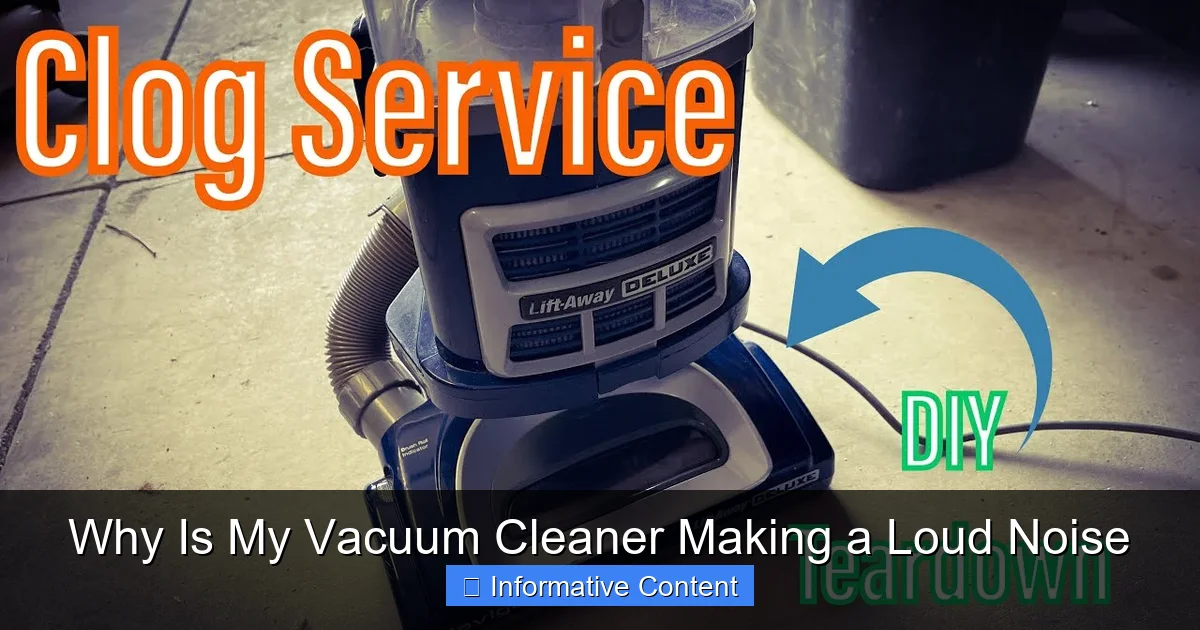
Visual guide about Why Is My Vacuum Cleaner Making a Loud Noise
Image source: i.ytimg.com
While clogs are often easy fixes, issues with the motor itself can be more serious. The motor is the heart of your vacuum, and when it’s struggling, it can produce distinct and concerning noises. If you’ve ruled out all the common clog issues and your vacuum is still making a loud noise, it might be a motor problem.
Worn Motor Bearings
Motor bearings help the motor’s shaft spin smoothly. Over time, especially with heavy use or if dirt and debris get into them, these bearings can wear out. Worn bearings often produce a high-pitched whine, a grinding sound, or a screeching noise that gets louder as the vacuum runs. This sound usually comes directly from the vacuum’s main body where the motor is housed.
* What to do: This is generally not a DIY fix for the average user. Replacing motor bearings requires disassembly of the motor, which is complex and can be dangerous. If you suspect worn bearings, it’s best to consult a professional repair service or consider if it’s time for a new vacuum.
Damaged Motor Fan (Impeller)
Inside the vacuum motor, there’s a fan-like component called an impeller that creates the suction. If small, hard objects (like pebbles, coins, or screws) bypass the filtration system and get into the motor housing, they can damage the impeller blades. A damaged impeller can cause a rattling, vibrating, or uneven grinding noise because the blades are unbalanced or hitting against the housing.
* What to do: Inspecting the impeller can be tricky as it requires opening up the motor compartment. If you hear a distinct rattling inside the motor and have confirmed there are no other loose items, this might be the culprit. Again, professional help is usually recommended for this type of repair.
Carbon Brush Wear (for Universal Motors)
Many vacuum cleaners use universal motors, which have carbon brushes that make electrical contact with a rotating commutator. These brushes wear down over time. As they wear, they can create a noticeable buzzing, sparking, or grinding noise. When they are completely worn, the motor might stop working altogether.
* What to do: Some vacuum models allow for easy replacement of carbon brushes, while others require extensive disassembly. Check your vacuum’s manual. If it’s accessible, new brushes can be bought and installed. If not, a professional can assess and replace them.
Issues with the Brush Roll Assembly
Beyond just getting tangled, the entire brush roll assembly can be a source of noise. This part of the vacuum takes a lot of abuse, constantly spinning and hitting surfaces.
Tangled Hair and Debris (Revisited)
While we covered this under clogs, it’s worth emphasizing the specific noise it can make. If the brush roll is severely tangled but still trying to spin, it might produce a loud, protesting groaning or whining sound. If the tangles are so bad they’ve caused the brush roll to seize, you might hear a high-pitched squeal from the belt trying to slip, or the motor struggling.
* Tip: Make it a habit to check and clean your brush roll every few uses, especially if you have long-haired pets or people in your home. This simple act can prevent many noise issues.
Worn or Damaged Belt
Most upright and some canister vacuums use a rubber belt to transfer power from the motor to the brush roll, making it spin. These belts can stretch, fray, or even break over time. A stretched or worn belt might slip, causing a high-pitched squealing sound, or it might not turn the brush roll effectively, leading to motor strain and a louder motor hum. A broken belt will result in the brush roll not spinning at all, and often a distinctly different motor sound as it’s no longer under load.
* How to check: Unplug the vacuum, flip it over, and remove the plate covering the brush roll. Inspect the belt for any cracks, fraying, or looseness. If it looks worn or is broken, it’s a relatively inexpensive and easy part to replace for most models.
Misaligned or Broken Brush Roll
If the brush roll itself is bent, has a broken bearing at one end, or is not seated correctly in its housing, it can wobble or drag. This misalignment can cause a very distinct rattling, thumping, or grinding noise as it spins unevenly and scrapes against other parts.
* How to check: After clearing any tangles, carefully spin the brush roll by hand. Does it wobble excessively? Does it feel loose? Are there any visible breaks in the plastic or metal components holding it in place? If it’s bent or broken, it will need to be replaced. Ensure it’s correctly snapped into its holders.
Suction Problems and Air Leaks
Your vacuum cleaner relies on an airtight system to create strong suction. Any breach in this system can cause it to work harder and produce more noise. These sounds are often described as hissing, whistling, or a loud sucking noise that isn’t accompanied by strong cleaning.
Cracked Hose or Seals
A small crack or hole in the main hose, extension wand, or even the hose attachment points can cause a significant air leak. When air leaks out, the vacuum struggles to maintain pressure, and the motor compensates by spinning faster and louder. You might hear a distinct “hissing” sound coming from the leak itself.
* How to check: Turn on your vacuum and listen carefully. Run your hand along the entire length of the hose, feeling for any air escaping. Also, check all connection points where the hose attaches to the vacuum body or cleaning head. Small cracks can sometimes be temporarily patched with strong electrical tape, but a replacement hose is the best long-term solution.
Loose Connections
Sometimes, the issue isn’t a crack but simply a loose connection. If the hose isn’t fully seated into the vacuum body or the cleaning head, or if an accessory (like a crevice tool) isn’t pushed on tightly, air can escape. This will lead to reduced suction and a louder operating noise.
* How to check: Before turning on the vacuum, ensure all detachable parts – the hose, wands, and attachments – are firmly connected and locked into place. Make sure the dust canister or bag compartment is also securely closed.
Gaps in the Canister/Bag Housing
If the dust canister isn’t correctly seated or latched, or if the door to the bag compartment isn’t fully closed, air can leak from these areas. This creates a similar effect to a cracked hose, reducing suction and increasing motor noise.
* How to check: Always double-check that your dust bin is securely locked into place after emptying, and that the bag compartment door is fully closed and latched. Even a slight gap can cause noticeable noise.
Other Potential Noise Sources
Sometimes, the loud noise isn’t related to suction or the motor directly but to other components within the vacuum cleaner.
Loose Components or Fasteners
Over time, due to vibrations from regular use, screws or plastic clips within the vacuum’s casing can loosen. This can cause various rattling, vibrating, or buzzing noises as parts shake against each other during operation.
* How to check: Carefully examine the exterior of your vacuum. Gently press on different panels. If you hear a rattle, you might be able to tighten a visible screw. Sometimes, it requires opening up the vacuum (if you’re comfortable and it doesn’t void a warranty) to find and secure loose internal components.
Incorrect Assembly After Maintenance
If you’ve recently performed maintenance, such as emptying the canister, replacing a bag, or cleaning filters, and your vacuum is now suddenly louder, it might be due to incorrect reassembly. A part might not be fully seated, a seal might be out of place, or a compartment cover might not be latched securely.
* How to check: Go back through the steps of your recent maintenance. Double-check that all filters are in correctly, the dust bin is locked, the hose is attached firmly, and any covers are properly secured. Small errors can make a big difference.
Accessory Issues (Crevice Tools, etc.)
Sometimes the problem isn’t the vacuum itself, but an attachment. If a crevice tool or upholstery brush has a crack, a loose piece, or is partially clogged, it can create whistling, rattling, or restricted airflow noises when in use.
* How to check: Try running the vacuum without any attachments to see if the noise persists. Then, attach them one by one to isolate the noisy accessory. Inspect the problematic attachment for damage or clogs.
When to Repair, Replace, or Call a Pro
After going through all these checks, you might be wondering about the next steps. When is it worth fixing, and when should you just buy a new one?
DIY vs. Professional Repair
Many of the common issues, like clearing clogs, cleaning filters, and replacing belts, are relatively simple DIY tasks that can save you money. There are plenty of online tutorials and parts available. However, for internal motor issues, electrical problems, or if you’re uncomfortable with opening up the appliance, it’s always best to call a professional vacuum repair service. They have the specialized tools and expertise to diagnose and fix complex problems safely.
Cost-Benefit Analysis
Before investing in a professional repair, consider the age and original cost of your vacuum. If a repair costs more than half the price of a new, comparable model, it might be more economical in the long run to replace it. For older, cheaper models, a significant repair often isn’t worth the investment. However, for high-end or relatively new vacuums, a repair can extend its life significantly.
Signs It’s Time for a New Vacuum
If your vacuum is frequently breaking down, constantly losing suction even after maintenance, or if the motor sounds like it’s grinding or sparking, it might be time to say goodbye. Also, if multiple expensive components (like the motor and the brush roll assembly) need replacing, the cumulative cost often outweighs the benefit. Sometimes, the peace of mind and improved performance of a new vacuum, especially one with better technology or features, can be worth the investment.
In conclusion, a loud vacuum cleaner can be a source of frustration, but understanding why your vacuum cleaner is making a loud noise is the first step toward a solution. Most issues are minor and easily fixable, often revolving around proper maintenance and clearing obstructions. By taking a little time to inspect and troubleshoot, you can often restore your vacuum to its quieter, more efficient self, ensuring your cleaning routine remains a calm and effective part of maintaining your home. Happy cleaning!
🎥 Related Video: Easy Shop Vac Fix for noisy bearings (WnW #43)
📺 Wordsnwood (Art Mulder)
It sounded like it was about to self-destruct, but the fix turned out to be simple. ⇊ Click below for more information! ⇊ My shopvac …
Frequently Asked Questions
What’s the first thing I should check if my vacuum becomes noisy?
The very first thing you should check is for clogs. Inspect the hose, the brush roll, and the dust bag/canister. These are the most common and easiest-to-fix causes of increased vacuum noise.
How often should I clean my vacuum filters to prevent noise?
It depends on your vacuum model and usage, but generally, washable pre-motor filters should be cleaned monthly, and post-motor/HEPA filters replaced annually. Check your owner’s manual for specific recommendations.
Can pet hair make my vacuum louder?
Yes, excessive pet hair is a major culprit! It can quickly clog brush rolls, filters, and hoses, all of which restrict airflow and force your vacuum’s motor to work harder, leading to increased noise.
My vacuum cleaner is making a loud noise even after I’ve cleaned everything. What’s next?
If you’ve thoroughly cleaned all clogs and filters and it’s still loud, the issue might be mechanical. Check the brush roll belt for wear or damage, or listen closely for noises coming directly from the motor, which might indicate a deeper problem.
Is it normal for new vacuums to be loud?
Some powerful vacuum models are naturally louder than others. However, if a brand new vacuum is excessively loud or suddenly becomes loud after its first few uses, it might indicate a manufacturing defect or an immediate clog.
When should I consider professional repair for a noisy vacuum?
You should consider professional repair if the noise persists after you’ve performed all basic troubleshooting, especially if you suspect a motor issue, belt replacement isn’t straightforward, or you’re uncomfortable with further disassembly. It’s often safer and more effective for complex problems.