
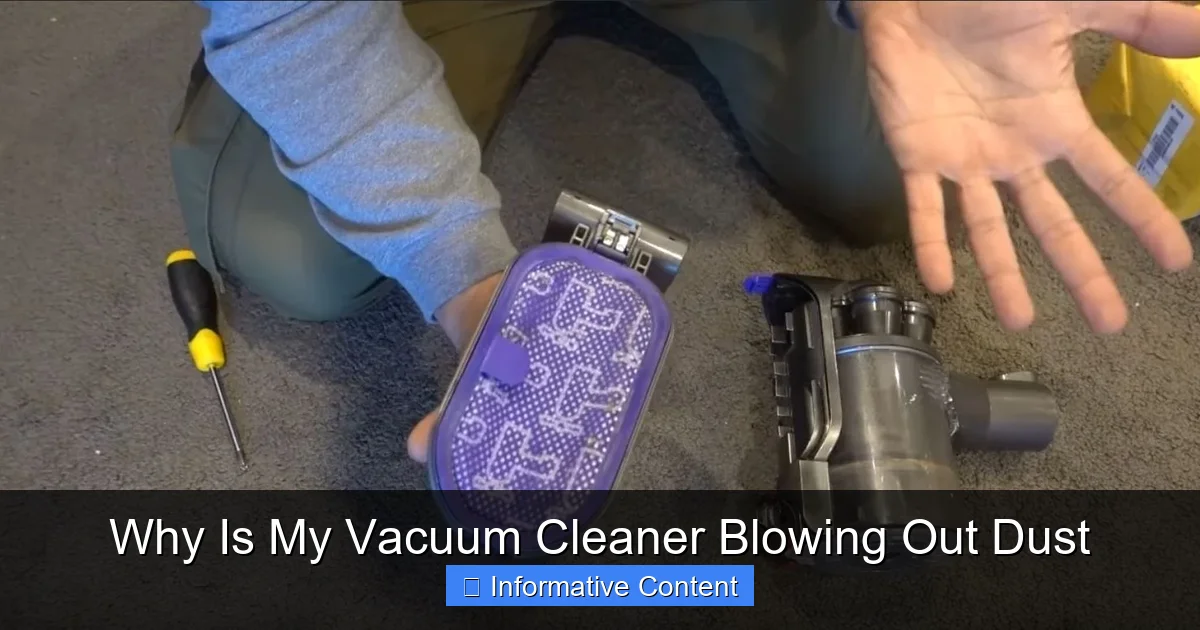
Is your vacuum cleaner blowing out dust instead of cleaning your home? It’s a common, frustrating issue often signaling a problem within the machine’s filtration or sealing system. The main culprits usually involve clogged filters, a full dustbin/bag, blockages in the hose, or air leaks. Addressing these issues with regular maintenance can restore your vacuum’s effectiveness and keep your home truly clean.
There’s nothing quite as frustrating as diligently vacuuming your floors, only to find that your trusty cleaning companion is betraying you. Instead of sucking up dirt and debris, your vacuum cleaner is blowing out dust, leaving a fine layer of particles right back where you started. It’s an irritating paradox: the machine designed to clean your home is actively making it dirtier. You’re left wondering, “Why is my vacuum cleaner blowing out dust?”
This common household dilemma isn’t just annoying; it can also impact your indoor air quality, especially if you or a family member suffers from allergies or asthma. When your vacuum expels dust, it’s not just a sign of inefficiency; it’s a clear indication that something isn’t quite right under the hood (or in the bag/bin). But don’t despair! Most of the reasons behind a vacuum cleaner blowing out dust are simple to diagnose and, thankfully, even simpler to fix. Let’s dive into the core issues that might be turning your cleaning device into a dust dispenser.
Key Takeaways
- Clogged Filters are Primary Suspects: The most common reason for a vacuum cleaner blowing out dust is a dirty, clogged, or missing filter (pre-motor, post-motor, or HEPA). These prevent fine particles from being trapped, recirculating them into your air.
- Empty Your Dustbin/Bag Regularly: An overfilled dustbin or bag significantly reduces suction and can force dust particles to escape through gaps or the exhaust port, making your vacuum less effective and contributing to the problem of a vacuum cleaner blowing out dust.
- Check for and Clear Blockages: Obstructions in the hose, nozzle, or attachments restrict airflow, causing the motor to work harder and increasing the pressure that can push dust back out into the room.
- Inspect for Leaks and Loose Connections: Gaps, cracks, or loose seals in the vacuum’s casing, hose connections, or dustbin can allow unfiltered air and dust to escape, undermining the entire cleaning process.
- Ensure Correct Filter Type and Installation: Using the wrong type of filter or installing it improperly can render your vacuum’s filtration system useless, leading directly to dust expulsion. Always refer to your vacuum’s manual.
- Regular Maintenance is Key: Proactive cleaning of filters, hoses, and dustbins, along with periodic checks for wear and tear, is crucial to prevent your vacuum cleaner from blowing out dust and to maintain its optimal performance and longevity.
Quick Answers to Common Questions
Can a full vacuum bag cause dust to blow out?
Yes, absolutely! An overfilled bag or dustbin restricts airflow, causing pressure to build up inside the vacuum. This pressure can then force fine dust particles to escape through the bag’s pores, loose seals, or even the exhaust port, making your vacuum cleaner blow out dust.
How often should I clean my vacuum filters?
It depends on your vacuum model and usage. Generally, washable pre-motor filters should be rinsed every 1-3 months, and non-washable filters (like HEPA) should be replaced every 6-12 months. If you have pets or allergies, or use your vacuum frequently, you might need to clean/replace them more often.
My vacuum smells like burning dust when it blows out air. What does that mean?
A burning dust smell usually indicates that the motor is overheating, often due to a severe blockage or extremely clogged filters that are restricting airflow. This puts immense strain on the motor. Immediately turn off and unplug the vacuum, then check for blockages and clean/replace all filters.
Is it bad if my vacuum cleaner is blowing out dust for my health?
Yes, it can be. When your vacuum cleaner is blowing out dust, it’s releasing fine particulate matter, allergens like pollen and pet dander, and even mold spores back into your indoor air. This can worsen allergy and asthma symptoms and reduce overall air quality.
Can I use water to clean all types of vacuum filters?
No, not all vacuum filters are washable. Many pleated paper filters and some HEPA filters are designed to be dry-cleaned (by tapping) or replaced, not washed with water. Always check your vacuum cleaner’s user manual to determine if your specific filters are washable and how to clean them properly.
📑 Table of Contents
The Culprit: Clogged or Missing Filters
If you’re asking yourself, “Why is my vacuum cleaner blowing out dust?”, the first place you should look is always the filters. Filters are your vacuum’s frontline defense against airborne particles. Their job is to trap dust, pollen, pet dander, and other allergens, preventing them from being recirculated back into your home. When these filters get overloaded, they become less effective, and air finds other ways to escape, often carrying fine dust particles with it.
Understanding Your Vacuum’s Filters
Most modern vacuum cleaners come equipped with multiple filters designed to work in stages:
- Pre-Motor Filter: This filter is usually located near the dustbin or bag and protects the motor from larger debris. It’s often washable foam or pleated paper. If this filter is clogged, it starves the motor of airflow, reduces suction, and puts strain on the motor, which can lead to dust escaping.
- Post-Motor (Exhaust) Filter: Found near the exhaust vent, this filter cleans the air *after* it has passed through the motor. It’s the last line of defense before air is released back into your room. If this is clogged, it can’t capture the fine particles effectively, and your vacuum cleaner will be blowing out dust directly into your living space.
- HEPA Filter: High-Efficiency Particulate Air (HEPA) filters are a type of post-motor filter specifically designed to trap 99.97% of particles as small as 0.3 microns. They are excellent for allergy sufferers. If your HEPA filter is clogged or damaged, your vacuum cleaner might be blowing out dust that contains these microscopic allergens.
How Clogged Filters Cause Problems
Imagine trying to breathe through a thick, dirty cloth. It’s hard, right? Your vacuum’s motor experiences something similar when its filters are clogged. Restricted airflow causes several problems:
- Reduced Suction: The vacuum can’t pull air (and dirt) in effectively.
- Increased Back Pressure: The air, unable to pass through the filter, builds up pressure and can force fine dust particles through microscopic gaps, loose seals, or even directly through the exhaust if the filter is completely blocked or missing.
- Overheating: The motor has to work harder, generating more heat, which can lead to other issues and further reduce efficiency.
If you notice dust clouds when you vacuum, especially from the exhaust vent, a clogged filter is almost certainly the primary reason why your vacuum cleaner is blowing out dust.
Cleaning and Replacing Filters
The good news is that filter maintenance is usually straightforward:
- Check Your Manual: Always refer to your vacuum cleaner’s user manual for specific instructions on filter location, type, and cleaning/replacement schedule.
- Washable Filters: Many pre-motor foam filters are washable. Remove them, rinse under cold water until the water runs clear, and allow them to air dry completely for at least 24-48 hours before reinstalling. Never put a damp filter back in your vacuum!
- Non-Washable Filters: Pleated paper or HEPA filters are typically not washable. Attempting to wash them can damage their delicate structure. These need to be tapped out to remove loose dirt or simply replaced according to the manufacturer’s recommendations (usually every 6-12 months, depending on usage).
- Regular Inspection: Make it a habit to check your filters every few uses. If they look visibly dirty or discolored, it’s time for maintenance.
Overfilled Dustbins and Bags – A Common Oversight
Sometimes, the answer to “Why is my vacuum cleaner blowing out dust?” is incredibly simple: you’ve let your dustbin or bag get too full. It sounds obvious, but in the rush of daily life, it’s easy to overlook this basic maintenance step.
Visual guide about Why Is My Vacuum Cleaner Blowing Out Dust
Image source: cleansefy.com
Why an Overfilled Receptacle is Bad
Your vacuum cleaner is designed to work within certain parameters. When the dustbin or bag reaches its maximum capacity, several things happen:
- Reduced Airflow: Just like a clogged filter, an overstuffed bag or bin severely restricts the airflow necessary for efficient suction. The vacuum can’t pull in new dirt effectively.
- Pressure Build-up: The limited space means air pressure builds up inside the vacuum. This pressure then seeks the path of least resistance.
- Dust Escape: This path can be through tiny gaps in the dustbin’s seals, the bag’s pores, or even back through the exhaust port if the filters are also struggling. Essentially, your vacuum cleaner starts blowing out dust because it literally has nowhere else to put it.
- Motor Strain: The motor works harder to try and pull air through the packed debris, potentially leading to overheating and premature wear.
Best Practices for Emptying
- Don’t Wait Until It’s Full: For bagless vacuums, empty the dustbin when it reaches the “max fill” line or after every significant cleaning session. For bagged vacuums, replace the bag when it’s about two-thirds full, or definitely before it’s completely bursting.
- Empty Outdoors: To prevent the dust you’re removing from re-entering your home’s air, always empty your vacuum cleaner’s dustbin or change its bag outdoors or over a trash can with a good seal.
- Check Seals: While emptying, take a moment to inspect the seals around the dustbin. Ensure they are clean and free of debris, which could prevent a tight seal when you reattach the bin.
Blockages in the Hose, Nozzle, or Attachments
Another common reason why your vacuum cleaner might be blowing out dust is a blockage somewhere in its intricate network of tubes and hoses. Unlike a full dustbin, a blockage is a more acute obstruction that can severely impact performance.
Identifying a Blockage
If your vacuum suddenly loses suction power, makes a strange whining noise, or starts blowing out dust, especially when you turn it on or move it, a blockage is a strong possibility. Common places for clogs include:
- The Main Hose: Often gets jammed with larger items like socks, toys, or clumps of pet hair.
- The Nozzle/Floor Head: Debris can get stuck where the suction opening meets the roller brush, especially if you have long hair or pet hair.
- Extension Wands/Attachments: Smaller openings can easily get blocked by larger pieces of dirt.
- The Inlet Port: Where the hose connects to the main body of the vacuum.
How Blockages Affect Airflow
A blockage is like a dam in a river. It stops the flow of air, which is essential for your vacuum to function. When airflow is blocked:
- Suction Drops Dramatically: The vacuum can’t pick up dirt.
- Motor Overworks: It tries to pull air through the obstruction, leading to overheating.
- Pressure Builds Up: Similar to clogged filters or full bins, this pressure has to go somewhere. It will try to escape through any available opening, often carrying fine dust particles that weren’t properly collected or were already in the system, causing your vacuum cleaner to be blowing out dust.
Clearing Obstructions Safely
Before you start, always unplug your vacuum cleaner to prevent accidental activation and injury. Then:
- Disassemble Components: Carefully detach the hose, extension wands, and floor head.
- Visual Inspection: Look through each component. Use a flashlight if needed.
- Use a Blunt Tool: A broom handle, a straightened wire hanger (be careful not to puncture), or a plumbing snake can be used to gently push out obstructions. Never use sharp objects that could damage the hose.
- Check the Inlet: Inspect the port where the hose attaches to the vacuum body.
- Clear the Brush Roll: If your vacuum has a rotating brush roll, clean any hair or fibers wrapped around it, as this can impede airflow and prevent proper cleaning.
Leaks and Loose Connections in the System
Even if your filters are clean, your bin is empty, and there are no obvious blockages, your vacuum cleaner might still be blowing out dust. In such cases, the problem could be a leak or a loose connection somewhere in the vacuum’s sealed system.
Gaskets, Seals, and Hoses
Your vacuum is designed to be an airtight system. Air is drawn in through the nozzle, passes through the filters, and is then expelled, clean, through the exhaust. If there are any breaches in this system, unfiltered air (and dust) can escape before it has a chance to be properly filtered.
- Hose Connections: Check where the hose connects to the vacuum body and to the attachments. Are they securely fastened? Are the plastic connectors cracked or worn?
- Dustbin Seals: The rubber or foam seals around your bagless dustbin are crucial. If they are dirty, damaged, or misaligned, unfiltered air can leak out, carrying dust with it.
- Bag Compartment Seals: For bagged vacuums, ensure the bag is installed correctly and that the seal around the bag opening is tight.
- Hose Itself: Inspect the hose for any cracks, tears, or small holes. These are common points for air leaks and can significantly reduce suction, allowing your vacuum cleaner to be blowing out dust.
Cracks in the Casing
Sometimes, the problem isn’t a connection but a crack in the plastic casing of the vacuum cleaner itself. This can happen over time due to impacts, drops, or general wear and tear. Even a small hairline crack can be enough for fine dust particles to escape under pressure.
The Impact of Air Leaks
Air leaks are problematic because they bypass the filtration system entirely. When air leaks out of the system before it reaches the post-motor or HEPA filter, it carries with it all the microscopic dust and allergens that the vacuum was supposed to trap. This is a direct cause of your vacuum cleaner blowing out dust into your clean environment, undermining your efforts.
What to do:
- Tighten Connections: Ensure all hoses and attachments are securely clicked into place.
- Inspect Seals: Clean and inspect rubber seals around the dustbin. Replace them if they appear damaged or brittle.
- Patch or Replace: Small cracks in plastic casing might be patched with strong tape or epoxy for a temporary fix, but a significant crack might necessitate professional repair or even replacement of the unit if the cost isn’t prohibitive. For a cracked hose, replacement is usually the best option.
Using the Wrong Filter or Improper Installation
You might have the right intentions, buying new filters for your vacuum, but if you’re using the wrong type or installing them incorrectly, you’re essentially sabotaging your vacuum’s ability to clean. This is a subtle yet significant reason why your vacuum cleaner might be blowing out dust.
Filter Compatibility Matters
Vacuum filters are not universal. Each vacuum model is designed to work with specific filter types and sizes. Using a filter that isn’t compatible can lead to several problems:
- Poor Fit: A filter that’s too small or the wrong shape won’t create a tight seal, allowing unfiltered air and dust to bypass it and escape.
- Incorrect Material: Different filters have different filtration efficiencies. If you replace a HEPA filter with a standard foam filter, your vacuum will no longer trap microscopic particles as effectively, leading to more dust being expelled.
- Reduced Airflow: A filter that’s too thick or dense for your specific vacuum’s motor can restrict airflow, causing the same issues as a clogged filter: reduced suction and potential dust expulsion.
The Importance of Correct Installation
Even with the correct filter, improper installation can render it useless. Filters often have specific orientations or clips that need to be engaged for a secure fit. If a filter is:
- Loose: Not fully seated in its compartment.
- Backward: Installed facing the wrong direction.
- Misaligned: Not properly centered.
…then air will find a way around it, and your vacuum cleaner will be blowing out dust. Always follow the arrows or instructions in your vacuum’s manual carefully.
Generic vs. OEM Filters
While generic filters can be a more budget-friendly option, it’s crucial to ensure they meet the same specifications as Original Equipment Manufacturer (OEM) filters. Some generic filters might be slightly off in size, material quality, or filtration efficiency, leading to a less effective vacuum and potentially contributing to the issue of your vacuum cleaner blowing out dust.
Tip: Always double-check your vacuum’s model number and refer to the manufacturer’s recommendations when purchasing replacement filters. If you opt for generic, buy from a reputable brand and compare it carefully to your original filter.
When Your Vacuum Is Just Worn Out
You’ve checked the filters, emptied the bin, cleared blockages, and inspected for leaks – yet your vacuum cleaner is still blowing out dust. At this point, it might be time to consider that your faithful cleaning machine is simply showing its age.
Age and Wear and Tear
Like any appliance, vacuum cleaners have a lifespan. Over years of use, components can degrade:
- Motor Weakness: A motor losing its power won’t create sufficient suction to pull air effectively through the filtration system, making it easier for dust to escape.
- Degraded Seals and Gaskets: Rubber and foam seals can become brittle, crack, or lose their elasticity over time, creating tiny gaps that allow unfiltered air and dust to escape.
- Frayed Hoses: Hoses can develop microscopic holes or become less flexible, leading to leaks.
- Worn Brushes/Attachments: While not directly causing dust to blow out, worn brushes mean less effective cleaning, requiring more passes and potentially stirring up dust that then escapes a less-than-perfect vacuum.
If your vacuum is several years old and exhibiting multiple issues, including reduced suction, unusual noises, or persistent dust expulsion even after thorough maintenance, wear and tear could be the underlying reason why your vacuum cleaner is blowing out dust.
When to Consider a New Vacuum
There comes a point when the cost and effort of continually troubleshooting and repairing an old vacuum outweigh the benefits. If you’re constantly dealing with poor suction, persistent dust blowing, or if repair parts are expensive or hard to find, it might be more economical and certainly less frustrating to invest in a new model. Modern vacuums often boast improved filtration systems, better sealing, and more powerful, efficient motors.
Regular Maintenance Checklist
To extend the life of your vacuum and prevent future issues of your vacuum cleaner blowing out dust, adopt a regular maintenance routine:
- Empty the dustbin/change the bag after every few uses or when 2/3 full.
- Clean or replace filters as recommended by the manufacturer.
- Regularly inspect the hose, nozzle, and attachments for blockages and clear them.
- Check seals and connections for any damage or looseness.
- Keep the brush roll free of hair and debris.
- Wipe down the exterior of the vacuum to prevent dust buildup.
A vacuum cleaner that’s blowing out dust is a clear sign it needs some attention. By systematically checking filters, dustbins, hoses, seals, and overall component integrity, you can usually diagnose and resolve the problem yourself. Not only will this save you money on potential repairs or replacements, but it will also restore your vacuum’s ability to provide a truly clean and healthy home environment. So next time you see that pesky dust cloud, you’ll know exactly why your vacuum cleaner is blowing out dust and what to do about it!
🎥 Related Video: UpRight Vacuum Cleaner blowing dust *WHY*
📺 TheTeddy214
Have A L@@k At the plugged Filter!!! Subscribe here ( https://www.youtube.com/c/TheTeddy214?sub_confirmation=1 )
Frequently Asked Questions
What causes a vacuum cleaner to lose suction and blow out dust?
A vacuum cleaner losing suction while simultaneously blowing out dust is a strong indicator of restricted airflow within the system. This is most commonly caused by severely clogged filters (both pre-motor and post-motor), an overfilled dustbin or bag, or a blockage in the hose, nozzle, or attachments. Any of these issues prevent proper air intake and filtration, leading to dust expulsion.
How do I know if my vacuum hose is blocked?
You can usually tell if your vacuum hose is blocked if there’s a sudden, significant drop in suction, or if the vacuum motor sounds like it’s working harder than usual, often accompanied by a high-pitched whine. To confirm, carefully detach the hose from both ends and look through it, possibly using a flashlight, for any visible obstructions. You can also try dropping a small, light object like a cotton ball through it to see if it passes freely.
Can a cracked vacuum cleaner casing cause dust to blow out?
Yes, absolutely. Even small cracks or compromised seals in the vacuum cleaner’s casing can create unintended escape routes for air. When the vacuum is operating, air pressure inside can force unfiltered air and fine dust particles out through these cracks, bypassing the filtration system entirely and leading to dust expulsion.
Is it necessary to replace HEPA filters, or can I just clean them?
HEPA filters are generally not designed to be washed or cleaned beyond gently tapping out loose debris. Their intricate fibrous structure traps microscopic particles, and washing them can damage this structure, reducing their effectiveness and ability to capture allergens. For optimal performance and filtration, HEPA filters typically need to be replaced every 6 to 12 months, depending on usage.
Why does my new vacuum cleaner blow out dust?
Even new vacuum cleaners can blow out dust if certain conditions aren’t met. The most common reasons for a new vacuum include incorrect filter installation (e.g., filter not seated properly or missing), using the wrong type of filter if a replacement was purchased, or a manufacturing defect in the seals or casing. Always double-check your manual for correct setup and filter placement.
How can I prevent my vacuum cleaner from blowing out dust in the future?
Preventing your vacuum cleaner from blowing out dust primarily involves consistent and proper maintenance. Regularly empty the dustbin or change the bag, clean or replace filters according to the manufacturer’s guidelines, and routinely check the hose and attachments for any blockages. Also, inspect seals and connections for wear or damage, and address any issues promptly to maintain an airtight system.