
Is your Shark vacuum cleaner suddenly hard to push? You’re not alone! This common issue often stems from simple, fixable problems such as clogged brush-rolls, blocked hoses, dirty filters, or incorrect height settings. By following a few straightforward troubleshooting steps, you can restore your vacuum’s smooth operation and powerful cleaning performance.
You know that feeling, right? You pull out your trusty Shark vacuum, ready to tackle those crumbs and pet hair, only to find yourself wrestling with the machine. Instead of gliding smoothly across your floors, it feels like you’re pushing a ton of bricks. “Why is my Shark vacuum cleaner so hard to push?” you might exasperatedly ask yourself. It’s a common frustration, and one that often has a surprisingly simple solution.
Shark vacuums are renowned for their powerful suction and innovative designs, making them popular choices for many households. But even the best cleaning tools can hit a snag. When your Shark vacuum cleaner becomes a chore to push, it’s usually a sign that something is impeding its natural operation. Don’t throw in the towel just yet! In this comprehensive guide, we’ll dive into the most common culprits behind a stiff Shark vacuum and arm you with practical, easy-to-follow steps to get it gliding effortlessly once more.
Key Takeaways
- Brush-Roll Obstructions are Common: Tangles of hair, string, or debris around the brush-roll are a primary cause for a Shark vacuum cleaner being hard to push. Regular cleaning is crucial.
- Clogs Impede Airflow: Blockages in the hose, intake nozzle, or even an overfilled dust cup can severely restrict suction and make pushing the vacuum a struggle.
- Height Settings Matter: Using an incorrect height setting, especially on plush carpets, can make your Shark vacuum feel “stuck” and difficult to maneuver.
- Filters Are Your Vacuum’s Lungs: Dirty or clogged pre-motor and post-motor filters choke off airflow, reducing suction and increasing the effort needed to push the unit.
- Wheel Wear and Tear: Debris in the wheels or worn wheel components can prevent smooth gliding, adding resistance when you push your vacuum.
- High Suction Can Be a Factor: Shark vacuums are known for powerful suction, which, while beneficial, can sometimes create a strong seal on carpets, making the unit harder to push until managed correctly.
Quick Answers to Common Questions
Can an overfilled dust cup make my Shark vacuum hard to push?
Yes, absolutely! An overfilled dust cup can restrict airflow to the motor, reducing suction power and creating resistance, making your Shark vacuum cleaner so hard to push.
How often should I clean my Shark vacuum’s filters?
Pre-motor foam and felt filters should typically be rinsed monthly, or more often with heavy use. HEPA filters (post-motor) usually need cleaning or replacement every 6-12 months, depending on your model and usage.
My Shark vacuum is hard to push only on carpet, not hard floors. What’s the problem?
This strongly suggests an issue with the height setting or excessive suction. Ensure your vacuum is on the correct, higher carpet setting. If it has suction control, try reducing it slightly for plush carpets.
Can a broken wheel make my Shark vacuum hard to push?
Yes, a broken, jammed, or severely worn wheel can prevent the vacuum from gliding smoothly, causing significant friction and making your Shark vacuum cleaner so hard to push.
Is it normal for a brand-new Shark vacuum to be hard to push?
While new Shark vacuums have strong suction, excessive difficulty pushing might still indicate an incorrect height setting for your floor type, especially plush carpets, or a factory defect like a misaligned brush-roll. Check the height first.
📑 Table of Contents
- The Pesky Brush-Roll: Is It Spinning Freely?
- Clog Central: Blockages Bottling Up Power
- Height Adjustment Havoc: The Right Setting for Every Surface
- Filter Follies: Choking Your Vacuum’s Breath
- Wheel Woes and Gliding Grievances
- Suction Power Paradox: When Strength Becomes a Struggle
- Conclusion: Get Your Shark Gliding Again!
The Pesky Brush-Roll: Is It Spinning Freely?
One of the absolute first places to check when your Shark vacuum cleaner is so hard to push is the brush-roll. This spinning marvel is designed to agitate carpets and pick up debris, but it’s also a magnet for hair, string, and other long fibers. When these accumulate, they can severely restrict its movement, making your vacuum feel like it’s dragging its feet.
Hair, String, and Debris Tangles
Imagine a tiny roller skate wheel trying to spin while tangled in a ball of yarn – that’s essentially what happens to your brush-roll. Pet hair, human hair, threads, and even small pieces of fabric can wrap tightly around the brush-roll bristles and axle. This not only makes your Shark vacuum cleaner harder to push but can also diminish its cleaning performance and even strain the motor over time.
- How to Check and Clean: First, unplug your vacuum for safety! Flip the cleaner head over. You’ll likely see a clear access panel or screws. Carefully cut away any tangled hair or string using scissors. Be gentle to avoid damaging the bristles or belt. Many Shark models feature “self-cleaning” brush-rolls, but even these can sometimes get overwhelmed. Don’t forget to check the ends of the brush-roll where debris often collects.
Worn or Damaged Brush-Roll
Over time, the bristles on your brush-roll can wear down, or the brush-roll itself can suffer damage from encountering hard objects. A damaged brush-roll might not spin correctly, creating resistance and making your Shark vacuum cleaner so hard to push. If the bristles are significantly flattened or missing, they won’t grip the carpet, and the brush-roll might just skid.
- Inspection Tips: Examine the bristles closely. Are they stiff and evenly distributed? Is the brush-roll physically bent or cracked? If so, it might be time for a replacement. Consult your Shark model’s manual for specific part numbers and replacement instructions.
Drive Belt Issues
The brush-roll doesn’t spin magically; it’s usually powered by a drive belt connected to the vacuum’s motor. If this belt is stretched, broken, or has slipped off its track, the brush-roll won’t spin, leading to a significant increase in push resistance. A common symptom is a burning rubber smell or a lack of brush-roll rotation despite the motor running.
- What to Do: This is a slightly more involved fix and often requires opening the cleaner head. If you’re comfortable, you can inspect the belt for damage or proper placement. If it’s broken, you’ll need to order a replacement belt specific to your Shark model. If you’re unsure, it might be best to contact Shark support or a professional.
Clog Central: Blockages Bottling Up Power
A vacuum cleaner works by creating suction, pulling air and debris through its system. Any obstruction in this pathway acts like a dam, reducing airflow and forcing your vacuum to work harder, making your Shark vacuum cleaner so hard to push. These clogs can occur in several places.
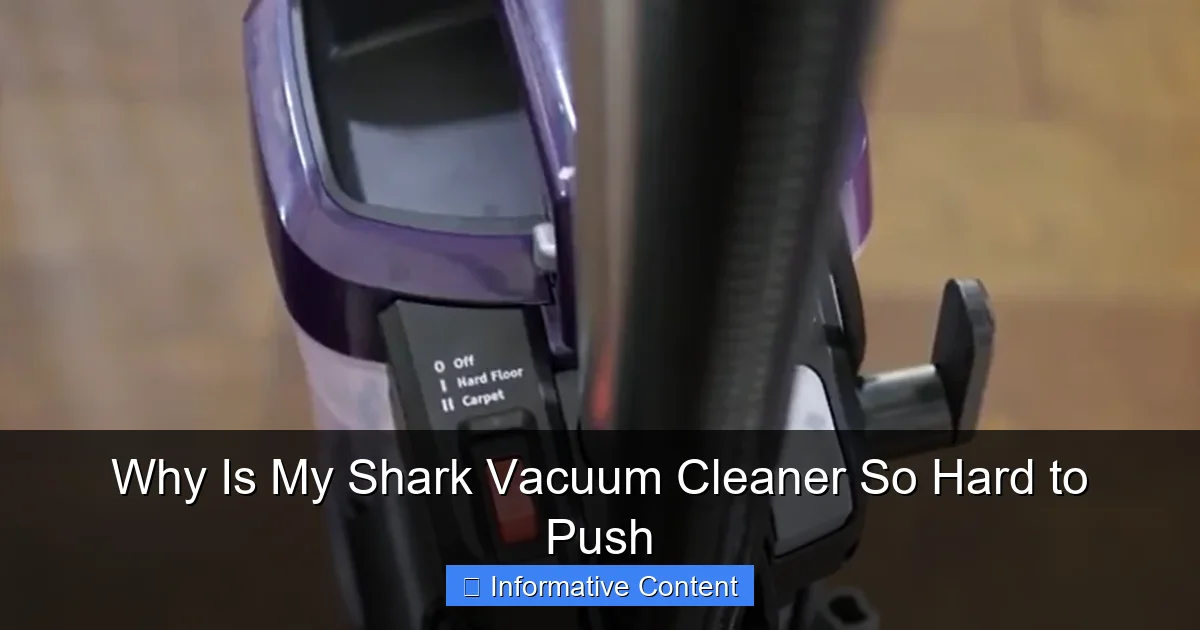
Visual guide about Why Is My Shark Vacuum Cleaner So Hard to Push
Image source: vacuupedia.net
Hose Obstructions
The hose is a common spot for clogs, especially if you frequently vacuum larger debris, pet toys, or even socks. A partial or complete blockage in the main hose will dramatically reduce suction and make the vacuum incredibly difficult to maneuver, feeling like it’s fighting against you.
- How to Clear: Disconnect the hose from both ends of the vacuum. Shine a flashlight through one end to see if you can spot an obstruction. You can use a broom handle or a long, blunt object (like a plumbing snake, but be careful not to puncture the hose) to gently push the clog through. Avoid using sharp objects.
Intake Nozzle Clogs
The intake nozzle, where the vacuum head meets the floor, is another frequent clog location. Things like coins, paper clips, or even wads of pet hair can get jammed right at the opening, especially in models with narrower intake paths. When this area is blocked, the vacuum seals to the floor more aggressively, making it feel like your Shark vacuum cleaner is so hard to push.
- Fixing It: With the vacuum unplugged, flip the cleaner head. Inspect the opening where the suction enters from the floor. Use your fingers or a pair of pliers to remove any visible obstructions.
Dust Cup Overfill and Filter Screen Clogs
While not a direct clog in the hose, an overfilled dust cup can act similarly. When the dust cup is too full, dirt and debris can pile up against the filter screen inside the cup, blocking airflow. This quickly diminishes suction power and contributes to the feeling that your Shark vacuum cleaner is so hard to push.
- Simple Solution: Empty the dust cup regularly! It’s recommended to empty it after every use, or when the dirt level reaches the “Max Fill” line. Also, check the mesh screen inside the dust cup for accumulated dust and debris and clean it off.
Height Adjustment Havoc: The Right Setting for Every Surface
Shark vacuums are versatile, often designed to clean both bare floors and various carpet types. Many models come with height adjustment settings, and using the wrong one can be a major reason why your Shark vacuum cleaner is so hard to push.
Too Low on Carpet
If your vacuum’s height setting is too low for your carpet, especially on thick or plush pile, the cleaner head will create an almost airtight seal with the floor. This intense suction creates a powerful vacuum effect, literally gluing the head to the carpet. The result? You’re practically lifting the carpet with every push, making the vacuum incredibly difficult to move.
- The Fix: Locate your vacuum’s height adjustment control (often a dial or a slider on the cleaner head or main body). Increase the height setting until the vacuum glides more easily. You want enough contact for effective cleaning without creating excessive drag. Experiment with different settings until you find the sweet spot for your carpet type.
Transitioning Between Floors
If you’re moving from a hard floor to a thick carpet without adjusting the height, you’ll immediately notice the resistance. Similarly, if your vacuum is set too high for a bare floor, it might not pick up debris effectively, and you’ll find yourself pushing harder in frustration, mistaking it for a stiff vacuum rather than an incorrect setting.
- Be Mindful of Transitions: Get into the habit of checking and adjusting your height setting when moving between different floor types. Many Shark models have a “hard floor” setting and several “carpet” settings (low, medium, high pile). Understanding these options can save you a lot of effort.
Filter Follies: Choking Your Vacuum’s Breath
Filters are crucial for trapping dust and allergens, preventing them from being expelled back into your home. However, dirty or clogged filters are a leading cause of reduced suction and one of the main reasons why your Shark vacuum cleaner is so hard to push.
Dirty Pre-Motor Filters
Most Shark vacuums have foam and felt pre-motor filters, usually located near the dust cup. These filters catch the bulk of dust and fine particles before the air reaches the motor. When they become saturated with dirt, they restrict airflow, making the motor work harder and suction plummet. This can cause the vacuum to “stick” to the floor, creating resistance.
- Cleaning Protocol: Check your manual, but typically these filters should be rinsed under cold water once a month (or more often with heavy use). Squeeze out excess water and let them air dry completely for at least 24 hours before putting them back in. Never put them back wet, as this can damage the motor.
Clogged Post-Motor (HEPA) Filters
Some Shark models also include a post-motor HEPA filter, designed to trap microscopic allergens before the air leaves the vacuum. While these don’t get as dirty as quickly as the pre-motor filters, a neglected HEPA filter can also impede airflow significantly. When this happens, your Shark vacuum cleaner becomes so hard to push because the internal air pressure builds up, and the motor struggles to pull air through.
- Maintenance: HEPA filters are usually recommended for cleaning or replacement less frequently, perhaps every 6-12 months, depending on usage. Some can be rinsed, while others are designed for replacement only. Always refer to your specific model’s manual.
Wheel Woes and Gliding Grievances
While often overlooked, the wheels on your Shark vacuum cleaner are essential for smooth maneuverability. If they’re not functioning correctly, pushing the vacuum can become a serious workout.
Dirty or Jammed Wheels
Small debris, hair, or sticky residue can accumulate around the axles of the wheels, preventing them from spinning freely. If the wheels are “skidding” instead of rolling, the friction against your floor will make your Shark vacuum cleaner so hard to push.
- How to Clean: Unplug the vacuum. Flip it over and carefully inspect the wheels. Use tweezers, a small brush, or even a toothpick to dislodge any hair or debris wrapped around the wheel axles. Clean any sticky residue with a damp cloth.
Worn Wheel Bearings or Damaged Wheels
Over time, the wheels themselves can wear down, or the small bearings (if present) that allow them to spin smoothly can become damaged. This is less common but can certainly contribute to increased resistance.
- Inspection and Replacement: Roll the vacuum back and forth while observing the wheels. Do they spin freely? Do they wobble excessively? If the wheels are visibly cracked, severely worn, or don’t spin well after cleaning, you might need to order replacement wheels for your specific Shark model.
Suction Power Paradox: When Strength Becomes a Struggle
Shark vacuums are known for their formidable suction. While this is generally a huge advantage for cleaning, in certain situations, it can ironically be one of the reasons why your Shark vacuum cleaner is so hard to push.
High Suction on Plush Carpets
As mentioned with height settings, extremely high suction can create a powerful seal on plush or thick pile carpets. This seal makes it genuinely difficult to push the vacuum forward, as you’re effectively fighting against the vacuum’s own power trying to lift the carpet.
- Managing Suction: Some Shark models include a suction release collar or an adjustable suction control on the handle. If your model has this feature, try opening the collar slightly or reducing the suction setting when cleaning very plush carpets. This breaks the powerful seal, allowing the vacuum to glide more easily without significantly compromising cleaning.
Air Vent Control
Similar to the suction release, some models have an air vent or bypass located on the handle or hose. Opening this vent allows some air to bypass the floor nozzle, slightly reducing the suction at the cleaner head. This can be a useful trick if your Shark vacuum cleaner is so hard to push on certain surfaces, providing a quick way to ease resistance.
- Experiment: Familiarize yourself with your vacuum’s controls. A slight adjustment to the air vent can make a big difference in maneuverability.
Conclusion: Get Your Shark Gliding Again!
It’s genuinely frustrating when your cleaning tool becomes the biggest obstacle to a clean home. When your Shark vacuum cleaner is so hard to push, it often points to a few common culprits that, thankfully, are usually straightforward to diagnose and fix. From tangled brush-rolls and stubborn clogs to neglected filters, incorrect height settings, or even just managing that powerful suction, a little investigation can go a long way.
Regular maintenance is your best friend. Make it a habit to routinely check and clean your brush-roll, empty the dust cup, and wash those filters. By staying proactive, you won’t just solve the problem of a stiff vacuum; you’ll also extend the lifespan of your Shark, ensuring it continues to deliver that deep, satisfying clean for years to come. So, roll up your sleeves, tackle these troubleshooting steps, and get ready to enjoy effortless vacuuming once again!
🎥 Related Video: Vacuum NOT SUCKING? Here's How To FIX IT!!
📺 Clean With Confidence
MORE CLEANING VIDEOS ☆ – How to Clean a Dishwasher Properly: https://youtu.be/_-TRcRya-dA – How to Professionally …
Frequently Asked Questions
What is the most common reason a Shark vacuum cleaner is so hard to push?
The most common reason is usually a clogged brush-roll, often due to tangled hair, string, or debris. This prevents the brush from spinning freely, creating significant resistance and making the vacuum difficult to maneuver.
How do I know if my Shark vacuum’s filters are clogged?
Signs of clogged filters include reduced suction, the vacuum making a higher-pitched noise, and the feeling that your Shark vacuum cleaner is so hard to push because it’s “sticking” to the floor. Visually, the filters will appear dirty and matted.
Can pet hair specifically make my Shark vacuum hard to push?
Absolutely. Pet hair is a primary culprit for tangling around the brush-roll and accumulating in the intake nozzle or hose, directly leading to decreased maneuverability and making your Shark vacuum cleaner so hard to push.
Is it safe to use water to clean my Shark vacuum’s filters?
Many Shark filters, specifically the foam and felt pre-motor filters, are designed to be rinsed with cold water. However, it’s crucial to ensure they are completely air-dried for at least 24 hours before reinserting them to prevent motor damage.
My vacuum makes a loud noise but doesn’t move easily. What could it be?
A loud noise with poor movement could indicate a few things: a severe clog causing the motor to strain, a broken brush-roll belt, or a damaged brush-roll struggling to spin. All these can make your Shark vacuum cleaner so hard to push.
Should I lubricate my Shark vacuum’s wheels if they’re stiff?
Generally, it’s not recommended to lubricate vacuum wheels yourself unless specified by the manufacturer, as lubricants can attract more dirt and grime. Instead, focus on thoroughly cleaning any debris from the wheel axles and replacing worn wheels if necessary.