
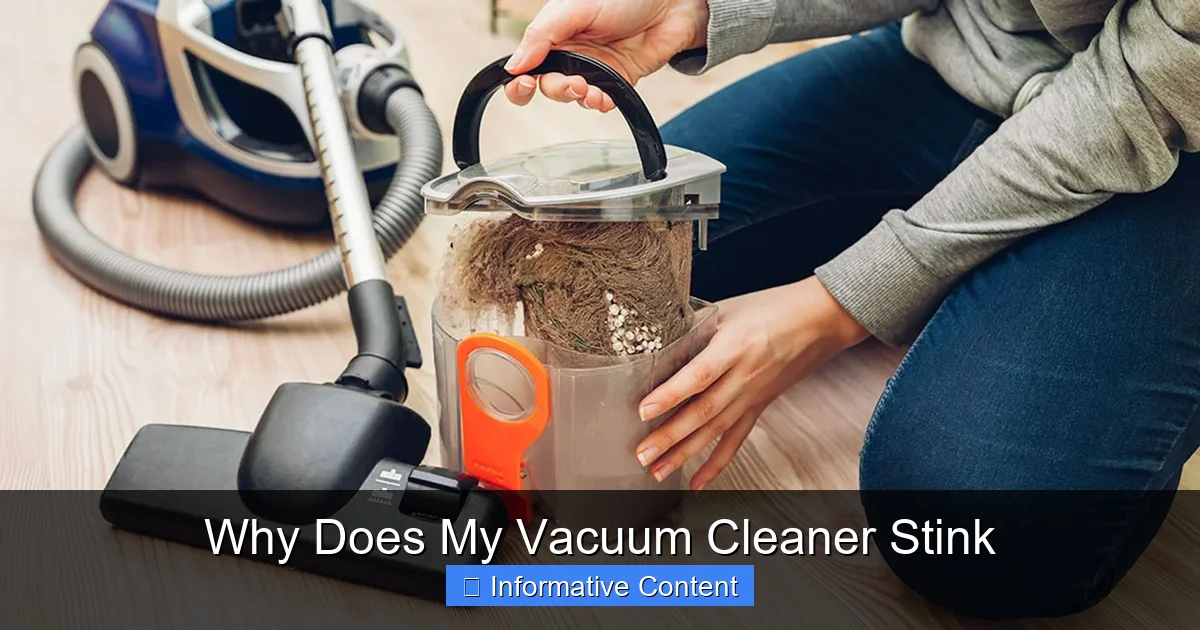
It’s a common household mystery: why does my vacuum cleaner stink? The unpleasant odors often stem from a mix of collected debris like pet dander, food particles, and dust, combined with moisture leading to mold and mildew growth. Neglecting regular cleaning of filters, bags, and hoses also allows smells to fester, making your vacuum, and by extension, your home, less fresh. This guide will help you pinpoint the cause and effectively banish those unwelcome smells.
Have you ever fired up your vacuum cleaner, expecting a clean house, only to be hit with a wave of stale, musty, or just plain foul air? It’s a surprisingly common and incredibly frustrating experience. Instead of a fresh start, your cleaning session actually makes your home smell worse! If you’ve found yourself asking, “Why does my vacuum cleaner stink?”, you’re definitely not alone. It’s a pervasive problem, and luckily, it’s one with clear explanations and practical solutions.
That unpleasant smell isn’t just an annoyance; it’s a sign that something is festering within your cleaning companion. Your vacuum isn’t just sucking up dust and dirt; it’s also collecting all sorts of microscopic particles, organic matter, and even moisture that can turn into a breeding ground for bacteria and mold. Understanding the root cause of the stink is the first step toward banishing it for good and ensuring your home truly smells clean. Let’s dive deep into the mysteries of the malodorous vacuum and discover how to restore its fresh-air-producing potential.
Key Takeaways
- Identify the Source: Most vacuum odors come from collected organic matter (pet dander, food crumbs), mold/mildew from moisture, or clogged/dirty components like filters and hoses.
- Empty Frequently: Regularly emptying the dustbin or replacing bags prevents trapped debris from festering and generating strong odors.
- Clean or Replace Filters: Filters are odor magnets. Wash reusable filters as directed and replace disposable ones regularly to maintain air quality and prevent smells.
- Inspect for Blockages: Hoses, brush rolls, and attachments can harbor pet hair, food, or other debris that decomposes and smells. Clear these areas thoroughly.
- Avoid Vacuuming Wet Messes: Vacuuming anything damp is a prime cause of mold and mildew growth inside your machine, leading to a persistent musty smell.
- Deep Clean Regularly: A routine deep clean, including wiping down surfaces and deodorizing the interior, is essential for a fresh-smelling vacuum.
- Preventative Measures: Proper storage, addressing spills promptly, and using vacuum deodorizers can significantly reduce future odor issues.
Quick Answers to Common Questions
Can I put essential oils directly into my vacuum cleaner?
It’s generally not recommended to put essential oils directly into the dustbin or filter without a carrier like a cotton ball, as concentrated oils could potentially degrade plastic parts or clog fine filters over time. A few drops on a cotton ball placed carefully in the dustbin (away from the motor) is a safer method.
How often should I change my vacuum cleaner filter?
For most disposable filters, manufacturers recommend changing them every 6-12 months. Washable filters should be cleaned every 1-3 months. If you have pets, allergies, or vacuum frequently, you might need to clean or replace them more often.
My vacuum smells burnt, what should I do?
If your vacuum cleaner smells burnt, immediately turn it off and unplug it. Check for blockages in the hose, brush roll, and dustbin, as an overloaded motor trying to overcome a blockage can overheat. If no blockage is found, or the smell persists, discontinue use and have it inspected by a professional as it could indicate an electrical issue.
Can vacuuming ashes make my vacuum smell?
Yes, vacuuming ashes (from a fireplace, grill, or cigarettes) can definitely make your vacuum cleaner stink, imparting a strong, lingering smoky odor. Ash is also extremely fine and can clog filters quickly, potentially blowing fine dust back into your home and damaging the motor. It’s best to use a shop vac or a specialized ash vacuum for these types of messes.
What is the most common reason for a smelly vacuum?
The most common reason for a smelly vacuum cleaner is a combination of accumulated organic debris (like pet hair, dander, and food crumbs) and moisture, leading to the growth of mold, mildew, and bacteria within the dustbin, bag, or filters.
📑 Table of Contents
The Usual Suspects: What Your Vacuum Sucks Up
Your vacuum cleaner is designed to pick up all sorts of things from your floors, but sometimes, what it picks up can turn into a smelly problem. Think about everything that accumulates on your carpets and hard surfaces daily. It’s not just inert dust; it’s a rich buffet for odor-causing microbes.
Dust, Dirt, and Debris
Every time you vacuum, your machine is pulling in a mix of dust mites, dead skin cells, soil particles, and general household grit. While these don’t inherently stink on their own, over time, in a confined space like a dustbin or bag, they can start to break down. This decomposition process, especially if mixed with even a tiny bit of moisture, creates that distinctive stale, dusty smell. Imagine leaving a pile of damp dirt in a closet – it wouldn’t smell great after a while, right? The same principle applies here.
Pet Hair and Dander
For homes with furry friends, pet hair and dander are often the number one culprit behind a stinky vacuum cleaner. Pet dander, tiny flecks of skin, contains proteins that can cause allergic reactions in humans and are also prime food for bacteria. When trapped in the vacuum’s system – in the bag, filter, or even wound around the brush roll – this organic material can decompose and emit a strong, musky “doggy” or “catty” odor. It’s not just the hair itself, but the microscopic particles clinging to it that really contribute to the smell. If you have pets, you’ve likely experienced this particular vacuum odor.
Food Crumbs and Spills
Oops! Did someone drop a cracker under the couch? Or maybe a few stray cereal pieces ended up on the rug? Your vacuum doesn’t discriminate; it sucks up everything in its path. Food crumbs, especially those left to sit and decompose, are a major source of foul smells. Even tiny, seemingly insignificant particles of food can begin to rot inside your vacuum’s bag or dustbin. Imagine the smell of old, moldy bread or forgotten food in a dark, warm place. That’s essentially what can happen inside your vacuum cleaner. Liquid spills that dry up but leave behind sugary or organic residue can also contribute significantly.
Moisture, Mold, and Mildew: The Damp Culprits
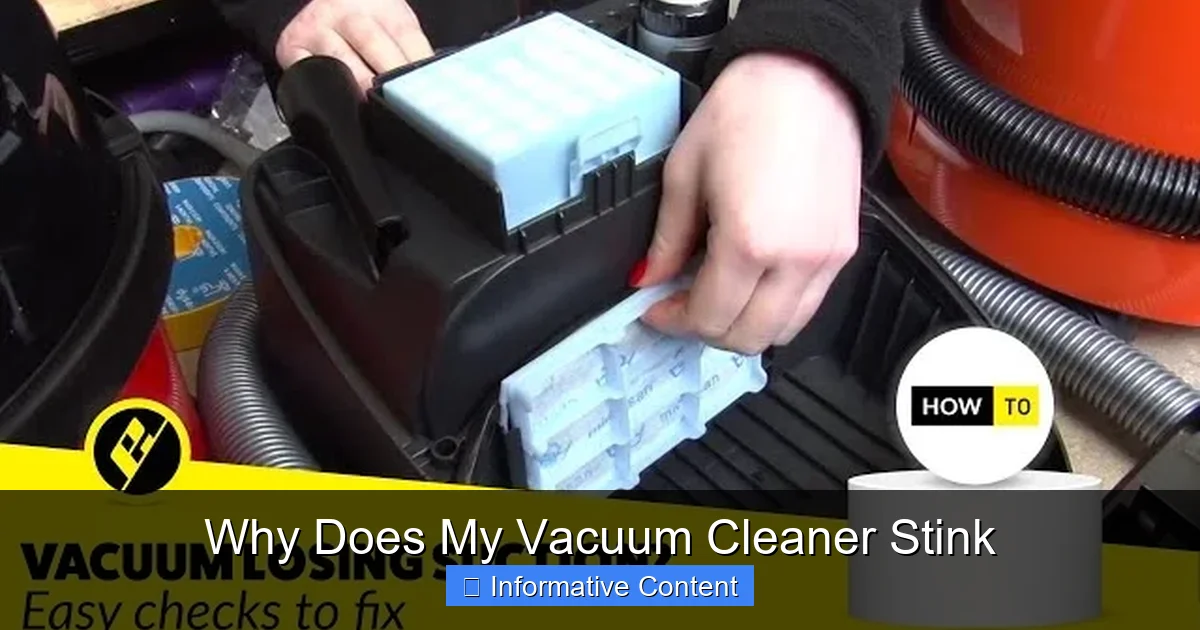
Visual guide about Why Does My Vacuum Cleaner Stink
Image source: vacuumcleanertips.com
Perhaps the most potent and insidious cause of a stinky vacuum cleaner is moisture. Where there’s moisture, there’s often mold and mildew, and these fungi are notorious for producing strong, musty, and generally unpleasant odors.
Vacuuming Wet Areas
This is a big one! Accidentally (or intentionally) vacuuming up even slightly damp carpet, a small liquid spill, or residual moisture from a steamed floor can introduce enough water into your vacuum’s system to kickstart mold and mildew growth. Even if the water dries out quickly, the spores might already be established. Once mold spores find a damp, dark environment with some organic food (like dust or pet dander), they will thrive, producing that characteristic musty, earthy smell that permeates your home when you vacuum. Your vacuum cleaner might stink because you’ve inadvertently turned it into a mold incubator.
Unemptied Dustbins and Bags
This ties back to moisture, but it’s worth highlighting. If your dustbin isn’t emptied regularly, or your vacuum bag is left full for extended periods, any trapped moisture (from the air, or trace amounts from vacuuming) combined with the organic debris creates the perfect breeding ground for mold and bacteria. The longer the debris sits, the more likely it is to become damp and host microbial growth, especially in humid climates or during certain seasons. This is why your vacuum cleaner might stink even if you haven’t directly vacuumed a wet mess.
Humid Environments
Even without direct contact with liquid, if your vacuum is stored in a humid basement, garage, or utility closet, the ambient moisture can penetrate its internal components. This dampness, combined with the accumulated dust and dirt, can lead to mildew development throughout the machine, causing a general stale or musty odor whenever it’s turned on.
The Hidden Traps: Filters, Hoses, and Brush Rolls
While the dustbin or bag might seem like the obvious place for smells to originate, many other parts of your vacuum are silent conspirators in the smell saga. These components are often overlooked during routine cleaning, allowing odors to build up.
Clogged or Dirty Filters
Your vacuum’s filters are designed to trap fine particles, allergens, and odors, preventing them from being expelled back into the air. However, they also become incredibly dirty over time. If not cleaned or replaced regularly, these filters become saturated with microscopic debris, pet dander, and other odor-causing particles. Imagine a sponge that’s continuously absorbing dirty water without ever being rinsed – eventually, it’s going to reek. A clogged filter not only makes your vacuum cleaner stink, but it also reduces suction power and compromises air quality.
Blocked Hoses and Attachments
The flexible hose, extension wands, and various attachments can become veritable tunnels of hidden grime. Long pet hairs, clumps of dust, stray food particles, or even small toys can get lodged inside these narrow passages. Over time, this trapped material breaks down, creating blockages that not only impede airflow but also emit foul odors. Because these areas are out of sight, they are often out of mind, allowing smells to fester undetected until you turn the vacuum on. Clearing these blockages is crucial for both performance and freshness.
The Brush Roll’s Secret Stash
The rotating brush roll (or beater bar) at the base of your vacuum is fantastic at agitating carpet fibers, but it’s also a magnet for hair, string, and debris. Pet hair, in particular, loves to get tangled around the brush roll. This tangled hair, combined with dust and dander, can harbor bacteria and moisture, leading to a burnt, stale, or animalistic smell. If something metallic or plastic melts onto the brush roll due to friction, that can also create a distinctive odor. If your vacuum cleaner smells burnt, check the brush roll first.
Beyond the Obvious: Electrical & Motor Issues
While less common than the issues caused by dirt and moisture, sometimes a stinky vacuum cleaner indicates a more serious mechanical or electrical problem. These smells are usually distinctly different – often acrid, burning, or smoky.
Overheating Motor
A vacuum cleaner motor works hard, and if it’s struggling due to a blockage, a full dustbin, or simply old age, it can overheat. An overheating motor often emits a distinctive burning smell, akin to burning rubber or plastic. This is a serious issue that shouldn’t be ignored, as it can lead to motor failure or even a fire hazard. If you smell something burning and the vacuum is hot to the touch, turn it off immediately and investigate for blockages.
Burning Electrical Components
Sometimes, the problem isn’t the motor itself but other electrical components like wiring or belts. A frayed wire, a failing circuit board, or a worn-out belt slipping and creating friction can all produce a burning plastic or electrical odor. Again, if you detect such a smell, discontinue use and have the vacuum inspected by a professional. This type of smell is a clear answer to “Why does my vacuum cleaner stink?” but requires professional attention.
From Stink to Sweet: A Step-by-Step Cleaning Guide
Now that we know *why* your vacuum cleaner might stink, let’s talk about *how* to fix it. A thorough cleaning can work wonders!
Emptying and Cleaning the Dust Bin/Bag
This is your first line of defense.
- Bagless Vacuums: Empty the dustbin after every use, or when it’s about two-thirds full. Wash the bin with warm, soapy water, rinse thoroughly, and *ensure it’s completely dry* before reassembling. A small amount of baking soda left in the bin for an hour can also help absorb lingering odors.
- Bagged Vacuums: Change the bag before it’s completely full. Consider bags with activated charcoal for extra odor absorption, especially if you have pets.
Washing or Replacing Filters
Filters are odor sponges.
- Washable Filters: Most manufacturers recommend rinsing these under cool water until the water runs clear. Let them air dry for at least 24-48 hours. *Crucially, they must be bone dry* before going back into the vacuum to prevent mold.
- Disposable Filters: Check your manual for replacement frequency (usually every 6-12 months, or more often with pets). Don’t try to wash disposable filters; it won’t work and can damage them.
Clearing Hoses and Attachments
You’ll be surprised what you find!
- Hoses: Disconnect the hose from both ends. Straighten it out and look through it for blockages. Use a broom handle or a long, blunt object to gently push through any clogs. Never use anything sharp that could puncture the hose.
- Attachments: Remove any visible hair or debris from crevices. Wash them with warm soapy water and dry completely.
Cleaning the Brush Roll
This often neglected part can harbor a lot of stench.
- Remove the Brush Roll: Consult your vacuum’s manual for instructions on how to safely remove it.
- Cut Away Hair and Debris: Use scissors or a seam ripper to carefully cut away tangled hair, string, and fabric from around the brush bristles and ends. Be careful not to cut the bristles or the belt.
- Wipe Down: Use a damp cloth to wipe down the brush roll and the housing area before reattaching.
Deodorizing Your Vacuum
Once clean, you can add an extra layer of freshness.
- Baking Soda: Sprinkle a small amount of baking soda onto your carpets before vacuuming. It naturally absorbs odors.
- Vacuum Deodorizers: Many brands offer scented granules or discs designed to be placed in the vacuum bag or dustbin. Just be sure not to overdo it, as strong scents can sometimes irritate sensitivities.
- Essential Oils: A few drops of a pleasant essential oil (like tea tree, lemon, or eucalyptus) on a cotton ball placed inside the dustbin (away from the motor/filter) can help, but ensure it doesn’t get sucked into the motor.
Regular Maintenance is Key
Preventing odors is far easier than fixing them. Make cleaning your vacuum a regular part of your household routine. A quick empty after each use and a monthly check of filters and brush rolls can make a huge difference.
Prevention is Better Than Cure: Keeping Odors at Bay
To ensure you never have to ask “Why does my vacuum cleaner stink?” again, proactive steps are your best friend.
Don’t Vacuum Wet Messes
Seriously, this is rule number one. Use paper towels, a mop, or a wet vac designed for liquids. Even damp carpet from a spill should be allowed to dry thoroughly before a regular dry vacuum is used on it. This single action will prevent countless mold and mildew issues.
Empty Frequently
Get into the habit of emptying your dustbin or changing your bag after every significant use, or at least every few uses. Don’t wait until it’s overflowing. Less debris means less opportunity for smells to develop.
Regular Deep Cleans
Just like you clean your floors regularly, your vacuum needs its own cleaning schedule. Aim for a thorough deep clean every 1-3 months, depending on usage and household conditions (pets, kids, etc.). This includes washing filters, clearing hoses, and cleaning the brush roll.
Pet-Friendly Cleaning Practices
If you have pets, consider investing in a vacuum specifically designed for pet hair, as these often have better filtration and more easily accessible parts for cleaning. Also, brush your pets regularly to reduce the amount of dander and loose hair that ends up on your floors and in your vacuum.
Store Your Vacuum Properly
Store your vacuum cleaner in a cool, dry place. Avoid damp basements, garages, or utility closets where humidity can encourage mold growth within the machine. Ensuring it’s stored in a well-ventilated area can help keep it fresh between uses.
In conclusion, a stinky vacuum cleaner is a common nuisance, but it’s rarely a mystery once you know what to look for. From decomposing pet dander and forgotten food crumbs to insidious mold and mildew thriving in damp corners, the causes are usually organic and preventable. By regularly emptying, cleaning, and maintaining your vacuum’s vital components, and by adopting a few smart preventative habits, you can transform your malodorous machine into a fresh-scented cleaning companion. Don’t let a smelly vacuum ruin your clean home experience. Take action, keep it clean, and enjoy the true freshness your efforts deserve!
🎥 Related Video: Does Your Vacuum Have an Odor? Here's how to clean that up! #cleaning #vacuum
📺 Clean That Up
Frequently Asked Questions
How can I prevent mold from growing in my vacuum?
To prevent mold, avoid vacuuming wet areas or liquid spills entirely. Always ensure your dustbin is completely dry after washing, and empty it frequently. Store your vacuum in a dry, well-ventilated area to minimize moisture exposure.
Are there special vacuum cleaners for pet owners that reduce smells?
Yes, many vacuum cleaners are specifically designed for pet owners, featuring enhanced filtration (like HEPA filters), specialized brush rolls that resist tangles, and sometimes even integrated odor-absorbing technologies or bags. These features help to trap dander and prevent odors from circulating.
Can a full vacuum bag or dustbin really cause a strong odor?
Absolutely. A full bag or dustbin becomes a concentrated repository of all the debris, dust, and organic matter collected from your home. This material, especially if it contains any moisture or food particles, will decompose over time and create very strong, unpleasant odors.
Is it safe to use baking soda to deodorize my vacuum?
Using baking soda is generally safe and effective for deodorizing your vacuum cleaner. You can sprinkle a thin layer on your carpets before vacuuming to help absorb odors, or place a small amount directly into an *empty* and *clean* dustbin to absorb residual smells.
What if my vacuum cleaner smells like rotten eggs?
A rotten egg smell usually indicates a breakdown of organic matter producing hydrogen sulfide gas. This could be from spoiled food particles, pet waste residue, or other biological decomposition within the vacuum’s system. A thorough deep clean of all components is necessary to eliminate the source.
Can a dirty brush roll contribute to a vacuum cleaner’s smell?
Yes, a dirty brush roll absolutely contributes to a vacuum cleaner’s smell. It often accumulates large amounts of tangled hair (especially pet hair), string, and other debris which, over time, can host bacteria and moisture, leading to stale, burnt, or musky odors as the material decomposes or creates friction.