
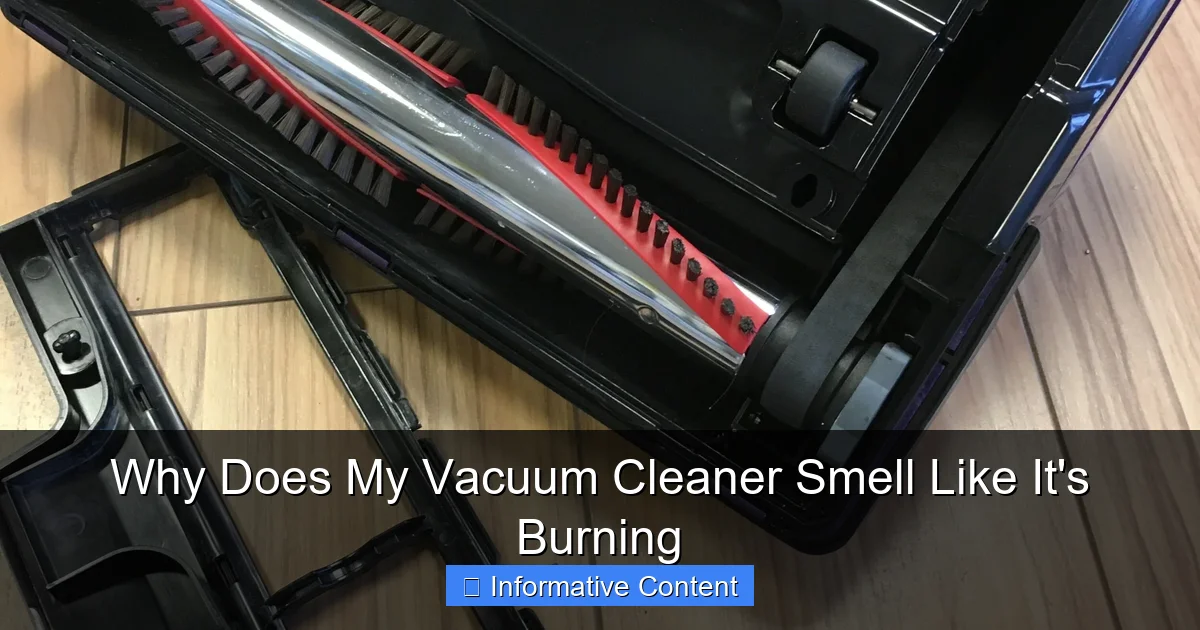
When your vacuum cleaner smells like it’s burning, it’s a clear signal to stop and investigate. This unsettling odor often points to overheating caused by airflow blockages, such as a full bag, clogged filters, or a jammed brush roll. Ignoring this warning can lead to motor damage or even a fire hazard, so understanding the underlying causes and taking prompt action is crucial for both your vacuum’s lifespan and your home’s safety.
There’s nothing quite like the smell of a clean home. But when you’re in the middle of a vacuuming session and a pungent, acrid odor suddenly fills the air, it can quickly turn a satisfying chore into a moment of panic. If you’ve ever thought, “why does my vacuum cleaner smell like it’s burning,” you’re not alone. It’s a surprisingly common complaint, and more often than not, it’s a sign that something isn’t quite right with your trusty cleaning companion.
That distinct burning smell – whether it’s like burnt rubber, singed hair, or even a concerning electrical odor – is your vacuum cleaner sending out a clear distress signal. It’s telling you that internal components are overheating, and that’s not something you should ignore. Addressing the issue promptly can save you from a costly repair, prevent permanent damage to your machine, and most importantly, avert potential safety hazards in your home. Let’s delve into the most common reasons why your vacuum cleaner smells like it’s burning and what you can do to fix it.
Key Takeaways
- Stop Immediately: If your vacuum cleaner smells like it’s burning, turn it off and unplug it at once to prevent further damage or safety risks.
- Check for Blockages: The most common cause is restricted airflow from full bags/canisters, clogged filters, or debris jamming the brush roll or hose.
- Inspect the Brush Roll and Belt: Hair, strings, or a worn/broken drive belt can create friction and overheating, often emitting a burnt rubber smell.
- Motor Overheating: Persistent strain due to blockages or internal component failure (like carbon brushes) can cause the motor to overheat and give off an electrical burning odor.
- Avoid Wet or Fine Debris: Vacuuming liquids, fine dust (like drywall), or even extremely thick carpet can put undue stress on the motor and filtration system.
- Regular Maintenance is Key: Routinely cleaning filters, emptying the dustbin, removing brush roll tangles, and checking belts can prevent most burning smells.
- When to Seek Professional Help: If basic troubleshooting doesn’t resolve the issue, or if you suspect an electrical fault or serious motor problem, consult a professional repair technician.
Quick Answers to Common Questions
What should I do immediately if my vacuum cleaner smells like it’s burning?
Immediately turn off and unplug the vacuum cleaner from the power outlet to prevent further damage or safety hazards.
Is a burning smell from my vacuum dangerous?
Yes, a burning smell is dangerous as it indicates overheating, which can lead to motor damage, electrical fires, or even cause plastic components to melt.
Can a full dustbin or bag cause a burning smell?
Absolutely. A full dustbin or bag severely restricts airflow, forcing the vacuum’s motor to work much harder and overheat, leading to a burning smell.
How often should I clean my vacuum’s filters?
It depends on usage and filter type, but generally, washable filters should be cleaned monthly, and non-washable ones replaced every 3-6 months. Check your vacuum’s manual for specific recommendations.
When should I call a professional for a burning vacuum smell?
If you’ve checked for common blockages, cleaned filters, and inspected the belt, but the burning smell persists, or if you detect an electrical smell or see sparks, it’s time to contact a professional repair technician.
📑 Table of Contents
- Why a Burning Smell is a Red Flag
- Clogged Filters and Full Dustbins: Restricting Airflow
- Brush Roll Obstructions and Worn Belts: Friction and Overload
- Motor Overheating and Electrical Woes
- Suction Hose and Nozzle Blockages: Hidden Obstacles
- User Error and Environmental Factors
- Conclusion: Prevention and Prompt Action are Key
Why a Burning Smell is a Red Flag
First and foremost, if your vacuum cleaner smells like it’s burning, the immediate action is to turn it off and unplug it from the wall. This isn’t just a recommendation; it’s a crucial safety step. Continuing to operate a vacuum that’s emitting a burning odor can exacerbate the problem, leading to more extensive damage or even posing a fire risk. Understanding what kind of burning smell you’re detecting can also offer clues to the underlying problem.
Different Burning Smells and What They Mean
- Burnt Rubber Smell: This is frequently associated with mechanical friction, often from a worn-out or jammed drive belt, or an obstructed brush roll.
- Electrical or Acrid Smell: This is perhaps the most concerning. It often indicates an issue with the motor itself, such as overheating, worn carbon brushes, or faulty wiring.
- Burnt Hair or Dust Smell: This usually points to debris caught in the brush roll or a severe blockage causing dust and hair to get too hot.
Regardless of the specific nuance, any burning smell means your vacuum is working harder than it should be, generating excessive heat. This heat can damage plastic components, melt insulation around wires, or even cause a motor to seize up. Let’s explore the common culprits in detail.
Clogged Filters and Full Dustbins: Restricting Airflow
One of the most frequent reasons why your vacuum cleaner smells like it’s burning is simply a lack of proper airflow. Vacuums rely on a steady flow of air to pick up dirt and to cool their internal components, especially the motor. When this airflow is restricted, the motor has to work much harder to generate suction, causing it to overheat.
Visual guide about Why Does My Vacuum Cleaner Smell Like It’s Burning
Image source: vacmasterguide.com
The Role of Filters
Your vacuum cleaner has one or more filters designed to capture dust and allergens, preventing them from being expelled back into the air or reaching the motor. Over time, these filters can become completely caked with dirt and debris, effectively blocking the path of air. Think of it like trying to breathe through a thick, dirty cloth – it’s difficult and puts a strain on your lungs.
- Pre-Motor Filters: These are often washable foam or felt filters located before the motor. If clogged, they directly impede airflow to the motor, causing it to heat up rapidly.
- HEPA or Exhaust Filters: Located after the motor, these filters capture fine particles. While a clogged exhaust filter might not cause the motor to overheat as quickly as a pre-motor filter, it still contributes to overall strain on the system.
Practical Tip: Check your vacuum’s manual for filter cleaning and replacement schedules. Washable filters should be cleaned regularly (often monthly) and allowed to air dry completely before reinstallation. Non-washable filters should be replaced every 3-6 months, or more frequently if you vacuum often or have pets.
Full Dustbins or Bags
Similarly, a dustbin that’s overflowing or a vacuum bag that’s stuffed to capacity will also severely restrict airflow. The dirt itself acts as an insulating barrier, trapping heat and making the motor strain. If you find your vacuum cleaner smells like it’s burning, a quick check of the bag or bin is often the easiest fix.
Practical Tip: Empty your bagless canister after every use, or when it reaches the “max fill” line. Replace vacuum bags when they are two-thirds to three-quarters full, not just when they seem completely packed. Don’t wait until performance drops dramatically; by then, your motor might already be experiencing undue stress.
Brush Roll Obstructions and Worn Belts: Friction and Overload
Another major contributor to that dreaded burning smell often involves the vacuum’s brush roll (also known as the beater bar) and its drive belt. These components are constantly moving and interacting with your carpets, making them prone to issues.
Jammed Brush Roll
The brush roll is designed to agitate carpets and dislodge dirt, sweeping it into the suction path. However, it’s also a magnet for long hair, threads, string, and even small pieces of debris like socks or plastic bags. When the brush roll becomes heavily entangled or completely jammed, it can no longer spin freely. This causes the motor to work harder and harder, trying to force it to move, leading to significant overheating. The friction from the jammed brush roll itself can also generate heat, especially if hair is rubbing against plastic components.
Practical Tip: Periodically flip your vacuum over and visually inspect the brush roll. Use scissors or a seam ripper to carefully cut away any tangled hair or fibers. Be gentle and avoid cutting the bristles themselves or any internal wires. Many modern vacuums have a removable brush roll for easier cleaning.
Worn or Broken Drive Belt
Most upright and some canister vacuums use a rubber drive belt to transfer power from the motor to the brush roll, making it spin. Over time, these belts can stretch, fray, become cracked, or even break entirely. A worn belt might slip, causing friction and emitting a strong burnt rubber smell. If the belt breaks, the brush roll won’t spin at all, but the motor might still run, causing it to over-rev and potentially overheat without proper load.
Practical Tip: With the vacuum unplugged, remove the bottom plate covering the brush roll. Examine the belt for any signs of wear, stretching, or breakage. If it looks compromised, it’s a relatively inexpensive and straightforward repair to replace it. Most vacuum manufacturers sell replacement belts specific to their models.
Motor Overheating and Electrical Woes
When you frequently ask “why does my vacuum cleaner smell like it’s burning,” and the issues aren’t just clogs or brush roll problems, you might be looking at more serious motor or electrical issues. These can be more complex and potentially dangerous.
Overworked Motor
As mentioned, anything that causes the vacuum to work harder – severe clogs, a constantly jammed brush roll, or even trying to vacuum up overly dense debris – will put immense strain on the motor. Motors are designed to operate within certain temperature ranges. When pushed beyond these limits repeatedly, they can overheat, causing the internal wiring insulation to melt or the motor’s carbon brushes to wear down rapidly. This often results in a distinct electrical or acrid burning smell.
Practical Tip: If you suspect the motor is overheating, immediately turn off and unplug the vacuum. Let it cool down for at least 30 minutes before inspecting or attempting to use it again. If the problem persists even after clearing blockages, it might indicate internal motor damage.
Worn Carbon Brushes
Many universal motors (common in vacuums) use carbon brushes to conduct electricity to the rotating part of the motor (the commutator). These brushes gradually wear down over time. As they wear, they can create excessive friction and sparking, leading to a strong electrical burning smell and potentially visible sparks. Severely worn brushes can also cause the motor to run inefficiently or stop altogether.
Practical Tip: Replacing carbon brushes can be a DIY task for some models, but it requires a certain level of technical comfort. If you’re unsure, it’s best to consult a professional. This issue often presents as a sputtering motor or intermittent power loss alongside the smell.
Electrical Wiring or Component Failure
In rare but serious cases, the burning smell could be due to a faulty electrical component, loose wiring, or a short circuit within the vacuum’s casing. This is often accompanied by a very sharp, acrid electrical smell, sometimes with visible smoke or sparks. This is a severe fire hazard.
Practical Tip: If you suspect an electrical fault, do NOT attempt to repair it yourself unless you are a qualified electrician. Unplug the vacuum immediately and contact a professional repair service or consider replacing the unit. Electrical issues are not to be trifled with.
Suction Hose and Nozzle Blockages: Hidden Obstacles
Sometimes, the problem isn’t obvious when you check the filters or brush roll. The blockage could be further down the line, in the suction hose or the wand/nozzle attachments. These hidden obstructions can still cause your vacuum cleaner to smell like it’s burning by restricting airflow just as effectively as a full dustbin.
What Gets Stuck?
Large pieces of debris – a child’s toy, a rogue sock, a clump of paper, or even significant pet hairballs – can become lodged inside the hose or the narrower openings of the attachments. Because these areas are less visible, it’s easy to overlook them during routine checks.
Practical Tip:
- Remove Attachments: Detach the hose from both the main unit and any floor nozzles.
- Visual Inspection: Look through both ends of the hose. If it’s a clear hose, you might see the blockage directly. For opaque hoses, you might need to feel for it.
- Clear with a Tool: Use a broom handle, a sturdy wire hanger (unbent), or a plumber’s snake to gently push the obstruction through. Never use your hand or anything that could get stuck or damage the hose.
- Check Nozzles: Disassemble any floor nozzles or attachments that might have narrow passages and clear them as well.
After clearing any blockages, reassemble your vacuum and test it. The motor should run more freely, and the burning smell should dissipate.
User Error and Environmental Factors
Sometimes, the burning smell isn’t due to a fault with the vacuum itself but rather how it’s being used or the conditions it’s operating in.
Vacuuming Wet Materials
Most household vacuums are designed for dry pickup only. Attempting to vacuum liquids, damp areas, or even just excessively wet spills can be extremely damaging. Water can short-circuit electrical components, cause motor damage, and can also lead to filters becoming saturated and blocking airflow. The burning smell here could be electrical components reacting to moisture or a severely overworked motor.
Practical Tip: Use a wet/dry shop vac for liquids. If you accidentally vacuum something wet with a dry vacuum, immediately turn it off, unplug it, and let it dry out completely for several days before attempting to use it again. Do not risk electrocution or further damage.
Vacuuming Fine Dust or Construction Debris
Materials like drywall dust, fireplace ash, flour, or sawdust are incredibly fine and can quickly overwhelm a standard vacuum’s filtration system. These particles can bypass filters, enter the motor, and cause excessive friction and heat, leading to an electrical burning smell. They can also quickly clog filters, leading back to the airflow restriction issue.
Practical Tip: For fine dust, consider using a shop vac with a specialized fine dust filter or a vacuum specifically designed for construction cleanup. If using a regular vacuum, empty the canister frequently and clean/replace filters more often. Never vacuum hot ash from a fireplace, as this is a serious fire hazard.
Over-Vacuuming Thick Carpets
While not as common, sometimes continuously running your vacuum over very thick, dense carpet for extended periods can also put a strain on the motor, especially if the pile height isn’t adjusted correctly for the brush roll. This can make the motor work harder than necessary, leading to overheating.
Practical Tip: Ensure your vacuum’s carpet height setting is appropriate for your carpet type. If you have extremely thick carpet, take short breaks during your vacuuming session to allow the motor to cool down.
Conclusion: Prevention and Prompt Action are Key
The unsettling question of “why does my vacuum cleaner smell like it’s burning” almost always points to an issue of overheating, typically due to restricted airflow or excessive strain on the motor. While some causes, like a simple clogged filter, are easy fixes, others, such as motor damage or electrical faults, warrant more serious attention or professional intervention.
The golden rule remains: if you smell burning, turn off and unplug your vacuum cleaner immediately. Regular maintenance – emptying dustbins, cleaning/replacing filters, clearing brush roll tangles, and inspecting belts – is your best defense against these unpleasant and potentially dangerous odors. By understanding the common culprits and acting quickly, you can keep your vacuum cleaner running efficiently, extend its lifespan, and maintain a safe and clean home environment.
🎥 Related Video: Why Does My Vacuum Smell Like It’s Burning? | Troubleshooting and Solutions
📺 vacuumera
Why Does My Vacuum Smell Like It’s Burning? ✨✨ Read The Full Article for details Information …
Frequently Asked Questions
What causes a burnt rubber smell from my vacuum?
A burnt rubber smell usually indicates an issue with the vacuum’s drive belt or brush roll. The belt might be slipping, worn out, or broken, creating friction, or the brush roll could be jammed with hair or debris, causing the belt to strain.
Can vacuuming specific materials make my vacuum smell like it’s burning?
Yes, vacuuming wet materials can cause electrical short circuits, and vacuuming very fine dust like drywall or ash can clog filters rapidly and make the motor overheat. Always use your vacuum for its intended purpose (dry dirt) and with proper filtration.
My vacuum smells like burning, but there’s no visible smoke. Is it still serious?
Even without visible smoke, a burning smell is a serious indicator of overheating. The smell means components are getting hot enough to start breaking down or charring, which can quickly escalate to smoke or fire if ignored.
How can I prevent my vacuum from developing a burning smell in the future?
Regular maintenance is key: frequently empty the dustbin/change bags, clean or replace filters as recommended, regularly remove hair and debris from the brush roll, and check the drive belt for wear. Also, avoid vacuuming unsuitable materials.
What’s the difference between a dust burning smell and an electrical burning smell?
A dust burning smell is often less acrid, similar to singed hair or burning lint, and usually comes from debris caught in the brush roll or a severely clogged filter. An electrical burning smell is sharper, more acrid, and often indicates a serious problem with the motor, wiring, or other electrical components.
Can an old vacuum cleaner be more prone to burning smells?
Yes, older vacuum cleaners can be more prone to burning smells due to general wear and tear on components like the motor’s carbon brushes, drive belts, and seals. Over time, internal parts can become less efficient, leading to increased strain and overheating.