
Is your vacuum cleaner smelling bad? Don’t worry, it’s a common issue with clear solutions. Unpleasant odors usually stem from trapped debris like pet hair, food particles, or even mold growing inside your machine. This article guides you through identifying the source of the stink and provides a step-by-step cleaning process, along with crucial preventative measures, to ensure your vacuum cleaner smells fresh and works efficiently.
There’s nothing quite like the feeling of a freshly vacuumed home, but that satisfying scent can quickly turn into a pungent problem. Instead of smelling clean, you might notice your vacuum cleaner is emitting a strange, perhaps even foul, odor as you push it across your floors. It’s a frustrating experience, isn’t it? You’re trying to clean your home, only to have your cleaning tool add an unpleasant stench to the air.
If you’ve ever asked yourself, “Why does my vacuum cleaner smell bad?”, you’re definitely not alone. This is a common complaint among vacuum owners, and the good news is that most causes are identifiable and fixable. Understanding the root of the problem is the first step towards a fresher, cleaner home – and a fresher, cleaner vacuum!
In this comprehensive guide, we’re going to dive deep into the mysteries of the smelly vacuum. We’ll explore the most common culprits behind those unpleasant aromas, show you how to pinpoint the source of the stink, and provide you with a detailed, step-by-step plan to get your vacuum cleaner smelling sweet again. Plus, we’ll share some invaluable tips on how to prevent those nasty odors from returning in the future. Let’s get that machine working (and smelling) like new!
Key Takeaways
- Common Culprits: Most bad vacuum smells come from trapped organic matter like pet hair, food particles, dust, and even mold or mildew within the bag, canister, filters, or brush roll.
- Beyond Debris: Sometimes, the burning smell indicates a motor issue, a clogged hose putting strain on the motor, or worn-out belts, requiring prompt attention.
- Locate the Source: Identifying the exact origin of the smell (e.g., from the dustbin, brush roll, or exhaust) is crucial for effective cleaning.
- Thorough Cleaning is Key: Regularly empty the dustbin/change the bag, clean or replace filters, unclog hoses, clean the brush roll, and wipe down all components.
- Prevention Works Best: A consistent maintenance schedule, promptly addressing wet messes, and proper storage are vital for preventing future odors.
- Filter Focus: Dirty or clogged filters significantly reduce suction and can harbor odor-causing bacteria and allergens, making their regular cleaning or replacement essential.
Quick Answers to Common Questions
What causes a vacuum cleaner to smell like burnt rubber?
A burnt rubber smell usually indicates a problem with the vacuum’s belt, which drives the brush roll. It might be worn, stretched, or obstructed, causing it to rub against other parts or slip. Immediately turn off and unplug the vacuum to inspect and replace the belt if needed.
Can a full vacuum bag cause my vacuum to smell bad?
Absolutely! A full vacuum bag acts like a storage unit for all the dust, dirt, pet hair, and microscopic debris you’ve collected. Over time, this organic material decomposes and harbors bacteria, leading to stale, musty, or truly foul odors being released as you vacuum.
How often should I clean my vacuum cleaner filters?
Most manufacturers recommend cleaning washable filters monthly, especially with regular use, pets, or allergies. Non-washable filters, like HEPA filters, typically need to be replaced every 6 to 12 months. Always check your vacuum’s specific manual for precise guidelines.
Is it safe to vacuum up essential oils or scented powders?
While some people use these to freshen their vacuum, it’s generally best to use them sparingly and with caution. Heavily scented powders can clog filters and potentially damage motor components over time. Essential oils, if applied directly to plastic parts, might degrade them. A clean vacuum is the best deodorizer.
Why does my vacuum cleaner smell musty, like mold?
A musty, moldy smell usually means your vacuum has picked up something wet or has been stored in a damp environment. Moisture trapped within the dustbin, bag, filters, or hose creates a perfect breeding ground for mold and mildew. A thorough deep clean and ensuring all parts are completely dry before reassembly is essential.
📑 Table of Contents
The Usual Suspects: What Gets Trapped Inside?
Most of the time, when your vacuum cleaner smells bad, it’s because of something organic that has been sucked up and is now decomposing or festering within the machine. Think of it like a tiny, mobile garbage can that hasn’t been emptied in a while. Here are the primary offenders:
Dust and Debris Buildup
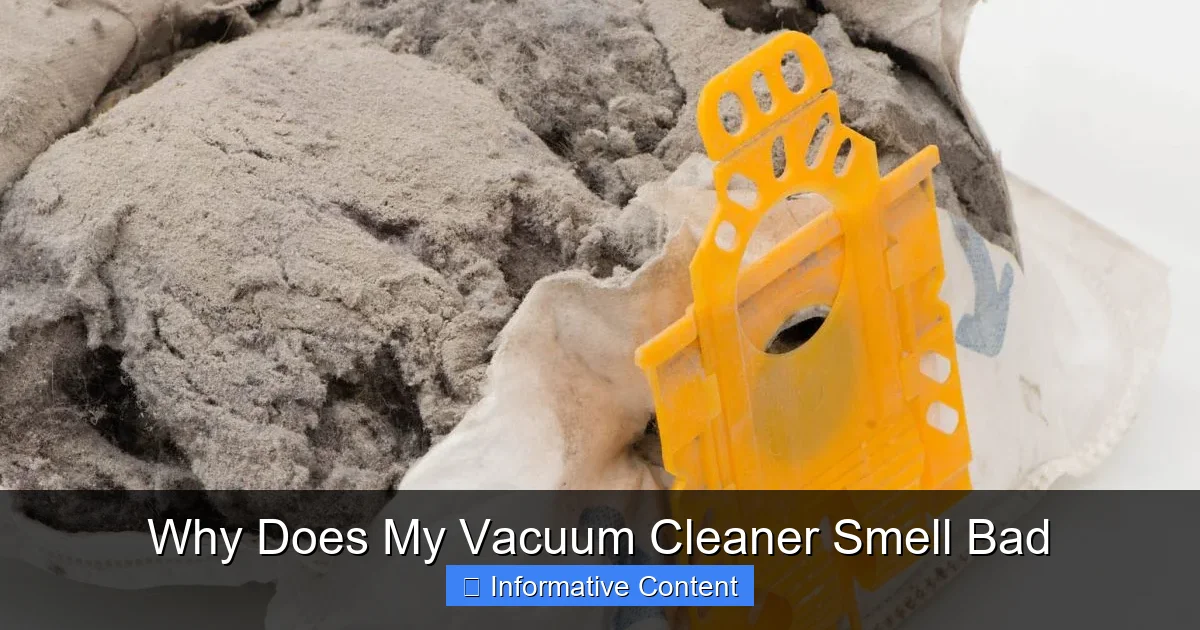
This might seem obvious, but it’s often overlooked. Your vacuum cleaner is designed to collect dust, dirt, and general household debris. Over time, these particles accumulate not just in the dustbin or bag, but also in crevices, on the brush roll, and around the filters. This buildup of old dust and dirt can develop a stale, musty odor, especially if it’s been sitting for a while. It’s a fundamental reason why your vacuum cleaner smells bad.
Pet Dander and Hair
For pet owners, this is a major one. Pet hair and dander are highly organic and can carry their own distinct odors, even when dry. Once trapped inside the vacuum, mixed with dust and moisture (even ambient humidity), they can become a breeding ground for bacteria and fungi. This leads to a strong, often pungent, animal-like smell. If you have furry friends, it’s a very common reason why your vacuum cleaner smells bad.
Food Particles and Spills
Imagine crumbs from your breakfast cereal, a spilled chip, or even tiny pieces of dried pasta. If your vacuum picks up any food particles, they can start to rot and produce truly awful smells. This is especially true if the food was damp or if it encounters any moisture inside the vacuum. Mold and bacteria absolutely love a damp, food-rich environment, leading to truly offensive odors that make you wonder, “Why does my vacuum cleaner smell bad?” every time you turn it on.
Mold and Mildew
This is probably the nastiest culprit. If your vacuum ever picks up anything wet – a damp spill, a leaky patch, or even just high humidity in your environment – and that moisture gets trapped, mold and mildew can quickly begin to grow. They thrive in dark, damp, enclosed spaces. The musty, earthy, and sometimes acrid smell of mold and mildew is unmistakable and can permeate your entire home as the vacuum operates. This is a serious reason why your vacuum cleaner smells bad, and it requires thorough attention.
Beyond the Obvious: Other Causes of Foul Odors
While trapped debris is the most common reason your vacuum cleaner smells bad, there are other, more mechanical issues that can also contribute to unpleasant odors. These often indicate a problem that needs a bit more than just a simple clean-out.
Visual guide about Why Does My Vacuum Cleaner Smell Bad
Image source: phcvacuumservice.co.uk
Dirty Filters
Your vacuum’s filters (pre-motor, post-motor, HEPA) are crucial for trapping fine dust, allergens, and odors. However, if they become clogged or haven’t been cleaned/replaced according to the manufacturer’s recommendations, they become saturated with all the unpleasant things they’re supposed to filter out. This not only reduces your vacuum’s suction power but also allows trapped odors to circulate and be expelled back into your home. A truly dirty filter can be a huge reason why your vacuum cleaner smells bad.
Clogged Hoses and Attachments
Just like the main dustbin, the hoses and attachments can become blocked with clumps of hair, dust bunnies, and debris. These clogs can trap odor-causing particles, especially if they’re organic material like pet hair or food bits. Furthermore, a clog makes your vacuum’s motor work harder, potentially leading to another type of smell. It’s an often-missed spot when trying to figure out why does my vacuum cleaner smell bad.
Full or Damaged Dust Bags/Canisters
If you have a bagged vacuum, a full bag is essentially a bag full of old, smelly dirt. Change it regularly! For bagless vacuums, a dirty canister that isn’t regularly emptied and wiped down can harbor smells. If a bag is damaged, or a canister seal is broken, dirty air and odors can escape prematurely.
Motor Problems (Burning Smell)
This is a distinct and more serious smell. If you notice a burning rubber or electrical odor, it’s usually a sign of a mechanical problem. This could be due to:
- Overheating: A clogged vacuum, a full bag, or a dirty filter can make the motor work harder, causing it to overheat.
- Worn Belts: The belt that drives the brush roll can wear out or become damaged, causing friction and a burning rubber smell.
- Electrical Issues: Sometimes, internal wiring or the motor itself can develop an electrical fault.
If you detect a burning smell, turn off your vacuum immediately and unplug it. This is a safety concern, not just an odor issue, and is a clear indicator of why your vacuum cleaner smells bad in a very concerning way.
Identifying the Source of the Stink
Before you can fix the problem, you need to know exactly where the smell is coming from. A systematic approach will help you pinpoint the exact culprit. This is key to understanding why your vacuum cleaner smells bad.
The Sniff Test: Where’s it Strongest?
With the vacuum unplugged and cooled down, start by sniffing different parts of the machine. Get close to the dustbin/bag compartment, the filters, the hose intake, the brush roll, and even the exhaust port. Does the smell seem stronger in one area than another? This can give you a crucial clue.
Visual Inspection: What Can You See?
Open up every accessible compartment. Look for obvious blockages in the hose, the brush roll, and around the filters. Are there clumps of pet hair, food particles, or any visible mold growth? Is the dustbin caked with old grime? Is the bag bulging and packed tightly?
Listening for Clues
When you use the vacuum, do you hear any unusual noises, like a straining motor, a grinding sound, or the brush roll struggling to turn? These noises, especially when accompanied by a burning smell, point towards a mechanical issue or a severe clog.
Your Step-by-Step Guide to a Fresher Vacuum
Once you’ve identified the potential sources, it’s time for a thorough cleaning. Follow these steps to eliminate those nasty odors and ensure your vacuum cleaner smells good again.
Emptying and Cleaning the Dustbin/Replacing the Bag
Bagless Vacuums:
- Remove the dustbin and empty all contents into a trash can.
- Rinse the dustbin with warm, soapy water. Use a brush to scrub away any caked-on grime.
- Allow the dustbin to air dry completely before reattaching it. Moisture is a friend to odor-causing mold!
Bagged Vacuums:
- Replace the bag with a new one, even if it’s not completely full. An old bag can be a major reason why your vacuum cleaner smells bad.
- Check the bag compartment for any escaped dust or debris and wipe it clean.
Cleaning or Replacing Filters
This is a critical step.
- Washable Filters: Remove them and rinse under cool water until the water runs clear. Gently squeeze out excess water. Let them air dry for at least 24-48 hours, or until completely dry, before putting them back.
- Non-Washable Filters: Tap them against a trash can to dislodge loose dirt. If they’re heavily soiled or very old, replace them according to your vacuum’s manual. HEPA filters are usually non-washable and need regular replacement.
Always refer to your vacuum cleaner’s manual for specific instructions on filter maintenance. Properly maintained filters are crucial to prevent your vacuum cleaner from smelling bad.
Unclogging Hoses and Attachments
- Disconnect the hose from both ends of the vacuum.
- Visually inspect it for blockages. You might need to use a broom handle or a long, flexible cleaning brush (like those for dryer vents) to push out stubborn clogs.
- For attachments, separate them and clean out any trapped debris.
- If the hose is particularly dirty and can be immersed (check your manual!), you can wash it with warm, soapy water and allow it to dry completely.
Deep Cleaning the Brush Roll
The brush roll is a magnet for hair, string, and other debris that can trap odors.
- Remove the brush roll from the vacuum (consult your manual for how).
- Use scissors or a seam ripper to carefully cut away tangled hair and string.
- Wipe down the brush roll and its housing with a damp cloth, possibly with a little mild detergent.
- Clean any end caps or bearings. Ensure everything is dry before reassembly.
Disinfecting and Deodorizing
Once everything is clean, you can take an extra step to banish lingering odors:
- Wipe down surfaces: Use a cloth dampened with a mild disinfectant spray (like diluted white vinegar or a suitable cleaner) to wipe down the exterior and interior of the dustbin, the vacuum body, and any other non-electrical parts.
- Vacuum Deodorizers: You can purchase vacuum deodorizer tablets or granules to put in your bag or dustbin. Alternatively, place a few drops of essential oil (like tea tree or lemon) onto a cotton ball and place it inside the bag/dustbin or a clean filter before use. Be cautious with essential oils, as some can degrade plastics over time; use sparingly.
Prevention is Key: Keeping Odors at Bay
Now that you’ve got your vacuum cleaner smelling fresh, the goal is to keep it that way. Regular maintenance and mindful usage are your best friends in the fight against foul odors.
Regular Maintenance Schedule
Consistency is crucial.
- Empty Dustbin/Change Bag: After every few uses, or when two-thirds full. Don’t wait for it to be completely packed!
- Check and Clean Filters: At least once a month, or more often if you have pets or allergies. Replace non-washable filters every 6-12 months, or as recommended by the manufacturer.
- Inspect Brush Roll and Hoses: Every 1-2 months, remove hair and check for clogs.
- Deep Clean: A thorough deep clean, as described above, every 3-6 months will keep your vacuum in top shape and prevent that “why does my vacuum cleaner smell bad” question from resurfacing.
Addressing Spills Promptly
Avoid vacuuming up anything wet. If you have a liquid spill, blot it up with paper towels or a cloth first. If you absolutely must vacuum something slightly damp (like dried mud), ensure the vacuum is thoroughly cleaned and dried immediately afterward to prevent mold and mildew growth.
Using Deodorizers (Carefully)
While vacuum deodorizers can provide a temporary boost of freshness, they aren’t a substitute for cleaning. If you use scented powders or essential oils, make sure they are compatible with your vacuum type and won’t clog filters or damage components. Some heavily fragranced powders can even contribute to clogs and further reduce air quality if not used correctly. The best deodorizer is a clean vacuum!
Storing Your Vacuum Properly
Store your vacuum cleaner in a dry, well-ventilated area. Avoid damp basements or garages, especially if your vacuum has been exposed to any moisture. Proper storage helps prevent mold and mildew from taking hold.
A bad-smelling vacuum cleaner doesn’t just make cleaning an unpleasant task; it can also spread those odors throughout your home, making your efforts counterproductive. By understanding why your vacuum cleaner smells bad and taking the necessary steps to clean and maintain it, you’re not just eliminating a smell; you’re also extending the life of your appliance and improving the air quality in your living space. So, roll up your sleeves, tackle that stink, and enjoy the true fresh scent of a truly clean home!
🎥 Related Video: Does Your Vacuum Have an Odor? Here's how to clean that up! #cleaning #vacuum
📺 Clean That Up
Frequently Asked Questions
How often should I empty my vacuum’s dustbin or change the bag?
You should aim to empty your bagless vacuum’s dustbin after every few uses, or when it reaches the “max fill” line. For bagged vacuums, change the bag when it’s about two-thirds full, even if it doesn’t seem completely packed, to maintain optimal suction and prevent odors.
Can cleaning my vacuum’s filters improve its suction power?
Yes, absolutely! Clogged and dirty filters restrict airflow, forcing your vacuum’s motor to work harder and significantly reducing its suction power. Regularly cleaning or replacing your filters ensures maximum airflow, allowing your vacuum to pick up dirt and debris more effectively.
What should I do if my vacuum cleaner smells bad and I can’t find the source?
If you’ve performed a basic clean and the smell persists, conduct a meticulous, step-by-step inspection. Disassemble all accessible parts like the dustbin, filters, hose, and brush roll. Look closely for hidden clogs, damp spots, or signs of mold, and clean each component thoroughly before reassembling everything completely dry.
Is it ever necessary to call a professional for a smelly vacuum?
For most odor issues, a thorough cleaning and maintenance will suffice. However, if you detect a burning electrical smell, strange grinding noises, or suspect a serious motor problem that you can’t identify or fix yourself, it’s safer to consult a qualified vacuum repair professional to avoid further damage or safety hazards.
Can I use baking soda to deodorize my vacuum cleaner?
Yes, baking soda can be used as a natural deodorizer. Sprinkle a small amount onto your carpets before vacuuming to absorb odors, then vacuum it up. You can also place a small, open container of baking soda inside your vacuum’s dustbin or bag compartment when storing it to absorb lingering smells.
Why is my new vacuum cleaner smelling bad already?
If a brand new vacuum cleaner smells bad, it might be due to a “new appliance” smell (plastics and components off-gassing) which usually fades quickly. However, if it’s a burning smell, there might be a manufacturing defect, or something is obstructing the motor or brush roll. In this case, contact the retailer or manufacturer immediately.