
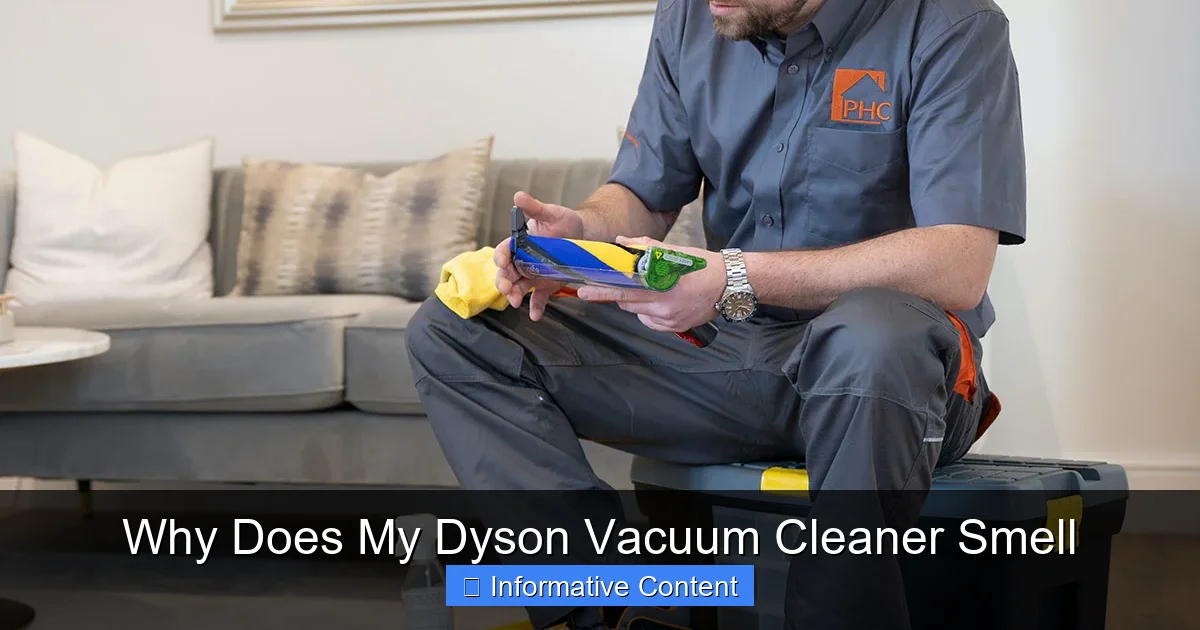
Is your Dyson vacuum cleaner emitting an unpleasant odor? Don’t fret; this common issue often stems from easily fixable problems like clogged filters, hidden blockages, or trapped organic matter such as pet hair or food debris. Learning why your Dyson smells and implementing a routine cleaning schedule can effectively eliminate foul odors and keep your powerful machine running fresh and efficiently, ensuring your home stays clean and odor-free.
Why Does My Dyson Vacuum Cleaner Smell?
There’s nothing quite like the satisfaction of a clean home, powered by your trusty Dyson vacuum cleaner. Its impressive suction and sleek design make it a household favorite for tackling dirt, dust, and pet hair. But what happens when your super-cleaner starts smelling, well, less than super? If you’ve ever found yourself asking, “Why does my Dyson vacuum cleaner smell?”, you’re certainly not alone. It’s a surprisingly common issue, and thankfully, one that usually has straightforward solutions.
That tell-tale whiff – sometimes musky, sometimes burnt, sometimes just generally foul – can quickly turn your cleaning routine into a chore. Instead of leaving behind a fresh scent, your Dyson might be circulating unpleasant odors, effectively negating all your hard work. The good news is that most of these smells aren’t signs of a dying machine, but rather indicators that your Dyson needs a little TLC.
In this comprehensive guide, we’re going to dive deep into the common reasons why your Dyson vacuum cleaner might be emitting an odor. We’ll explore everything from the obvious culprits to the less common ones, and most importantly, we’ll give you practical, step-by-step advice on how to identify the source of the smell and eliminate it. Get ready to transform your smelly Dyson back into the fresh-scented cleaning powerhouse you know and love!
Key Takeaways
- Clogged Filters are the #1 Culprit: Dirty pre-motor and post-motor (HEPA) filters trap dust, allergens, and odors, restricting airflow and causing your Dyson to smell. Regular cleaning or replacement is crucial.
- Hidden Blockages Harbor Stench: Obstructions in the hose, wand, or brush bar collect debris, pet hair, and food particles, leading to stagnant, foul smells. Always check and clear these pathways.
- Trapped Organic Matter Decomposes: Pet hair, food spills, mold, and mildew within the vacuum’s bin or internal components can decompose, releasing unpleasant odors into your home. Empty the bin frequently and clean it thoroughly.
- Motor Overheating Causes Burning Smells: A persistent burning smell could indicate a motor issue or severe blockage causing it to work too hard. Discontinue use immediately and consult Dyson support if you suspect this.
- Preventive Maintenance is Key: Regular cleaning of filters, frequent emptying and washing of the bin, checking for blockages, and smart vacuuming habits (avoiding wet spills) are essential to keep your Dyson fresh.
- Understand Filter Types: Your Dyson likely has washable pre-motor filters and possibly a non-washable HEPA post-motor filter. Knowing which ones you have dictates your cleaning routine.
Quick Answers to Common Questions
How often should I clean my Dyson filters?
Dyson generally recommends cleaning washable filters once a month for optimal performance and to prevent odors. If you have pets or vacuum frequently, you might want to clean them more often.
Can I use water to clean the dust bin?
Yes, you absolutely can and should wash the dust bin. Remove it from the main unit, wash it with warm, soapy water, rinse thoroughly, and then allow it to air dry completely for at least 24 hours before reattaching.
What should I do if my Dyson smells like burning?
If your Dyson smells like burning, switch it off immediately and unplug it. Check for severe blockages in the hose, wand, and brush bar. If the smell persists after clearing blockages and ensuring filters are clean, stop using it and contact Dyson customer support.
Is it safe to vacuum up essential oils or scented powders?
No, it’s generally not recommended. Essential oils can leave residues that attract more dirt or potentially damage plastic components. Scented powders can clog filters and airflow paths, hindering performance and causing odors.
How long does it take for filters to dry completely?
Dyson filters typically need at least 24 hours to air dry completely. In humid conditions, or if not in a well-ventilated area, it can take up to 48 hours. Never put a damp filter back into your Dyson.
📑 Table of Contents
- The Culprit: Clogged Filters are the Leading Cause of Odor
- Beyond Filters: Blockages and Obstructions
- Trapped Debris and Organic Matter: The Source of Truly Foul Odors
- Motor Issues and Overheating: A Warning Sign
- The “New Vacuum Smell” and Other Less Common Scents
- Preventive Measures for a Fresh-Smelling Dyson
The Culprit: Clogged Filters are the Leading Cause of Odor
One of the most frequent answers to “why does my Dyson vacuum cleaner smell” lies within its filtration system. Dyson vacuums are renowned for their powerful suction and excellent filtration, designed to trap microscopic particles, allergens, and dust. However, these filters can become overloaded with trapped debris, leading to restricted airflow and, inevitably, foul odors.
HEPA Filters (Post-Motor)
Many Dyson models feature a High-Efficiency Particulate Air (HEPA) filter, often located near the motor or exhaust. These filters are incredibly effective at capturing tiny particles, pollen, and even pet dander. Over time, these collected particles, especially if they include microscopic organic matter, can begin to decompose or simply create a stagnant, dusty smell that gets blown back into your room. Some Dyson HEPA filters are washable, while others are sealed and require replacement. Check your specific model’s manual for guidance.
Pre-Motor Filters
Often found closer to the dust bin, pre-motor filters are usually the first line of defense, catching larger dust and dirt particles before they reach the motor and the finer HEPA filter. Because they handle the brunt of the dirt, these filters get dirty quickly. A dirty pre-motor filter can harbor bacteria, mold spores (especially if it’s ever gotten damp), and general household grime. When air passes through this buildup, it picks up these unpleasant odors, which are then expelled into your home. This is a very common reason why your Dyson vacuum cleaner smells.
How to Clean Your Dyson Filters Properly
Cleaning your filters is often the simplest and most effective way to eliminate odors.
- Locate Your Filters: Refer to your Dyson manual to find the exact location of your washable filters. Most cordless models have one filter at the back of the motor, while uprights may have two.
- Remove and Rinse: Take out the washable filters. Hold them under cold running water, squeezing gently until the water runs clear. Do NOT use detergents or hot water, as this can damage the filter material.
- Shake and Dry Thoroughly: Shake off excess water. This is the MOST critical step: allow the filters to air dry completely for at least 24 hours, or even 48 hours, before putting them back in your Dyson. Placing a damp filter back in can lead to mildew growth and exacerbate the smell, not to mention potentially damage the motor. Leave them in a warm, dry place away from direct heat.
- Replace When Necessary: Even washable filters have a lifespan. If, after cleaning, your Dyson still smells, or the filter appears discolored or damaged, it might be time for a replacement. Dyson recommends replacing filters annually for optimal performance and odor control.
Beyond Filters: Blockages and Obstructions
Visual guide about Why Does My Dyson Vacuum Cleaner Smell
Image source: cleaningbeasts.com
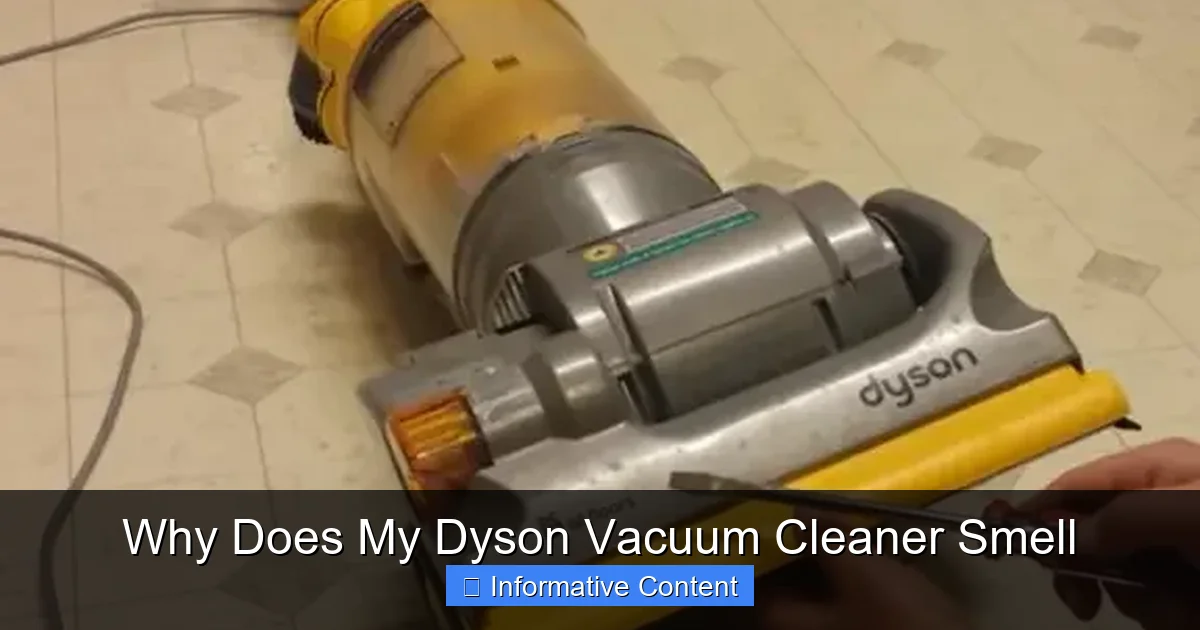
While filters are often the first suspect, they’re not the only reason why your Dyson vacuum cleaner smells. Blockages within the vacuum’s various pathways can also trap odor-causing debris, leading to a nasty stench. These blockages prevent proper airflow, causing stagnant air and decomposing particles to sit and fester.
The Hose and Wand
The flexible hose and rigid wand are prime locations for blockages. Pet hair, lint, forgotten socks, or even small toys can get stuck, creating a dam that collects dust, dirt, and microscopic organic matter. Over time, this trapped debris can develop a truly foul odor. When you turn on your Dyson, the air passing over this obstruction can pick up the stench and release it into your room.
The Brush Bar (Cleaner Head)
The brush bar, especially on models used for carpets, can become entangled with hair (human and pet), string, and carpet fibers. While this often affects suction, it can also lead to an odor. Accumulated hair and debris on the brush bar can harbor bacteria, especially if it comes into contact with damp areas or spills. Furthermore, the friction from a heavily tangled brush bar can generate heat, potentially leading to a faint burning smell if it’s struggling to rotate.
How to Clear Blockages
- Switch Off and Unplug: ALWAYS turn off your Dyson and unplug it (or remove the battery on cordless models) before inspecting for blockages.
- Check the Bin Entry: Empty the dust bin and look at the opening where dirt enters. Is there a clog?
- Inspect the Hose: Disconnect the hose from both ends of the main unit and the cleaner head. Look through it for any obstructions. You can gently push a broom handle or a long, blunt object through to dislodge anything. Be careful not to puncture the hose.
- Examine the Wand/Extension Tube: Similarly, check the wand for blockages.
- Clean the Cleaner Head/Brush Bar: Disassemble the cleaner head according to your manual (many Dysons have easy-release mechanisms). Use scissors to carefully cut away any tangled hair or fibers from the brush bar. Remove any debris trapped around the brush bar bearings or airways.
- Reassemble and Test: Once all pathways are clear, reassemble your Dyson and test it. You should notice improved suction and hopefully, a much fresher smell.
Trapped Debris and Organic Matter: The Source of Truly Foul Odors
Sometimes, the answer to “why does my Dyson vacuum cleaner smell” is simply what it’s been picking up. Your vacuum is designed to clean, but it can also become a temporary holding cell for some truly smelly things. When organic matter gets trapped, it can begin to decompose, leading to a distinct and unpleasant stench that’s then circulated through your home.
Pet Hair and Dander
If you have pets, this is a major one. Pet hair, dander, and even microscopic traces of pet waste can accumulate inside the dust bin, filters, and even the internal cyclonic components. Over time, especially if left for extended periods, this organic matter can start to smell quite pungent, akin to wet dog or a dusty kennel. Regular emptying of the bin and thorough cleaning is paramount.
Food Particles and Spills
Accidentally vacuuming up crumbs, spilled pet food, or even a small amount of liquid from a spill can be a disaster for your Dyson’s scent profile. Food particles, especially moist ones, will quickly begin to mold and rot within the vacuum, creating a truly repulsive odor. Liquids can also damage internal components and encourage mold growth in filters or the dust bin. Always avoid vacuuming up wet messes. If you’ve accidentally done so, you’ll need to disassemble and thoroughly clean every affected component.
Mold and Mildew Growth
This is often linked to moisture. If your vacuum has ever been used to pick up something wet, or if washable filters haven’t been dried completely before being reinstalled, mold and mildew can flourish in the damp, dark crevices. The musty, earthy smell of mold and mildew is unmistakable and can be particularly persistent. Addressing this requires deep cleaning, sanitizing, and ensuring everything is bone dry afterward.
Dealing with Organic Odors
- Empty and Wash the Bin: Don’t just empty your dust bin; wash it! Remove it from the main unit and wash it thoroughly with warm, soapy water. Use a bottle brush for crevices. Rinse completely and allow it to air dry for at least 24 hours. Ensure it’s completely dry before reattaching.
- Deep Clean Cyclones: Some Dyson models allow for removal of the cyclone assembly for deeper cleaning. Refer to your manual. Use a damp cloth to wipe down the internal surfaces, paying attention to any caked-on dust or hair. Again, ensure everything is dry.
- Sanitize if Needed: For persistent organic odors, after cleaning, you can gently wipe surfaces with a mild disinfectant solution (like diluted white vinegar or a pet-safe enzymatic cleaner) but ensure you rinse and dry thoroughly afterwards. Never spray liquids directly into electronic components.
- Baking Soda Trick (Carefully!): For a general deodorizing boost in the bin (ONLY after washing and drying), you can sprinkle a tiny amount of baking soda into an *empty and dry* bin before using. This can help absorb odors, but don’t overdo it or let it get into filters or motor.
Motor Issues and Overheating: A Warning Sign
While less common, a distinct burning smell from your Dyson is a serious concern and needs immediate attention. This isn’t just an unpleasant odor; it’s a sign that something is potentially wrong with the electrical or mechanical components. If you’re asking “why does my Dyson vacuum cleaner smell like burning?”, stop using it immediately.
Signs of Motor Problems
A burning smell usually indicates that the motor is overheating or experiencing an electrical fault. This can be caused by:
- Severe Blockage: The motor is working too hard to overcome a significant obstruction in the airflow path, causing it to overheat.
- Worn Carbon Brushes (older models): In some older motor types, carbon brushes wear down, causing sparking and a burning smell.
- Electrical Short: A fault within the wiring or motor itself can lead to overheating and a burning plastic or electrical smell.
- Damaged Bearings: Over time, motor bearings can wear out, causing friction and heat.
What to Do If You Suspect Motor Issues
- Switch Off Immediately: Turn off your Dyson and unplug it from the wall.
- Check for Blockages (Carefully!): Once cooled, thoroughly check for any blockages in the hose, wand, cleaner head, and bin entry point. If you find and clear a severe blockage, let the vacuum cool completely for a few hours before attempting to use it again.
- Inspect Filters: Ensure filters are clean and properly installed. A severely clogged filter can also make the motor work harder.
- Contact Dyson Support: If the burning smell persists after clearing all blockages and ensuring filters are clean, or if you hear unusual noises (grinding, high-pitched whining), do not use the vacuum. Contact Dyson customer support. Attempting to repair motor issues yourself can be dangerous and may void your warranty.
The “New Vacuum Smell” and Other Less Common Scents
Not all smells are a sign of trouble. Sometimes, the answer to “why does my Dyson vacuum cleaner smell” can be quite benign or point to other minor issues.
Initial Manufacturing Odors
Just like a new car, a brand new Dyson might emit a faint “new appliance” smell for the first few uses. This is typically due to manufacturing lubricants, plastics, and other materials heating up and off-gassing for the first time. This smell should dissipate fairly quickly after a few uses and is no cause for concern.
Electrical Smells (Not Motor Related)
Sometimes you might detect a faint, somewhat metallic or ozonic smell. If it’s not accompanied by burning plastic or smoke, and the vacuum is functioning normally, it might simply be the normal operation of the electric motor and static electricity being generated. However, if it intensifies or is accompanied by other warning signs, refer back to the motor issues section.
Preventive Measures for a Fresh-Smelling Dyson
The best way to deal with a smelly Dyson is to prevent the smell from happening in the first place! Regular maintenance is key to keeping your powerful cleaning machine working efficiently and smelling fresh.
Regular Cleaning Schedule
- Empty the Bin Frequently: Make it a habit to empty the dust bin after every major cleaning session, especially if you’ve picked up a lot of pet hair or fine dust. Don’t wait until it’s full.
- Wash the Bin Periodically: At least once a month (more often if you have pets or vacuum up messy areas), wash the dust bin with warm, soapy water and dry it completely before reattaching.
- Clean Washable Filters: For most Dyson models with washable filters, aim to clean them every month. Mark it on your calendar!
- Check for Blockages: Do a quick visual check of the hose, wand, and brush bar for hair tangles or obvious obstructions every few uses.
- Replace Filters Annually: Even with regular cleaning, filters degrade over time. Replace your washable filters annually and non-washable HEPA filters as recommended by Dyson.
Smart Vacuuming Habits
- Avoid Wet Spills: Dyson vacuums are designed for dry vacuuming. Never vacuum up liquids, damp food, or anything wet, as this is a surefire way to introduce mold, mildew, and electrical hazards.
- Clean Up After Pets: If your pet has an accident, clean it up with paper towels and appropriate cleaners *before* vacuuming the area.
- Pre-Treat Strong Odors: If you’re vacuuming an area with a strong existing odor (e.g., old pet stains on carpet), consider sprinkling baking soda on the area, letting it sit, and then vacuuming it up. This helps neutralize odors before they enter your Dyson.
- Be Mindful of Lint Traps: If you’re vacuuming around a dryer or laundry area, be extra careful as dryer lint can be highly flammable if it gets hot.
Storage Tips
Store your Dyson in a clean, dry place. Avoid leaving it in damp basements or garages, which can encourage moisture build-up and mold growth within the machine itself, contributing to why your Dyson vacuum cleaner smells.
Addressing “why does my Dyson vacuum cleaner smell” doesn’t have to be a mystery. By understanding the common causes – primarily clogged filters, hidden blockages, and trapped organic matter – and implementing a routine of regular cleaning and smart usage, you can keep your Dyson running at peak performance and smelling as fresh as the clean home it helps create. A little maintenance goes a long way in ensuring your investment continues to deliver clean, odor-free results for years to come!
🎥 Related Video: How to stop bad smells on Dyson vacuum cleaners
📺 Vacuum Facts
It’s not possible to completely avoid smells on *any* vacuum cleaner by definition of how they work; they concentrate smelly dirt in …
Frequently Asked Questions
Can a Dyson vacuum cleaner smell if it’s new?
Yes, a new Dyson might have a faint “new appliance” smell for the first few uses, which is typically due to manufacturing materials heating up. This should dissipate quickly and is not usually a cause for concern unless it’s a strong burning smell.
What if I’ve cleaned everything and my Dyson still smells?
If you’ve thoroughly cleaned all filters, the bin, cleared all blockages, and the smell persists, consider if you’ve recently vacuumed something particularly odorous that might have permeated internal, non-cleanable components. If it’s a persistent foul odor or a burning smell, it might be time to contact Dyson support for further diagnosis.
Can pet hair really make my Dyson smell that bad?
Absolutely! Pet hair and dander are significant contributors to vacuum odors. When trapped, they can collect moisture, decompose, and harbor bacteria, leading to a distinct and unpleasant “wet dog” or dusty smell that gets circulated through your home.
Is it okay to use air fresheners or deodorizers inside my Dyson?
It’s generally not recommended to use spray air fresheners or strong deodorizers directly inside your Dyson. These can introduce moisture, leave residues, or clog fine filters. For stubborn odors, washing components thoroughly and ensuring complete dryness is the best approach.
How often should I replace non-washable HEPA filters?
If your Dyson model has a non-washable HEPA post-motor filter, it generally needs to be replaced less frequently than washable filters, usually annually or every 12-18 months, depending on usage. Check your Dyson manual for specific recommendations for your model.
Can a damp vacuum cleaner cause mold growth?
Yes, if your Dyson or its components get damp and are not thoroughly dried, it creates an ideal environment for mold and mildew to grow. This can lead to a pervasive musty odor and could potentially damage the machine or spread mold spores in your home.