
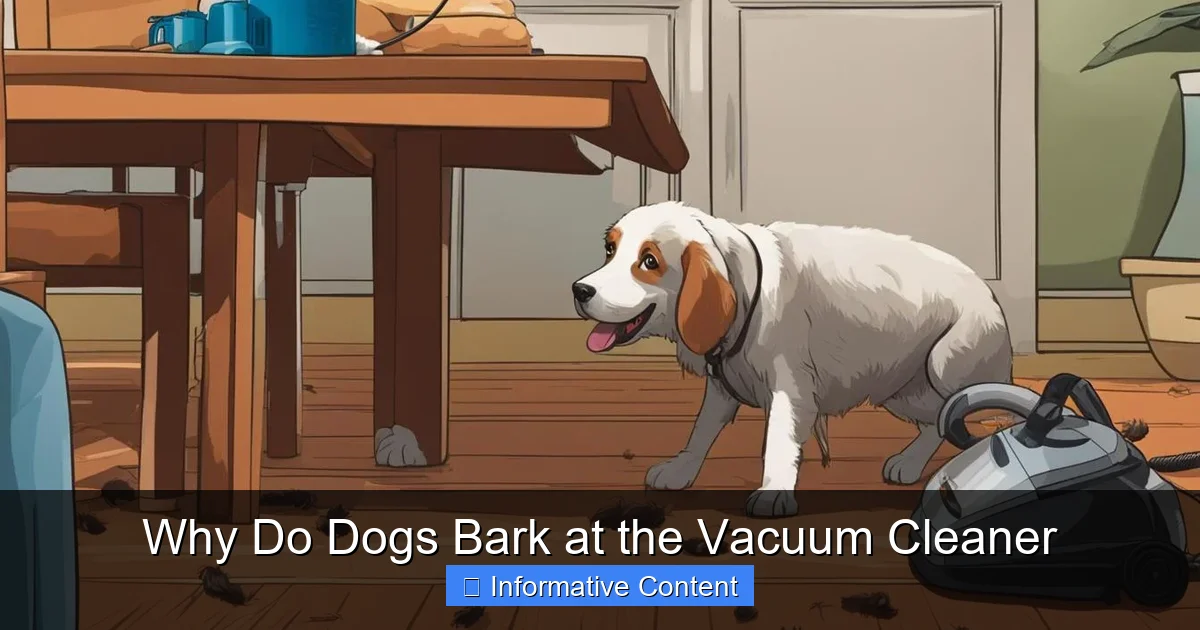
Many dogs bark at the vacuum cleaner primarily due to its loud, unfamiliar noise and unpredictable movements, which can be perceived as a threat or an intruder. This instinctive reaction can stem from fear, territoriality, or even an attempt to “herd” the strange device. Understanding these underlying causes is key to helping your canine companion overcome their anxiety and react more calmly during cleaning time.
Ah, the classic scene: you pull out the vacuum cleaner, ready to tackle the dust bunnies, and your beloved canine companion instantly transforms into a barking, growling, sometimes even lunging furball of fury. It’s a common and often amusing (if not slightly frustrating) spectacle that many dog owners worldwide can relate to. But why do dogs bark at the vacuum cleaner with such intensity? Is it pure hatred? A misunderstanding? Or something deeper rooted in their canine psyche?
This isn’t just a quirky habit; it’s a window into how your dog perceives the world around them. Understanding why do dogs bark at the vacuum cleaner can help you not only manage the behavior but also strengthen your bond with your furry friend. Let’s embark on a journey to unravel this domestic mystery, exploring everything from sensory overload to ancient instincts, and offering practical ways to turn vacuum day from a battle into a breeze.
From the whirring noise to the imposing size and strange movements, the vacuum cleaner presents a unique challenge for many dogs. For some, it’s a terrifying monster; for others, an irritating intruder; and for a select few, perhaps even a bizarre plaything. Let’s delve into the fascinating reasons behind this widespread phenomenon and discover how you can help your dog coexist peacefully with this essential household appliance.
Key Takeaways
- Loud Noise and Vibration: The primary reason why dogs bark at the vacuum cleaner is often the intense, unfamiliar sound and vibrations, which can overwhelm their sensitive hearing and cause distress or fear.
- Unpredictable Movement: The vacuum’s erratic, often fast movements across the floor can mimic the behavior of a predator or prey in a dog’s eyes, triggering instinctual responses like barking, chasing, or retreating.
- Perceived Threat or Intruder: Dogs may view the vacuum cleaner as a large, noisy “intruder” in their territory, prompting them to bark to protect their space and family, much like they would another animal or person.
- Lack of Socialization/Desensitization: Dogs not exposed to loud noises or strange objects early in life may develop heightened anxiety or fear responses to things like vacuum cleaners.
- Play or Herding Instincts: For some dogs, especially herding breeds, the vacuum’s movement can trigger a herding instinct, leading them to bark, nip, or try to “control” its direction.
- Effective Solutions Exist: Strategies like desensitization, counter-conditioning, creating a safe space, and positive reinforcement can significantly reduce a dog’s negative reaction to the vacuum cleaner.
- Professional Guidance: If a dog’s fear or aggression towards the vacuum is severe or persistent, consulting a professional dog trainer or veterinary behaviorist is highly recommended.
Quick Answers to Common Questions
Can dogs get used to the vacuum cleaner over time?
Yes, most dogs can learn to tolerate or even ignore the vacuum cleaner with proper desensitization and counter-conditioning training. Consistency and patience are key to helping them adapt.
Is it ever okay to punish my dog for barking at the vacuum?
No, punishing your dog for barking at the vacuum is not recommended. It can increase their fear and anxiety, potentially worsening the behavior and damaging your bond.
What’s the difference between desensitization and counter-conditioning?
Desensitization involves gradually exposing your dog to the vacuum at a low intensity, while counter-conditioning pairs that exposure with something positive (like treats) to change their emotional response.
Should I let my dog “play” with the vacuum?
It’s generally not advisable to let your dog “play” with the vacuum, as this can reinforce the idea that it’s a toy or an antagonist, potentially escalating the barking or aggressive behavior. It’s better to teach them calm coexistence.
How long does it take to train a dog to stop barking at the vacuum?
The time it takes varies greatly depending on the dog’s individual personality, the severity of their fear, and the consistency of training. It could range from a few weeks to several months, or even longer for deeply ingrained fears.
📑 Table of Contents
The Sensory Overload: A Dog’s Perspective on Noise and Movement
Imagine a world where every sound is amplified, every movement is scrutinized, and every new object is a potential threat or puzzle. That’s a little closer to what your dog experiences. Their senses are far more acute than ours, making the vacuum cleaner a truly overwhelming experience.
The Roar of the Machine: A Symphony of Stress
One of the most immediate and obvious reasons why dogs bark at the vacuum cleaner is the noise. Vacuum cleaners are loud, period. What sounds like a manageable hum to us can be a deafening roar to a dog, whose hearing is far more sensitive. Dogs can hear sounds at much higher frequencies than humans, and the decibel level of a typical vacuum cleaner can range from 70 to 80 dB, which is equivalent to a garbage disposal or a busy street. For a dog, this isn’t just an annoyance; it can be physically uncomfortable and even painful.
- Frequency Range: Dogs hear sounds up to 45,000-65,000 Hz, compared to humans’ 20,000 Hz. This means the vacuum’s high-pitched whine can be particularly grating.
- Vibrations: Beyond the sound, vacuums also emit strong vibrations. Dogs pick up these vibrations through their paws and bodies, adding another layer of sensory input that can be unsettling.
The combination of loud, unfamiliar, and potentially painful noise can trigger a flight, fight, or freeze response. Barking, in this context, is often an attempt to make the scary noise go away or to express their distress.
The Unpredictable Monster: Movement and Appearance
It’s not just the sound that makes dogs bark at the vacuum cleaner; its appearance and movement play a huge role too. Think about it from a dog’s point of view: a large, strange object suddenly appears, rolls around their familiar territory, bumps into furniture, and sometimes even chases dust bunnies (or them!).
- Sudden Appearance: The vacuum cleaner is usually stored away and then suddenly brought out, often without warning. This abrupt change can be startling.
- Erratic Movement: Vacuums don’t move like people or other animals. They roll erratically, change direction suddenly, and sometimes seem to “chase” debris. This unpredictable movement can be perceived as threatening or aggressive by a dog.
- Size and Shape: To a smaller dog, the vacuum cleaner can appear enormous and imposing. Its unusual shape doesn’t fit any familiar animal or human profile, making it difficult for the dog to categorize and understand.
These visual cues, combined with the noise, create a perfect storm of sensory overload that makes many dogs feel anxious or compelled to react.
Instinct vs. Machine: Why Dogs Perceive a Threat
Beyond the immediate sensory input, a dog’s reaction to the vacuum cleaner is deeply rooted in their primal instincts. Their behavior isn’t just a tantrum; it’s often a manifestation of their natural drives.
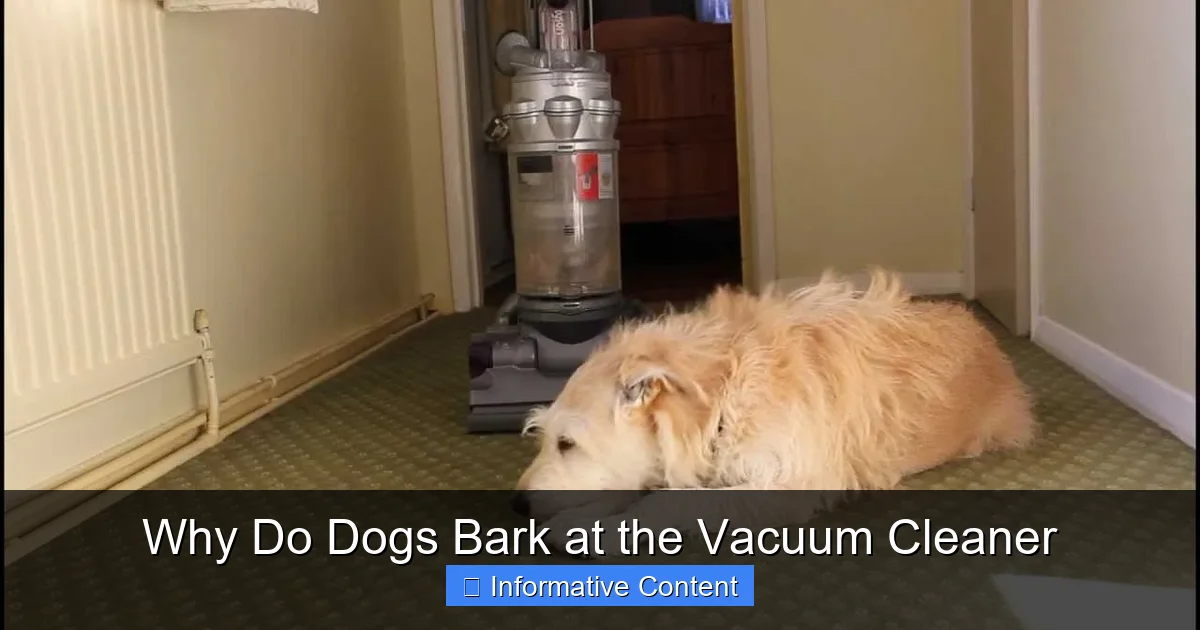
Visual guide about Why Do Dogs Bark at the Vacuum Cleaner
Image source: i.ytimg.com
The Territorial Defender: Protecting the Pack and Home
Dogs are naturally territorial. They view their home and yard as their domain, and their human family as their pack. When a large, noisy, unfamiliar object invades this space, especially one that seems to be “eating” things off the floor, a dog’s territorial instincts can kick in. They might perceive the vacuum as an intruder that needs to be chased away.
- Barking as a Warning: Barking is a primary way dogs warn off perceived threats. They’re telling the vacuum, “Get out of my house!” and also alerting their human pack to the “danger.”
- Body Language: Along with barking, you might see stiff body posture, raised hackles, a low growl, or even lunging. These are all signs of a dog trying to assert dominance and protect its territory.
This protective instinct is a strong reason why many dogs bark at the vacuum cleaner, particularly those breeds known for their guarding tendencies.
Prey Drive and Herding Instincts
For some dogs, particularly those with strong prey drives or herding instincts, the vacuum cleaner’s movements can trigger a different kind of reaction. The back-and-forth motion, the collection of debris, and the general “activity” can mimic behaviors that their instincts are wired to respond to.
- Prey Drive: If your dog tries to “attack” or bite the vacuum, it might be interpreting its movements as those of prey. The loud noise could also simulate the sounds of a struggling animal, further fueling this drive.
- Herding Instinct: Breeds like Border Collies or Australian Shepherds are bred to control the movement of livestock. The vacuum’s erratic motion can activate this instinct, leading them to bark, nip at its wheels, or try to “round up” the appliance. They’re not necessarily fearful; they’re trying to control it.
Understanding these instinctual responses helps us see that the vacuum cleaner isn’t just an inanimate object to them; it’s something that evokes a deep-seated behavioral pattern.
Behavioral Roots: Fear, Excitement, and Lack of Exposure
Individual differences in personality, past experiences, and early socialization also play a significant role in why dogs bark at the vacuum cleaner.
Fear and Anxiety: A Common Culprit
For many dogs, their reaction stems purely from fear. The combination of loud noise, strange smells, and unpredictable movements can be genuinely terrifying. This fear can manifest as barking, trembling, hiding, urination, or even aggression if they feel cornered.
- Negative Associations: If a dog had a bad experience with a loud noise or a startling object as a puppy, they might generalize that fear to the vacuum cleaner.
- Lack of Socialization: Puppies who aren’t exposed to a variety of sounds, sights, and experiences during their critical socialization period (up to about 16 weeks) are more likely to develop anxieties about novel stimuli, including vacuum cleaners.
It’s important to remember that a fearful dog isn’t being “naughty”; they are genuinely distressed and need your help to feel safe.
The “Play” Factor: Misguided Excitement
While less common than fear, some dogs bark at the vacuum cleaner out of what appears to be excitement or a misguided attempt to play. This is often seen in younger dogs or those with a very high energy level.
- Attention-Seeking: Barking and engaging with the vacuum might get a reaction from their owner, which, even if negative, is still attention.
- Stimulation: For some dogs, the movement and sound are simply stimulating, and barking is their way of expressing that heightened arousal. They might view it as a strange game of chase.
Distinguishing between fear-based barking and play-based barking is crucial for choosing the right approach to modification.
Helping Your Dog Cope: Practical Strategies and Training
Now that we understand why do dogs bark at the vacuum cleaner, let’s explore practical steps you can take to help your dog become more comfortable with this necessary evil.
Desensitization and Counter-Conditioning: The Gold Standard
These are the most effective techniques for addressing fear-based reactions. The goal is to gradually expose your dog to the vacuum cleaner in a non-threatening way (desensitization) while simultaneously creating positive associations (counter-conditioning).
- Start Small: Begin by just having the vacuum cleaner in the room, turned off. Reward your dog with treats and praise for simply being calm in its presence.
- Introduce Sound Slowly: Turn the vacuum on for a very brief moment (1-2 seconds) at a distance, perhaps in another room, with the door ajar. Immediately turn it off and give your dog a high-value treat.
- Gradual Progression: Over days or weeks, slowly decrease the distance or increase the duration of the vacuum being on. Always keep the sessions short and positive. Stop before your dog shows signs of fear.
- Pair with Positives: Always pair the vacuum cleaner (even if it’s just its presence or a faint sound) with something positive: delicious treats, a favorite toy, or a fun game.
Remember, this process takes patience. Never force your dog to interact with the vacuum or punish them for barking; this will only increase their fear.
Create a Safe Space and Offer Distractions
Sometimes, the best solution is to remove your dog from the stressful situation entirely.
- Designate a Safe Zone: Before you vacuum, put your dog in a separate room, a crate covered with a blanket, or a quiet area where they feel secure and can’t hear the vacuum as intensely. Provide them with a long-lasting chew toy or a puzzle feeder to distract them.
- Noise Masking: Play calming music or turn on a white noise machine in their safe space to help muffle the sound of the vacuum.
- Exercise First: A tired dog is often a less anxious dog. Take your dog for a long walk or have a vigorous play session before vacuuming. This can help reduce their overall arousal levels.
Managing Your Own Behavior and Expectations
Your reaction significantly influences your dog’s. If you become stressed or annoyed, your dog will pick up on that.
- Stay Calm: Project a calm and confident demeanor. If you act like the vacuum is a big deal, your dog will too.
- Ignore the Barking (Initially): If the barking is for attention or minor excitement, sometimes ignoring it (and only rewarding calm behavior) can be effective. However, if the barking is fear-driven, ignoring it isn’t helpful.
- Don’t Reassure Fear Excessively: While you shouldn’t punish fear, excessively coddling a fearful dog can inadvertently reinforce their anxiety. Instead, calmly guide them to their safe space or engage in positive training.
- Use a Different Vacuum: If your current vacuum is exceptionally loud, consider investing in a quieter model. Some modern vacuums are designed to be much less noisy, which can make a significant difference.
When to Seek Professional Help
While many dogs will improve with consistent training and patience, some reactions are more severe and might require expert intervention. If your dog exhibits extreme fear, aggression (like biting or severe growling), or if their anxiety spills over into other aspects of their life, it’s time to call in the professionals.
- Certified Professional Dog Trainer (CPDT): A trainer can assess your dog’s specific triggers and develop a tailored training plan using positive reinforcement techniques.
- Veterinary Behaviorist: For very severe anxiety or phobias, a veterinary behaviorist (a veterinarian specializing in animal behavior) can offer comprehensive solutions, which may include medication to help manage anxiety alongside behavioral modification.
Remember, you’re not alone if your dog struggles with the vacuum cleaner. Many resources are available to help both you and your furry friend navigate this common household challenge.
Conclusion
The mystery of why do dogs bark at the vacuum cleaner is less about a personal vendetta against cleanliness and more about a complex interplay of sensory perception, instinctual drives, and learned behaviors. From the deafening roar and erratic movements to their innate desire to protect their territory or herd a strange “intruder,” dogs have many valid reasons for their dramatic reactions.
By understanding these underlying causes, we can approach the situation with empathy and practical strategies. Through patient desensitization, positive reinforcement, and creating a secure environment, you can help your dog overcome their fear or confusion. Transforming vacuum day from a stressful event into a manageable routine not only makes your life easier but also significantly improves your dog’s overall well-being. So, the next time you power on that noisy appliance, remember that with a little understanding and consistent training, you and your canine companion can achieve a peaceful, bark-free clean.
🎥 Related Video: How to stop your dog from attacking the vacuum (blower, broom or mop)
📺 Dog Psychology 101
Renowned dog behaviorist, Angie Woods, discusses vacuum fixation in dogs! Thanks so much for watching! Please don’t forget to …
Frequently Asked Questions
Is it normal for my puppy to bark at the vacuum cleaner?
Yes, it’s quite normal for puppies to bark at the vacuum cleaner. Puppies are still learning about the world, and the loud noise and sudden movements of a vacuum can be startling and confusing for their developing senses. Early, positive exposure can help prevent lasting fear.
My dog usually ignores the vacuum, but suddenly started barking. Why?
A sudden change in behavior could indicate a few things. It might be a new fear developing, a negative experience they had while the vacuum was on, or even an underlying health issue causing increased sensitivity or pain. It’s worth observing their overall behavior and potentially consulting a vet.
What if my dog is aggressive towards the vacuum?
If your dog displays aggression (growling, snapping, biting) towards the vacuum, it’s crucial to prioritize safety. Do not attempt to force interaction. Seek immediate guidance from a certified professional dog trainer or a veterinary behaviorist, as this indicates significant fear or territorial aggression.
Can I use a “silent” vacuum to help my dog?
Absolutely! Investing in a quieter vacuum cleaner can make a significant difference. While no vacuum is truly silent, models designed for low noise output can reduce the sensory overload for your dog, making the desensitization process much easier and less stressful for them.
Should I keep my dog confined when I vacuum?
For many dogs, confining them to a safe, separate room or a crate with a comforting distraction (like a chew toy) is an excellent strategy. It prevents them from feeling overwhelmed, allows you to clean efficiently, and ensures their safety by removing them from the stressful situation.
My dog seems to chase the vacuum like a game. How should I respond?
If your dog chases the vacuum playfully, it’s still best to manage this behavior. While it may seem harmless, it can escalate or become a nuisance. Try to redirect their attention with a specific toy or puzzle in a separate area, and reward them for calm, non-chasing behavior.