
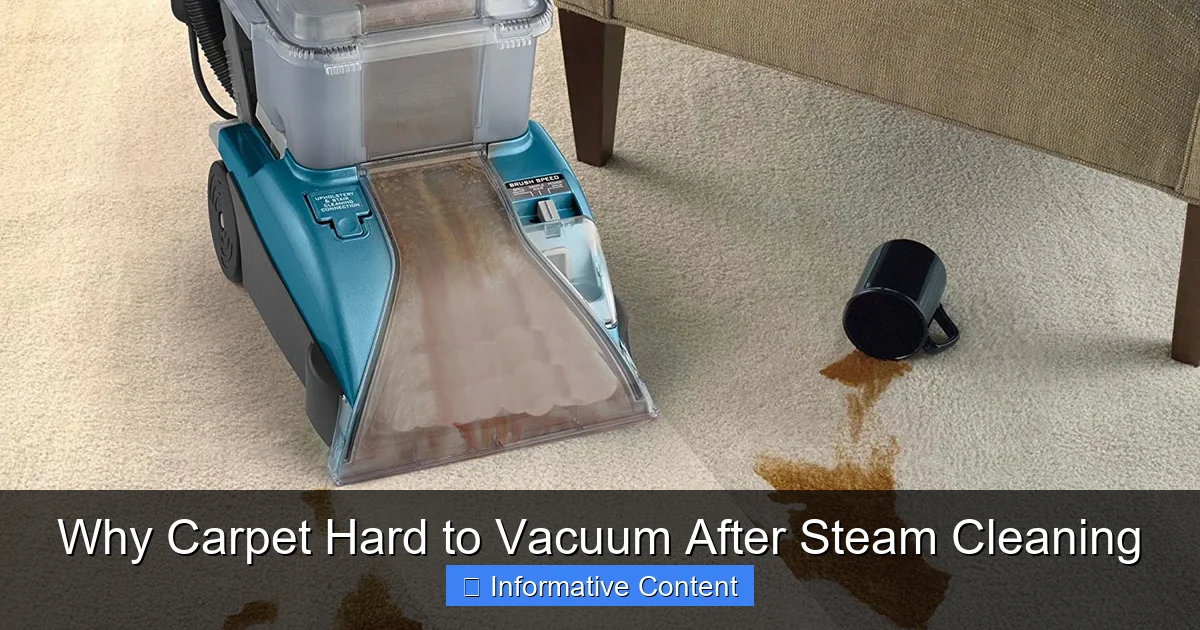
If you’ve ever found your carpet hard to vacuum after steam cleaning, you’re not alone. This common frustration stems from a combination of residual moisture swelling carpet fibers, sticky detergent residues, and altered airflow that reduces your vacuum’s effectiveness. Understanding these factors and allowing ample drying time are crucial for restoring your carpet’s softness and making subsequent vacuuming easy again.
Why Carpet Hard to Vacuum After Steam Cleaning
Have you ever treated your carpets to a professional steam cleaning, only to find yourself struggling with your vacuum cleaner days later? It’s a surprisingly common scenario, one that often leaves homeowners scratching their heads. You’ve just invested in a deep clean, expecting pristine, easy-to-maintain carpets, but instead, you’re faced with a frustrating battle against your own floor. The vacuum seems to stick, drag, and just doesn’t feel like it’s picking up anything – leaving you wondering, “Why is my carpet hard to vacuum after steam cleaning?”
You’re not imagining things. There are several very real, scientific reasons why a freshly steam-cleaned carpet can become a vacuuming nightmare. From the microscopic changes in carpet fibers to the lingering effects of cleaning solutions, understanding these factors is key to knowing how to tackle the problem and, more importantly, how to prevent it in the future. So, let’s pull back the curtain on this carpet mystery and explore exactly why carpet hard to vacuum after steam cleaning, and what you can do about it.
It’s a common complaint, a puzzlement that many homeowners share: the surprising difficulty in vacuuming a carpet that has recently undergone a thorough steam cleaning. You might feel the vacuum dragging more, hear its motor straining, or simply notice that it’s just not picking up dirt as effectively as it used to. This post will break down the core reasons behind this phenomenon, offering insights and practical advice to help you restore your carpet to its easily vacuumable state.
Key Takeaways
- Residual Moisture: Steam cleaning saturates carpet fibers, causing them to swell and stick together, which directly impedes vacuum suction and makes debris harder to dislodge.
- Detergent Residue: Incomplete rinsing or over-application of cleaning solutions can leave behind sticky residues that attract dirt and make fibers feel stiff and resistant to vacuuming.
- Altered Airflow: Wet fibers reduce the crucial airflow a vacuum needs to create strong suction, diminishing its ability to pick up dry dirt and loose debris effectively.
- Friction and Drag: Damp carpet creates significantly more friction, causing your vacuum to drag and making the effort much harder than on dry carpet.
- Patience is Key: The most important solution is to allow the carpet to dry completely, usually 12-24 hours, before attempting to vacuum, as dry fibers restore normal vacuuming conditions.
- Proper Technique Matters: Using the right vacuum, adjusting settings for pile height, and making slow, overlapping passes can help manage the challenge if some moisture remains, though full dryness is always best.
- Preventative Measures: Opting for professional cleaning services that use powerful extraction methods and ensuring proper ventilation during drying can minimize post-cleaning vacuuming difficulties.
Quick Answers to Common Questions
How long after steam cleaning should I wait to vacuum?
You should wait until the carpet is completely dry, which typically takes 12-24 hours, before attempting to vacuum. Vacuuming a damp carpet can make it harder, ineffective, and potentially damage your vacuum.
Why does my vacuum drag more on a steam-cleaned carpet?
Your vacuum drags more because the carpet fibers are swollen with moisture and can stick together, creating increased friction and resistance against the vacuum head. This makes pushing and pulling much harder.
Can residual cleaning solution make my carpet hard to vacuum?
Yes, absolutely. If cleaning solutions aren’t thoroughly rinsed out, they can leave behind a sticky residue on the carpet fibers. This residue attracts dirt, makes fibers stiff, and impedes the vacuum’s ability to pick up debris effectively.
Does moisture reduce my vacuum’s suction power?
Yes, moisture significantly reduces a vacuum’s effective suction power. Damp, matted fibers impede airflow, which is essential for creating strong suction. The vacuum has to work harder to achieve less, making it less effective at picking up dry dirt.
What is the best way to speed up carpet drying after steam cleaning?
To speed up drying, ensure excellent ventilation by opening windows, using fans (oscillating or ceiling), running air conditioning, or employing a dehumidifier. These methods help circulate air and remove moisture from the environment and carpet.
📑 Table of Contents
The Science of Steam Cleaning and Residual Moisture
At the heart of why carpet hard to vacuum after steam cleaning lies the very process itself: water. Steam cleaning, more accurately referred to as hot water extraction, involves injecting hot water and cleaning solutions deep into your carpet fibers, followed by powerful vacuum suction to extract the dirty water. While incredibly effective at deep cleaning, this process inevitably leaves behind some moisture.
How Hot Water Extraction Works (Briefly)
Hot water extraction machines work by spraying a heated mixture of water and detergent onto the carpet at high pressure. This solution penetrates the fibers, breaking down dirt, grime, and allergens. Almost simultaneously, a powerful vacuum motor sucks up the dirty water, along with the loosened soil, into a recovery tank. The goal is to extract as much moisture as possible, but it’s rarely 100%.
The Inevitable Moisture Left Behind
Even with the most powerful professional equipment, it’s impossible to extract every last drop of water. A certain amount of residual moisture will always remain deep within the carpet pile and its backing. This isn’t necessarily a sign of a bad job; it’s an inherent part of the wet cleaning process. However, this lingering dampness is the primary culprit when your carpet hard to vacuum after steam cleaning. Think of a sponge: even when you wring it out forcefully, it still feels damp. Your carpet behaves similarly.
Moisture’s Direct Impact on Carpet Fibers
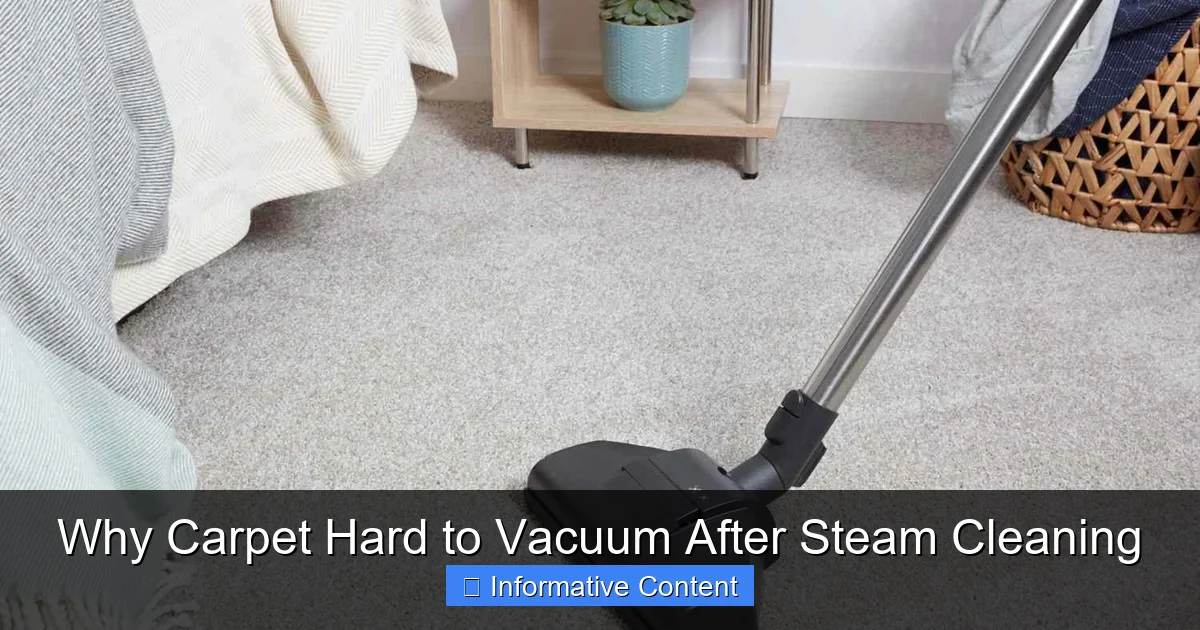
Visual guide about Why Carpet Hard to Vacuum After Steam Cleaning
Image source: thespruce.com
The presence of residual moisture doesn’t just make your carpet feel damp; it fundamentally changes the physical properties of the carpet fibers, leading directly to vacuuming difficulties.
Swollen Fibers and Increased Friction
Carpet fibers, especially natural ones like wool or synthetics like nylon, are designed to absorb moisture to some extent. When saturated with water during steam cleaning, these fibers swell up. Imagine tiny sponges expanding. This expansion causes the individual fibers to become thicker and to press more tightly against each other.
When your vacuum cleaner glides over these swollen, damp fibers, it encounters significantly more resistance and friction. Instead of gliding smoothly, the vacuum head wants to stick or drag, requiring more effort to push and pull. This increased friction is a major reason why carpet hard to vacuum after steam cleaning. The fibers aren’t standing upright and separated; they’re clinging together.
Matting and Clumping
Dampness also promotes matting and clumping of carpet fibers. As the carpet dries, especially if it’s walked on while still wet, the fibers can become pressed down or stick together in clumps. This creates an uneven surface that is difficult for a vacuum cleaner brush roll to agitate effectively. The brush roll, which is designed to lift and separate dry fibers to allow suction to work, struggles against matted, damp areas. Dirt and debris can become trapped within these matted sections, making it even harder for your vacuum to pick them up. This combination of swollen, matted fibers is a key contributor to why carpet hard to vacuum after steam cleaning.
The Role of Cleaning Solutions and Residue
Beyond just water, the cleaning solutions used during steam cleaning can also play a significant role in making your carpet hard to vacuum.
Sticky Residue from Detergents
Most carpet cleaning solutions contain detergents, which are designed to break down dirt and grease. If these detergents are not thoroughly rinsed out of the carpet, they can leave behind a sticky residue. This residue acts like a magnet for new dirt and dust, causing it to cling to the carpet fibers. Imagine trying to vacuum a floor that has a thin layer of sugar syrup on it – everything sticks!
This sticky film also coats the carpet fibers, making them feel stiffer and less pliable. When fibers are coated and stiff, they resist the lifting action of your vacuum’s brush roll and the airflow needed for effective suction. This residue is a frequent and frustrating answer to why carpet hard to vacuum after steam cleaning.
Attracting New Dirt (Resoiling)
The problem of sticky residue compounds over time. Not only does it make the carpet harder to vacuum initially, but it also leads to accelerated resoiling. The sticky film actively attracts airborne dust, pet dander, and tracked-in dirt. Within days or weeks of a “clean,” your carpet might look dirty again, and because the fibers are coated, vacuuming this new dirt becomes exceptionally difficult. This cycle of stickiness and accelerated resoiling makes regular maintenance feel pointless.
Over-application Issues
Sometimes, the problem isn’t just the type of solution but how much of it is used. Over-applying cleaning solutions, especially without adequate rinsing, significantly increases the likelihood of residue being left behind. More solution means more potential stickiness, leading to a greater challenge when you try to vacuum later. This is often an issue with DIY steam cleaning machines that may not have the powerful extraction capabilities of professional units.
Altered Airflow and Suction Dynamics
A vacuum cleaner relies heavily on efficient airflow to create suction. When your carpet is damp or has residue, this crucial airflow is severely compromised.
Wet Fibers Impede Airflow
Think about trying to suck air through a wet sponge versus a dry one. The wet sponge offers far more resistance. Similarly, when carpet fibers are damp and clumped together, they create a denser barrier that air struggles to pass through. The vacuum head might seal too tightly against the damp surface, or the pathways between fibers, normally open for air, become constricted. This reduced airflow means your vacuum’s motor has to work harder to achieve less suction, making it feel less powerful and making it difficult to pick up even loose debris. This impairment of airflow is a critical reason why carpet hard to vacuum after steam cleaning.
Vacuum Cleaner Strain
Because of the increased friction and reduced airflow, your vacuum cleaner motor has to work much harder. You might hear the motor whine louder, or feel the vacuum head vibrating more intensely. This isn’t just an annoyance; it puts undue strain on your vacuum’s motor and belts, potentially shortening its lifespan. If you constantly feel like your vacuum is struggling, especially after a carpet cleaning, it’s a clear sign of the underlying issues discussed here.
Moisture Trapping Debris
Beyond just impeding airflow, the moisture itself can physically trap small debris. Fine dust, pet hair, and even small crumbs can become embedded in the damp fibers, clinging tightly and resisting the vacuum’s suction. Instead of being easily lifted, they become glued down by the moisture, making your vacuum pass over them repeatedly without success. This “glue” effect further explains why carpet hard to vacuum after steam cleaning.
The “Why Wait?” Factor: Patience is Key
Given all these challenges, the most straightforward and effective solution often comes down to one simple word: patience.
Understanding Drying Times
Carpets need time to dry completely after a wet cleaning process. The exact drying time can vary significantly based on several factors:
- Carpet Type: Denser, thicker carpets retain more moisture and take longer to dry than low-pile carpets.
- Humidity Levels: In humid environments, water evaporates more slowly.
- Air Circulation: Poor ventilation will dramatically slow drying.
- Amount of Water Used/Extracted: Professional cleaners with powerful extraction will leave less moisture, leading to faster drying. DIY machines often leave more.
Generally, carpets can feel dry to the touch within 6-8 hours, but they might not be completely dry deep down in the backing for 12-24 hours, or even longer in some conditions. It is this deep-seated moisture that causes problems.
How to Accelerate Drying
You can significantly speed up the drying process and reduce the time your carpet hard to vacuum by taking a few proactive steps:
- Ventilation: Open windows and doors (weather permitting) to allow fresh air to circulate.
- Fans: Place oscillating fans in the room, directing them across the wet carpet. Ceiling fans also help.
- Dehumidifiers: If you live in a humid climate, a dehumidifier can draw moisture out of the air and the carpet more quickly.
- Air Conditioning: Running your AC not only cools the air but also removes humidity, aiding in drying.
The faster your carpet dries, the sooner its fibers return to their normal, separated, and non-sticky state, eliminating the reasons why carpet hard to vacuum after steam cleaning.
The Importance of Thorough Drying Before Vacuuming
Attempting to vacuum a carpet that is still damp is counterproductive. You’re not just struggling against the vacuum; you’re also risking damage to your vacuum cleaner and potentially exacerbating the issues. Vacuuming too early can:
- Push dirt deeper into damp fibers.
- Spread residual moisture, prolonging drying time.
- Mat the fibers even further.
- Put unnecessary strain on your vacuum.
Waiting until the carpet is completely dry—and we mean *completely* dry, not just surface dry—is the single most important step to ensure your vacuum works effectively again.
Tips for Effective Post-Steam Vacuuming and Prevention
Now that you understand *why* carpet hard to vacuum after steam cleaning, here are some practical tips to manage the situation and prevent future struggles.
Use the Right Vacuum
Ensure your vacuum cleaner is in good working order. A powerful vacuum with strong suction and a functional brush roll will always perform better. If your vacuum is old, check its filters, bags/canister, and belt. Clogged filters or a full bag can drastically reduce suction. For best results, consider a vacuum specifically designed for carpets.
Adjust Vacuum Settings
Most modern vacuum cleaners have adjustable settings for different carpet pile heights. Make sure your vacuum head is set to the correct height for your carpet. If it’s too low, it can create excessive drag, especially on a slightly damp carpet. If it’s too high, it won’t effectively agitate the fibers. Find the sweet spot where the brush roll makes good contact without creating too much resistance.
Slow and Steady Passes
When you do eventually vacuum your dry, steam-cleaned carpet, take your time. Instead of quick, hurried passes, move the vacuum slowly and deliberately. Overlap each pass slightly. This allows the vacuum’s motor and brush roll ample time to agitate the fibers, dislodge dirt, and maximize suction. This technique is always good practice, but especially helpful if you find your carpet hard to vacuum due to stubborn residue.
Preventative Measures
- Hire Professionals: Professional carpet cleaners use powerful, truck-mounted extraction units that remove significantly more water and residue than consumer-grade rental machines. They also have expertise in selecting and rinsing appropriate cleaning solutions. This significantly reduces the chances of why carpet hard to vacuum after steam cleaning.
- Communicate with Cleaners: If you use a professional service, discuss their rinsing process and average drying times. Ask if they use low-residue detergents.
- Ventilate Aggressively: Always ensure excellent ventilation after any wet carpet cleaning. Use fans, open windows, and run AC/dehumidifiers to accelerate drying.
- Pre-Vacuum Thoroughly: Before steam cleaning, vacuum your carpet meticulously. This removes loose dirt that could turn into muddy residue during cleaning.
- Don’t Over-Saturate (DIY): If you’re using a rental machine, be careful not to over-saturate the carpet. Make extra dry passes without spraying solution to extract as much water as possible.
Conclusion
Discovering that your carpet hard to vacuum after steam cleaning can be incredibly frustrating, transforming a fresh, clean floor into a difficult chore. However, by understanding the underlying causes – swollen, damp fibers, sticky detergent residues, and compromised airflow – you can effectively troubleshoot and prevent this problem. The most crucial takeaway is patience: allow your carpet to dry completely, ideally for 12-24 hours, and aid this process with good ventilation. By combining thorough drying with proper vacuuming techniques and choosing reputable cleaning services, you can ensure your beautifully cleaned carpets remain easy to maintain and enjoy for months to come. So, next time you steam clean, remember to give your carpet the time it needs to recover, and your vacuum will thank you for it!
🎥 Related Video: I literally vacuumed yesterday?! 😳 #pethairremoval #cleantok #cleaninghacks #pets
📺 Petibo Pet
Frequently Asked Questions
Is it okay to vacuum my carpet if it’s still slightly damp after steam cleaning?
While a very slight dampness might seem okay, it’s generally best to wait until the carpet is completely dry. Vacuuming damp carpet can push dirt deeper, promote matting, and put unnecessary strain on your vacuum’s motor.
My carpet feels stiff and sticky after steam cleaning. What caused this?
A stiff or sticky feeling usually indicates that cleaning solution residue was left behind in the carpet fibers. This happens when detergents aren’t thoroughly rinsed out, which can attract new dirt faster and make the carpet harder to vacuum.
Can I use a fan to dry my carpet faster after steam cleaning?
Yes, using fans is highly recommended to speed up the drying process. Place oscillating fans directly on the carpet or use ceiling fans to circulate air, helping moisture evaporate more quickly from the fibers.
Why does my carpet look dirty again so quickly after being steam cleaned?
This “resoiling” often occurs due to sticky detergent residue left in the carpet. This residue acts like a magnet, quickly attracting and holding onto new dirt, dust, and pet hair, making the carpet appear dirty again much sooner than expected.
Does a professional steam cleaning make carpet harder to vacuum than a DIY machine?
Generally, professional steam cleaning with truck-mounted units leaves less residual moisture and residue than DIY rental machines. Therefore, professionally cleaned carpets should be *easier* to vacuum once fully dry, as there are fewer issues to contend with.
Should I pre-vacuum my carpet before steam cleaning it?
Absolutely! Thoroughly pre-vacuuming your carpet before steam cleaning is a crucial step. It removes loose dirt and debris, preventing it from turning into muddy sludge during the wet cleaning process and potentially leaving more residue behind.