
A vacuum cleaner works by using an electric motor to spin a fan, which creates a partial vacuum or low-pressure area inside the cleaner. This pressure difference causes higher-pressure air outside to rush in, carrying dust and debris with it, through an intake port, and into a collection chamber where it’s filtered.
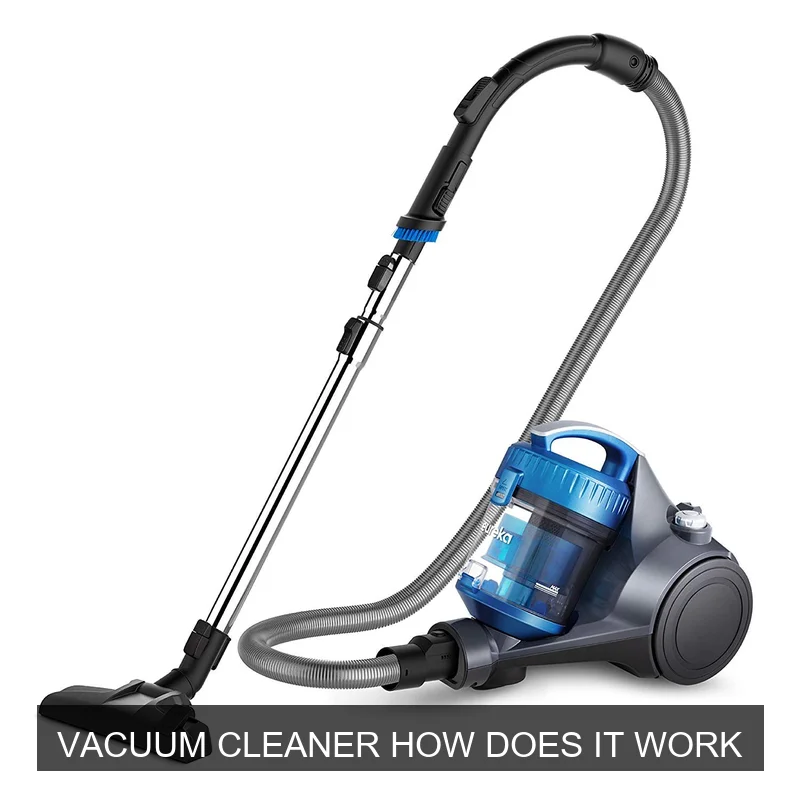
Image source: Adiyprojects
📋 Table of Contents
- 🔹 Understanding the Magic: How a Vacuum Cleaner Works
- 🔹 The Core Principle: Pressure Differences
- 🔹 Key Components That Make It Happen
- 🔹 Vacuum Cleaner How Does It Work: A Step-by-Step Breakdown
- 🔹 Why Understanding Vacuum Mechanics Matters
- 🔹 Benefits of Effective Vacuuming
- 🔹 Common Misconceptions About Vacuum Cleaners
- 🔹 Practical Tips for Optimal Vacuum Performance
- 🔹 Real-Life Examples of Vacuum Cleaner Action
- 🔹 People Also Ask: Your Vacuum Cleaner Questions Answered
- 🔹 Conclusion: The Simple Genius of Your Vacuum Cleaner
Understanding the Magic: How a Vacuum Cleaner Works
Ever wondered what’s really happening when your vacuum cleaner zips across the floor, making dirt disappear? It’s not magic, it’s science! The principle behind how a vacuum cleaner works is actually quite simple and incredibly clever. This isn’t just about “sucking up” dirt; it’s a sophisticated play of air pressure, airflow, and filtration.
In this guide, we’re going to dive deep into the mechanics of your vacuum cleaner. We’ll explore the various parts, understand their roles, and break down the whole process step-by-step. By the end, you’ll have a clear, authoritative grasp on the question: vacuum cleaner how does it work? Let’s unpack the hidden engineering in this everyday cleaning hero!
The Core Principle: Pressure Differences
At its heart, a vacuum cleaner operates on a fundamental scientific principle: differences in air pressure. Think about it like this: air naturally wants to move from an area of high pressure to an area of low pressure. It’s like water flowing downhill.
Your vacuum cleaner creates a “hill” for the air to flow into. Inside the vacuum’s body, a powerful fan is designed to rapidly push air out through an exhaust port. As air is expelled, the pressure inside the vacuum drops significantly, creating a partial vacuum or a low-pressure zone. Meanwhile, the air outside the vacuum cleaner – the air in your room – is at a relatively higher atmospheric pressure.
This pressure imbalance is the key. The higher-pressure air from the room, along with any dust, crumbs, or pet hair sitting on your floor, gets pushed forcefully into the vacuum cleaner’s intake nozzle. It rushes towards that low-pressure area, bringing all the unwanted debris along for the ride. It’s not so much that the vacuum “sucks” the dirt up, but rather that the outside air “pushes” it in.
Key Components That Make It Happen
For the vacuum cleaner to successfully harness this pressure difference and clean your space, several key components work together in harmony. Let’s look at them.
The Motor and Fan: The Heartbeat of Suction
The electric motor is the powerhouse of the vacuum. It drives the fan at extremely high speeds. The fan itself usually has angled blades, similar to an airplane propeller. When these blades spin, they quickly move air away from the intake port and towards the exhaust, drastically lowering the air pressure within the main body of the vacuum. Without a strong motor and an efficiently designed fan, the vacuum wouldn’t be able to create the necessary pressure difference to clean effectively.
The Air Intake: Where the Dirt Enters
This is the part of the vacuum cleaner that makes direct contact with the surface you’re cleaning. It’s often called the nozzle, brush head, or cleaning head. As the name suggests, it’s the opening through which air, along with all the dust and debris, is drawn into the vacuum. Many vacuum cleaners also feature rotating brushes (often called beater bars) within the intake nozzle. These brushes agitate carpets and dislodge embedded dirt, making it easier for the airflow to pick it up.
The Filtration System: Trapping the Grime
Once the air and debris enter the vacuum, they need to be separated. This is where the filtration system comes in. Filters are crucial for trapping dust, allergens, and other microscopic particles, preventing them from being expelled back into the room. Common filter types include:
- Bag filters: Found in bagged vacuum cleaners, these act as both a collection chamber and a primary filter.
- Foam filters: Often used as a pre-filter to catch larger particles.
- HEPA filters: These are high-efficiency particulate air filters, designed to capture 99.97% of airborne particles 0.3 microns in size, making them excellent for allergy sufferers.
- Cyclonic filters: In bagless vacuums, these systems use centrifugal force to spin dust and debris out of the air before it reaches the finer filters.
The air passes through one or more layers of filtration before being exhausted from the vacuum.
The Collection System: Bags vs. Bagless
After being filtered, the debris needs a place to go. Vacuum cleaners typically use one of two main collection systems:
- Bags: In bagged models, the dust and debris are collected inside a disposable bag. When the bag is full, you simply remove and replace it.
- Dustbins/Canisters: Bagless models use a reusable dustbin or canister. Debris is spun by cyclonic action and falls into the bin, which you then empty directly into the trash.
Both systems effectively store the collected dirt until it can be properly disposed of.
Vacuum Cleaner How Does It Work: A Step-by-Step Breakdown
Let’s put all those components together to see the full process of how a vacuum cleaner works, from start to finish.
- Power On: You plug in or charge your vacuum and hit the power switch. This sends electricity to the motor.
- Fan Spins: The electric motor springs to life, rotating the fan at a very high speed.
- Air Pressure Drops: As the fan blades spin, they push air out through the vacuum’s exhaust port. This rapid expulsion of air creates a significant drop in air pressure inside the vacuum’s body, particularly near the intake nozzle.
- Air Rushes In: The air outside the vacuum, which is at a higher atmospheric pressure, senses this low-pressure area. It immediately rushes into the vacuum through the cleaning head or nozzle, trying to equalize the pressure.
- Debris Travels: This rushing incoming air isn’t empty; it carries loose dirt, dust, pet hair, and small debris from your floor surfaces along with it. If your vacuum has a brush roll, it also agitates the fibers, lifting embedded dirt into the path of the airflow.
- Filtration: The air-and-dirt mixture travels through internal ducts. Before the air can exit, it must pass through one or more filters (like bag filters, cyclonic separators, foam filters, or HEPA filters). These filters trap the solid particles, allowing only cleaner air to pass through.
- Collection: The trapped dirt and debris are then deposited into either a disposable bag or a reusable dustbin, depending on the vacuum’s design.
- Clean Air Exits: Finally, the now-filtered, cleaner air is expelled from the vacuum’s exhaust port, back into the room. The cycle repeats as long as the vacuum is running, continuously pulling in dirty air, cleaning it, and releasing filtered air.
That’s the entire journey a piece of dust takes from your floor into your vacuum cleaner!
Why Understanding Vacuum Mechanics Matters
Knowing how a vacuum cleaner works isn’t just for science enthusiasts. It actually helps you understand why certain maintenance tasks are important and how to get the most out of your cleaning appliance.
For example, if you understand the role of air pressure, you’ll know why a clogged filter or a full dustbin reduces “suction.” These issues restrict airflow, making it harder for the vacuum to create that crucial low-pressure zone. If the fan can’t expel air efficiently, or if air can’t rush in freely, the whole cleaning process becomes less effective.
This knowledge empowers you to troubleshoot minor issues and keep your vacuum running at its best, ensuring it always does its job well.
Benefits of Effective Vacuuming
Beyond simply removing visible dirt, effective vacuuming (made possible by a well-understood and maintained machine) offers several key benefits:
- Improved Air Quality: Vacuums, especially those with good filtration, capture dust, pollen, pet dander, and other allergens, preventing them from circulating in your home’s air.
- Extended Carpet Life: Regular vacuuming removes abrasive dirt particles that can cut and wear down carpet fibers over time, helping your carpets last longer.
- Enhanced Hygiene: Removing dirt and debris regularly creates a cleaner, more hygienic living environment, reducing potential breeding grounds for dust mites and other pests.
- Better Appearance: Naturally, a clean, vacuumed floor looks and feels much better.
Understanding vacuum cleaner how does it work ensures you can maximize these benefits.
Common Misconceptions About Vacuum Cleaners
There are a few myths about how vacuum cleaners operate that we can clear up.
- “Vacuums create a perfect vacuum”: The term “vacuum cleaner” is a bit misleading. It doesn’t create a perfect vacuum (an area completely devoid of air). Instead, it creates a partial vacuum, which is just an area of significantly lower air pressure compared to its surroundings.
- “More powerful motor means better cleaning”: While motor power is important for spinning the fan, it’s not the only factor. The efficiency of the fan, the design of the airflow path, the quality of the filters, and the effectiveness of the brush roll all play a huge role in overall cleaning performance. An inefficient design can waste motor power.
- “Suction is the only thing that matters”: Suction (the strength of the low-pressure area) is vital, but so is airflow (the volume of air moving through the machine). A vacuum needs both good suction to lift debris and good airflow to transport it through the system and into the collection bin.
Practical Tips for Optimal Vacuum Performance
Knowing the mechanics behind how a vacuum cleaner works can help you use it more effectively.
- Empty the Collection Bin/Bag Regularly: A full bag or dustbin restricts airflow, making the motor work harder and reducing “suction.” Empty it before it’s completely full.
- Clean or Replace Filters: Clogged filters severely impede airflow, diminishing cleaning power and potentially shortening the motor’s life. Follow manufacturer recommendations for cleaning or replacing filters.
- Check for Blockages: Hoses, nozzles, and brush rolls can get clogged with hair or debris. Regularly inspect and clear any obstructions to maintain optimal airflow.
- Use the Right Attachments: Different attachments are designed for different tasks and surfaces. Using the correct tool maximizes efficiency, like a crevice tool for tight spots or a brush for upholstery.
- Adjust Height Settings: For upright vacuums, adjust the brush roll height to suit the carpet pile. Too high, and it won’t agitate; too low, and it can be hard to push and reduce airflow.
Real-Life Examples of Vacuum Cleaner Action
Let’s think about everyday scenarios where the vacuum cleaner’s mechanics shine:
- Dust Bunnies Under the Sofa: You reach with the hose attachment. The powerful airflow quickly pulls in the light, fluffy dust bunnies that have gathered, as the outside air pushes them into the low-pressure zone.
- Spilled Cereal on the Kitchen Floor: You grab your upright vacuum. The brush roll dislodges the cereal pieces from the hard floor (or carpet), and the strong incoming air quickly sweeps them up and into the dustbin.
- Pet Hair on Upholstery: A smaller hand-held vacuum or upholstery tool is used. Its concentrated airflow and often a small motorized brush effectively lift and capture stubborn pet hair from fabric surfaces, preventing it from recirculating thanks to the filter.
In each case, it’s the carefully orchestrated movement of air, driven by pressure differences and guided by the vacuum’s design, that gets the job done.
People Also Ask: Your Vacuum Cleaner Questions Answered
Let’s address some common questions people have about how vacuum cleaners work.
What exactly is a vacuum cleaner’s core principle?
The core principle is the creation of a pressure differential. An internal fan rapidly expels air, lowering the air pressure inside the vacuum. The higher-pressure air outside then rushes in to fill this partial vacuum, carrying dirt and debris with it.
Can a vacuum cleaner work without a filter?
Technically, a vacuum cleaner could create suction without a filter, but it wouldn’t be effective or safe. Without filters, all the dust, dirt, and allergens picked up would simply be blown straight back out into the room, defeating the purpose of cleaning and potentially causing respiratory issues. Filters are essential for trapping debris.
What happens to the dirt inside a vacuum cleaner?
After being drawn in by the airflow, the dirt and debris are separated from the air by the filtration system. The solid particles are then collected in either a disposable bag or a reusable dustbin/canister, where they remain until you empty the vacuum.
Why do some vacuum cleaners have bags and others don’t?
This largely comes down to design preference and filtration method. Bagged vacuums collect dirt directly into a sealed bag, which also acts as a filter, offering easy, dust-free disposal. Bagless vacuums use cyclonic technology to spin dirt out of the air into a clear dustbin, which you then empty. Both systems are effective; the choice often depends on user preference for convenience and allergy considerations.
What’s the difference between suction and airflow in a vacuum?
Suction refers to the strength of the low-pressure zone created inside the vacuum, which dictates how powerfully it can lift debris from a surface. Airflow refers to the volume of air that moves through the vacuum per minute, which is crucial for transporting the lifted debris through the hose and into the collection bin. Both are vital for effective cleaning: you need strong suction to pick up dirt and good airflow to move it away efficiently.
Conclusion: The Simple Genius of Your Vacuum Cleaner
So, the next time you power up your vacuum cleaner, you’ll know exactly how that dirt disappears. It’s not just a loud machine; it’s a testament to simple physics at work!
Understanding how a vacuum cleaner works, from its fundamental principle of air pressure differences to the coordinated action of its motor, fan, and filtration system, gives you a new appreciation for this everyday appliance. By grasping these mechanics, you can ensure your vacuum operates at peak performance, contributing to a cleaner, healthier home. It’s truly a marvel of practical engineering, making our lives a whole lot tidier with every use.