
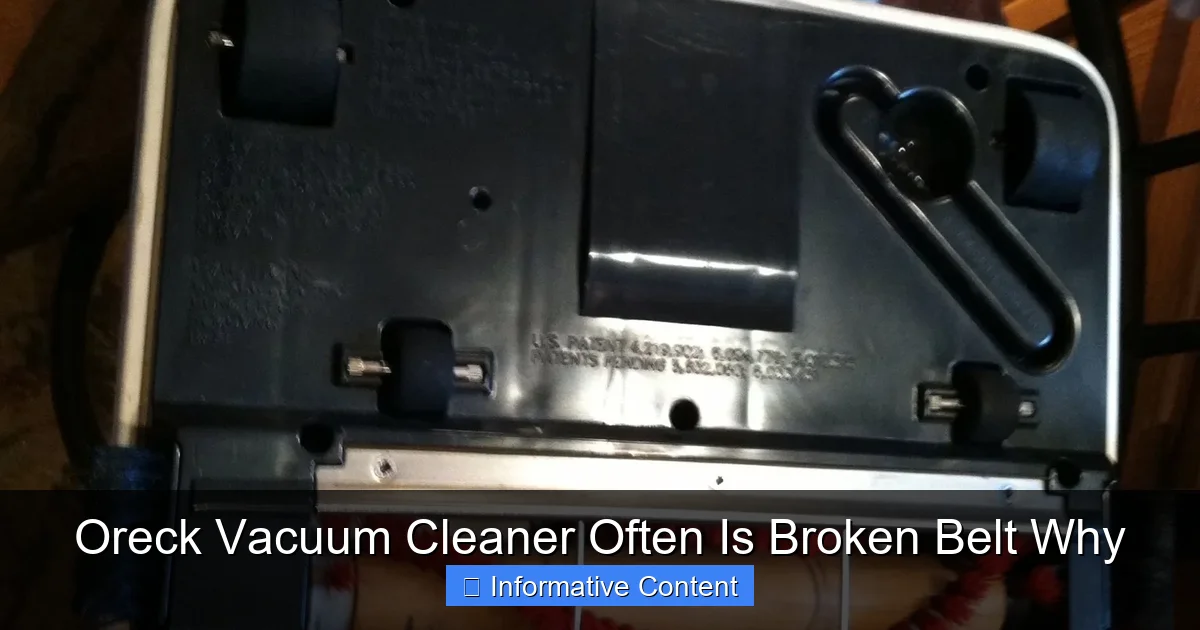
If your Oreck vacuum cleaner often has a broken belt, you’re not alone; it’s a common issue tied to their efficient, direct-drive design. Belts frequently snap due due to foreign objects, age, heat buildup, and improper installation. Understanding these causes and implementing simple preventative maintenance can significantly extend your Oreck’s belt life and maintain its powerful cleaning performance.
Ah, the trusty Oreck vacuum cleaner. Known for its lightweight design, powerful suction, and commercial-grade durability, it’s a beloved tool in many homes. But if you’re an Oreck owner, chances are you’ve encountered a common, frustrating issue: the dreaded broken belt. You might find yourself asking, “Why does my Oreck vacuum cleaner often have a broken belt?” It seems like just when you’re getting into a good cleaning rhythm, *snap!* – the brushroll stops spinning, and you’re left with a vacuum that’s lost its scrubbing power.
This isn’t just bad luck, nor is it necessarily a flaw in Oreck’s overall design. While it can feel like a nuisance, the frequent breakage of Oreck belts often stems from a combination of the vacuum’s unique engineering, the demands placed upon it, and sometimes, a lack of regular preventative care. Understanding these factors is key to minimizing downtime and keeping your Oreck running smoothly for years to come. Let’s dive deep into the “why” behind this common problem and explore practical solutions to keep your Oreck belt intact.
Key Takeaways
- Oreck’s Design Philosophy: Oreck vacuums often feature a direct-drive design, meaning the motor directly powers the brushroll via a single belt. This simple, efficient design makes the belt a crucial, and sometimes vulnerable, component.
- Common Causes of Breakage: The primary reasons an Oreck vacuum cleaner often is broken belt why include foreign objects jamming the brushroll, general wear and tear from age, excessive heat buildup, incorrect belt installation, and using non-OEM or low-quality replacement belts.
- Belt as a Safety Feature: In many Oreck models, the belt is designed to break under extreme stress (like hitting a large obstruction) to protect the motor from damage. While inconvenient, it’s often a sign the vacuum prevented a more costly repair.
- Importance of Regular Maintenance: To prevent frequent belt issues, it’s vital to regularly check and clear the brushroll of hair and debris, ensure the brushroll spins freely, and inspect the belt for signs of wear.
- Correct Belt Type and Installation: Always use the correct OEM (Original Equipment Manufacturer) belt for your specific Oreck model. Incorrect belts or improper installation can lead to premature failure. Ensure the belt is properly seated and tensioned.
- Understanding Different Belt Types: Oreck uses both traditional flat belts (older models) and serpentine belts (newer models). Knowing which type your vacuum uses is crucial for correct replacement and understanding its typical lifespan.
Quick Answers to Common Questions
How often should I replace my Oreck vacuum belt?
Most manufacturers recommend replacing your Oreck belt every 12 to 18 months with regular use, or more frequently if you have pets or vacuum heavily.
Can I use any vacuum belt for my Oreck?
No, you should always use a genuine Oreck replacement belt specifically designed for your model to ensure proper fit, tension, and durability.
What should I do if my Oreck belt keeps breaking shortly after replacement?
If your Oreck belt keeps breaking, double-check for persistent brushroll obstructions, ensure you’re using the correct OEM belt, and verify it’s installed properly. Persistent issues might indicate a deeper mechanical problem.
Is it normal for the Oreck belt to feel very tight when new?
Yes, a new Oreck belt should feel quite snug and taut. This ensures proper tension for the brushroll to spin effectively. It will stretch slightly over time.
Does an Oreck vacuum belt breaking protect the motor?
Yes, the Oreck belt is often designed as a “sacrificial” part. It breaks under extreme stress (like a jam) to prevent more serious and costly damage to the motor or other internal components.
📑 Table of Contents
The Oreck Design Philosophy and Its Impact on Belts
Oreck vacuums are celebrated for their simplicity and efficiency. Many Oreck models, particularly the uprights, utilize a direct-drive system. This means the motor directly drives the brushroll through a single belt, making the design straightforward and lightweight. While this contributes to Oreck’s legendary ease of use, it also places a significant burden on that single belt.
Direct Drive vs. Geared Systems
In many other vacuum brands, the brushroll might be powered by a geared system or even a separate motor. Oreck’s direct-drive setup, however, means that the belt is the primary, and often sole, mechanical link between the powerful motor and the brushroll that agitates your carpet. This design choice prioritizes power transfer and minimizes parts, but it also means the belt takes the brunt of any resistance the brushroll encounters.
The Belt as a Safety Mechanism
Interestingly, the belt in an Oreck vacuum cleaner often acts as a sort of “sacrificial lamb” or a safety fuse. If the brushroll encounters something it can’t handle – say, a stray sock, a thick rug fringe, or a particularly stubborn hairball – the belt is designed to break before the powerful motor or other more expensive internal components are damaged. While inconvenient for you, a broken belt can save you from a much costlier repair bill for a burned-out motor or a stripped gear assembly. So, in a way, when your Oreck vacuum cleaner often is broken belt why, it’s often because it’s doing its job of protecting itself.
Common Culprits: Why Oreck Vacuum Belts Snap So Often
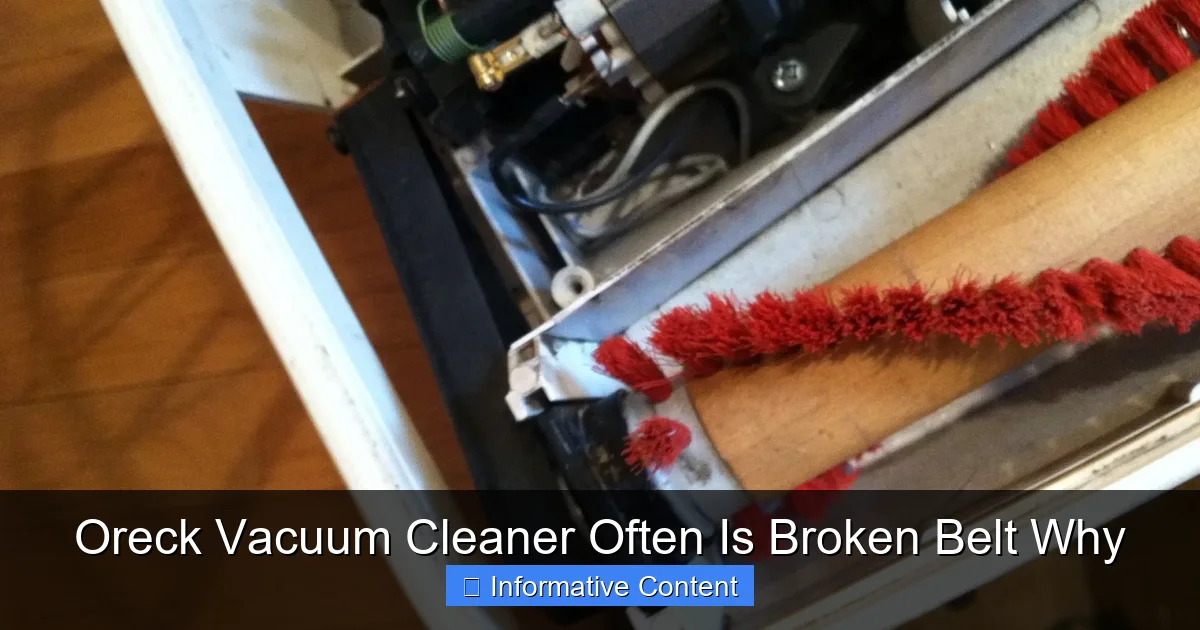
Visual guide about Oreck Vacuum Cleaner Often Is Broken Belt Why
Image source: guides.brit.co
Now that we understand Oreck’s design, let’s pinpoint the specific reasons why those belts tend to give out. It’s usually not one single factor but a combination of several that leads to that tell-tale snap.
Overloading and Blockages
This is, by far, the most common reason an Oreck vacuum cleaner often is broken belt why. When the brushroll gets jammed, whether by long hair, carpet fibers, pieces of string, or larger foreign objects like paper clips or small toys, it creates immense friction and resistance. The motor tries to keep turning the brushroll, but if the brushroll can’t spin freely, the force becomes too great for the belt, causing it to stretch, fray, overheat, and eventually snap. Think of it like trying to pedal a bicycle with a stick jammed in the spokes – something has to give.
Age and Wear and Tear
Belts aren’t meant to last forever. Over time, rubber and synthetic materials degrade. They can become brittle, stretched, or cracked due to constant friction, heat exposure, and the natural aging process. Even if your Oreck isn’t constantly encountering blockages, a belt that has seen many hours of use will eventually weaken and become more prone to breaking. Manufacturers often recommend replacing belts periodically, even if they haven’t snapped yet, just to ensure optimal performance and prevent unexpected breakage.
Heat Buildup
Friction generates heat. When your Oreck vacuum operates, especially during prolonged use or when the brushroll encounters some resistance (even minor), the belt can get very hot. Excessive heat can cause the belt material to weaken, soften, and lose its elasticity. This makes it more susceptible to breaking under normal operating conditions or when subjected to even a slight jam. A buildup of hair and debris around the brushroll housing can also trap heat, exacerbating this problem.
Incorrect Belt Installation
Believe it or not, improper installation is a significant cause of premature belt failure. If a new belt isn’t seated correctly on both the motor shaft and the brushroll pulley, it can twist, rub against other components, or simply be under uneven tension. This uneven stress can lead to quick wear, fraying, and a much shorter lifespan than intended. It’s crucial to follow the manufacturer’s instructions precisely when replacing a belt.
Using Non-OEM or Low-Quality Belts
While generic replacement parts might seem like a cost-saving measure, they can often be a false economy, particularly with vacuum belts. Non-OEM (Original Equipment Manufacturer) belts might not be made from the same high-quality materials, or they might not have the precise dimensions (thickness, length, elasticity) required for your specific Oreck model. An ill-fitting or cheaply made belt will wear out much faster, or worse, not provide enough tension, leading to poor cleaning performance, or too much tension, causing motor strain. Always opt for genuine Oreck replacement belts when possible.
Understanding the Types of Belts and Their Lifespan
Not all Oreck belts are created equal. Oreck has evolved its designs over the years, and understanding the type of belt in your specific model can help you anticipate its lifespan and choose the correct replacement.
Traditional Flat Belts (Older Models)
Many older Oreck upright models, particularly the XL series, use a flat, usually black, rubber belt. These belts are relatively simple and effective but are more prone to stretching and snapping when faced with extreme resistance. Their lifespan is largely dependent on usage and maintenance, but generally, they might need replacement every 6-12 months with regular use.
Serpentine Belts (Newer Models)
Newer Oreck models, such as the Oreck XL 21, often feature a multi-ribbed or serpentine belt. These belts are designed for enhanced grip and durability, resembling the belts found in automotive engines. They typically offer a longer lifespan and can withstand more stress than their flat counterparts. However, they are still susceptible to the same issues of blockages and extreme wear. Even with a serpentine belt, if your Oreck vacuum cleaner often is broken belt why, the root causes usually remain the same.
Expected Lifespan and Replacement Frequency
Regardless of the type, no vacuum belt is truly “lifetime.” Most manufacturers, including Oreck, recommend checking and potentially replacing your belt every 12 to 18 months, or more frequently if you use your vacuum daily, clean heavily soiled areas, or have pets with long hair. Proactive replacement can prevent unexpected breakages during a cleaning session.
Preventative Measures: Keeping Your Oreck Belt Intact
Now for the good news! While Oreck belts can be prone to snapping, there are many proactive steps you can take to significantly reduce the frequency of breakages. You can change your question from “Oreck vacuum cleaner often is broken belt why?” to “How can I prevent my Oreck belt from breaking?”
Regular Maintenance is Key
The single most important thing you can do is perform regular maintenance on your Oreck vacuum, especially the brushroll area.
- Inspect the Brushroll: Flip your vacuum over and visually inspect the brushroll regularly (before or after each significant cleaning session). Look for tangled hair, string, carpet fibers, or any foreign objects wrapped around it.
- Clear Obstructions: Use scissors or a seam ripper to carefully cut and remove any tangled hair or fibers. Make sure the brushroll spins completely freely by hand. If it feels stiff or binds, something is still caught.
- Check for Wear: While you’re there, quickly examine the belt itself. Look for any visible cracks, fraying, stretching, or signs of extreme wear. If it looks compromised, it’s best to replace it proactively.
Clearing Obstructions Promptly
If you hear your Oreck’s motor straining or notice the brushroll slowing down during use, stop immediately! Turn off and unplug the vacuum, then check for an obstruction. Ignoring these signs will almost certainly lead to a broken belt. This immediate action can save you a replacement.
Proper Storage and Usage Habits
How you use and store your vacuum also plays a role:
- Avoid Delicate Items: Try to clear small, loose items (like charging cables, small toys, or shoelaces) from the floor before vacuuming.
- Lift for Hard Floors: If your Oreck has a brushroll that can’t be turned off, lift the vacuum slightly when transitioning from carpet to hard floors to prevent unnecessary wear on the belt and the brushroll bristles.
- Store Properly: Ensure the vacuum is stored in a clean, dry place. Avoid extreme temperatures, which can degrade belt materials.
Choosing the Right Replacement Belt
As mentioned earlier, always prioritize genuine Oreck replacement belts.
- Match Your Model: Double-check your Oreck model number and ensure you’re purchasing the correct belt type for it. Oreck belts are not universally interchangeable.
- Buy from Reputable Sources: Purchase belts from authorized Oreck dealers, their official website, or trusted retailers to ensure authenticity and quality.
The Replacement Process: A Step-by-Step Guide
Replacing an Oreck belt is a fairly straightforward process that most users can do at home with a few basic tools. Don’t let a broken belt be a reason to buy a new vacuum!
Safety First
Before you even think about touching the belt, always, always, *always* unplug your Oreck vacuum cleaner from the wall outlet. This prevents accidental startups and potential injury.
Tools You’ll Need
Typically, you’ll only need a Phillips head screwdriver, and possibly a flathead screwdriver or a pair of needle-nose pliers to help with leverage or removing stubborn debris.
Step-by-Step Instructions (General)
While specific steps might vary slightly between Oreck models, the general process is as follows:
- Lay the Vacuum Down: Gently lay your Oreck vacuum cleaner on its back or side on a clean, flat surface so you can easily access the underside.
- Remove the Bottom Plate: You’ll usually see several screws holding the bottom plate (often called the soleplate) in place. Unscrew these and carefully remove the plate. Set the screws aside in a safe place.
- Remove the Brushroll: Once the plate is off, the brushroll will usually lift straight out. You might need to gently wiggle it. Pay attention to how it’s oriented so you can put it back correctly.
- Remove the Old Belt: The broken belt will likely be loose or still partially wrapped around the motor shaft or brushroll. Remove any remnants of the old belt.
- Clean the Area: This is a perfect opportunity to thoroughly clean out any hair, dust, or debris that has accumulated in the brushroll housing. Use your fingers, a cloth, or a small brush. Ensure the motor shaft and brushroll ends are clean.
- Install the New Belt: Loop the new belt around the motor shaft (the small metal rod protruding from the motor). Then, stretch the belt and carefully slip it over one end of the brushroll.
- Reinstall the Brushroll: With the belt correctly positioned on both the motor shaft and the brushroll, carefully place the brushroll back into its housing. Ensure the brushroll ends snap securely into their designated slots. The belt should be taut but not overly stretched. Give the brushroll a few spins by hand to ensure the belt is properly seated and the brushroll rotates freely.
- Replace the Bottom Plate: Align the bottom plate and screw it back into place, ensuring all screws are tight but not overtightened.
- Test the Vacuum: Plug in your Oreck and turn it on briefly to ensure the brushroll is spinning correctly. Listen for any unusual noises.
With a little patience, you’ll have your Oreck vacuum cleaner back in top working order, ready to tackle your floors again!
In conclusion, encountering a broken belt on your Oreck vacuum cleaner is a common occurrence, often prompting the question, “Oreck vacuum cleaner often is broken belt why?” The answer lies in a combination of Oreck’s efficient direct-drive design, the belt’s role as a protective mechanism, and various operational factors like blockages and wear. By understanding these reasons and implementing consistent preventative maintenance – regularly cleaning the brushroll, choosing quality replacement belts, and installing them correctly – you can dramatically reduce the frequency of belt breakages. Your Oreck is a durable machine, and with a little care, its belt will stay intact, ensuring its powerful performance continues to keep your home spotless.
🎥 Related Video: How to change an Oreck Vacuum belt
📺 Elite Cleaning Tulsa
How to change an ORECK vacuum belt quick and easy.
Frequently Asked Questions
What are the primary reasons an Oreck vacuum belt breaks so often?
The main culprits behind a frequently broken Oreck vacuum belt include foreign objects jamming the brushroll, natural wear and tear from age and heat buildup, and sometimes, incorrect belt installation. Oreck’s direct-drive design means the belt bears significant stress.
How can I tell if my Oreck vacuum belt needs replacement before it breaks?
You can often spot signs of wear by inspecting the belt for cracks, fraying, stretching, or a glossy, worn appearance. If the brushroll seems less effective or struggles to spin, even without visible obstructions, the belt might be losing its tension and be due for replacement.
Is it difficult to replace an Oreck vacuum belt myself?
Replacing an Oreck vacuum belt is generally a straightforward process that most users can do at home. It typically involves unscrewing the bottom plate, removing the brushroll, and then carefully installing the new belt, usually with just a Phillips head screwdriver.
Can a worn Oreck belt affect the vacuum’s cleaning performance?
Absolutely. A worn, stretched, or loose Oreck belt won’t provide adequate tension to the brushroll, causing it to spin slowly or inconsistently. This significantly reduces the vacuum’s ability to agitate carpet fibers and effectively pick up dirt and debris.
What kind of maintenance should I do to prevent Oreck belt breakage?
Regular maintenance is key. Frequently check and clear the brushroll of tangled hair, string, and other debris. Promptly remove any foreign objects if the brushroll jams, and consider proactively replacing your belt every 12-18 months, especially with heavy use.
Where can I purchase genuine Oreck replacement belts?
Genuine Oreck replacement belts can be purchased from authorized Oreck dealers, the official Oreck website, or reputable online and brick-and-mortar retailers that carry Oreck parts. Always ensure the belt is specifically designed for your Oreck model.