

Before the roar of the vacuum cleaner, keeping carpets spotless was a truly Herculean task, demanding significant effort and ingenuity. People relied on a combination of physical labor, like beating dust out with specialized tools, and natural cleaning agents such as soap, water, and vinegar, to maintain their cherished floor coverings. These meticulous, often seasonal, cleaning rituals highlight a fascinating era where cleanliness was a testament to hard work and resourcefulness.
How Were Carpets Cleaned Before Vacuums
Have you ever stopped to think about how our ancestors managed to keep their homes clean, especially their carpets, long before the invention of the trusty vacuum cleaner? It’s a question that often sparks curiosity, conjuring images of simpler times, perhaps, but also of significantly harder work. Today, we simply plug in a machine, push it around for a bit, and *poof*, the dirt is gone. But for centuries, the process of how carpets were cleaned before vacuums was a fascinating blend of physical exertion, clever natural remedies, and meticulous attention to detail.
Imagine a world without that familiar whirring sound. A home where carpets, often valuable and hand-woven, were central to warmth and comfort. Keeping them clean was not just about aesthetics; it was about hygiene and preserving an expensive investment. The methods used weren’t always glamorous, but they were remarkably effective, born out of necessity and ingenuity. This journey back in time reveals a treasure trove of forgotten techniques and insights into the daily lives of people who tackled dirt head-on, without the aid of modern technology.
The Challenge of Dirt in a Pre-Vacuum Era
Before we dive into the “how,” let’s consider the “why.” In an age without paved roads, central heating, or air filters, dust and dirt were constant companions. Open fires filled homes with soot, horse-drawn carriages kicked up street grime, and everyday activities constantly tracked in debris. Carpets, with their intricate fibers, were perfect traps for all this unwanted material. Understanding how carpets were cleaned before vacuums helps us appreciate the sheer effort involved in maintaining a clean living space, making our modern conveniences seem even more miraculous.
Key Takeaways
- Physical Labor Was Key: Before vacuums, carpet cleaning heavily relied on manual effort, including vigorous beating and sweeping to remove loose dirt and dust.
- Outdoor Cleaning Was Common: Carpets were frequently taken outside for beating, airing, and drying, which helped dislodge debris and freshen fibers.
- Natural Cleaning Agents Were Utilized: Everyday household items like soap, water, vinegar, salt, cornmeal, and even sand were essential for scrubbing, absorbing grime, and deodorizing.
- Stain Removal Was an Art: People developed clever tricks and remedies using natural ingredients to tackle specific stains, often requiring immediate action and careful application.
- Seasonal Deep Cleans Were Rituals: Comprehensive cleaning, especially during spring, involved extensive effort, from soaking and scrubbing to thorough drying, making it a major household event.
- Specialized Tools Existed: Tools like carpet beaters, stiff brushes, and sponges were indispensable, designed to maximize efficiency in the absence of mechanical suction.
Quick Answers to Common Questions
What was the most common method for daily carpet cleaning before vacuums?
The most common daily method was sweeping with a broom, often using damp tea leaves or wet paper to collect dust, followed by a crumb brush for localized messes.
How often were carpets typically beaten to remove dirt?
Carpets were usually taken outside and beaten with a carpet beater on a weekly or bi-weekly basis, depending on the household and traffic.
What natural ingredient was often used to absorb odors and freshen carpets?
White vinegar was frequently used in a diluted solution to neutralize odors, and salt was also sprinkled on carpets to absorb smells before sweeping.
How did people handle fresh liquid spills on carpets before vacuums?
For fresh liquid spills, a common technique was to immediately pour a generous amount of salt onto the stain to absorb the liquid, then scrape or brush it away.
What was a “dry shampoo” method used for carpets?
A “dry shampoo” method involved sprinkling absorbent materials like cornmeal, bran, or even sawdust onto the carpet, working it in, letting it sit to absorb grime and odors, and then thoroughly sweeping it away.
📑 Table of Contents
The Daily Grind: Sweeping and Beating Away Dust
Long before the advent of suction, the most common and consistent way to manage daily dirt was through physical displacement. This involved two primary methods: sweeping and, most famously, beating.
The Humble Broom and Brush
For everyday surface dirt, the broom was king. Not just any broom, though. Different types of brooms and brushes were designed for various surfaces and tasks. Stiff-bristled brooms were used for heavier debris, while softer brushes might be employed for more delicate carpet fibers.
- Sweeping Technique: People would sweep their carpets with a rhythmic motion, often using damp tea leaves or wet newspaper shreds spread over the carpet first. These damp particles would cling to the dust and dirt, preventing it from simply flying into the air and settling elsewhere. Once the tea leaves or paper had gathered the dust, they—along with the dirt—would be swept up and discarded. This was a clever way to keep the air cleaner during the process.
- Crumb Brushes: For smaller, localized messes like crumbs after a meal, specialized crumb brushes and trays were used. These were essentially small, handheld dustpan and brush sets, perfect for quick clean-ups without having to haul out larger tools.
The Mighty Carpet Beater
Perhaps the most iconic image associated with how carpets were cleaned before vacuums is that of a person vigorously beating a carpet hung over a line. This was the heavy artillery of pre-vacuum cleaning.
- The Tool: Carpet beaters were typically made of rattan, cane, or metal, shaped into a flat, looped head with a handle. Their design allowed for maximum force distribution to dislodge dirt without damaging the carpet fibers too much.
- The Process: Carpets would be taken outside, often to a clothesline or a designated beating rack. This was not a quick task; it was a full-body workout! The carpet would be beaten repeatedly, allowing dust, dirt, and trapped debris to fall out onto the ground below. The vigorous action would send clouds of dust flying, which is why it was almost always done outdoors. This wasn’t a daily chore; it was often a weekly or bi-weekly ritual, depending on the household’s cleanliness standards and the carpet’s traffic.
- Dust Sheets and Preparation: Inside the home, before any major sweeping or cleaning began, furniture would often be covered with dust sheets. This prevented the displaced dust from settling on other surfaces, saving further cleaning effort. It was all about containment and efficiency within the limitations of the time.
Deep Cleaning: Wet Methods and Spot Treatments
Visual guide about How Were Carpets Cleaned Before Vacuums
Image source: vacuupedia.net
While beating and sweeping handled the loose dirt, carpets still needed a deeper clean to tackle ingrained grime, stains, and odors. This is where wet cleaning methods came into play, often requiring significant drying time.
Soap, Water, and Elbow Grease
For a truly deep clean, soap and water were indispensable.
- Scrubbing by Hand: This involved mixing mild soap (often lye-based or castile soap) with water to create suds. A stiff brush or a coarse cloth would then be used to scrub the carpet, section by section. The goal was to lift the dirt from the fibers, not to soak the carpet through.
- Rinsing: After scrubbing, the soiled suds would need to be removed. This was often done by wiping the carpet with clean, damp cloths, rinsing the cloths frequently, or by using a squeegee-like tool to push the dirty water out of the fibers. The challenge was to remove the soap residue without saturating the carpet, as excessive moisture could lead to mildew and damage.
- Drying: Proper drying was crucial. Carpets might be hung outdoors on a sunny, breezy day or laid flat in a well-ventilated room with windows open. Fans (if available) or even natural drafts were used to accelerate the drying process. Inadequate drying was a major concern, as it could lead to unpleasant smells and mold growth.
The Dry Shampoo Approach: Absorbing Grime
Wet cleaning wasn’t always practical or desirable, especially for delicate carpets or in cold, damp weather. This led to the development of “dry shampoo” methods, using absorbent powders.
- Cornmeal and Bran: These were common choices. A generous amount of dry cornmeal, bran, or even sawdust (especially for heavily soiled or oily areas) would be sprinkled evenly over the carpet. It would then be worked into the fibers with a stiff brush. The idea was for these dry particles to absorb grease, dirt, and odors.
- Brushing and Sweeping Away: After being left to sit for a period (sometimes hours), the cornmeal or bran, now laden with dirt, would be thoroughly brushed and swept out of the carpet. This method was effective for freshening carpets and lifting some surface grime without the need for water.
- Fuller’s Earth: For more stubborn oil or grease stains, Fuller’s Earth, a type of absorbent clay, was highly valued. It would be sprinkled directly onto the stain, left to draw out the oil, and then brushed away.
Sponge and Cloth Wiping
For lighter cleaning or between deeper scrubs, people would often simply wipe down the carpet surface with a damp cloth or sponge. This helped to pick up surface dust and refresh the fibers without much effort or drying time. It was a common technique for how carpets were cleaned before vacuums on a more regular basis.
Natural Remedies and Household Solutions
Our ancestors were incredibly resourceful, turning to common household items for their cleaning power. These natural remedies were essential for stain removal and deodorizing when commercial products were non-existent or inaccessible.
Vinegar’s Versatility
White vinegar was a cleaning superstar. Its mild acidity made it excellent for breaking down grime, neutralizing odors, and even brightening colors.
- Odor Removal: A solution of vinegar and water (often 1:1 or 1:2) was sprayed or dabbed onto carpets to eliminate stale smells.
- Stain Treatment: It was used on various stains, from pet accidents to food spills. The vinegar would often be applied, blotted, and then rinsed with clear water.
- Color Brightening: A final rinse with a dilute vinegar solution could help restore brightness to carpet colors.
Salt for Stains and Freshening
Common table salt had surprising cleaning properties.
- Fresh Stains: For fresh liquid spills like red wine, salt would be immediately poured generously onto the stain. The salt would absorb the liquid, preventing it from setting into the fibers. After a short while, the salt (and absorbed liquid) would be scraped or brushed away.
- General Freshening: A sprinkle of salt left on a carpet for an hour or so before sweeping could help absorb odors and lift some dirt.
Lemon Juice and Borax for Brightening
Lemon juice, with its natural bleaching and deodorizing properties, was also a popular choice.
- Brightening: Mixed with salt, lemon juice could be used as a paste for particularly stubborn stains or to brighten dull areas of a carpet.
- Borax: This naturally occurring mineral was a powerful cleaning agent. It could be sprinkled on carpets to kill fleas and absorb odors, then swept away. For tougher stains, a paste of borax and water could be applied.
Sand and Sawdust for Oily Grime
For very heavy, greasy grime, particularly in workshops or high-traffic areas, sand or sawdust played a unique role.
- Absorbing Grease: A layer of fine sand or sawdust would be spread over the soiled area. This coarse material would be worked into the carpet fibers with a brush, acting as an abrasive to loosen dirt and absorb oils.
- Sweeping Away: After some time, the sand or sawdust, now laden with grime, would be swept away. This was a particularly effective method for how carpets were cleaned before vacuums in industrial or semi-industrial settings, where heavy soiling was common.
Specialized Tools and Professional Cleaners
While much of the cleaning was a household chore, some specialized tools and even professional services existed, demonstrating the importance placed on carpet care.
Hand-Operated Brushes and Scrubbers
Beyond simple brooms, there were more specialized hand-operated devices.
- Stiff-Bristled Scrub Brushes: These were essential for deep cleaning with soap and water, allowing for vigorous scrubbing to dislodge deeply embedded dirt.
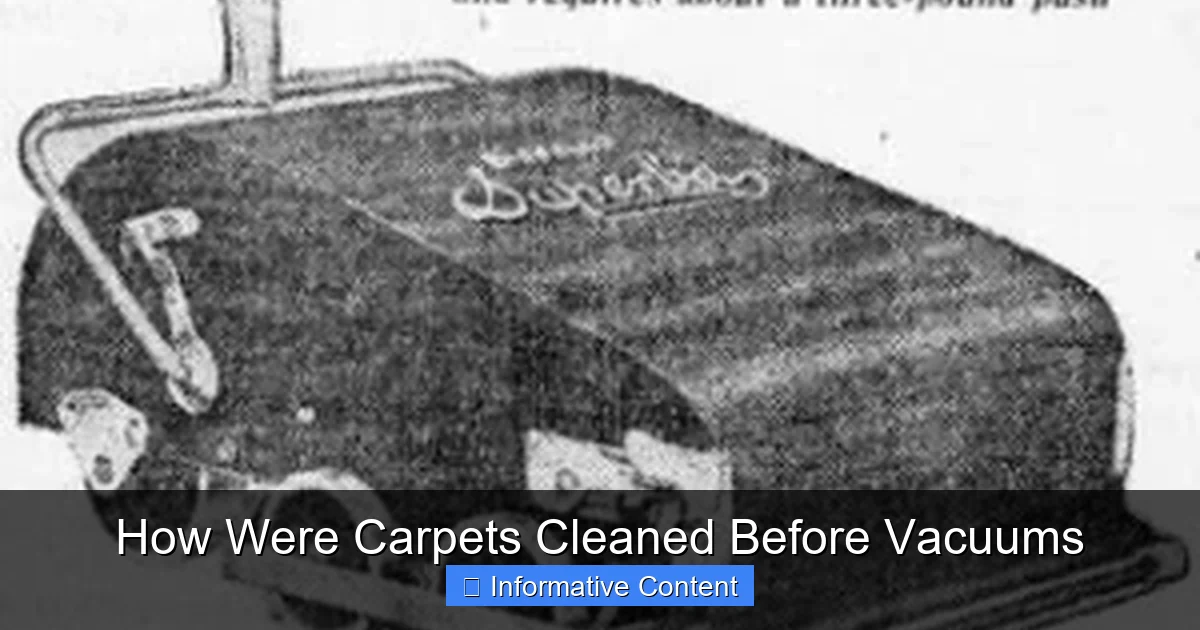
- Carpet Sweepers: In the late 19th century, mechanical carpet sweepers emerged. These devices used rotating brushes to flick dirt into a small collection pan, offering a step up from a broom. While not a vacuum, they were a significant improvement for daily light cleaning and a precursor to true vacuum technology. They were still manual and required regular emptying but made the process of how carpets were cleaned before vacuums a little less arduous.
Professional Cleaners and Their Secret Formulas
For the wealthy or for particularly valuable carpets, professional cleaners were available. These individuals or small businesses often had their own “secret formulas” for cleaning solutions, which might include specific soaps, essential oils for fragrance, or other chemical compounds.
- On-Site Cleaning: Professionals might clean carpets in situ, using their specialized tools and methods.
- Off-Site Cleaning: More often, valuable rugs and carpets would be removed from the home and taken to a dedicated facility for washing, beating, and drying, much like modern rug cleaning services. These facilities had larger spaces, better ventilation, and specialized equipment to handle the scale and intricacies of deep cleaning.
The “Carpet Beating Man” and His Services
In some communities, there were individuals or small businesses that specialized solely in beating carpets. Homeowners would simply hire these strong individuals to come and handle the arduous task of hauling and beating their carpets, saving them from the back-breaking work. This highlights the sheer physical effort required and how specialized even such a basic task could become.
Seasonal Rituals and the Annual Clean
Carpet cleaning was rarely a casual affair. It was often integrated into larger, seasonal cleaning rituals, especially the famous “spring clean.”
Spring Cleaning: A Grand Affair
Spring cleaning was not just about tidying up; it was a major undertaking that could last days, sometimes weeks.
- The Big Move: Carpets were rolled up, furniture moved, and everything prepared for a comprehensive clean. This was the prime time for how carpets were cleaned before vacuums with the most intense methods.
- Outdoor Washing: If the weather permitted, carpets might be taken outside, laid on a clean surface (like a lawn or patio), and thoroughly hosed down, scrubbed with soap and water, and then rinsed. This was the ultimate deep clean, but only feasible when drying conditions were optimal.
- Sunlight and Airing: After washing or beating, carpets were always given ample time to air out and dry completely in the sun. Sunlight was valued for its natural sanitizing and deodorizing properties, helping to kill bacteria and freshen the fibers. This was a critical step in making sure the carpet was clean and pleasant smelling.
Drying and Airing Out
Proper drying was paramount. A damp carpet was an invitation for mold, mildew, and unpleasant odors. Carpets were often left outside for extended periods, carefully turned, and checked to ensure every fiber was dry. Inside, windows were opened wide, and fires might be stoked to create warmth and air circulation.
Pest Prevention
Beyond just dirt, people also had to contend with pests like moths and carpet beetles. How carpets were cleaned before vacuums often included measures to deter these unwelcome guests.
- Herbal Repellents: Herbs like lavender, cedar, and rosemary were placed under carpets or in closets where carpets were stored to repel insects.
- Regular Beating and Sunning: The vigorous beating and exposure to sunlight were not just for dirt removal but also helped to dislodge and kill insect eggs and larvae.
- Borax: As mentioned, borax was also sprinkled on carpets as a natural insecticide.
The Transition and Lasting Wisdom
The late 19th and early 20th centuries saw the gradual rise of mechanical cleaning devices, eventually leading to the invention and popularization of the electric vacuum cleaner. Early models were often bulky and still required significant effort, but they marked the beginning of the end for the traditional carpet beater.
The Dawn of Mechanical Cleaning
The first manual carpet sweepers evolved into hand-pumped suction devices, and finally, around the turn of the 20th century, the first electric vacuum cleaners began to appear. These inventions promised a revolutionary way of how carpets were cleaned before vacuums by using suction to lift dirt, significantly reducing the physical labor involved. The transition was slow, with vacuums initially being luxury items, but their undeniable efficiency eventually made them household staples.
Lessons from the Past
Looking back at how carpets were cleaned before vacuums offers several valuable lessons:
- Resourcefulness: Our ancestors made the most of what they had, using natural, readily available materials for effective cleaning.
- Physical Effort: It reminds us that cleanliness was once a much more physically demanding endeavor, fostering a greater appreciation for modern conveniences.
- Preventative Care: Many old methods focused on regular, consistent care (like daily sweeping and periodic beating) to prevent dirt from becoming deeply ingrained, a principle still relevant today.
- Natural Solutions: The effectiveness of natural cleaners like vinegar, salt, and lemon juice is a testament to their enduring power, many of which are still used in eco-friendly cleaning practices today.
In conclusion, the story of how carpets were cleaned before vacuums is a testament to human ingenuity, resilience, and a deep-seated desire for a clean home. It highlights a time when cleaning was not merely a chore but often a community event or a significant household ritual, deeply ingrained in the rhythm of life. So, the next time you effortlessly glide your vacuum across your floor, spare a thought for the incredible effort and clever solutions of those who came before us.
Frequently Asked Questions
How did people ensure carpets dried properly after wet cleaning?
After wet cleaning, carpets were typically hung outdoors on clotheslines or laid flat in sunny, breezy areas to air dry completely. Inside, windows would be opened, and sometimes fires were used to create warmth and improve air circulation to prevent mold and mildew.
Were there any special tools for cleaning carpets before vacuums, besides brooms and beaters?
Yes, besides brooms and carpet beaters, people used stiff-bristled scrub brushes for deep cleaning and, later, hand-operated mechanical carpet sweepers that used rotating brushes to flick dirt into a collection pan.
What was the purpose of using damp tea leaves or wet newspaper when sweeping carpets?
Damp tea leaves or wet newspaper shreds were spread on carpets before sweeping to make the dust and dirt cling to them. This prevented the loose particles from simply flying into the air and resettling elsewhere, making the sweeping more effective and the air cleaner.
How did people protect carpets from pests like moths and carpet beetles?
To deter pests, people often placed herbal repellents like lavender or cedar under carpets. Regular beating and sunning of carpets also helped to dislodge and kill insect eggs and larvae, and borax was sometimes sprinkled as an insecticide.
What role did professional cleaners play in carpet maintenance before vacuums?
Professional cleaners were hired by the wealthy or for valuable rugs. They would either clean carpets on-site using specialized solutions and tools, or more commonly, take them to dedicated facilities for thorough washing, beating, and drying, offering a deeper clean than possible at home.
What natural substances were used to treat specific stains like grease?
For grease stains, absorbent materials like Fuller’s Earth (a type of clay) or sawdust were highly effective. These would be sprinkled on the stain, left to draw out the oil, and then brushed or swept away from the carpet fibers.