
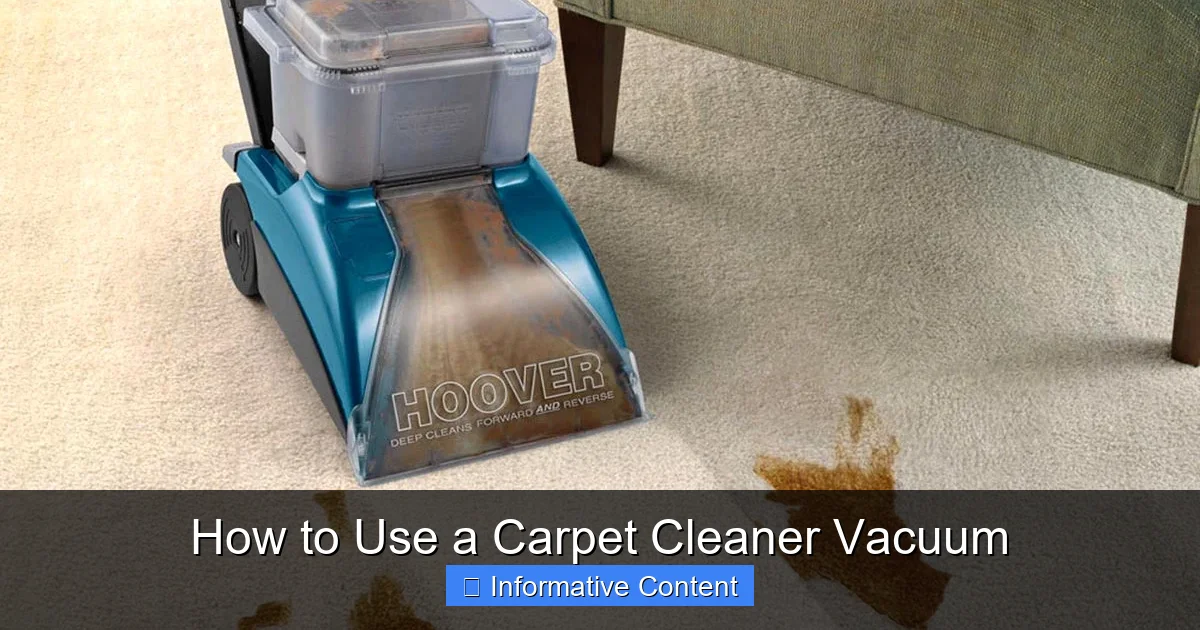
Mastering your carpet cleaner vacuum is simpler than you think! This guide walks you through every step, from prepping your carpets and understanding your machine to making the perfect cleaning passes and performing essential post-cleaning maintenance. Achieve sparkling clean results and extend the life of your carpets with our easy-to-follow advice.
There’s nothing quite like the feeling of fresh, clean carpets underfoot. They add warmth, comfort, and a touch of luxury to any home. But let’s face it, life happens. Spills, pet accidents, tracked-in dirt, and general wear and tear can leave your beautiful carpets looking dull, stained, and a little less inviting. While regular vacuuming helps, sometimes your carpets need a deeper, more invigorating clean than a standard vacuum can provide.
That’s where your trusty carpet cleaner vacuum comes into play. These powerful machines are specifically designed to go beyond surface-level cleaning, using water and specialized solutions to penetrate carpet fibers, lift embedded dirt, and extract grime. The result? Carpets that look brighter, smell fresher, and feel softer. If you’ve got a carpet cleaner vacuum sitting in your closet, perhaps feeling a bit intimidated by it, you’re in the right place. We’re going to demystify the process and walk you through exactly how to use a carpet cleaner vacuum like a pro, ensuring you get the best possible results every time.
Learning how to effectively use a carpet cleaner vacuum can save you money on professional cleaning services and give you the satisfaction of tackling tough stains and refreshing your home yourself. With a little preparation and the right technique, you’ll be amazed at the transformation. So, let’s roll up our sleeves and dive into the world of deep carpet cleaning!
Key Takeaways
- Preparation is Paramount: Always thoroughly vacuum your carpets first to remove loose dirt and debris. This prevents mudding and clogging in your carpet cleaner vacuum.
- Pre-Treat Stains Wisely: Address tough spots with a suitable pre-treatment solution before the main clean. Give it a few minutes to work, but don’t let it dry.
- Use the Right Cleaning Solution: Always use cleaning solutions specifically designed for your carpet cleaner vacuum model or recommended by the manufacturer. Avoid dish soap or other household cleaners.
- Slow and Overlapping Strokes: Clean with slow, consistent, and overlapping passes. For best results, use a wet pass (spray and scrub) followed by a dry pass (suction only) to extract as much moisture as possible.
- Don’t Over-Wet Your Carpet: Excessive moisture can lead to longer drying times, mildew, and damage. Focus on thorough extraction rather than saturation.
- Thorough Machine Maintenance: After every use, empty and rinse both water tanks, clean the brushes and nozzles, and allow all components to air dry completely before storing your carpet cleaner vacuum.
- Ensure Proper Drying: Good ventilation, open windows, and fans are crucial for drying your carpets quickly and preventing mildew or re-soiling.
Quick Answers to Common Questions
How often should I use a carpet cleaner vacuum?
For average households, cleaning carpets every 6-12 months is usually sufficient. However, homes with pets, children, or high traffic areas might benefit from cleaning every 3-6 months.
Can I use hot water in my carpet cleaner vacuum?
Yes, most manufacturers recommend using hot tap water (not boiling) as it helps to dissolve cleaning solutions and break down dirt more effectively.
Why is my carpet cleaner vacuum leaving streaks?
Streaks are often caused by over-wetting, using too much cleaning solution, or insufficient dirty water extraction. Try making more dry passes or using less solution next time.
Can I use my carpet cleaner vacuum on area rugs?
Yes, many carpet cleaner vacuums can be used on area rugs. Always check the rug’s care tag and test a small, inconspicuous area first, especially for delicate or natural fiber rugs.
What should I do if my carpet cleaner vacuum isn’t picking up water?
First, check if the dirty water tank is full or if its lid is properly sealed. Also, inspect the suction nozzle for any clogs from debris or hair, and ensure the machine is assembled correctly.
📑 Table of Contents
Understanding Your Carpet Cleaner Vacuum
Before you begin your deep cleaning adventure, it’s a good idea to familiarize yourself with your specific carpet cleaner vacuum. While models vary, the core principles remain the same. Knowing your machine will make the cleaning process smoother and more effective.
Types of Carpet Cleaners
Carpet cleaner vacuums come in a few main types:
- Upright Carpet Cleaners: These are the most common, resembling traditional upright vacuums. They’re great for large areas and offer powerful cleaning for whole rooms. They often have separate tanks for clean and dirty water.
- Portable Spot Cleaners: Smaller and more compact, these are perfect for tackling small spills, pet accidents, and upholstery. They’re highly convenient for quick clean-ups but not ideal for entire rooms.
- Canister Carpet Cleaners: Less common but available, these feature a cleaning head connected to a separate canister containing the tanks and motor. They offer good maneuverability but might be heavier to move around.
Key Components to Know
Regardless of the type, most carpet cleaner vacuums share similar key components:
- Clean Water Tank: This holds your clean water and carpet cleaning solution mixture.
- Dirty Water Recovery Tank: This collects the dirty water and lifted grime from your carpets.
- Brush Roll(s): Located at the base, these brushes agitate the carpet fibers to scrub away dirt.
- Spray Nozzle: This dispenses the cleaning solution onto the carpet.
- Suction Nozzle/Path: This is where the dirty water is vacuumed back into the recovery tank.
- Hose and Attachments: Many models come with a hose and smaller tools for cleaning stairs, upholstery, and tight spots.
Choosing the Right Cleaning Solution
This is crucial! Always use a cleaning solution specifically designed for your carpet cleaner vacuum and recommended by the manufacturer. Using the wrong solution, such as dish soap, can lead to excessive suds, damage to your machine, and leave sticky residue on your carpet that attracts more dirt. Always check your machine’s manual for guidance. Some solutions are formulated for pet stains, others for general refresh, and some are eco-friendly.
Preparing for a Deep Clean
Proper preparation is half the battle when you’re about to use a carpet cleaner vacuum. Skipping these vital steps can lead to less effective cleaning and even damage to your carpet or machine.
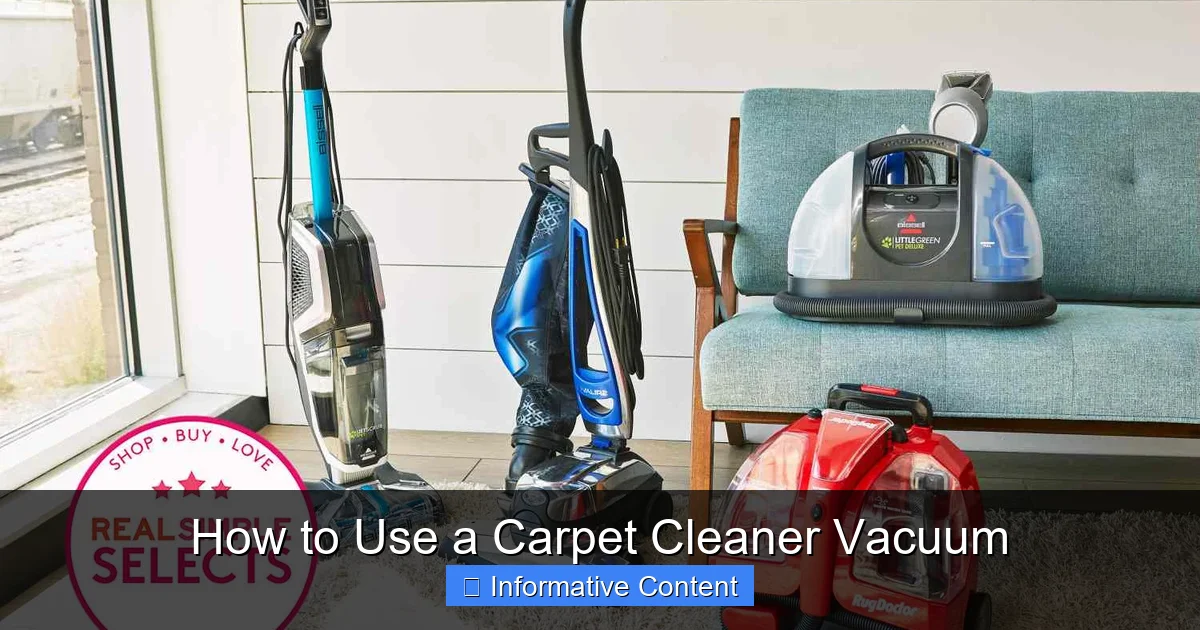
Visual guide about How to Use a Carpet Cleaner Vacuum
Image source: realsimple.com
Pre-Cleaning Tasks: Vacuum First!
Before you introduce any liquid to your carpet, you must vacuum it thoroughly with a dry vacuum cleaner. This step is non-negotiable! You need to remove all loose dirt, dust, pet hair, and debris from the surface. If you don’t, your carpet cleaner vacuum will turn that dry dirt into mud, which will simply spread around and make your cleaning less effective. Vacuum slowly, in multiple directions, and consider doing a second pass with a strong upright vacuum cleaner to ensure maximum dry debris removal.
Moving Furniture and Obstacles
To ensure a comprehensive clean, move as much furniture as possible out of the room you’re cleaning. If you can’t move heavy items, place plastic wrap or aluminum foil under their feet to prevent rust stains or water damage to the furniture legs. Clear away any small rugs, toys, or other items that might get in the way of your carpet cleaner vacuum.
Spot Treatment for Stubborn Stains
If you have particularly stubborn or old stains, pre-treating them will significantly improve your results. Apply a specialized carpet stain remover directly to the stain a few minutes before you start with your carpet cleaner vacuum. Gently blot the stain, but avoid rubbing aggressively, which can spread it or damage carpet fibers. Ensure the pre-treatment is safe for your carpet type and won’t bleach or discolor it.
Safety First!
Always read your carpet cleaner vacuum’s manual for specific safety instructions. Ensure the area is well-ventilated, especially if you’re using strong cleaning solutions. Keep children and pets away from the cleaning area while the machine is in use and while the carpet is drying. Be mindful of power cords and electrical outlets, avoiding any contact with water.
The Step-by-Step Cleaning Process
Now that your carpet is prepped and your machine is ready, let’s get down to the business of how to use a carpet cleaner vacuum for a truly deep clean.
Filling the Tanks
Locate your clean water tank. Most carpet cleaner vacuums have clear markings for how much water to add and where to add the cleaning solution. Follow these instructions precisely. Typically, you’ll fill the tank with hot (but not boiling) tap water, then add the recommended amount of carpet cleaning solution. Avoid overfilling. Securely close the tank and place it back into the machine.
Making Your First Pass: The Wet Pass
Start in a corner of the room furthest from the exit, working your way backward so you don’t walk on your freshly cleaned carpet. Hold down the trigger on your carpet cleaner vacuum to dispense the cleaning solution as you push the machine slowly forward. This is your “wet pass” or “wash pass.” Overlap each pass by about an inch to ensure even coverage. The key here is to move slowly. This gives the brushes time to agitate the fibers and the solution time to penetrate and break down dirt. Don’t rush!
Extracting Dirty Water: The Dry Pass
Once you’ve made a wet pass pushing forward, release the trigger and pull the carpet cleaner vacuum slowly backward over the same area. This is your “dry pass” or “rinse pass.” The powerful suction of the machine will now extract the dirty water from the carpet fibers. Again, move slowly to allow maximum extraction. You’ll likely see the dirty water filling up your recovery tank – a satisfying sign that it’s working!
Repeating as Needed
For heavily soiled areas, or if your dirty water tank is particularly murky, you might need to perform multiple wet and dry passes. You can also do an extra “rinse pass” with just clean water (no solution) in the tank to ensure all cleaning solution residue is removed. This is especially good for preventing residue buildup that can attract dirt later. Keep an eye on your dirty water tank; when it looks significantly clearer, you know you’ve done a good job.
Emptying and Refilling Tanks
When your clean water tank runs dry, or your dirty water tank fills up, you’ll need to empty and refill them. Always empty the dirty water tank immediately to prevent spills and odors. Rinse it out thoroughly before replacing it. Refill the clean water tank with fresh hot water and solution as needed.
Tips for Optimal Results and Common Pitfalls
Using a carpet cleaner vacuum effectively means more than just pushing it around. These tips will help you achieve the best clean and avoid common mistakes.
Don’t Over-Wet Your Carpet
This is one of the most common errors. Applying too much water without adequate extraction can lead to mold and mildew growth, long drying times, and even damage to your subflooring. Focus on thorough extraction passes. If you see excessive suds, you might be using too much solution or the wrong type.
Work in Manageable Sections
Instead of trying to clean an entire room at once, break it down into smaller, manageable sections. This makes the task less daunting and allows you to focus on each area effectively. Once a section is clean, move to the next, always ensuring you have a clear path to exit the room without stepping on damp areas.
Dealing with Different Carpet Types
Most carpet cleaner vacuums are safe for synthetic carpets. However, be cautious with delicate or natural fiber carpets (like wool or silk). Always test a small, inconspicuous area first to check for colorfastness and any adverse reactions. For shag carpets, you might need to make extra passes in different directions to ensure the long fibers are thoroughly cleaned.
Troubleshooting Common Issues
- Streaks: Often caused by over-wetting, insufficient dirty water extraction, or using too much cleaning solution. Try an extra rinse pass with just water.
- Poor Suction: Check if the dirty water tank is full, the lid is properly sealed, or if the suction nozzle is clogged. Clean out any debris.
- Machine Not Spraying: Ensure the clean water tank is full and correctly seated. Check for clogs in the spray nozzle or if the trigger mechanism is working correctly.
Post-Cleaning Care and Maintenance
You’ve done the hard work, but the job isn’t quite finished. Proper post-cleaning care for your carpets and your carpet cleaner vacuum is essential for lasting results and machine longevity.
Emptying and Rinsing Tanks Immediately
As soon as you finish cleaning, empty both the dirty and clean water tanks. Rinse them thoroughly with clean water to prevent residue buildup, mold, mildew, and unpleasant odors. Leaving dirty water in the tank can lead to a very smelly machine over time.
Cleaning the Machine Itself
Don’t forget to clean the working parts of your carpet cleaner vacuum. Remove and rinse the brush rolls (if removable). Clean any hair or debris wrapped around them. Wipe down the suction nozzle and any other parts that came into contact with dirty water. Many machines have removable parts for easier cleaning. Refer to your manual.
Drying the Carpet: Crucial for Preventing Issues
After cleaning, your carpet will be damp. The goal is to dry it as quickly as possible to prevent mold, mildew, and re-soiling. Here’s how:
- Ventilation: Open windows and doors to allow fresh air to circulate.
- Fans: Use floor fans or ceiling fans to help speed up the drying process.
- Dehumidifier: If you live in a humid climate, a dehumidifier can be a huge help.
- Avoid Walking: Try to avoid walking on the damp carpet for at least 4-6 hours, or until it’s completely dry. Walking on wet carpet can transfer dirt from your shoes and re-soil the fibers.
Storing Your Carpet Cleaner Vacuum
Once all the components are completely dry, reassemble your carpet cleaner vacuum. Store it in a clean, dry place away from extreme temperatures. Proper storage will help ensure your machine is ready for its next deep cleaning mission.
Conclusion
Using a carpet cleaner vacuum might seem like a daunting task at first, but with the right approach, it’s a straightforward and incredibly rewarding process. By following these steps – from careful preparation and understanding your machine to executing proper cleaning techniques and thorough post-use maintenance – you can transform your carpets from dingy to dazzling.
Regular deep cleaning with your carpet cleaner vacuum not only revitalizes their appearance but also helps remove allergens, extends the life of your carpets, and creates a healthier, happier living environment for you and your family. So, next time your carpets are looking a little sad, don’t despair. Grab your carpet cleaner vacuum, apply these tips, and enjoy the satisfaction of a truly clean home!
Frequently Asked Questions
Is it necessary to vacuum before using a carpet cleaner vacuum?
Absolutely yes! Thoroughly dry vacuuming your carpets beforehand is crucial. This removes loose dirt, dust, and debris, preventing it from turning into mud when wet and potentially clogging your carpet cleaner vacuum or spreading grime.
How long does it take for carpets to dry after using a carpet cleaner vacuum?
Drying time typically ranges from 4 to 12 hours, depending on factors like carpet thickness, humidity levels, and ventilation. You can speed up the process by opening windows, using fans, and running a dehumidifier.
Can I use just water in my carpet cleaner vacuum without solution?
Yes, you can use just water for a rinse cycle after applying solution or for a light refresh. Using plain water helps remove any leftover cleaning solution residue, which can otherwise attract new dirt over time.
What type of cleaning solution should I use?
Always use cleaning solutions specifically formulated for your carpet cleaner vacuum model and carpet type. Refer to your machine’s user manual for recommendations, as using incompatible solutions can damage your machine or leave sticky residues on your carpet.
What if my carpet cleaner vacuum has an attachment for upholstery?
If your carpet cleaner vacuum comes with an upholstery attachment, you can absolutely use it to clean fabric furniture. Always test on an inconspicuous area first, just as you would with carpet, to ensure colorfastness and prevent water damage.
How can I prevent mold or mildew after cleaning my carpets?
The best way to prevent mold and mildew is to ensure your carpets dry completely and quickly. Use proper extraction techniques to remove as much moisture as possible, and then promote excellent ventilation with open windows, fans, and potentially a dehumidifier until the carpet is bone dry.