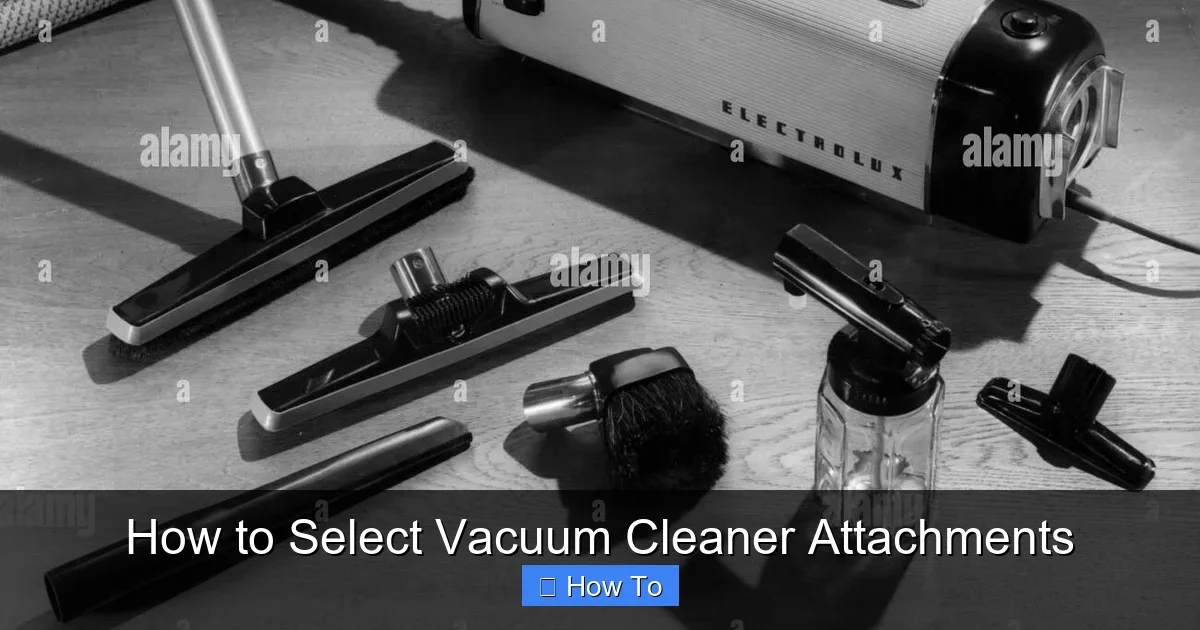
Featured image for How to Select Vacuum Cleaner Attachments
Image source: c8.alamy.com
Selecting the right vacuum cleaner attachments can transform your cleaning routine, making it faster and more efficient. This guide walks you through compatibility checks, types of tools, and key features to consider. Boost your vacuum’s power today with expert advice tailored for every home.
How to Select Vacuum Cleaner Attachments
Hey there, fellow clean freak! Ever stared at your vacuum cleaner and wished it could tackle every mess in your home? You’re not alone. Vacuum cleaner attachments are the secret weapons that turn a basic vacuum into a cleaning powerhouse. In this guide, you’ll learn how to select vacuum cleaner attachments that fit your machine, match your needs, and last for years.
We’ll cover everything step by step. From checking compatibility to picking the best types for your floors, pets, or car. By the end, you’ll confidently choose vacuum cleaner attachments that save time and elbow grease. Let’s dive in!
Key Takeaways
- Check compatibility first: Match attachments to your vacuum’s hose size and brand for seamless fit.
- Match needs to tools: Choose crevice tools for tight spaces, brushes for upholstery, and turbo heads for carpets.
- Prioritize durability: Opt for metal parts over plastic for long-lasting vacuum cleaner attachments.
- Look for features: Motorized brushes and LED lights enhance performance on pet hair and dark corners.
- Read reviews: Real user feedback helps avoid poor-quality vacuum cleaner attachments.
- Budget wisely: Universal kits offer value without sacrificing quality.
Quick Answers to Common Questions
Universal or brand-specific?
Universal fits most but brand ones seal better for max suction.
Pet hair woes?
Choose rubberized pet tools—they grab fur without brushes clogging.
Hard floors scratch easily?
Pick felt-bottom or soft-bristle vacuum cleaner attachments.
Budget tight?
Start with a $30 basic kit; add tools later.
Can’t test in store?
Buy from places with free returns like Amazon.
Step 1: Determine Your Vacuum’s Compatibility
The first rule of selecting vacuum cleaner attachments? They must fit your vacuum. Nothing’s worse than buying a cool tool that doesn’t connect.
Find Your Vacuum Model
Grab your user manual or check the base of your vacuum. Note the brand and model number, like Dyson V11 or Shark Navigator. Brands often make proprietary vacuum cleaner attachments. For example, Dyson vacuum cleaner attachments have unique click-fit systems.
Measure Hose Diameter
Use a ruler to measure your hose opening. Common sizes are 1.25 inches, 1.5 inches, or 2 inches. Universal vacuum cleaner attachments often include adapters. Test fit if shopping in-store.
Check Connection Type
Some vacuums use twist-lock, push-on, or bayonet fittings. Look for “universal fit” labels on vacuum cleaner attachments. Pro tip: Stick to your brand for best suction power.
Practical example: If you have a Bissell, search for Bissell-specific kits. This ensures no air leaks.
Step 2: Identify Your Cleaning Needs
Not all homes are the same. Think about what you clean most. This guides your vacuum cleaner attachments choice.
Visual guide about How to Select Vacuum Cleaner Attachments
Image source: glutton.com
Assess Floor Types
- Hard floors: Need soft-bristle brushes to avoid scratches.
- Carpets: Go for beater bar or turbo brushes for deep cleaning.
- Mixed surfaces: Multi-surface heads switch easily.
Consider Special Tasks
Got pets? Pick pet hair tools with rubber bristles. Cleaning stairs or cars? Crevice tools shine here. Upholstery? Wide nozzles prevent fabric damage.
Example: Families with shedding dogs love motorized pet groomer attachments. They grab fur without tangling.
Factor in Home Size
Big house? Lightweight, extendable vacuum cleaner attachments reduce fatigue. Apartments? Compact kits suffice.
Tip: Make a list. Jot down “kitchen counters, car seats, curtains.” This narrows options fast.
Step 3: Understand Common Vacuum Cleaner Attachments
Knowing types helps you select vacuum cleaner attachments wisely. Here’s a rundown of must-haves.
Basic Tools
- Crevice Tool: Slim for corners, baseboards, and car vents. Essential for every kit.
- Dusting Brush: Soft bristles for shelves, blinds, and keyboards. Horsehair works best.
- Upholstery Tool: Wide mouth for sofas and mattresses. Look for removable lint screen.
Advanced Vacuum Cleaner Attachments
- Turbo Brush: Air-powered roller for rugs and stairs. Great for pet hair.
- Motorized Powerhead: Electric brush for thick carpets. Boosts suction.
- Pet Tool: Rubber fins lift fur from fabrics.
- Hard Floor Tool: Felt strips glide on tile without swirling debris.
For brand fans, Bissell shines with upholstery tools. Check how to use Bissell vacuum cleaner features for attachment ideas.
Universal vs. Brand-Specific
Universal vacuum cleaner attachments save money but may lack power. Brand ones, like Shark’s, fit perfectly. Weigh cost vs. performance.
Step 4: Evaluate Material and Durability
Cheap plastic breaks fast. Invest in quality vacuum cleaner attachments.
Choose Sturdy Materials
- Plastic: Lightweight but cracks easily.
- Metal Wands: Bend-resistant for heavy use.
- Rubber Seals: Prevent suction loss.
Check Brush Quality
Nylon bristles wear out. Opt for static-dissipating ones for dust. Replaceable parts extend life.
Example: A metal crevice tool lasts years on cars. Plastic ones snap on tough jobs.
Tip: Feel the weight. Heavier often means durable vacuum cleaner attachments.
Step 5: Look for Special Features
Modern vacuum cleaner attachments pack extras. These make cleaning fun.
Enhance Performance
- LED Lights: Spot hidden dirt in corners.
- Self-Cleaning Rollers: No hair wrap-ups.
- Adjustable Suction: Gentle on delicates.
Ergonomic Designs
Swivel heads maneuver easily. Flexible hoses reach high spots.
For overall vacuum tips, see how do I choose a vacuum cleaner to pair with great attachments.
Example: Dyson’s Fluffy cleaner head floats over hard floors. Game-changer!
Step 6: Set a Budget and Compare Prices
Vacuum cleaner attachments range from $10 tools to $100 kits.
Budget Breakdown
- Basic Kit: $20-50. Covers essentials.
- Premium Set: $80+. Includes motorized heads.
- Single Tool: $5-30. Buy as needed.
Where to Shop
Amazon for deals. Walmart for in-store tests. Manufacturer sites for OEM vacuum cleaner attachments.
Tip: Watch for bundles. Often cheaper than singles.
Step 7: Read Reviews and Test if Possible
Don’t guess. Reviews reveal truths.
Scan User Feedback
Look for “fits my Shark perfectly” or “bristles fell off week two.” Star ratings over 4.2 are solid.
Test in Store
Attach to your hose. Feel suction. Check swivel.
Warranty? Aim for 1-2 years on vacuum cleaner attachments.
Troubleshooting Common Issues When Selecting Vacuum Cleaner Attachments
Problems pop up. Here’s how to fix.
No Fit or Leaks
Wrong size? Use adapters. Still leaks? Check seals. See how to unclog a vacuum cleaner for related suction tips.
Poor Performance
Clean filters first. Wrong tool for job? Swap it.
Quick Wear
Upgrade materials. Store properly to avoid damage.
Tip: Label attachments for quick grabs.
Conclusion
There you have it! Selecting vacuum cleaner attachments is simple with these steps. Start with compatibility, match your needs, and pick durable ones with cool features. Your home will sparkle, and your vacuum will thank you.
Grab that perfect set today. Happy cleaning! Questions? Drop them below.
(Word count: 1628)
🎥 Related Video: Vacuum cleaner buying mistakes to avoid
📺 The Grapevine