
Learning how to fix a vacuum cleaner hose is often a straightforward process that can save you from replacing your entire vacuum. This guide will walk you through identifying common hose problems, ensuring your safety, and applying practical, step-by-step repair techniques for punctures, cracks, disconnections, and clogs, helping you restore your vacuum’s performance with confidence.
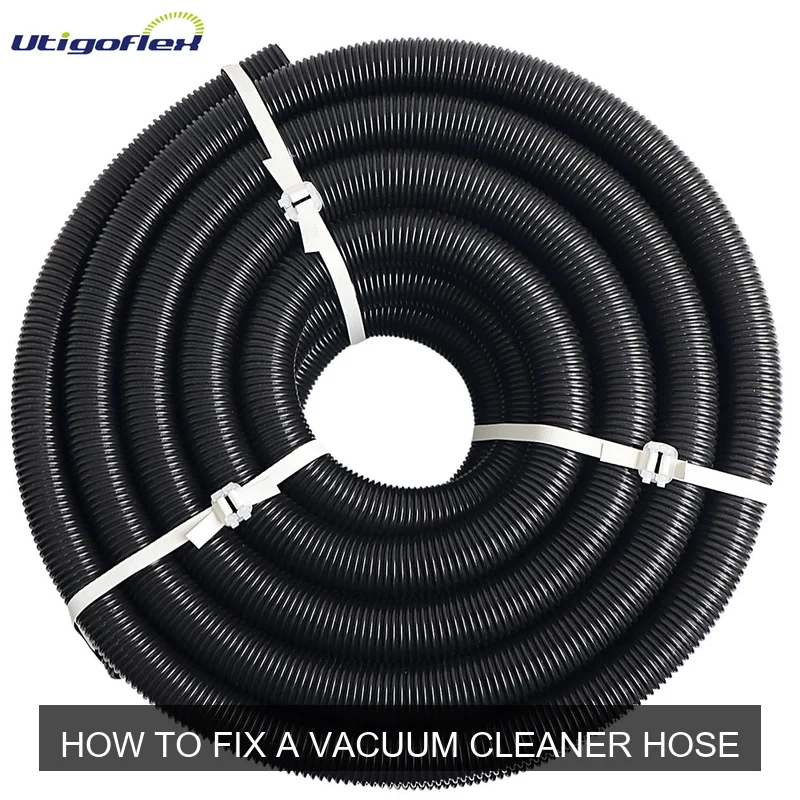
Image source: Utigoflex
📋 Table of Contents
- 🔹 How to Fix a Vacuum Cleaner Hose: A Quick Look
- 🔹 Introduction to Vacuum Hose Repair
- 🔹 Understanding Your Vacuum Hose: Types of Damage
- 🔹 Safety First: Before You Begin Any Repairs
- 🔹 How to Fix a Vacuum Cleaner Hose: A Step-by-Step Guide
- 🔹 Why Fixing Your Vacuum Hose Matters
- 🔹 Common Mistakes to Avoid When Repairing Your Hose
- 🔹 Practical Tips for Maintaining Your Vacuum Hose
- 🔹 When to Consider Professional Help or Replacement
- 🔹 Frequently Asked Questions (FAQ)
- 🔹 Conclusion
How to Fix a Vacuum Cleaner Hose: A Quick Look
To fix a vacuum cleaner hose, you first need to identify the specific type of damage. Minor punctures can often be sealed with strong, airtight tape, while larger cracks or splits might require a specialized hose repair sleeve. If the hose has come disconnected from an end fitting, it often just needs to be twisted or clipped back into place. For blockages, a flexible tool or strong suction can help clear the obstruction and restore proper airflow.
Introduction to Vacuum Hose Repair
Having a vacuum cleaner is super handy for keeping our homes clean. But what happens when that essential part, the hose, stops working right? Maybe it has a tear, a split, or it is completely clogged. Suddenly, your powerful cleaning tool feels pretty useless. Don’t worry, a damaged vacuum cleaner hose doesn’t always mean it’s time for a new vacuum. Often, you can fix it yourself!
This guide is here to help you understand how to fix a vacuum cleaner hose. We’ll cover everything from figuring out what’s wrong to the step-by-step repairs you can do at home. By the end, you will feel confident tackling these common vacuum problems and getting your cleaner back to full power. Let’s dive in!
Understanding Your Vacuum Hose: Types of Damage
Before you can fix something, you need to know what’s broken. Vacuum hoses can suffer from a few different kinds of damage. Knowing what you’re looking for makes the repair process much easier.
- Minor Punctures or Small Tears: These are often caused by sharp objects picked up during cleaning, or by the hose rubbing against something abrasive. You might notice a whistling sound or a loss of suction around the hole.
- Cracks or Splits in Flexible Sections: Over time, the flexible material of the hose can become brittle, especially if it’s regularly bent sharply or exposed to extreme temperatures. This leads to cracks or long splits, often in the ribbed parts of the hose.
- Disconnected Hose Ends: The hose might detach from the wand, the main vacuum body, or an attachment. This could be due to a loose connection, a broken clip, or simply pulling too hard.
- Blockages or Clogs: This isn’t damage to the hose itself, but rather something stuck inside it. Pet hair, large debris, socks, or even small toys can get lodged, severely reducing or completely stopping suction.
Carefully inspect your hose along its entire length, from where it connects to the vacuum all the way to the attachment end. Bend it gently to look for hidden cracks and feel for any weak spots. This careful inspection is the first crucial step in learning how to fix a vacuum cleaner hose.
Safety First: Before You Begin Any Repairs
Whenever you’re working with appliances, safety is super important. A vacuum cleaner, even when it’s just sitting there, has electrical components. So, always keep these things in mind before you start any repair work:
- Unplug the Vacuum: This is the most critical step. Always, always, always unplug your vacuum cleaner from the wall socket before you touch anything. This prevents accidental power-ups and electric shock.
- Empty the Dust Bin/Bag: It’s a good idea to empty the vacuum’s dust bin or replace the bag. This makes the vacuum lighter to move and helps you see if any debris from the hose ends up in the collection area.
- Wear Gloves (Optional, but Recommended): If you’re dealing with sharp edges or potentially dirty clogs, a pair of work gloves can protect your hands.
- Work in a Well-Lit Area: Make sure you have good lighting so you can clearly see the damage and work comfortably without straining your eyes.
Taking these simple precautions ensures your safety and makes the repair process much smoother.
How to Fix a Vacuum Cleaner Hose: A Step-by-Step Guide
Now that you know what kind of damage you’re dealing with and you’ve taken the necessary safety steps, let’s get into the practical repairs. We’ll go through each type of hose problem with clear, easy-to-follow instructions.
Fixing Minor Punctures and Small Tears
Small holes or slits are common and often the easiest to fix. The goal is to create an airtight seal.
- Clean the Area: Make sure the area around the puncture is clean and dry. Use a damp cloth if needed, then let it air dry completely. Dirt and dust will prevent your repair from sticking well.
- Apply Strong Tape:
- Cut a piece of strong, durable tape like electrical tape, duct tape, or specialized hose repair tape. Make sure it’s wide enough to cover the hole and extend a bit beyond it.
- Wrap the tape tightly around the hose, covering the hole. For best results, wrap it several times, overlapping each layer. Try to create a smooth, airtight seal.
- Consider a Patch Kit: Some hardware stores offer flexible patch kits designed for rubber or plastic. These usually involve an adhesive patch that you apply over the hole, often with a curing time. Follow the product’s instructions carefully for the best bond.
- Test for Air Leaks: Once the repair is done, reattach the hose to the vacuum (still unplugged!). Use your hand to block one end and feel for any air escaping near your repair. If you feel air, add more tape or reapply the patch.
This method is great for quick fixes and small damages. It helps you quickly get back to knowing how to fix a vacuum cleaner hose effectively.
Repairing Cracks or Splits in Flexible Sections
Longer cracks or splits, especially in the ribbed, flexible parts of the hose, need a more robust solution than just tape.
- Prepare the Area: As with punctures, clean and dry the cracked area thoroughly.
- Trim Damaged Edges (If Necessary): If the edges of the crack are frayed or uneven, you might need to carefully trim them with sharp scissors to create a cleaner surface for repair. Be careful not to make the crack larger.
- Use a Hose Repair Sleeve or Coupling:
- These are specialized parts designed to join two sections of a hose or cover a damaged section. You’ll need to find one that matches the diameter of your vacuum hose.
- If a coupling: You might need to cut out the damaged section of the hose entirely. Then, slide the coupling into one end of the cut hose and secure it with clamps (usually provided or sold separately). Slide the other end of the hose onto the coupling and secure it.
- If a sleeve: These are often flexible tubes that slide over the damaged area. Apply a strong, flexible adhesive to the inside of the sleeve and around the damaged hose, then slide the sleeve into place. Ensure a tight, even seal.
- Reinforce with Tape (Optional): Even with a sleeve or coupling, adding a few layers of strong tape over the repair can provide extra reinforcement and ensure an airtight seal.
- Allow Curing Time: If you used adhesive, give it ample time to cure completely before using the vacuum. Check the product instructions for specific drying times.
This approach gives a more permanent fix for significant damage. It’s a key part of how to fix a vacuum cleaner hose when the problem is more severe.
Reattaching Disconnected Hose Ends
Sometimes the hose itself is fine, but it’s just come loose from its fitting.
- Inspect the Connection Point: Look closely at where the hose disconnected.
- Is it a screw-on connection?
- Does it have clips or a locking mechanism?
- Is there a collar that needs to be twisted or pushed into place?
- Realign and Reconnect:
- For screw-on connections, carefully align the hose end with the fitting and twist clockwise until it’s secure. Be gentle to avoid cross-threading.
- For clip-on or locking mechanisms, align the hose and push firmly until you hear a click or feel it lock into place.
- Some hoses simply push into a tapered opening. Apply firm, even pressure to push it back on as far as it will go.
- Check for Damage to the Fitting: If the hose keeps coming off, inspect the fitting itself. Are any plastic tabs broken? Is the threading stripped? If the fitting is damaged, you might need to replace just the end fitting, if parts are available for your vacuum model.
Often, this is a very simple fix, and knowing how your specific vacuum’s hose connects is a big help.
Clearing Blockages and Clogs
A clog isn’t hose damage, but it definitely stops your vacuum from working. Getting rid of it is crucial for how to fix a vacuum cleaner hose’s functionality.
- Disconnect the Hose: Remove the hose from both the vacuum body and any attachments. This lets you inspect and manipulate it more easily.
- Visual Inspection: Hold the hose up to a light source. Can you see the blockage? Often, you can spot darker areas or dense clumps.
- Use a Straight Object:
- Carefully push a long, rigid, but flexible object through the hose. A broom handle (if it fits without damaging the hose), a plumbing snake, or a long piece of wire can work.
- Push from both ends if possible, trying to dislodge the clog. Be gentle to avoid puncturing the hose.
- Break Up the Clog: Once you feel the object hit the clog, try to gently push and twist to break it up and push it through.
- Reverse Suction (If Applicable): Some vacuums have a reverse suction or blow function. If yours does, connect the hose to the exhaust port and turn it on to try to blow the clog out. Be prepared for debris to come flying out!
- Flush with Water (Only for Certain Hoses): Only do this if your hose is specifically designed to be washable and doesn’t contain any electrical wiring. If it’s safe, you can run water through the hose (preferably warm) to help dislodge stubborn clogs. Make sure to let it air dry completely for at least 24-48 hours before reattaching it to prevent mold or damage to the vacuum.
- Test Suction: Once you believe the clog is clear, reconnect the hose and test the vacuum’s suction. You should feel a strong pull at the end of the hose.
Patience is key when clearing clogs. Don’t force anything too hard, or you risk creating new damage to the hose.
Why Fixing Your Vacuum Hose Matters
You might be thinking, “Is it really worth the effort to fix a vacuum cleaner hose?” The answer is often a resounding yes! Here’s why:
- Restores Suction Power: The most obvious benefit is getting your vacuum’s cleaning power back. A leaky or clogged hose drastically reduces suction, making your vacuum ineffective. Fixing it means it cleans like new again.
- Saves Money: Replacing an entire vacuum cleaner or even just a new hose can be expensive. A simple repair is almost always much cheaper than buying new parts or a whole new unit.
- Extends Appliance Lifespan: By repairing small issues, you prevent them from becoming bigger, more damaging problems. This helps your vacuum last longer overall.
- Environmentally Friendly: Repairing items instead of replacing them reduces waste. It’s a small but meaningful way to contribute to less landfill use.
- Convenience: You avoid the hassle of shopping for a new vacuum and learning how to use it. You can get back to cleaning quickly.
- Personal Satisfaction: There’s a real sense of accomplishment in fixing something yourself. It builds your confidence in tackling other household repairs too!
Knowing how to fix a vacuum cleaner hose isn’t just about utility; it’s about smart resource management and self-reliance.
Common Mistakes to Avoid When Repairing Your Hose
While fixing your vacuum hose is pretty straightforward, there are a few missteps that can make things harder or even cause more damage. Let’s look at what to avoid:
- Forgetting to Unplug: This is mistake number one and a safety hazard. Always, always unplug the vacuum before you start.
- Using the Wrong Tape: Standard office tape won’t cut it. You need strong, airtight tape like electrical, duct, or specialized hose repair tape. Anything less will just peel off and let air escape.
- Not Cleaning the Surface: Trying to tape or patch a dirty, dusty, or greasy surface means your repair won’t stick properly. Always clean and dry the area first.
- Forcing a Clog: Pushing too hard on a stubborn clog can puncture or split the hose, turning a clog problem into a repair problem. Be patient and use appropriate tools gently.
- Using Metal Objects for Clogs: Sharp metal objects can easily cut or scratch the inside of your hose, creating new leaks. Stick to flexible, blunt tools like a plumbing snake, broom handle, or specialized clog removers.
- Ignoring Small Leaks: Even a tiny pinhole can lead to a noticeable drop in suction. Don’t dismiss small issues; fix them before they grow.
- Not Testing the Repair: After any fix, always test the hose for airtightness and proper suction before putting the vacuum fully back into service.
- Getting the Hose Wet (When Not Designed For It): If your hose contains electrical wires (common in powerhead hoses) or isn’t explicitly designed to be washable, avoid flushing it with water. This can cause electrical damage or mold growth.
By sidestepping these common errors, your attempt at how to fix a vacuum cleaner hose will be much more successful.
Practical Tips for Maintaining Your Vacuum Hose
Preventing damage is always better than repairing it. Here are some simple tips to keep your vacuum hose in top shape and avoid needing repairs in the future:
- Don’t Overstretch: Avoid pulling the vacuum by the hose or stretching it to its absolute maximum length. This puts undue strain on the material and connections.
- Handle with Care: Be gentle when bending or coiling the hose. Sharp kinks can lead to cracks over time.
- Avoid Picking Up Large Objects: Try not to vacuum up large debris, sharp objects, or anything that could get lodged or puncture the hose. Always do a quick visual check of the area you’re about to clean.
- Regularly Check for Clogs: If you notice a drop in suction, check for clogs immediately, especially if you have pets. Clearing them quickly prevents them from becoming harder to remove.
- Store Properly: When not in use, coil the hose loosely and store it in a way that avoids sharp bends or compression under other objects.
- Inspect Periodically: Every few months, take a minute to visually inspect the hose for any early signs of wear, small punctures, or loose connections. Catching issues early makes them easier to fix.
- Clean When Needed: If your hose gets dirty on the inside (e.g., from vacuuming up fine dust or pet dander), clean it according to your vacuum’s instructions. Some hoses can be rinsed; others need to be wiped.
These simple habits will drastically extend the life of your hose and reduce the frequency of needing to learn how to fix a vacuum cleaner hose.
When to Consider Professional Help or Replacement
While fixing a vacuum cleaner hose is often DIY-friendly, there are times when it might be better to seek professional help or consider a full replacement. This isn’t about promoting new products, but rather understanding when a repair might not be the most practical or cost-effective solution in the long run.
- Extensive Damage: If your hose has multiple large tears, significant crumbling, or very long splits that affect a large section, a simple repair might not hold up. Trying to patch too many areas can lead to poor suction and continued frustration.
- Internal Wiring: Some advanced vacuum hoses, especially those connected to powerheads, contain electrical wiring inside. If this wiring is damaged, attempting DIY repair can be dangerous and is usually best left to a professional.
- Age and Overall Condition: If your vacuum is very old and the hose is just one of many components showing significant wear and tear, investing in a new hose might not extend the life of the entire unit meaningfully.
- Non-Repairable Fittings: If the plastic fittings at either end of the hose are broken in a way that cannot be reattached or replaced, and the hose itself is integrated into these fittings, you might need a new hose assembly.
- Cost vs. Effort: Sometimes, after weighing the time, effort, and potential cost of repair materials against the cost of a new hose (if available for your model), a replacement might simply be the more practical choice for severe, widespread damage.
The goal is always to restore function efficiently. If a repair seems like a temporary bandage on a fundamentally compromised hose, exploring a replacement hose might be the next logical step.
Frequently Asked Questions (FAQ)
What causes vacuum cleaner hoses to break?
Vacuum cleaner hoses often break due to common wear and tear. This includes repeatedly bending the hose sharply, dragging it around corners, or running over it with the vacuum itself. Picking up sharp objects, letting clogs form and solidify, or simply the natural aging and embrittlement of the plastic material over time can also lead to cracks, splits, or punctures.
Can I use tape to fix a vacuum hose?
Yes, you can often use tape to fix minor punctures and small tears in a vacuum hose. For best results, choose strong, airtight tapes like electrical tape, duct tape, or specialized silicone hose repair tape. Make sure the area is clean and dry before applying, and wrap the tape tightly in several overlapping layers to create a good seal. This method is usually effective for small, isolated damages.
How often should I check my vacuum hose for damage?
It’s a good idea to visually inspect your vacuum hose periodically, perhaps every few months or whenever you notice a slight decrease in suction. If you use your vacuum frequently or for heavy-duty cleaning, checking it more often (e.g., once a month) can help catch small issues before they become bigger problems. This proactive approach is a key part of how to fix a vacuum cleaner hose effectively over its lifespan.
Is it worth fixing an old vacuum hose?
Generally, yes, it’s often worth fixing an old vacuum hose, especially if the vacuum itself is still working well. Repairing a hose is usually much cheaper and more environmentally friendly than buying a brand-new vacuum or even a replacement hose. However, if the hose is severely brittle, crumbling in multiple places, or has extensive damage, the repair might not hold, and a new hose might be a more practical long-term solution.
What tools do I need to fix a vacuum hose?
The tools you’ll need depend on the type of repair. For most common issues, you’ll want:
- Strong tape (electrical, duct, or specialized repair tape) for punctures.
- Scissors or a utility knife for trimming frayed edges or cutting out damaged sections.
- A long, flexible, blunt object (like a broom handle, plumbing snake, or stiff wire) for clearing clogs.
- Gloves for protection.
- Hose repair sleeves or couplings (if dealing with larger cracks or splits that require cutting the hose).
- A screwdriver (for some hose connections or clamps).
Conclusion
Don’t let a damaged hose bring your cleaning routine to a halt. Learning how to fix a vacuum cleaner hose is a practical skill that can save you time, money, and hassle. From patching small punctures with tape to reattaching a disconnected end or clearing a stubborn clog, most hose problems are quite manageable with a little patience and the right approach.
Remember to always prioritize safety by unplugging your vacuum before starting any work. With the step-by-step guidance provided, you’re now equipped to diagnose common issues and apply effective repairs. By taking a few moments for maintenance and knowing when to tackle a fix yourself, you can keep your vacuum cleaner running smoothly and efficiently for years to come. Happy cleaning!