
Cleaning your aquarium gravel is essential for a healthy tank, and the Aqueon Siphon Vacuum Gravel Cleaner makes it incredibly simple. This guide walks you through every step, from proper setup and initiating the siphon to effective gravel cleaning techniques and maintenance tips. You’ll learn how to remove fish waste and debris safely, ensuring a pristine environment for your aquatic friends while performing crucial water changes. Get ready to make tank cleaning a breeze!
Aqueon Siphon Vacuum Gravel Cleaner How to Use
Keeping an aquarium isn’t just about admiring beautiful fish and plants; it’s also about maintaining a healthy, stable environment for your aquatic companions. One of the most critical aspects of this care routine is regular gravel cleaning. Over time, uneaten food, fish waste, and decaying plant matter accumulate in your aquarium substrate, leading to a build-up of harmful nitrates and phosphates. This detritus can pollute the water, stress your fish, and even lead to disease if left unchecked. That’s where a reliable tool like the Aqueon Siphon Vacuum Gravel Cleaner comes in handy.
The Aqueon Siphon Vacuum Gravel Cleaner is an indispensable tool for any aquarium enthusiast, from beginners to seasoned hobbyists. It simplifies the often-dreaded task of cleaning your tank’s substrate while simultaneously performing essential water changes. This powerful yet gentle device uses the magic of siphoning to draw out dirty water and debris from the gravel, leaving your tank cleaner and healthier. But like any tool, knowing how to use it properly is key to unlocking its full potential and ensuring a stress-free cleaning experience for both you and your fish.
In this comprehensive guide, we’ll walk you through everything you need to know about your Aqueon Siphon Vacuum Gravel Cleaner how to use it effectively. We’ll cover preparing your tank, initiating the siphon, mastering the cleaning technique, and even troubleshooting common issues. Our goal is to empower you with the knowledge and confidence to make gravel cleaning a quick, efficient, and even enjoyable part of your regular aquarium maintenance routine. Let’s dive in and transform your tank into a pristine aquatic paradise!
Key Takeaways
- Preparation is Crucial: Gather all necessary supplies like a bucket, towels, and water conditioner before starting to ensure a smooth and stress-free cleaning process.
- Initiating the Siphon: Learn the most effective methods to start your Aqueon siphon, whether by shaking it in the tank or submerging it, to establish consistent water flow.
- Effective Gravel Cleaning Technique: Understand how to gently push the vacuum tube into the gravel without disturbing the substrate too much, allowing debris to be lifted and siphoned away efficiently.
- Monitor Water Level and Flow: Keep a close eye on the water level in your tank and the flow rate into your bucket, stopping when the desired amount of water has been removed or the bucket is full.
- Regular Maintenance is Key: Clean your Aqueon siphon vacuum gravel cleaner after each use to prevent algae and bacterial buildup, ensuring its longevity and hygienic operation.
- Troubleshooting Common Issues: Be prepared to address common problems like a stopped siphon or slow flow by checking for air leaks, blockages, or proper tube positioning.
- Integrate with Water Changes: The gravel cleaning process is naturally combined with water changes, making it an efficient way to maintain water quality and remove detritus simultaneously.
Quick Answers to Common Questions
How often should I use my Aqueon siphon vacuum gravel cleaner?
Most aquarists use their Aqueon siphon vacuum gravel cleaner once a week or every two weeks, coinciding with their regular partial water changes. The frequency depends on tank size, fish load, and feeding habits.
Can I use the Aqueon siphon vacuum gravel cleaner for sand substrates?
Yes, you can, but with caution. Gently push the vacuum tube only slightly into the sand, allowing lighter debris to be sucked up while the heavier sand falls back down. Lift the tube quickly if too much sand is being siphoned.
What if my siphon stops flowing in the middle of cleaning?
First, check if the flexible hose is kinked or if the waste bucket is too full. Next, inspect the gravel tube for any blockages. If clear, you may need to re-initiate the siphon by lifting and re-submerging the tube or using the priming method again.
Do I need to clean the entire gravel bed every time?
No, it’s generally recommended to clean about 1/2 to 2/3 of the gravel bed during each water change. This prevents excessive disruption of beneficial bacteria and allows you to target different areas over successive cleanings.
Is it safe for my fish if they get too close to the gravel cleaner?
While generally safe, avoid chasing fish with the vacuum tube to minimize stress. If a fish accidentally swims into the tube, gently lift the tube out of the water immediately to release it without harm. The suction is typically not strong enough to cause injury.
📑 Table of Contents
Understanding Your Aqueon Siphon Vacuum Gravel Cleaner
Before we get our hands wet, let’s take a moment to understand the components and purpose of your Aqueon Siphon Vacuum Gravel Cleaner. It’s a remarkably simple device, yet its effectiveness lies in its design. Knowing how each part works will help you use it more efficiently and troubleshoot any minor issues that might arise.
What is a Siphon Vacuum Gravel Cleaner?
At its core, an Aqueon siphon vacuum gravel cleaner is a tool designed to remove debris from the bottom of an aquarium. It leverages the principle of siphoning, which uses gravity to create a flow of water from a higher point (your aquarium) to a lower point (your waste bucket). As water flows through the tube, the wider intake end, often called the “vacuum tube” or “gravel tube,” is used to stir and suck up detritus from your substrate.
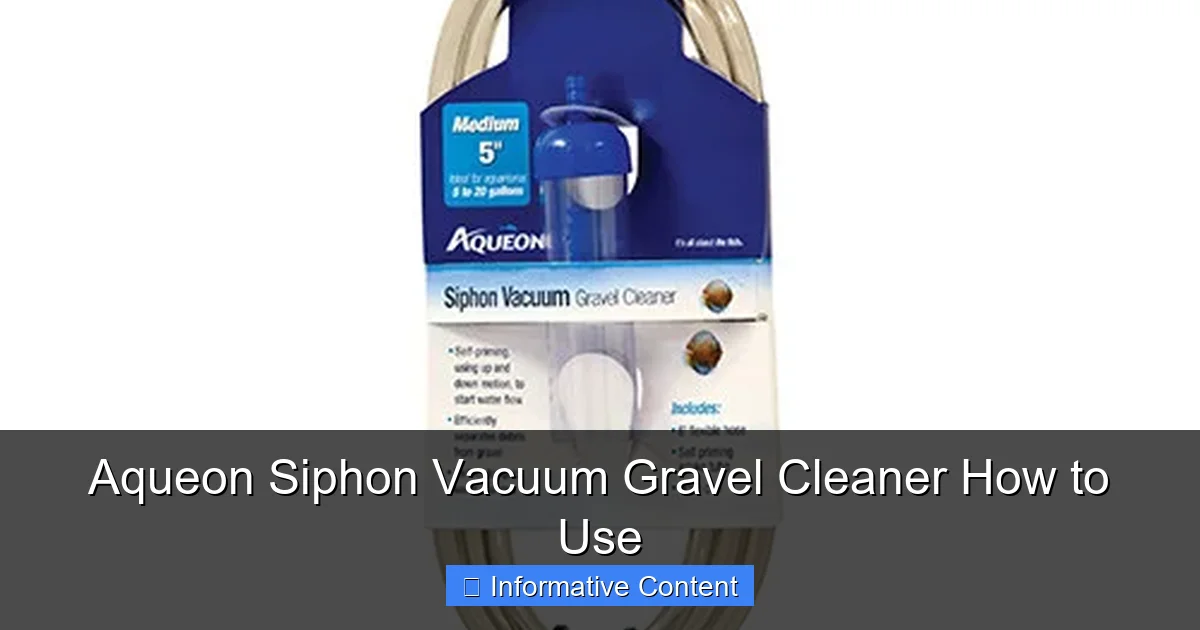
Key Components of the Aqueon Cleaner
Most Aqueon siphon vacuum gravel cleaners consist of a few main parts:
- Gravel Tube (Vacuum End): This is the rigid, wider tube that you insert into your aquarium. It’s designed to be wide enough to encompass a good amount of gravel, allowing the lighter debris to be sucked up while the heavier gravel falls back down.
- Flexible Hose: This is the long, flexible tubing that connects the gravel tube to your waste bucket. It’s what carries the dirty water out of your tank.
- Siphon Starter/Primer (Optional): Some Aqueon models, particularly the larger ones, might include a built-in primer bulb or a quick-start valve. These features simplify the process of initiating the siphon, making it even easier to get started without needing to manually suck on the hose (which we strongly advise against!).
Understanding these parts is the first step in learning your Aqueon Siphon Vacuum Gravel Cleaner how to use it for optimal results.
Getting Ready: Preparation is Key
Proper preparation is the cornerstone of any successful aquarium maintenance task. Rushing into gravel cleaning without the right setup can lead to spills, stress for your fish, or an incomplete job. Taking a few moments to gather your tools and prepare your tank will make the entire process much smoother and more efficient.
Gather Your Supplies
Before you even think about putting the Aqueon siphon vacuum gravel cleaner into your tank, make sure you have everything you need within reach. This typically includes:
- A clean bucket: Dedicated solely to aquarium use. Never use a bucket that has held household chemicals!
- Towels: For inevitable drips and spills.
- Water conditioner: To treat the new water you’ll be adding back to the tank.
- New water: Already de-chlorinated and temperature-matched to your tank.
- Optional: Algae scraper, glass cleaner for the exterior, net for stray debris.
Tank Assessment and Fish Safety
Take a moment to observe your tank. Are there any decorations or plants that might be in the way? Gently move them aside if necessary. If you have particularly skittish fish, you might want to dim the lights to reduce stress. Ensure any power filters, heaters, or air pumps are unplugged or turned off before you start to avoid damaging equipment or creating unsafe conditions. This is a vital step for the safe use of your Aqueon siphon vacuum gravel cleaner.
Determining How Much Water to Remove
Gravel cleaning is typically done during a partial water change. A general rule of thumb is to change 10-25% of your tank’s water volume weekly or bi-weekly. Knowing this percentage will help you estimate how much water you need to siphon out. For example, if you have a 20-gallon tank and plan a 25% water change, you’ll aim to remove 5 gallons. Have a marked bucket or know your bucket’s capacity to help you keep track.
The Step-by-Step Guide: How to Start and Use Your Siphon
Now for the main event! Here’s a detailed breakdown of how to properly start and operate your Aqueon Siphon Vacuum Gravel Cleaner to achieve a sparkling clean substrate. Follow these steps carefully for the best results.
1. Positioning Your Equipment
Place your empty waste bucket on the floor, *lower* than your aquarium. The greater the height difference, the stronger the siphon flow will be. Uncoil the flexible hose of your Aqueon siphon vacuum gravel cleaner and place the discharge end (the end without the gravel tube) securely into the bucket. Ensure it won’t pop out as water starts to flow.
2. Initiating the Siphon – Two Common Methods
This is often the trickiest part for beginners, but it’s quite simple once you get the hang of it.
Method A: Submerging and Draining (Most Common for Aqueon Siphons)
- Submerge the entire gravel tube and a good portion of the flexible hose into your aquarium water. You’ll see water fill the tube.
- Once the tube is full, quickly lift the gravel tube end out of the water (but keep the *discharge end* still in the bucket and lower than the tank).
- Gravity will pull the water down the flexible hose, initiating the siphon. Once water starts flowing steadily into the bucket, quickly re-submerge the gravel tube into the tank.
Method B: The Shake/Pump Start (If no primer bulb)
- Place the gravel tube end into the tank.
- Submerge the gravel tube completely and rapidly pump it up and down in the water until water begins to flow down the flexible hose into the bucket. This action helps to displace air and draw water into the hose.
Important: Never use your mouth to start a siphon. Aquarium water can contain bacteria harmful to humans.
Visual guide about Aqueon Siphon Vacuum Gravel Cleaner How to Use
Image source: d2j6dbq0eux0bg.cloudfront.net
3. Cleaning the Gravel
Once the siphon is flowing, you can begin cleaning.
- Insert the Gravel Tube: Gently push the gravel tube into the substrate. Don’t push it all the way to the bottom glass, just enough to encompass a good amount of gravel.
- Observe the Action: You’ll notice lighter debris (fish waste, uneaten food, plant detritus) getting sucked up the tube, while the heavier gravel quickly falls back down into the tank. This is the beauty of the Aqueon siphon vacuum gravel cleaner at work!
- Work in Sections: Clean a small area of gravel at a time. Lift the tube slightly, move it to an adjacent dirty spot, and re-insert it. Continue this process, systematically cleaning different sections of your tank.
- Avoid Disturbing Fish: Try not to chase your fish with the vacuum. Move slowly and deliberately. If a fish swims into the tube, gently lift the tube out of the water to release it, then restart the siphon if necessary.
- Mind the Water Level: Keep an eye on the water level in your tank and the amount of water in your waste bucket. Stop when you’ve removed the desired amount of water for your water change.
4. Stopping the Siphon
When your bucket is full or you’ve removed enough water, simply lift the gravel tube completely out of the aquarium water. The siphon will break, and the flow will stop. Ensure the flexible hose end is still in the bucket to catch any remaining drips.
Mastering the Art: Tips for Effective Gravel Cleaning
Using the Aqueon siphon vacuum gravel cleaner is straightforward, but a few advanced tips can help you achieve even better results and make the process more efficient.
Dealing with Different Substrates
- Coarse Gravel: This is the easiest to clean. You can push the tube deeper and be more vigorous.
- Fine Gravel/Sand: Be more cautious with sand. Only push the tube in slightly, just enough to agitate the top layer. Sand is lighter and can easily get sucked up. If too much sand starts to enter the tube, angle the tube slightly or lift it up a bit to let the sand fall back down before moving to the next spot.
- Planted Tanks: When cleaning around live plants, be gentle. Avoid disturbing the plant roots too much. You might need to clean less frequently or less intensely in heavily planted areas, as plants themselves help consume some nitrates. You can also use a smaller Aqueon siphon vacuum gravel cleaner for these delicate areas.
Common Mistakes to Avoid
- Over-Siphoning: Don’t try to clean the entire tank’s gravel in one go, especially if it means removing too much water. Focus on cleaning about 1/2 to 2/3 of the gravel during each water change, rotating the areas you clean.
- Being Too Vigorous: Aggressively stirring the gravel can release a lot of trapped detritus and cloud your water. Gentle, deliberate movements are best.
- Forgetting to Unplug Heaters/Filters: This is a safety hazard and can damage equipment. Always turn them off.
- Ignoring Hard-to-Reach Spots: Use the smaller end of the gravel tube or a narrower attachment (if your Aqueon siphon vacuum gravel cleaner has one) to get behind decorations or into tight corners.
Maintaining Your Siphon for Longevity
After each use, rinse your Aqueon siphon vacuum gravel cleaner thoroughly with clean water (not tap water directly, use dechlorinated water if available). This prevents algae, bacteria, and debris from drying inside the tubes, which can lead to blockages or unhygienic conditions. Store it coiled and dry in a dedicated spot. Regular maintenance ensures your gravel cleaner is always ready for its next job.
Beyond the Gravel: Siphon Vacuum Best Practices
The Aqueon siphon vacuum gravel cleaner is more than just a gravel cleaner; it’s a critical tool for overall tank health. Integrating its use with other maintenance tasks can streamline your routine and promote a thriving aquatic environment.
Coordinating with Water Changes
As established, gravel cleaning naturally goes hand-in-hand with partial water changes. The dirty water you’re removing from the tank through the siphon is exactly the water you want to replace. This dual-purpose action makes the Aqueon siphon vacuum gravel cleaner an incredibly efficient tool. Once you’ve cleaned the gravel and removed the desired amount of water, you can proceed with adding your temperature-matched, dechlorinated new water back into the tank.
When to Clean Your Filter
While the Aqueon siphon vacuum gravel cleaner handles the substrate, your filter takes care of suspended particles and beneficial bacteria. Avoid cleaning your filter media on the same day as a major gravel cleaning, especially if your filter is heavily soiled. Cleaning both simultaneously can disrupt too much of your tank’s beneficial bacterial colony, leading to a mini-cycle or ammonia spike. It’s generally best to space these tasks out by a few days.
Cleaning the Siphon Itself
We touched on this briefly, but it’s worth reiterating. After you’ve finished cleaning your tank, give your Aqueon siphon vacuum gravel cleaner a good rinse. If you notice any stubborn algae buildup inside the tubing, you can use a long, flexible brush (like a filter brush) to scrub it clean. Disinfecting with a mild bleach solution (then rinsing *extremely* thoroughly with dechlorinated water) can be done periodically if you suspect bacterial contamination, but for routine cleaning, a good rinse is usually sufficient. Keeping the tool clean ensures it operates efficiently and doesn’t reintroduce contaminants to your tank.
Troubleshooting Common Siphoning Issues
Even with the best preparation, sometimes things don’t go exactly as planned. Don’t worry, most issues with an Aqueon siphon vacuum gravel cleaner are easily fixable.
The Siphon Won’t Start or Stops
- Air Leak: Check all connections. Ensure the flexible hose is securely attached to the gravel tube. Sometimes a small hole or crack in the tubing can break the siphon.
- Not Enough Drop: Ensure your waste bucket is significantly lower than your aquarium. Gravity is essential for siphoning.
- Hose Kinked: Check if the flexible hose is bent or kinked anywhere along its length, which will stop the flow.
- Improper Prime: You might not have gotten all the air out. Try re-initiating the siphon using one of the methods described above, making sure the entire tube fills with water before you drop the discharge end.
- Gravel Tube Clogged: If debris gets stuck at the intake of the gravel tube, it can impede flow. Lift the tube out of the water, clear the obstruction, and restart.
Flow Rate is Too Slow
- Height Difference: Again, ensure maximum height difference between the tank and the bucket.
- Hose Diameter: If you’re using a very long or very narrow hose, the flow rate can naturally be slower. Aqueon siphon vacuum gravel cleaners are usually sized appropriately, but if you’ve modified it, this could be a factor.
- Partial Blockage: A partial clog (e.g., a large piece of plant matter or fish food) might not stop the siphon completely but can significantly reduce flow.
Getting Too Much Gravel (or Sand) in the Tube
This happens! Lift the gravel tube slightly higher. The reduced suction will allow the heavier substrate to fall back to the bottom while the lighter detritus continues to be siphoned out. For sand, a very light touch and quick lifts are often required. Practice makes perfect when you are learning your Aqueon siphon vacuum gravel cleaner how to use it with different substrates.
Conclusion
Congratulations! You are now equipped with the knowledge and techniques to effectively use your Aqueon Siphon Vacuum Gravel Cleaner. Regular gravel cleaning is not just about aesthetics; it’s a vital part of maintaining a healthy, thriving aquatic ecosystem. By removing trapped detritus and performing essential water changes, you’re directly contributing to better water quality, reduced algae growth, and happier, healthier fish.
Remember, patience and practice are key. Don’t be discouraged if your first few attempts aren’t perfect. With each cleaning session, you’ll become more adept at initiating the siphon, navigating your tank’s unique layout, and efficiently removing debris. Make gravel cleaning a consistent part of your aquarium maintenance routine, and you’ll reap the rewards of a pristine and vibrant underwater world. Your fish will thank you, and you’ll enjoy the peace of mind that comes with knowing you’re providing them with the best possible home. Happy siphoning!
Frequently Asked Questions
What is the primary benefit of using an Aqueon siphon vacuum gravel cleaner?
The primary benefit is maintaining excellent water quality by removing accumulated fish waste, uneaten food, and decaying organic matter from your aquarium’s substrate. This prevents the buildup of harmful nitrates and phosphates, which can stress fish and encourage algae growth, leading to a healthier and cleaner tank environment.
How do I start the siphon without getting water in my mouth?
The safest and most common method is to submerge the entire gravel tube and a good portion of the hose in the tank, letting it fill with water. Then, quickly lift the gravel tube out while keeping the discharge end in a lower bucket. Gravity will pull the water, initiating the siphon. Alternatively, rapidly pumping the gravel tube up and down in the water can also start the flow.
Can the Aqueon siphon vacuum gravel cleaner remove algae from the gravel?
The Aqueon siphon vacuum gravel cleaner is excellent at removing loose algae and detritus trapped within the gravel. However, it won’t scrape or remove stubborn algae that are firmly attached to individual gravel pieces or the tank glass. For those, manual scrubbing or an algae scraper is usually needed.
My tank water gets cloudy after I use the gravel cleaner. What am I doing wrong?
Cloudiness often occurs if you are too vigorous with the gravel cleaner, stirring up fine particles or disturbing the substrate excessively. To prevent this, work slowly and gently, lifting the tube slightly if too much detritus is stirred up. Letting your filter run for a few hours after cleaning will also help clear any lingering cloudiness.
How do I clean my Aqueon siphon vacuum gravel cleaner after use?
After each use, rinse your Aqueon siphon vacuum gravel cleaner thoroughly with clean, dechlorinated water to remove any trapped debris, algae, or bacteria. If needed, a long, flexible brush can be used for internal cleaning of the tubes. Allow it to air dry before storing to prevent mildew and odor.
Can I use the Aqueon siphon vacuum gravel cleaner to drain my entire tank for a deep clean?
While the siphon can effectively drain a tank, it’s not generally recommended to completely drain an established aquarium. Draining the entire tank and deep cleaning everything can crash your tank’s nitrogen cycle, harming your fish. Instead, focus on regular partial water changes and gravel vacuuming to maintain cleanliness.