Ultimate Guide How to Clean Your Rainbow Vacuum Cleaner 2026
Regular cleaning is paramount for your Rainbow vacuum’s longevity and performance. This 2025 guide provides step-by-step instructions to thoroughly clean every component, from the water basin to the power nozzle. By following these easy tips, you’ll ensure your Rainbow continues to deliver unparalleled air and carpet cleaning for years to come, keeping your home environment fresh and hygienic.
Ultimate Guide How to Clean Your Rainbow Vacuum Cleaner 2026
Welcome to the ultimate guide on how to clean your Rainbow vacuum cleaner! If you own one of these remarkable water-filtration cleaning systems, you know it’s an investment in a cleaner, healthier home. The Rainbow vacuum cleaner excels at trapping dirt, dust, and allergens in its water basin, preventing them from recirculating into your air. But to keep your Rainbow performing at its best, sparkling clean, and smelling fresh, regular and thorough cleaning is absolutely essential.
Think about it: your Rainbow vacuum cleaner works hard, day in and day out, sucking up all sorts of household grime. Over time, accumulated dust, hair, debris, and even mineral deposits from water can affect its efficiency, cause unpleasant odors, and potentially shorten its lifespan. This comprehensive guide, updated for 2025, will walk you through every step of cleaning your Rainbow vacuum cleaner, from the water basin to the power nozzle, ensuring it remains the powerhouse cleaning tool you rely on. We’ll use simple language, practical tips, and clear instructions so you can confidently tackle this important maintenance task.
Let’s get started and give your Rainbow the refreshing clean it deserves!
Key Takeaways
- Safety First: Always unplug your Rainbow vacuum cleaner before starting any cleaning or maintenance to prevent accidental operation and ensure your safety.
- Thorough Basin Cleaning is Crucial: The water basin is the heart of your Rainbow’s filtration. Regular, deep cleaning prevents odors, mold buildup, and ensures optimal dust trapping.
- Don’t Forget the Separator: The separator is vital for filtering air. Keeping it free of debris is essential for maintaining strong suction and efficient operation of your Rainbow vacuum cleaner.
- Power Nozzle Maintenance Extends Life: Regularly cleaning the brush roller of hair and debris not only improves cleaning performance but also prevents strain on the motor and belt, extending the life of your power nozzle.
- Drying is Key to Odor Prevention: Ensure all components, especially the water basin and separator, are completely dry before reassembling or storing your Rainbow vacuum cleaner to prevent musty smells and mildew growth.
- Refer to Your Manual: While this guide is comprehensive, always consult your specific Rainbow model’s user manual for unique instructions or warnings, especially concerning filter types or specialized parts.
Quick Answers to Common Questions
How often should I clean my Rainbow vacuum cleaner?
For optimal performance and to prevent odors, it’s best to empty and rinse the water basin after *every* use. A deep clean, including the separator, hose, and attachments, should be done monthly or every few uses, depending on how often you vacuum and what you’re cleaning.
Can I put my Rainbow’s water basin in the dishwasher?
No, it’s generally not recommended to put the Rainbow water basin or separator in the dishwasher. The high heat can warp the plastic, and harsh detergents might damage the materials. Stick to hand washing with mild soap and warm water.
What if my Rainbow still smells after cleaning?
A persistent smell usually means some part wasn’t dried completely or there’s residual biological growth. Disassemble everything, re-wash with a strong white vinegar solution, and ensure *all* parts air dry for at least 24 hours in a well-ventilated area. Consider using a few drops of Rainbow’s approved deodorizers in the water basin.
Can I use bleach to clean my Rainbow vacuum cleaner?
Avoid using bleach or other harsh chemical cleaners on your Rainbow components. These can damage plastic, rubber seals, and potentially corrode parts. Mild dish soap, white vinegar, and baking soda are safer and highly effective alternatives.
How do I clean the exhaust air filter on newer Rainbow models?
Some newer Rainbow models, like certain E-Series or SRX versions, feature a HEPA-like exhaust filter. Check your specific manual. If it’s washable, rinse it under warm water until clear, then let it air dry completely (often 24-48 hours) before reinstallation. If it’s a non-washable type, it will need periodic replacement.
Safety First: Preparing for the Clean-Up
Before you begin any cleaning or maintenance on your Rainbow vacuum cleaner, safety is paramount. Taking a few moments to prepare properly will protect both you and your machine.
Unplug the Unit
This is the most critical step. Always, *always* unplug your Rainbow vacuum cleaner from the electrical outlet before you start disassembling, cleaning, or inspecting any part of it. This prevents any accidental power-ups and potential hazards.
Empty the Water Basin
If there’s still water in the basin from your last cleaning session, go ahead and empty it into a utility sink or toilet. Rinse it out quickly with plain water to remove any loose debris.
Gather Your Cleaning Supplies
Having everything at hand makes the process smoother. Here’s what you’ll need:
- Mild dish soap (non-abrasive)
- White vinegar (for deodorizing and descaling)
- Soft cloths or sponges
- Small, soft-bristled brush (like an old toothbrush or a bottle brush)
- Microfiber towels (for drying)
- Vacuum cleaner hose brush kit (optional, but very helpful for hose cleaning)
- Scissors or a seam ripper (for cutting tangled hair from the brush roller)
- Protective gloves (optional, but good for hygiene)
Step 1: Deep Cleaning the Water Basin (AquaMate/Water Pan)
The water basin is where all the action happens. Keeping it spotless is key to preventing odors and ensuring optimal filtration. This is a crucial part when you clean your Rainbow vacuum cleaner.

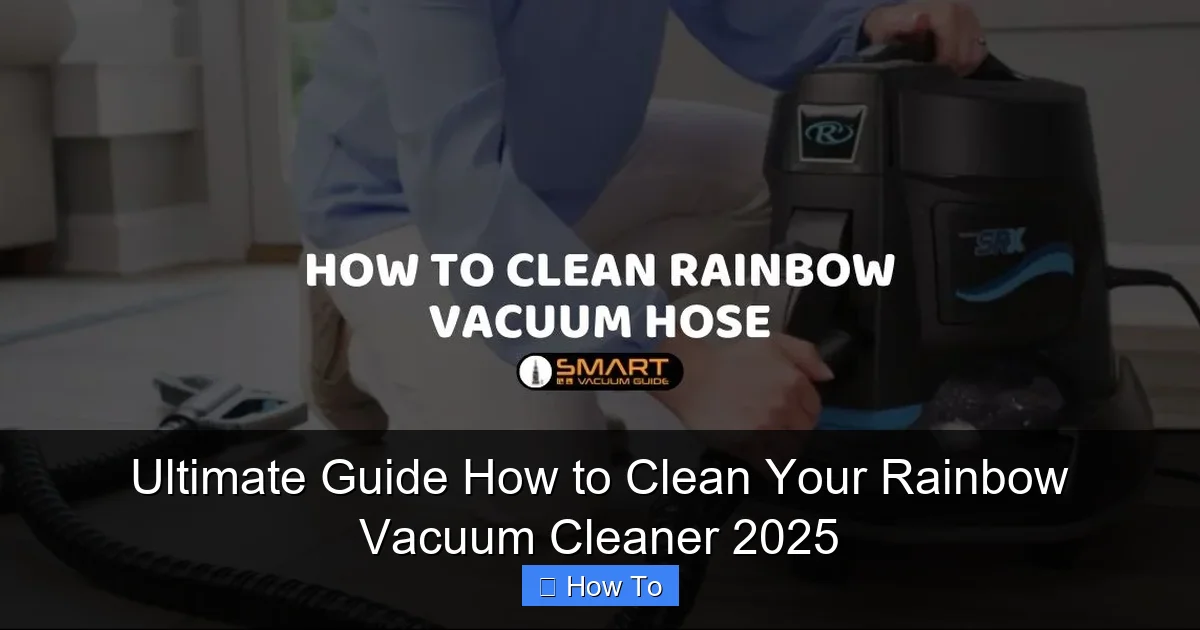
Visual guide about Ultimate Guide How to Clean Your Rainbow Vacuum Cleaner 2025
Image source: vac-city.com.au
Remove and Disassemble
Carefully unclip and remove the water basin from the main unit. Depending on your Rainbow model, you might be able to remove the cone-shaped separator guide from the basin itself. Set the main motor unit aside in a safe, dry place, ensuring no water splashes onto it.
Wash with Soap and Water
Fill the basin with warm water and a few drops of mild dish soap. Use a soft sponge or cloth to thoroughly scrub the interior and exterior of the basin. Pay special attention to any grime lines or residue buildup. For hard-to-reach corners or grooves, use your small brush.
Deodorize and Descale
If you notice any lingering odors or hard water stains, white vinegar is your best friend. After washing with soap, rinse the basin. Then, fill it with a mixture of half water and half white vinegar. Let it sit for 15-30 minutes. The vinegar will help break down mineral deposits and neutralize smells. Alternatively, you can sprinkle a tablespoon or two of baking soda into the wet basin, let it sit, then scrub with vinegar for extra odor-fighting power.
Rinse Thoroughly
After washing and deodorizing, rinse the water basin multiple times with clean, warm water. Make sure all soap residue and vinegar smell are completely gone. Any leftover soap can cause excessive sudsing during your next vacuuming session.
Dry Completely
This step is absolutely critical for preventing mold, mildew, and musty odors. Use a clean microfiber towel to dry the basin as much as possible. Then, leave it to air dry completely, ideally upside down, in a well-ventilated area for several hours, or even overnight. *Do not reassemble until it’s bone dry!*
Step 2: Cleaning the Separator
The separator is the spinning heart of your Rainbow that pulls air and debris into the water. Keeping it clean ensures maximum suction and prevents clogging.
Detach the Separator
Carefully twist and pull the separator from the motor shaft. It should come off with a gentle tug. This component is delicate, so handle it with care.
Remove Debris
Inspect the separator for tangled hair, lint, or dust buildup. Use a small, soft brush (like an old toothbrush) or even tweezers to gently remove any debris caught in the fins or around the shaft. Be thorough but gentle; you don’t want to bend the fins.
Wash the Separator
Rinse the separator under warm running water. You can use a very small amount of mild dish soap and your soft brush to gently scrub away any stubborn grime. Focus on the fins and the central area. *Important: While the separator itself can be washed, be extremely careful not to get water anywhere near the motor unit where it attaches.*
Rinse and Dry
Rinse the separator thoroughly to remove all soap. Like the water basin, it’s vital that the separator is completely dry before reattaching it. Shake off excess water and allow it to air dry for several hours, or overnight, in a well-ventilated spot. A common mistake when people clean their Rainbow vacuum cleaner is not drying this part properly, leading to odor issues.
Step 3: Maintaining the Hose and Attachments
Your Rainbow’s accessories are just as important as the main unit. Keeping them clean ensures efficient airflow and prevents cross-contamination.
Inspect for Clogs
Hold the hose up to a light source and look through it for any obstructions. If you see a blockage, try to carefully dislodge it with a broom handle or a specialized hose cleaning brush. Never use sharp objects that could puncture or damage the hose.
Clean the Hose Interior
For a thorough interior clean, you can use a vacuum cleaner hose brush kit. Feed the brush through the hose from both ends. For a quick refresh, you can also back-suction: attach the hose to the exhaust port of another vacuum (if compatible) or try to run the Rainbow itself with plain water, drawing clean water through the hose (check your manual for this method as it varies by model). You can also run warm water with a little soap through the hose in a utility sink, ensuring to rinse very thoroughly afterward.
Wash External Surfaces
Use a damp cloth with a small amount of mild dish soap to wipe down the exterior of the hose and all attachments (wands, floor tools, upholstery tools, etc.). Pay attention to areas where dirt and dust tend to accumulate.
Rinse and Dry Attachments
Rinse attachments under running water to remove soap, then towel dry them immediately. For the hose, hang it up so any remaining water can drain out and air dry completely before storing. Ensuring these components are dry is part of the effective way to clean your Rainbow vacuum cleaner.
Step 4: Cleaning the Power Nozzle (Power Head)
The power nozzle, often called the PowerMate, does the heavy lifting on carpets. It needs regular attention to maintain its deep-cleaning effectiveness.
Disconnect and Prepare
Disconnect the power nozzle from the wand and unplug its electrical cord. Place it on a clean, flat surface, preferably with some newspaper or an old towel underneath to catch debris.
Remove the Brush Roller
Most Rainbow power nozzles allow for easy removal of the brush roller. Look for release latches or screws on the bottom plate. Consult your Rainbow manual for exact instructions, as models can vary. Once the bottom plate is off, you can usually lift out the brush roller.
Cut Away Tangled Hair and Fibers
This is where scissors or a seam ripper come in handy. Carefully cut through and pull away any hair, thread, or carpet fibers wrapped around the brush roller bristles and axles. Be patient and thorough. The more you remove, the better your brush will spin and clean.
Clean the Roller and Housing
Use your small brush or an old toothbrush to clean the bristles of the roller itself. Wipe down the housing area where the roller sits, removing any accumulated dust or debris. You can use a damp cloth for this, but *be extremely careful not to get water into the motor housing or electrical connections*.
Check the Belt and Motor Area
While the roller is out, inspect the drive belt for any signs of wear, cracking, or stretching. If it looks damaged, it might be time for a replacement (refer to your manual or a certified Rainbow dealer). Gently wipe away any dust from the motor area with a dry cloth or a cotton swab, but again, avoid any moisture.
Reassemble the Power Nozzle
Once everything is clean and dry, carefully reinsert the brush roller, ensuring it’s seated correctly. Replace the bottom plate and secure any latches or screws. Make sure the belt is properly tensioned around the motor shaft and the roller.
Step 5: Wiping Down the Exterior Unit (Motor Base)
Even the main body needs a little TLC.
Use a Damp Cloth
With a slightly damp cloth (damp, not wet!), wipe down the entire exterior of the motor base. Remove dust, fingerprints, and any smudges. You can use a very mild all-purpose cleaner if needed, but avoid anything abrasive.
Avoid Vent Openings
Be careful not to let any water or cleaning solution drip into the motor’s vent openings. These areas need to remain dry to prevent electrical damage.
Polish (Optional)
If you like a glossy finish, you can use a small amount of plastic-safe polish on the exterior, buffing with a clean, dry microfiber cloth.
Step 6: Filter Maintenance (If Applicable)
While the primary filtration of a Rainbow is water-based, some newer models (like the SRX and older E-Series) may feature an additional HEPA filter or an exhaust filter cover. Always check your specific model’s manual.
Inspect and Clean Exhaust Filter/Cover
If your model has a washable HEPA filter or a removable exhaust cover (often found on the side or rear), gently detach it according to your manual. If washable, rinse it under warm water until clean, then allow it to *completely* air dry before reinstalling. If it’s a non-washable HEPA filter, it will need to be replaced periodically (again, consult your manual for frequency). Many Rainbow owners find this step helpful to clean their Rainbow vacuum cleaner for superior air quality.
Gently Wipe Exhaust Grills
Use a soft brush or a dry cloth to gently remove any dust accumulation from the exhaust grills on the motor unit itself.
Step 7: Reassembly and Final Checks
Once every component is thoroughly cleaned and *completely dry*, it’s time to put your Rainbow back together.
Ensure All Parts Are Dry
We can’t stress this enough: moisture is the enemy of electronics and a breeding ground for mildew. Double-check that the water basin, separator, hose, and all attachments are bone dry before proceeding.
Reassemble the Main Unit
Place the completely dry separator back onto the motor shaft, twisting gently to secure. Then, place the water basin back onto the main motor unit, ensuring it clicks securely into place. Reattach the hose and power nozzle if they were fully disconnected.
Quick Test Run
Fill the water basin with the recommended amount of clean, fresh water. Plug your Rainbow vacuum cleaner back into a grounded outlet. Turn it on for a brief moment to ensure everything is running smoothly. Listen for any unusual noises and check for proper suction. If you followed these steps to clean your Rainbow vacuum cleaner, it should sound and perform wonderfully.
Troubleshooting Common Cleaning Issues
Even with the best intentions, you might encounter a snag or two. Here are quick fixes for common problems:
Bad Odor After Cleaning
Cause: Most likely, components weren’t dried completely. Residual moisture allows mold or mildew to grow.
Solution: Disassemble the basin and separator again. Wash them with a vinegar solution, rinse meticulously, and allow them to air dry *completely* for 24-48 hours in a well-ventilated area before reassembling. You can also add a few drops of Rainbow’s specially formulated deodorizer or essential oils to the water basin during use to maintain freshness.
Reduced Suction After Cleaning
Cause: Improper reassembly, a missed clog, or the separator isn’t seated correctly.
Solution: Double-check that the separator is firmly clicked into place and that the water basin is properly secured to the motor unit. Re-inspect the hose and attachments for any hidden clogs. Ensure the fill line in the water basin isn’t overfilled, as this can also affect suction.
Machine Not Turning On After Cleaning
Cause: Not properly plugged in, safety switches not engaged, or a component isn’t correctly seated.
Solution: First, ensure the power cord is securely plugged into a working outlet. Next, check that the water basin is correctly locked onto the motor unit. Rainbows have safety switches that prevent operation if components aren’t properly assembled. If the power nozzle isn’t working, check its cord connection and ensure the brush roller isn’t jammed.
Conclusion
Congratulations! You’ve successfully learned how to clean your Rainbow vacuum cleaner like a pro. By dedicating a little time and effort to regular maintenance, you’re not just cleaning your vacuum; you’re preserving its powerful cleaning capabilities, extending its lifespan, and ensuring it continues to provide a cleaner, healthier indoor environment for your family in 2025 and beyond.
Remember, a clean Rainbow is a happy Rainbow—and a happy home! Make this cleaning routine a regular part of your home maintenance, and your investment will continue to pay dividends in fresh air and spotless surfaces. Happy cleaning!
🎥 Related Video: The 5 things you never knew a Rainbow Vacuum could do!
📺 Great Vacs
Can a Rainbow Vacuum Cleaner blow air? Can it pickup wet and dry messes? Can it be used as a purifier? What about Pet Hair?