Master 2025 How Do You Clean a Vacuum Cleaner The Right Way
Keeping your vacuum cleaner spotless is key to its longevity and efficiency. This 2025 guide shows you how do you clean a vacuum cleaner from top to bottom, ensuring optimal suction and a healthier home. Learn to empty bins, clean filters, detangle brush rolls, and tackle hoses for a vacuum that performs like new, saving you time and money on repairs.
Master 2025 How Do You Clean a Vacuum Cleaner The Right Way
Hello, fellow clean freaks and vacuum owners! Are you ready to give your trusty cleaning companion the TLC it deserves? In 2025, with all the incredible advancements in vacuum technology, it’s more important than ever to know exactly how to maintain these powerful machines. Just like a car needs an oil change, your vacuum cleaner needs regular cleaning to perform its best.
You might be wondering, “How do you clean a vacuum cleaner effectively?” It’s a question many people ask, and for good reason. A dirty vacuum isn’t just unpleasant; it’s inefficient. It can lose suction, spread dust and allergens, and even suffer permanent damage. But don’t worry! This comprehensive, friendly guide will walk you through every step of giving your vacuum cleaner a thorough cleaning, making it feel (and work) like new.
By the end of this guide, you’ll be a pro at vacuum maintenance. You’ll learn how to tackle common issues, prevent future problems, and ensure your vacuum cleaner continues to power through dirt and debris for years to come. Let’s dive in and discover the secrets to a sparkling clean vacuum!
Key Takeaways
- Safety is Paramount: Always unplug your vacuum cleaner before starting any cleaning or maintenance to prevent accidents.
- Filters are Filtration Heroes: Regularly cleaning or replacing filters (HEPA, foam, felt) is crucial for maintaining strong suction and improving air quality.
- The Brush Roll’s Battle: The brush roll is a magnet for hair and debris; frequent detangling is vital to prevent motor strain and ensure effective cleaning.
- Don’t Forget the Hoses and Attachments: Clogs in hoses or dirty attachments severely impact performance. Inspect and clear them routinely.
- Tailor Your Cleaning: Different vacuum components require specific cleaning methods—some are washable, others need tapping, and some are replaceable.
- Regularity is Key: A quick clean after every few uses is more effective and less daunting than a single, deep annual overhaul.
- Simple Steps, Big Impact: Learning how do you clean a vacuum cleaner properly is straightforward and significantly extends your appliance’s lifespan.
Quick Answers to Common Questions
What’s the most important thing to clean on a vacuum?
The most important components to regularly clean are the filters and the brush roll. These directly impact suction power and prevent motor strain.
How often should I clean my vacuum’s filter?
It depends on usage, but generally, check and clean washable filters monthly, and replace disposable ones every 6-12 months. More frequent cleaning is needed for pet owners or allergy sufferers.
Can I wash my vacuum’s hose?
Some vacuum hoses are washable, but always check your specific model’s manual first. If washable, ensure it’s completely dry before reattaching to prevent mold or damage.
What if my brush roll isn’t spinning after cleaning?
First, check if the brush roll is reinstalled correctly and if the drive belt is properly looped and intact. A stretched or broken belt is a common culprit and needs replacement.
Is it worth cleaning an old vacuum, or should I just buy a new one?
Often, a thorough cleaning can revive an old vacuum, restoring much of its original performance. It’s almost always worth trying to clean it before investing in a new one, especially if the motor is still working.
Tools You’ll Need for the Job
Before you begin, gather these simple items. Having everything handy will make the process smooth and quick:
- Protective gloves (optional, but recommended for hygiene)
- Small scissors or a seam ripper
- Microfiber cloths or old rags
- Mild dish soap and warm water
- A soft brush (like an old toothbrush)
- A small garbage can or bag
- A flathead screwdriver or coin (for some models)
- Compressed air (optional, for hard-to-reach spots)
- A utility knife (for stubborn tangles, use with caution)
Safety First: Unplug Your Vacuum Cleaner!
This is the most critical step. Before you do anything else, always unplug your vacuum cleaner from the wall outlet. This prevents accidental starts and protects you from electrical hazards. Think of it as hitting the “off” switch for real.
Visual guide about Master 2025 How Do You Clean a Vacuum Cleaner The Right Way
Image source: cdn11.bigcommerce.com
Step 1: Empty the Dustbin or Replace the Bag
This is often the first thing people think of when asking how do you clean a vacuum cleaner. It’s also the easiest!
For Bagless Vacuum Cleaners:
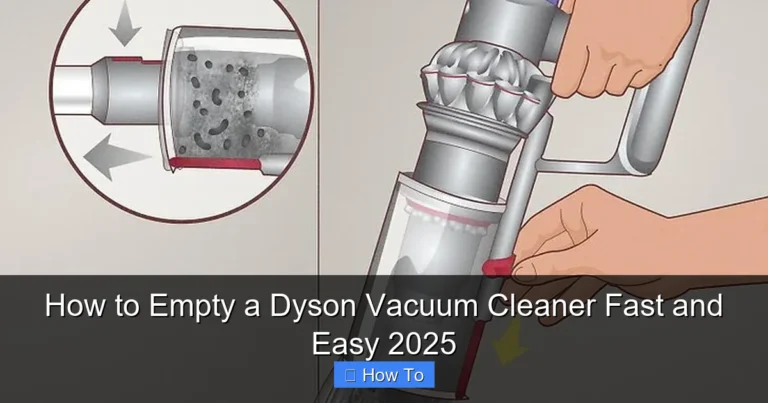
If you have a bagless model, detach the dustbin. Take it to an outdoor garbage can to minimize dust re-entering your home. Open the bottom of the bin and vigorously shake out all the dirt, dust, and debris. Use a small brush or a cloth to wipe down the inside of the dustbin, removing any clinging particles. Some dustbins are washable; check your user manual. If yours is, rinse it with warm water and mild soap, then let it air dry completely before reattaching.
For Bagged Vacuum Cleaners:
If your vacuum uses bags, simply open the compartment and remove the full bag. Seal it tightly and dispose of it in your garbage. Wipe down the inside of the bag compartment with a damp cloth to remove any stray dust. Install a new bag, ensuring it’s properly seated according to your vacuum’s instructions.
Step 2: Clean or Replace the Filters
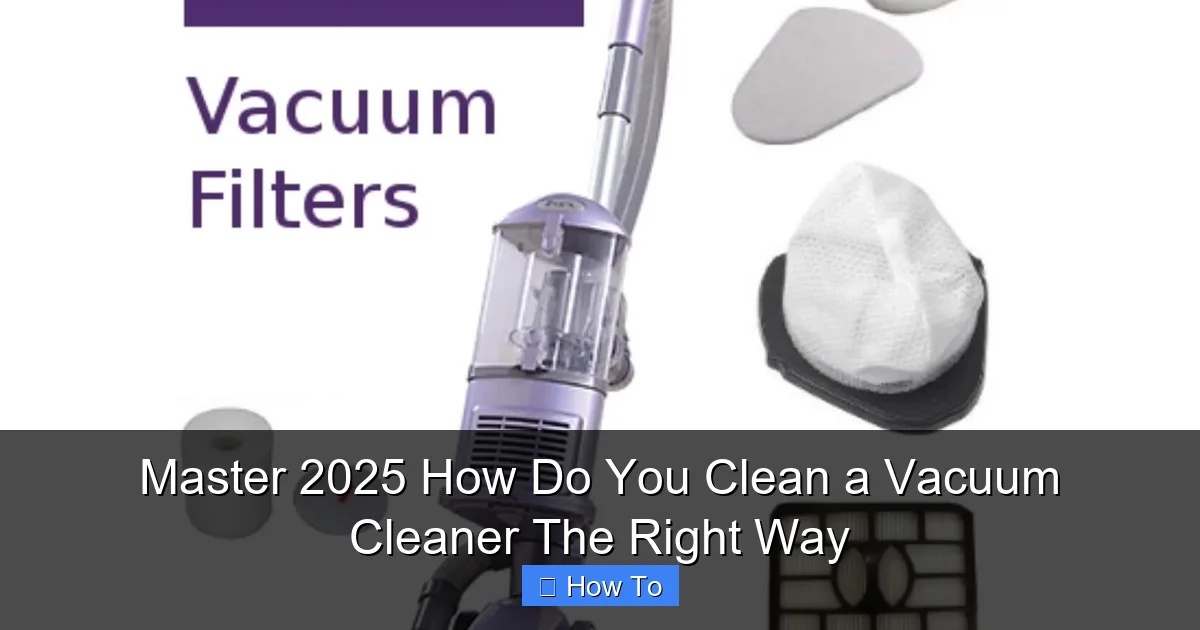
Filters are your vacuum’s lungs. They trap fine dust and allergens, preventing them from recirculating into your home. Neglecting them is a common reason for poor suction, so knowing how do you clean a vacuum cleaner’s filters is vital.
For Washable Foam or Felt Filters:
Many modern vacuums, especially in 2025, come with washable filters. Locate these filters (they are often near the dustbin or motor). Gently tap them against a hard surface to dislodge loose dirt. If they are very dirty, rinse them under cool, running water until the water runs clear. Avoid using soap unless specifically recommended by the manufacturer. Squeeze out excess water and then let them air dry completely for at least 24 hours. Placing them in direct sunlight can speed this up but avoid heat sources that could warp them. Reinstall only when bone dry.
For HEPA or Permanent Filters:
HEPA filters are excellent for trapping microscopic particles, but most are not washable. Instead, remove the HEPA filter and gently tap it over a trash can to release trapped dust. You can also use a soft brush or the crevice tool (on reverse if possible, or another vacuum) to gently suction dust from its pleats. Some permanent filters might allow for light tapping or brushing. If your HEPA filter looks gray, discolored, or you can’t get much dirt out, it’s likely time for a replacement. Consult your manual for the recommended replacement schedule, typically every 6-12 months.
For Exhaust Filters:
Some vacuums have an exhaust filter, often at the back, which further cleans the air before it leaves the machine. These are usually either washable or replaceable. Check your manual for specific instructions on how do you clean a vacuum cleaner’s exhaust filter.
Step 3: Detangle and Clean the Brush Roll
The brush roll (also known as the beater bar) is where a lot of action happens, and also where a lot of hair, string, and carpet fibers get tangled. If it’s not spinning freely, your vacuum isn’t cleaning effectively. This step is crucial for how do you clean a vacuum cleaner for optimal carpet cleaning.
Remove the Brush Roll:
Flip your vacuum cleaner over so the brush roll is facing up. Many models have a cover plate that needs to be removed. You might need a screwdriver or even a coin to unscrew retaining clips or screws. Once the cover is off, carefully lift out the brush roll. Take note of how it fits so reassembly is easy.
Cut Tangled Debris:
Now for the fun part! Use your small scissors or seam ripper to carefully cut through any hair, thread, or string wrapped around the brush roll. Be extremely careful not to cut the bristles or the belt that drives the brush roll. Cut along the length of the roll, then pull the loosened debris free. You might be surprised at how much comes off!
Clean the Bristles:
Once all the tangles are gone, inspect the bristles. If they’re matted or dirty, use an old toothbrush to gently scrub them. You can wipe the entire brush roll with a damp cloth. Ensure it’s dry before putting it back. Also, check the belt that drives the brush roll; if it looks stretched, cracked, or loose, it’s a good idea to replace it. A healthy belt ensures your brush roll spins correctly.
Step 4: Inspect and Clear the Hose and Attachments
Clogs in the hose or dirty attachments are major culprits for loss of suction. Don’t overlook these when considering how do you clean a vacuum cleaner thoroughly.
Check the Hose for Blockages:
Remove the hose from both ends of the vacuum cleaner. Hold one end up to a light source and look through the other. Can you see light clearly? If not, there’s a blockage. Try to gently push a broom handle (or a similar long, blunt object) through the hose to dislodge the clog. Be gentle, as forcing it too hard could puncture the hose. You can also carefully bend the hose in different spots to see if you can feel or hear a blockage shift. If it’s washable, you can rinse the hose with water, but ensure it’s completely dry before reattaching.
Clean Attachments:
Your vacuum comes with various tools—crevice tool, upholstery tool, dusting brush. These also collect dust and grime. Wipe them down with a damp cloth. For stubborn dirt, you can wash them in warm, soapy water. Just make sure they are completely dry before storing them back on your vacuum.
Step 5: Wipe Down the Exterior and Wheels
Now that the internal components are sparkling, it’s time to make the outside shine. This step might not affect performance, but it certainly makes you feel better about how do you clean a vacuum cleaner!
Body and Handle:
Use a damp microfiber cloth with a small amount of mild all-purpose cleaner to wipe down the entire exterior of your vacuum cleaner. Pay attention to the handle, power button, and any other areas you frequently touch. A soft, dry cloth can then buff it to a streak-free finish.
Wheels:
Over time, hair and debris can get caught in the wheels, making them difficult to roll. Turn the vacuum over and use your scissors or tweezers to remove any trapped gunk from around the axles of the wheels. Wipe the wheels clean with a damp cloth.
Step 6: Reassemble Your Vacuum Cleaner
Carefully put all the components back in their place. Reinstall the brush roll, ensuring the belt is correctly looped and the cover plate is securely fastened. Reattach all filters and the dustbin/bag. Make sure everything clicks into place and feels secure. A properly reassembled vacuum is essential for safety and function.
Step 7: Perform a Quick Test Run
Plug your vacuum cleaner back in. Turn it on for a brief moment. Listen for any unusual noises and check that the brush roll is spinning correctly (if applicable). If everything sounds and looks normal, congratulations—you’ve successfully mastered how do you clean a vacuum cleaner!
Ongoing Maintenance Tips for a Peak-Performing Vacuum
Cleaning your vacuum cleaner isn’t just a one-off event. Regular, simple maintenance will prevent major cleaning sessions and extend its life. Here are some pro tips for 2025:
- Empty Frequently: Don’t wait until the dustbin is overflowing or the bag is bursting. Empty bagless vacuums after every few uses, and change bags when they are two-thirds full.
- Check Filters Regularly: Get into the habit of checking your filters once a month. Clean washable filters as needed, and keep a spare disposable filter on hand for quick changes.
- Inspect the Brush Roll: A quick flip of the vacuum to check for tangles after every few uses can save you from motor strain and poor performance.
- Cord Care: Never yank the power cord from the outlet. Gently pull the plug. Inspect the cord regularly for fraying or damage.
- Professional Servicing: Consider a professional service check-up every 1-2 years, especially for high-end models, to address internal components you can’t easily reach. They can also advise on how do you clean a vacuum cleaner for specific issues.
Troubleshooting Common Post-Cleaning Issues
Sometimes, even after a thorough cleaning, you might encounter a minor hiccup. Don’t panic!
- Loss of Suction After Cleaning:
- Check Filters: Are they completely dry? If even slightly damp, airflow will be restricted.
- Recheck for Clogs: Did you miss a small blockage in the hose or attachments?
- Dustbin/Bag Seal: Is the dustbin or bag properly seated and sealed? Air leaks can reduce suction.
- Strange Noises (Grinding, Whining):
- Brush Roll: Is the brush roll reinstalled correctly? Is anything caught around its ends or in the belt area?
- Motor: If the noise is coming from the motor and not related to the brush roll, it might indicate a deeper issue requiring professional attention.
- Burning Smell:
- Brush Roll Obstruction: This is often caused by the brush roll being jammed or not spinning, causing the belt or motor to overheat. Unplug immediately and check the brush roll again.
- Motor Overheating: If the smell persists, the motor might be overworked or damaged. Stop using and consult a professional.
Conclusion
There you have it! A complete guide on how do you clean a vacuum cleaner the right way, ensuring it performs optimally well into 2025 and beyond. It might seem like a chore, but investing a little time in regular maintenance pays off immensely. A clean vacuum cleaner means:
- Stronger suction for a cleaner home
- Improved air quality by reducing dust and allergens
- Extended lifespan for your appliance
- Fewer expensive repairs
So, roll up your sleeves, grab your tools, and give your vacuum cleaner the deep clean it deserves. You’ll be amazed at the difference it makes. Happy cleaning!
🎥 Related Video: The best Wet and Dry Vacuum Cleaner to keep your home spotless #vacuumcleaner #vacuum #amazon 53
📺 Best Products
The best Wet and Dry Vacuum Cleaner to keep your home spotless #vacuumcleaner #vacuum #shorts #amazon Looking for the …