Why Vacuum After Carpet Cleaning
Many people wonder why vacuum after carpet cleaning. The truth is, a post-cleaning vacuum is not just recommended, it’s essential for several reasons. It helps remove loosened dirt, leftover cleaning solution residue, and even fluffs up the carpet fibers, ensuring a deeper, longer-lasting clean and protecting your investment.
Welcome, friend! So, you’ve just had your carpets professionally cleaned. They look amazing, smell fresh, and you’re probably feeling pretty satisfied with your decision. But then, a thought might pop into your head, or perhaps a professional cleaner suggests it: “Should I vacuum after carpet cleaning?” And if so, “Why vacuum after carpet cleaning?” It might seem counterintuitive at first – after all, didn’t you just pay someone good money to get them spotless?
The simple answer is a resounding “yes,” vacuuming after your carpets have dried is not just a good idea, it’s a crucial step that can significantly impact the longevity of your clean carpets and the overall air quality of your home. Think of it as the final, polishing touch that locks in the benefits of the professional cleaning. Let’s dive into the fascinating reasons why this seemingly redundant step is actually a powerful weapon in your carpet care arsenal.
The Big Reveal: Why Vacuuming is the Secret Weapon
It’s easy to assume that once the cleaners pack up their powerful machines, your carpets are done. But what happens during the drying process is just as important as the cleaning itself. As your carpets dry, hidden elements come into play, and that’s precisely why vacuum after carpet cleaning becomes so vital. It’s about more than just surface dirt; it’s about microscopic particles, residual solutions, and the very structure of your carpet fibers.
Key Takeaways
- Removes Residue: Professional carpet cleaning often leaves behind microscopic residues. Vacuuming after the carpet has fully dried effectively removes these tiny particles, preventing them from attracting new dirt.
- Prevents Rapid Re-soiling: Without a post-cleaning vacuum, any remaining detergent or soil particles act like magnets for new dirt, causing your carpet to look dirty again much faster than it should.
- Restores Carpet Pile: Wet cleaning can sometimes flatten or mat carpet fibers. Vacuuming helps lift and restore the carpet’s natural pile, making it look fuller, softer, and more appealing.
- Extracts Trapped Dirt: Even the most powerful carpet cleaners can leave deeply embedded dirt that rises to the surface as the carpet dries. Vacuuming captures this newly exposed grime.
- Extends Carpet Lifespan: Regular maintenance, including vacuuming after professional cleaning, reduces wear and tear from abrasive dirt particles, thereby significantly extending the life of your carpet.
- Improves Air Quality: By thoroughly removing residual dirt and allergens, post-cleaning vacuuming contributes to cleaner indoor air, which is beneficial for everyone, especially those with allergies.
- Optimizes Cleaning Investment: Taking the simple step to vacuum after carpet cleaning ensures you get the most out of your professional service, maximizing its effectiveness and value.
Quick Answers to Common Questions
How soon after carpet cleaning can I vacuum?
You should wait until your carpet is completely dry, which typically takes 6 to 24 hours depending on the cleaning method and environmental conditions. Vacuuming a damp carpet can spread moisture and dirt.
Does vacuuming remove the cleaning solution?
Yes, vacuuming helps remove any dried, microscopic residue of the cleaning solution that may have been left behind. This residue, if not removed, can attract new dirt and cause re-soiling.
What type of vacuum is best for post-cleaning?
An upright vacuum with a rotating brush bar (beater bar) is generally best as it effectively lifts and fluffs the carpet pile while agitating and extracting loosened dirt. Ensure the brush height is suitable for your carpet type.
Will vacuuming damage my freshly cleaned carpet?
No, if the carpet is completely dry, vacuuming will not damage it. In fact, it will enhance the cleanliness and appearance of your carpet by lifting the pile and removing residual particles.
How often should I vacuum after the initial post-cleaning vacuum?
Maintain your regular vacuuming schedule, typically 1-2 times per week for low-traffic areas and more frequently for high-traffic areas or homes with pets and children. This keeps new dirt from building up.
📑 Table of Contents
Unmasking Lingering Residue: The Silent Dirt Magnet
One of the primary reasons to vacuum after carpet cleaning is to deal with what’s left behind – and no, this isn’t an indictment of your cleaner’s work! Even the best professional cleaning methods, especially hot water extraction (steam cleaning), can leave behind tiny amounts of cleaning solution or loosened soil particles. These might not be visible to the naked eye, but they are absolutely there.
The Sticky Situation: Detergent Residue
Most carpet cleaning solutions, if not rinsed perfectly, can leave a microscopic film or residue on your carpet fibers. While professional cleaners strive for thorough rinsing, it’s nearly impossible to remove every single molecule. This residue, even if faint, can become sticky once dry. And what do sticky things do? They attract dirt like a magnet. This is a key reason why vacuum after carpet cleaning is so important; it helps to remove this residue before it can become a dirt trap. Without this final vacuum, your freshly cleaned carpets could start to re-soil much faster than you’d expect, negating some of the hard work and money you just invested.
Loosened Soil Particles: The Surface Dwellers
During the cleaning process, powerful jets of water and cleaning agents work to dislodge embedded dirt and grime from deep within your carpet. While much of this is extracted by the powerful suction of the cleaning machine, some tiny particles can remain, especially those deeply embedded ones that have been loosened but not fully removed. As the carpet dries, these loosened soil particles can work their way to the surface. A thorough vacuuming after the carpet is completely dry will effectively pick up these newly surfaced contaminants, preventing them from being walked back into the carpet. This is another crucial aspect of why vacuum after carpet cleaning is non-negotiable for a truly deep clean.
Restoring the Carpet’s Natural Beauty: Fluffing and Priming

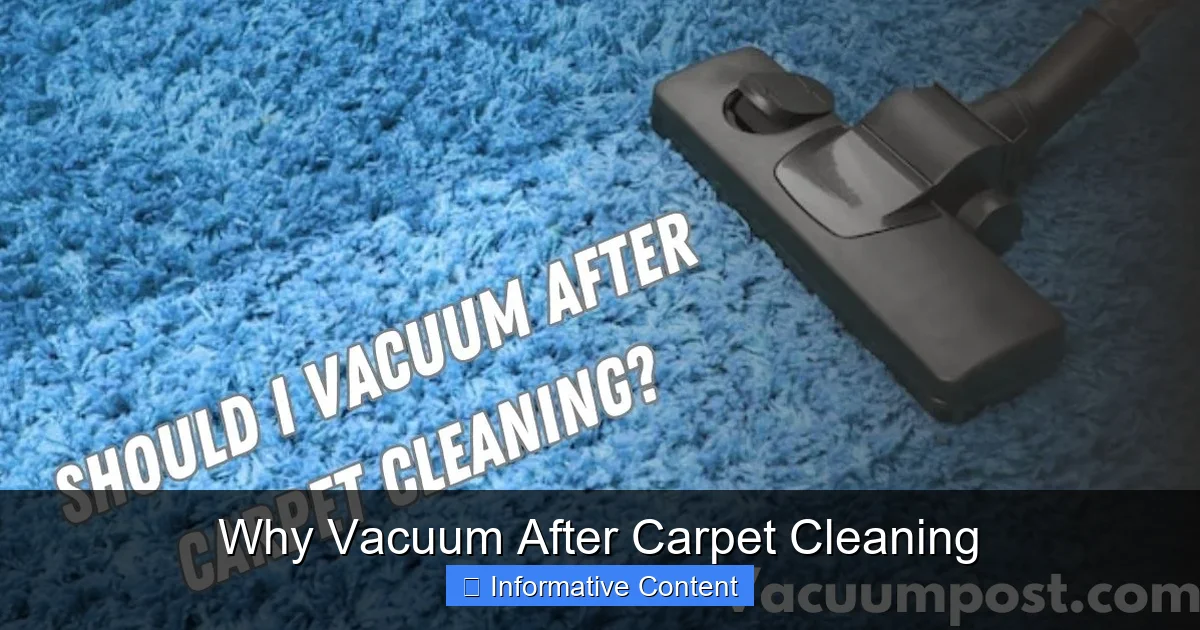
Visual guide about Why Vacuum After Carpet Cleaning
Image source: lightcheckup.com
Beyond just removing hidden dirt and residue, vacuuming plays a significant role in bringing your carpet back to its aesthetic best. Wet cleaning can be tough on carpet fibers, temporarily altering their appearance.
Lifting the Flattened Pile
Think about how your hair looks after you wash it. Sometimes it can be a bit flat or matted until you brush or style it. Carpets are similar. The weight of the water, the suction of the machine, and the foot traffic during the drying process can all cause the carpet pile to become matted or flattened. This can make the carpet look less plush and even feel a bit stiff. When you vacuum after carpet cleaning, especially with a good quality upright vacuum, the rotating brush bar works wonders. It gently lifts and separates the individual carpet fibers, restoring their natural upright position. This “fluffing” action makes the carpet look fuller, softer, and more luxurious. It brings back that fresh, “new carpet” feel. This is a fantastic visual reason why vacuum after carpet cleaning should be on your post-clean checklist.
Enhancing Softness and Texture
When carpet fibers are matted, they can feel a bit rough or stiff underfoot. By lifting the pile, vacuuming helps to restore the carpet’s original softness and texture. It allows the fibers to breathe and move more freely, enhancing the overall comfort of your living space. This is not just about looks; it’s about the tactile experience of walking on a truly clean and well-maintained carpet. So, if you want your carpets to feel as good as they look, remember why vacuum after carpet cleaning.
Extending the Life and Cleanliness of Your Carpet: The Long Game
Your carpets are an investment, and proper maintenance is key to protecting that investment. Vacuuming after professional cleaning is a vital part of this long-term care strategy.
Preventing Rapid Re-soiling
We touched on this with residue, but it’s worth reiterating. The biggest complaint people have after carpet cleaning is that their carpets seem to get dirty again too quickly. Often, the culprit is unremoved residue acting as a magnet for new dirt. By thoroughly vacuuming, you remove these microscopic dirt-attractors, creating a “clean slate” that genuinely resists new soiling. This means your carpets stay cleaner for longer, reducing the frequency of professional cleanings needed and saving you money in the long run. Understanding why vacuum after carpet cleaning is crucial for preventing this frustrating re-soiling cycle is a game-changer for carpet maintenance.
Reducing Abrasive Wear and Tear
Dirt particles, especially sand and grit, are abrasive. When walked upon, these particles act like tiny sandpaper bits, grinding against and cutting the carpet fibers. This leads to premature wear, dulling, and fraying of your carpet. Even after a professional cleaning, if some of these abrasive particles remain, they will continue to damage your carpet. A post-cleaning vacuum helps to extract these last remaining destructive elements, protecting your carpet’s fibers from unnecessary wear and extending its overall lifespan. This directly contributes to the value and longevity of your carpet investment, highlighting why vacuum after carpet cleaning is a smart choice.
Improving Indoor Air Quality
Carpets act as giant filters, trapping dust, allergens, pet dander, and other airborne pollutants. While professional cleaning extracts a significant amount of these, some may be loosened and settle back into the carpet as it dries. Vacuuming effectively removes these newly surfaced particles before they can become airborne again. This leads to cleaner indoor air, which is particularly beneficial for individuals with allergies, asthma, or other respiratory sensitivities. A cleaner carpet truly means a healthier home, and a post-cleaning vacuum contributes significantly to this. This benefit alone makes a strong case for why vacuum after carpet cleaning.
When and How to Vacuum After Carpet Cleaning: Practical Tips
Now that we understand why vacuum after carpet cleaning is so important, let’s talk about the practicalities.
Timing is Everything: Wait Until Completely Dry
The absolute most important rule is to wait until your carpet is completely dry. Vacuuming a damp or wet carpet can actually do more harm than good. It can spread moisture, potentially push dirt deeper, and even damage your vacuum cleaner. Drying times vary depending on the cleaning method, humidity levels, and airflow in your home, but it generally takes anywhere from 6 to 24 hours. Test a small, inconspicuous area by pressing a paper towel firmly into the carpet. If it comes away damp, wait longer. Patience is a virtue here!
Choose the Right Tool for the Job
While any vacuum is better than no vacuum, using the right one can optimize your results.
- Upright Vacuums with Beater Bars: These are excellent for lifting and fluffing the carpet pile and agitating fibers to release trapped dirt. Ensure the beater bar height is adjusted correctly for your carpet type to avoid damage.
- HEPA Filter: If you have allergies or want to maximize indoor air quality, a vacuum with a HEPA filter is a great choice as it traps even the smallest dust and allergen particles.
- Consider Your Carpet Type: For delicate or high-pile carpets, you might want to use a vacuum with an adjustable beater bar that can be turned off or set to a gentler mode.
Technique Matters: Slow and Steady Wins the Race
Don’t rush it! When vacuuming after carpet cleaning, move slowly and deliberately. Make multiple passes over each area, overlapping your strokes. This allows the vacuum’s suction and brush agitation ample time to work their magic, picking up all the loosened particles and lifting the pile effectively. Work in different directions (e.g., perpendicular passes) to ensure maximum fiber agitation and dirt removal.
The Verdict: A Small Effort for a Big Reward
In conclusion, the question “Why vacuum after carpet cleaning?” has multiple compelling answers. It’s not just an optional step; it’s an integral part of maximizing your carpet cleaning investment and maintaining a healthier, more beautiful home. By taking a little extra time once your carpets are fully dry, you’re actively working to remove invisible residues, prevent rapid re-soiling, restore the carpet’s plush appearance, extend its lifespan, and improve your indoor air quality.
So, the next time your professional carpet cleaners finish their work, resist the urge to just admire their immediate results. Remind yourself of the long-term benefits and embrace that final, crucial step. A simple vacuuming session can make all the difference, ensuring your carpets stay cleaner, fresher, and more vibrant for much longer. Your carpet, and your nose, will thank you!
🎥 Related Video: How to vacuum sand and dust from carpet!
📺 DIY Detail
Clean your interior with Interior Clean & Protect: https://bit.ly/InteriorCleanProtect.
Frequently Asked Questions
Is it really necessary to vacuum if my carpets look clean already?
Yes, it is still very necessary. Even if your carpets appear clean, there can be microscopic cleaning solution residues and loosened dirt particles that are not visible to the naked eye. Vacuuming helps to effectively remove these hidden elements, preventing rapid re-soiling and ensuring a truly deep clean.
Could vacuuming a damp carpet cause mold or mildew?
Vacuuming a damp carpet is not recommended and can potentially hinder the drying process, trapping moisture within the fibers. While it might not directly cause mold, a slower drying time increases the risk of mold or mildew developing, especially if proper ventilation isn’t maintained.
Does the type of vacuum cleaner I use make a difference?
Yes, it absolutely can. Vacuums with strong suction and a rotating brush bar are more effective at lifting the carpet pile and agitating fibers to release embedded dirt and residue. A vacuum with a HEPA filter can also significantly improve indoor air quality by trapping fine allergens.
How long should I wait before placing furniture back on the carpet?
It’s best to wait until your carpet is completely dry before placing furniture back, usually 12-24 hours. If you must replace furniture sooner, use plastic tabs or foil squares under the legs to prevent rust stains or permanent indentations, and remove them once the carpet is fully dry.
Can I skip the post-cleaning vacuum if my cleaner used a low-residue solution?
Even with low-residue solutions, tiny particles of soil or even minute amounts of solution can remain. Vacuuming isn’t just about residue removal; it also fluffs the carpet pile and extracts any deeply embedded dirt that has wicked to the surface during drying. So, it’s always a beneficial step.
Will vacuuming after cleaning make my carpet stay cleaner for longer?
Absolutely! By removing residual dirt and cleaning solution film, you prevent new dirt from “sticking” to the carpet fibers. This significantly slows down the re-soiling process, meaning your carpets will maintain their fresh, clean appearance for a much longer period between professional cleanings.