How to Choose the Best Vacuum Cleaner for Home
Choosing the right vacuum for your home can feel overwhelming. With so many models, features, and brands on the market, it is easy to get lost in the noise.
That is why learning How to Choose the Best Vacuum Cleaner for Home is the smartest first step you can take. A good vacuum protects your floors, your air quality, and your budget.
Many buyers make the mistake of grabbing the first cheap model they see. Others buy a heavy machine that hurts their back.
Some pick a vacuum that cannot handle pet hair or thick carpets. These common pain points waste money and cause daily frustration.
This guide solves those problems. We will walk you through key factors, top picks, and expert tips. Therefore, you can shop with confidence and pick a vacuum that truly fits your home.
- Floor Type First: Match the vacuum to your mix of carpets, rugs, and hard floors for the best cleaning results.
- Weight and Maneuverability: A lighter vacuum is easier to carry up stairs and around furniture every single day.
- Filtration Matters: HEPA filters trap fine dust and allergens, which keeps your indoor air much cleaner.
- Maintenance Costs: Bagless models save on bags, but you must clean filters often to keep strong suction.
- Warranty and Support: A solid warranty protects your investment and covers motor or battery failures.
Essential Buying Criteria for How to Choose the Best Vacuum Cleaner for Home
Start by thinking about your home, not the store shelf. What kind of floors do you have? Do you have pets or kids? These simple questions shape every other decision you will make.
Next, consider how you live. If you have stairs, a heavy upright vacuum will slow you down. If you have allergies, filtration becomes your top priority. Also, think about storage space in your closets or garage. For complementary recommendations and expert testing advice, see our guide on Top 7 Best Vacuum Cleaner for Pet Hair.
- Floor Type Match: Uprights clean carpets well, while stick and canister models shine on hard floors.
- Weight and Size: Pick a model under 15 pounds if you plan to carry it often.
- Filtration Quality: HEPA filters capture tiny particles and help allergy sufferers breathe easier.
- Dirt Capacity: Larger bins mean fewer trips to the trash can during cleaning.
- Budget Balance: Spend more on suction and filtration, not on flashy extras you will never use.
Once you know these basics, you can compare models with a clear head. In fact, this simple list saves most shoppers from costly returns and regret.
Top Recommended Vacuum Options for 2026
Here are three trusted picks that cover different needs and budgets. Each one offers strong value for a specific type of home.
Test suction on a real mess, not a clean floor. Sprinkle a little rice or cereal on carpet and see how many passes it takes to clear it. This simple test reveals true cleaning power fast.
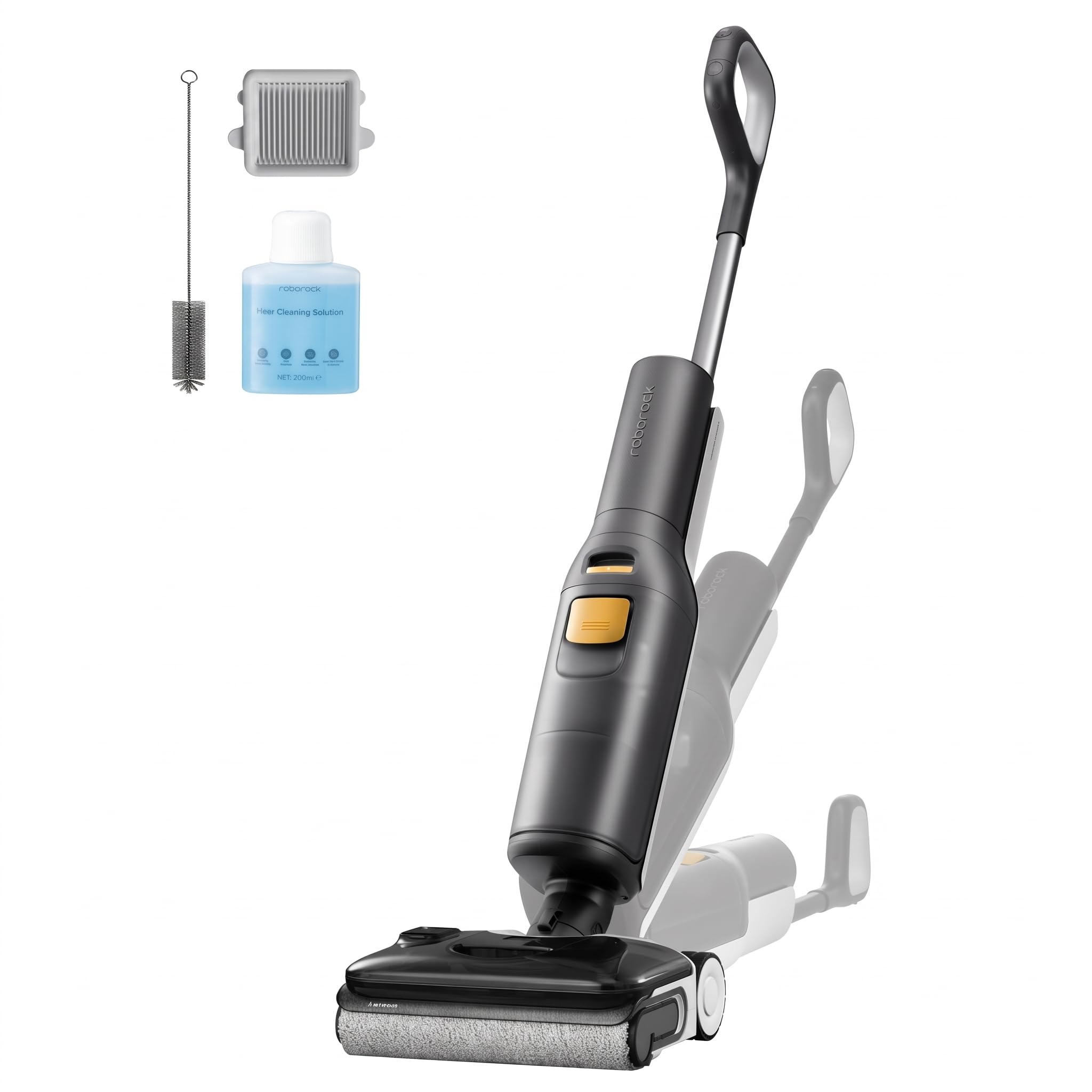
1. Shark Navigator Lift-Away Vacuum
- Powerful multi-surface suction for carpets
- Lift-Away pod cleans stairs and furniture
- Specialized tool removes embedded pet hair
- HEPA filter traps dust and allergens

2. Bissell 2033 Featherweight Stick Lightweight Bagless
- Converts to stick, hand, stair vacuum
- Weighs under 4 pounds, easy carry
- Crevice tool reaches tight spaces
- Powerful suction for hard floors
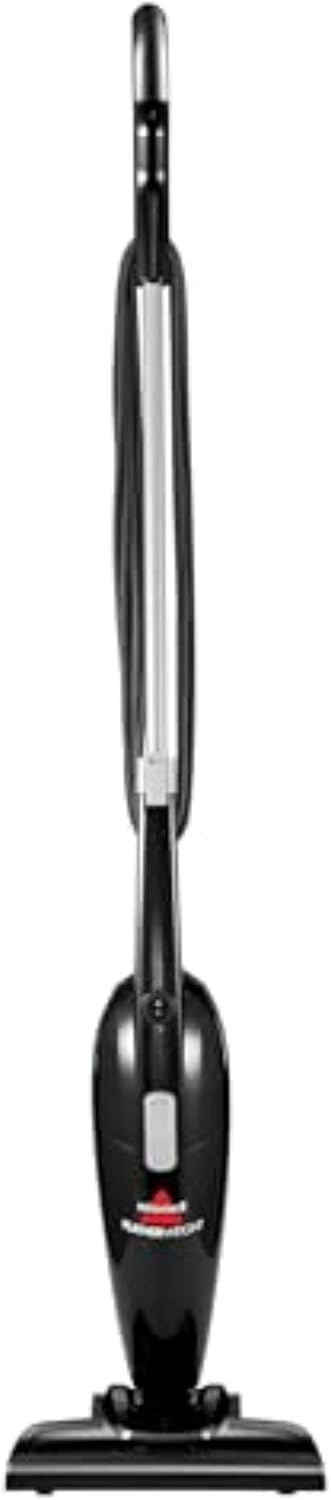
3. Bissell 2033m Featherweight Stick Lightweight Bagless
- Three-in-one stick, hand, stair vacuum
- Ultra-light under four pounds
- Crevice tool reaches tight spaces
- Powerful suction for hard floors
Suction Power and Motor Design Explained
Suction power is the heart of any vacuum. A weak motor leaves dirt behind, no matter how fancy the attachments look. Airflow and lift work together to pull debris from deep in carpet fibers.
Upright vacuums often use a motorized brush roll. This beats dirt out of carpets and lifts pet hair fast. Stick models rely more on airflow, so they work best on hard floors and low-pile rugs.
- Airflow Rating: Higher airflow moves more dirt and dust into the bin quickly.
- Brush Roll Type: Motorized brushes deep-clean carpets and grab stubborn pet hair.
- Sealed System: A sealed design keeps suction strong and stops dust from leaking out.
- Motor Longevity: Quality motors run cooler and last for many years of regular use.
- Noise Level: Quieter motors are nicer for apartments and homes with light sleepers.
Do not judge power by looks alone. Instead, check how the motor and brush work as a team. That combo decides how clean your floors really get.
Filtration Systems and Allergy Relief
Filtration protects your lungs, not just your floors. Fine dust, pollen, and pet dander float in the air after cleaning. A good filter traps these particles before they reach your nose.
HEPA filters capture tiny particles with high efficiency. This matters a lot if you have asthma, allergies, or pets. Also, a sealed system keeps dirty air from leaking back into the room.
- HEPA Standard: True HEPA filters trap fine dust and common allergens effectively.
- Sealed Design: A sealed body stops unfiltered air from escaping around the bin.
- Washable Filters: Reusable filters cut long-term costs but need regular rinsing.
- Filter Replacement: Check how often filters need swapping and how easy they are to find.
- Exhaust Direction: Clean exhaust air keeps dust from blowing across your furniture.
If clean air matters to your family, never skip this step. In fact, filtration often matters more than raw suction for allergy sufferers.
Weight, Maneuverability, and Daily Comfort
Comfort decides how often you actually vacuum. A heavy machine stays in the closet. A light, nimble vacuum gets used every week without complaint.
Think about stairs, tight corners, and under-furniture spots. Swivel steering and a low profile help a lot here. Stick vacuums win on speed, while uprights win on deep cleaning power.
- Total Weight: Lighter models are easier to lift and carry up stairs.
- Swivel Head: Rotating heads glide around furniture and tight corners with ease.
- Handle Grip: A padded, ergonomic handle reduces hand and wrist strain.
- Cord Length: Longer cords reach more rooms without unplugging.
- Storage Footprint: Compact models fit small closets and tight apartment corners.
Try to picture your daily routine before you buy. If you hate hauling heavy gear, a lightweight stick model will serve you better.
Bin Capacity, Bagless Design, and Maintenance
Bin size affects how often you stop cleaning to empty it. Small bins fill fast in pet homes. Large bins mean longer cleaning sessions with fewer breaks.
Bagless models save money on bags over time. However, they need frequent filter cleaning to keep suction strong. Bagged models hold more dust and release less into the air when emptied.
- Bin Volume: Bigger bins suit large homes and heavy pet hair loads.
- Emptying Ease: A quick-release bottom makes dumping dirt fast and clean.
- Filter Care: Rinse or replace filters on schedule to protect motor life.
- Bag vs Bagless: Bags trap dust better, while bagless bins cut ongoing costs.
- Parts Access: Easy-to-find belts, filters, and brushes keep repairs simple.
Good upkeep keeps any vacuum running like new. Therefore, pick a model with filters and parts you can actually find and afford.
Attachments, Tools, and Surface Versatility
The right tools turn one vacuum into many. A crevice tool reaches sofa seams and car seats. A brush head lifts dust from blinds and vents. Pet tools grab hair from upholstery fast.
Versatility matters in homes with mixed flooring. You may need one head for carpet and another for tile. Also, a lift-away or handheld mode helps clean stairs and above-floor spots.
- Crevice Tool: Reaches tight gaps along walls, baseboards, and furniture edges.
- Upholstery Brush: Lifts pet hair and dust from sofas, chairs, and mattresses.
- Dusting Brush: Cleans blinds, shelves, and delicate surfaces without scratching.
- Pet Hair Tool: Rubber or bristle heads pull embedded fur from carpets fast.
- Extension Wand: Adds reach for ceilings, fans, and high corners.
Check what comes in the box before you buy. Extra tools often cost more later, so bundled kits offer better value.
Common Mistakes to Avoid When Buying a Vacuum
Many shoppers focus on the wrong things. They chase low prices or flashy ads instead of real performance. This leads to weak suction, broken parts, and quick returns.
Others ignore their own home layout. A cordless stick may fail in a carpeted house. A heavy upright may frustrate someone in a small apartment. Match the tool to the job, always.
- Ignoring Floor Type: Buying a hard-floor model for thick carpet leads to poor cleaning.
- Chasing Lowest Price: Cheap motors wear out fast and cost more over time.
- Skipping Filter Checks: Poor filtration spreads dust and hurts indoor air quality.
- Overlooking Weight: Heavy vacuums cause fatigue and get used less often.
- Forgetting Maintenance: No plan for filters or belts means short vacuum life.
Avoiding these traps saves money and stress. In fact, a smart buyer checks needs first and specs second.
Quick Comparison: Shark vs Bissell Models
These three models serve different buyers well. The Shark NV360 suits carpeted homes with pets. The Bissell Featherweight stick models fit hard floors and small spaces.
Never skip filter maintenance. A clogged filter is the number one cause of weak suction. Rinse washable filters monthly and let them dry fully before you put them back.
Both Bissell options share the same stick design in different colors. They are light, simple, and easy to store. The Shark offers deeper cleaning power and HEPA filtration for allergy needs. For complementary recommendations and expert testing advice, see our guide on Top 10 Best Commercial Vacuum Cleaner.
- Shark NV360: Best for carpets, pet hair, and allergy relief with HEPA filtration.
- Bissell 2033 (Blue): Best for hard floors, quick cleanups, and small apartments.
- Bissell 2033M (Black): Same stick design as the blue model in a darker finish.
- Weight Winner: Bissell stick models are far lighter and easier to carry.
- Deep Clean Winner: Shark upright design lifts more dirt from thick carpet.
Pick based on your floors and lifestyle. A carpet-heavy home needs the Shark. A hard-floor apartment works great with a Bissell stick.
Frequently Asked Questions
What Is the Most Important Factor in How to Choose the Best Vacuum Cleaner for Home?
Floor type comes first. Carpets need strong suction and a motorized brush. Hard floors work well with lighter stick models. Once you know your floors, other choices get much easier.
Is a HEPA Filter Really Necessary?
Yes, if anyone in your home has allergies or pets. HEPA filters trap fine dust and dander that normal filters miss. This keeps your indoor air cleaner after every cleaning session.
Are Bagless Vacuums Better Than Bagged Models?
It depends on your priorities. Bagless models save money on bags and let you see the dirt. Bagged models trap dust better and hold more before emptying. Both work well with proper care.
How Often Should I Clean My Vacuum Filter?
Rinse washable filters about once a month. Replace non-washable filters every three to six months. Always let filters dry fully before reuse to avoid mold and motor damage.
Can a Lightweight Stick Vacuum Handle Pet Hair?
It can handle light pet hair on hard floors and low rugs. For thick carpets and heavy shedding, an upright with a motorized brush works much better.
What Warranty Should I Look For?
Look for at least a one-year warranty on the motor and battery. Longer coverage shows the maker trusts its build quality. Keep your receipt and register the product right away.
Conclusion: Final Verdict and Buying Advice
Choosing a vacuum does not have to be hard. Focus on your floors, your pets, and your daily routine. These three factors guide every smart decision you make.
Remember the core lesson of How to Choose the Best Vacuum Cleaner for Home: match the tool to the job. The Shark Navigator NV360 shines in carpeted, pet-friendly homes. The Bissell Featherweight stick models win for hard floors and small spaces.
Also, plan for maintenance from day one. Clean filters, check belts, and empty bins often. This simple habit keeps suction strong and extends the life of your vacuum for years.
Finally, buy with confidence, not impulse. Read the specs, check the tools, and think about your space. Do that, and you will enjoy cleaner floors and fresher air every single day.
| Option / Model | Primary Strength | Best Suited For | Verdict |
|---|---|---|---|
| Shark Navigator Lift-Away Vacuum | Maximum durability & top performance | Demanding power users | Top Pick |
| Bissell 2033 Featherweight Stick Lightweight Bagless | Exceptional balance of cost & features | Everyday households | Best Value |
| Bissell 2033M Featherweight Stick Lightweight Bagless | Compact footprint & intuitive controls | Casual / Entry-level | Budget Pick |