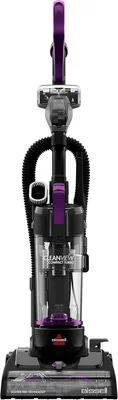
What to Look for in a Lightweight Vacuum Today
Finding a vacuum that is easy to carry should not mean giving up cleaning power. In fact, What to Look for in a Lightweight Vacuum Today comes down to balance. You want a machine that glides across floors without tiring your arm.
Many shoppers feel stuck between heavy uprights and weak handhelds. They worry a light vacuum will not pick up pet hair or deep dust. Also, they fear cords that are too short or bins that fill up fast.
This guide protects your investment by breaking down real engineering details. You will learn how to judge suction, weight, and filtration before you buy.
- Weight Balance: Look for models under 10 pounds that place the motor near the floor for easier pushing.
- Suction Path: A sealed airway and strong airflow matter more than raw motor wattage for deep cleaning.
- Filtration Type: HEPA or multi-cyclonic systems trap fine dust and keep it from blowing back into your room.
- Bin Capacity: A bin between 0.5 and 1 liter reduces how often you stop to empty it during a full-home clean.
- Cord Length: A cord of at least 20 feet lets you clean multiple rooms without hunting for a new outlet.
Essential Buying Criteria for What to Look for in a Lightweight Vacuum Today
Start by thinking about your home, not the box. A vacuum that works in a studio may fail in a house with three carpeted bedrooms. Therefore, match the tool to your floor types and storage space.
Next, check the weight distribution. A heavy motor at the top makes your wrist ache. However, a low center of gravity keeps the vacuum stable and easy to steer. For our comprehensive category overview and core buyer criteria, explore our cornerstone guide to How to Choose the Best Vacuum Cleaner for Home.
- Home Size: Small apartments need compact bins, while large homes need longer cords and bigger tanks.
- Floor Type: Hardwood and tile need soft brushes, but carpets need a motorized brush roll to lift fibers.
- User Strength: If you have wrist or back pain, choose a model under 8 pounds with a swivel head.
- Storage Space: Measure your closet or utility hook before you buy a stick vacuum with a wall mount.
- Noise Level: Light vacuums often run quieter, which helps in apartments with thin walls.
Finally, think about the tools included. A crevice tool and a dusting brush turn a floor vacuum into a full cleaning system.
Top Recommended Options for Busy Homes
Here are three proven lightweight choices that balance power and portability. Each one fits a different cleaning style and budget.
Do not judge a vacuum by wattage alone. A 400-watt motor with a leaky seal performs worse than a 300-watt motor with a tight airway. Always check for a sealed system.
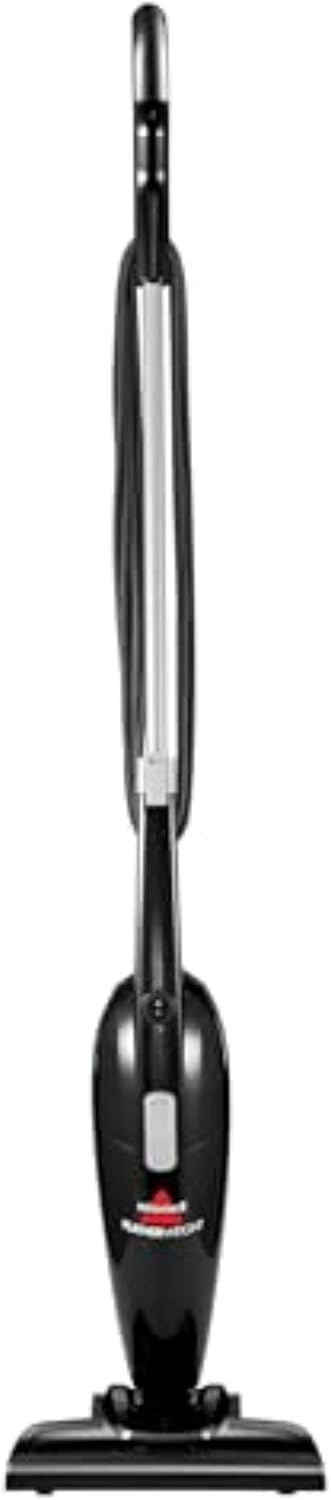
1. Bissell 2033m Featherweight Stick Lightweight Bagless
- Converts to stick, hand, stair vacuum
- Weighs under four pounds, easy carry
- Crevice tool reaches tight spaces
- Powerful suction for hard floors

2. Bissell 2033 Featherweight Stick Lightweight Bagless
- Converts to stick, hand, stair vacuum
- Weighs under four pounds, easy carry
- Crevice tool reaches tight spaces
- Powerful suction for hard floors and rugs

3. Shark Rocket Pet Plus Corded Stick Vacuum
- Converts to handheld for stairs
- Deep cleans carpets and hard floors
- Corded power, no charging needed
- Lightweight under 10 lbs.
Weighing Total Machine Weight Against Cleaning Reach
Weight is the first thing you notice when you pick up a vacuum. However, total weight is not the whole story. A 9-pound vacuum with a balanced handle feels lighter than a 7-pound model with a top-heavy motor.
Reach matters just as much. A light vacuum that cannot reach under a sofa forces you to move furniture. Therefore, look for a low-profile head and a long wand.
- Handle Grip: A padded loop or ergonomic trigger reduces hand fatigue during long sessions.
- Wand Length: A wand of 24 to 30 inches helps you reach ceilings and under beds without bending.
- Head Height: A slim nozzle under 3 inches slides under low furniture with ease.
- Swivel Steering: A rotating head lets you turn around table legs and chairs without lifting the unit.
- Carry Weight: If you plan to carry the vacuum upstairs, aim for a total weight under 8 pounds.
Also, test the balance in the store if you can. Lift the vacuum by the handle and feel where the weight sits. A well-balanced tool protects your joints and makes cleaning faster.
Suction Power and Airflow: The Real Performance Metrics
Marketing often pushes wattage as the key number. However, wattage measures electricity use, not cleaning power. In fact, airflow and sealed suction tell you how well a vacuum lifts dirt.
Airflow is measured in cubic feet per minute, or CFM. A higher CFM means more air moves through the nozzle to carry debris into the bin. Sealed suction, measured in inches of water lift, shows how strongly the vacuum holds onto dirt.
- Airflow Rating: Look for at least 60 CFM for hard floors and 80 CFM for carpets.
- Sealed Suction: A rating above 50 inches of water lift indicates strong pickup on deep pile.
- Brush Roll Speed: A motorized brush spinning above 3,000 RPM agitates carpet fibers for better dirt release.
- Air Path Design: A straight, short air path reduces clogs and keeps suction strong as the bin fills.
- Motor Type: A brushless motor lasts longer and holds power better than a standard brushed motor.
Therefore, read the specs for CFM and water lift when available. If a brand hides these numbers, look for user feedback about pickup on pet hair and cereal spills.
Filtration Systems and Indoor Air Quality
A lightweight vacuum can stir up fine dust if its filter is poor. This matters for allergy sufferers and homes with pets. Therefore, filtration is a health feature, not just a spec sheet line.
Most light vacuums use a cyclonic system to spin dust out of the air. Then, a pre-motor filter catches larger particles. Finally, an exhaust filter traps the smallest bits before air leaves the machine.
- HEPA Media: A true HEPA filter captures 99.97 percent of particles down to 0.3 microns.
- Cyclone Count: More cyclones separate fine dust better and keep the main filter cleaner for longer.
- Sealed Allergen System: Rubber gaskets and tight seams stop dust from leaking out of the bin area.
- Washable Filters: Rinsable foam and felt filters save money and reduce waste over time.
- Post-Motor Filter: A final carbon or HEPA layer traps motor carbon dust and odors.
Also, check how easy the filter is to reach. A filter that needs tools to remove often goes uncleaned. In contrast, a twist-off cover encourages regular maintenance.
Bin Capacity, Emptying, and Debris Management
A small bin is the trade-off for a light body. However, a bin that is too small forces constant stops. Therefore, match capacity to your cleaning routine.
Bagless bins are common on lightweight models. They save money on bags but release a puff of dust when emptied. A bottom-release door helps, but you still need to empty it over a trash can.
- Capacity Range: A 0.5-liter bin suits quick cleanups, while 1 liter or more handles full rooms.
- Emptying Mechanism: A one-touch bottom dump reduces hand contact with dirt and pet hair.
- Bin Material: Clear polycarbonate resists cracking and lets you see the fill level at a glance.
- Debris Type: Fine dust compacts less than cereal, so a larger bin helps with powdery messes.
- Rinsing: A removable bin that separates from the motor unit is easier to wash and dry.
Furthermore, think about where you empty the bin. If you have a small kitchen trash can, a huge bin may not fit. A moderate size with a wide opening works best for most homes.
Corded Versus Cordless: Power and Convenience Trade-Offs
Cordless vacuums offer freedom, but they lose suction as the battery drains. Corded models keep full power until you unplug them. Therefore, your choice depends on job size and runtime needs.
A corded stick vacuum like the Bissell Featherweight series runs as long as you need. It also tends to be lighter because it lacks a heavy battery pack. However, you must manage the cord around furniture.
- Runtime: Cordless models often run 15 to 40 minutes, depending on power mode.
- Battery Decay: Lithium-ion batteries lose capacity over years, which shortens cleaning sessions.
- Cord Length: A 20- to 30-foot cord covers a large room without switching outlets.
- Charging Time: Many cordless vacuums need 3 to 4 hours to fully recharge.
- Peak Power: Corded motors deliver consistent airflow, which matters for deep carpet cleaning.
Also, consider the noise. Corded motors often run louder, while cordless models are quieter but weaker. For shared walls, a cordless model on low power may be the better neighbor.
Maintenance, Durability, and Long-Term Value
A lightweight vacuum lasts longer when you care for it. Dust buildup in the filter and brush roll is the top cause of weak suction. Therefore, a simple monthly routine protects your investment.
If you have a multi-story home, a corded vacuum with a long cord may still require outlet changes. Measure your room layout and plan where you will plug in before you buy.
Check the brush roll for hair and string. Also, rinse washable filters and let them dry fully before reuse. A wet filter can damage the motor and create odors.
- Filter Cleaning: Rinse foam filters monthly and replace HEPA filters every 6 to 12 months.
- Brush Roll Care: Cut wrapped hair with scissors and remove it from the bristles.
- Bin Washing: Wash the bin with mild soap, then dry it completely to prevent mold.
- Belt Check: A worn belt slips and reduces brush speed, so replace it when it looks stretched.
- Storage: Store the vacuum indoors and avoid damp garages that rust metal parts.
Finally, keep the manual and note the filter part numbers. Buying the right replacement filter is easier when you have the model number handy. For broader testing and full category recommendations, explore our in-depth guide to 7 Best Cordless Vacuum Cleaners.
Frequently Asked Questions About Lightweight Vacuums
What Is the Best Weight for a Lightweight Vacuum?
Most users find 5 to 10 pounds comfortable. However, balance matters more than total weight. A well-balanced 9-pound vacuum feels lighter than a top-heavy 7-pound model.
Can a Lightweight Vacuum Clean Pet Hair on Carpets?
Yes, if it has a motorized brush roll and strong airflow. Look for a model with a tangle-free brush and sealed suction. Corded models often handle pet hair better than cordless ones.
How Often Should I Clean the Filter?
Rinse washable filters once a month for normal use. If you have pets or allergies, clean them every two weeks. Always let filters dry for 24 hours before putting them back.
Is a Bagless Vacuum Better Than a Bagged One?
Bagless models save money on bags and let you see the dirt. However, bagged models trap dust better and are easier to empty. For allergy sufferers, a bagged or sealed bagless system works best.
What Is What to Look for in a Lightweight Vacuum Today If I Have Hard Floors Only?
Focus on soft brush rolls and strong airflow. A hard-floor setting stops the brush from spinning, which prevents scattering debris. Also, choose a slim nozzle that reaches under cabinets.
Conclusion: Final Verdict and Buying Advice
Choosing the right lightweight vacuum comes down to your home and your body. First, weigh the machine and check the balance. Next, confirm the suction and filtration meet your needs.
Also, match bin size and cord length to your floor plan. A vacuum that is easy to empty and reach with will get used more often. Therefore, prioritize daily comfort over a long list of extras.
Finally, remember that maintenance keeps any vacuum strong. Clean the filter, clear the brush roll, and store it properly. With these steps, your lightweight vacuum will protect your floors and your time for years.
Use this guide as your checklist. Then, pick the model that fits your grip, your floors, and your storage space.
| Option / Model | Primary Strength | Best Suited For | Verdict |
|---|---|---|---|
| Bissell 2033M Featherweight Stick Lightweight Bagless | Maximum durability & top performance | Demanding power users | Top Pick |
| Bissell 2033 Featherweight Stick Lightweight Bagless | Exceptional balance of cost & features | Everyday households | Best Value |
| Shark Rocket Pet Plus Corded Stick Vacuum | Compact footprint & intuitive controls | Casual / Entry-level | Budget Pick |