Why Is My Dog Scared of the Vacuum Cleaner
Many dogs react with fear to vacuum cleaners due to their loud noise, erratic movement, and unfamiliar appearance. This common phobia stems from a dog’s natural instincts, often triggering flight, fight, or freeze responses. Understanding these root causes and implementing gradual desensitization and positive reinforcement can significantly reduce your dog’s stress and help them cope.
Why Is My Dog Scared of the Vacuum Cleaner
It’s a common scenario in many households: you pull out the vacuum cleaner, and your once brave, boisterous dog transforms into a quivering mess, barking frantically, or bolting for cover under the nearest bed. This intense fear of the vacuum cleaner is a widespread issue among canines, leaving many dog owners scratching their heads and wondering, “Why is my dog scared of the vacuum cleaner?” You’re not alone in observing this peculiar phobia, and understanding its roots is the first step toward helping your furry friend.
The whirring beast that cleans our floors can be genuinely terrifying for a dog. It’s not just a minor inconvenience; for some dogs, it can trigger significant anxiety and stress. As responsible pet parents, we want our dogs to feel safe and comfortable in their home, even during routine chores. So, let’s dive deep into the reasons behind this common fear and explore practical, compassionate ways to help your dog overcome their aversion to the noisy cleaning machine.
The good news is that with patience, understanding, and the right approach, you can help your dog learn to tolerate, and perhaps even ignore, the vacuum cleaner. It takes time and consistency, but seeing your dog less stressed during cleaning time is incredibly rewarding. Let’s uncover the mysteries of this canine fear and arm you with the knowledge to make vacuuming a less frightening experience for your beloved companion.
Key Takeaways
- Understanding the Fear: Dogs are often scared of vacuums due to loud, unfamiliar noises, unpredictable movements, and the machine’s strange appearance, triggering their natural fight-or-flight instincts.
- Common Reactions: Fear can manifest as barking, hiding, shaking, whimpering, lip-licking, or even aggression, indicating significant distress.
- Desensitization is Key: Gradually introducing your dog to the vacuum, starting from a distance and slowly increasing proximity and noise, is crucial for helping them adapt.
- Positive Reinforcement Works: Pair positive experiences, like high-value treats and praise, with the vacuum cleaner’s presence to create new, positive associations.
- Create a Safe Space: Ensure your dog has a designated “safe zone” away from the vacuum where they can retreat and feel secure during cleaning times.
- Management and Prevention: Sometimes, simply vacuuming when your dog is elsewhere or using quieter alternatives can prevent stress. Early positive exposure is vital for puppies.
- When to Seek Help: If your dog’s fear is extreme, persistent, or escalates into aggression, consulting a professional dog trainer or veterinary behaviorist is highly recommended.
Quick Answers to Common Questions
Can dogs ever get used to the vacuum cleaner completely?
Yes, many dogs can learn to tolerate or even ignore the vacuum cleaner with consistent positive reinforcement and desensitization training. While some may never love it, they can learn to cope without extreme fear.
Is it okay to vacuum while my dog is in the same room if they’re just hiding?
It’s generally not recommended. If your dog is hiding, it indicates they are still experiencing fear. Forcing them to endure the vacuum in the same room can intensify their anxiety over time rather than diminishing it.
Should I comfort my dog when they’re scared of the vacuum?
While your instinct might be to comfort, overly coddling a fearful dog can sometimes inadvertently reinforce their fearful behavior. It’s better to stay calm, provide a safe space, and use positive reinforcement when they show brave or calm behavior, rather than focusing on their fear directly.
Can a silent vacuum cleaner solve the problem?
While a quieter vacuum can certainly help reduce the auditory trigger, a dog’s fear might also stem from the vacuum’s appearance and movement. It might reduce the intensity of the fear, but complete resolution often still requires some form of desensitization.
How long does it take to train a dog to not be scared of the vacuum?
The timeline varies greatly depending on the dog’s personality, the severity of their fear, and the consistency of the training. It can range from a few weeks to several months. Patience is key, and it’s essential not to rush the process.
📑 Table of Contents
Understanding the Root Causes of Vacuum Fear
When we ask, “why is my dog scared of the vacuum cleaner,” we need to consider the world from a dog’s perspective. Their sensory experience is vastly different from ours, and what seems mundane to us can be genuinely overwhelming for them. Several factors contribute to this common fear.
The Loud Noise Factor
Dogs have incredibly sensitive hearing, far superior to humans. What sounds like a moderate hum to us can be an ear-splitting roar to them. Vacuum cleaners produce high decibel levels, especially older models or those with powerful motors. This sudden, loud, and sustained noise can be startling and painful for a dog’s ears, triggering an instinctive flight response. They can’t rationalize that the noise is harmless; their immediate reaction is to perceive it as a threat. The frequency of the sound also plays a role; some high-pitched whirs might be particularly grating to a dog’s auditory senses.
The Strange Appearance and Movement
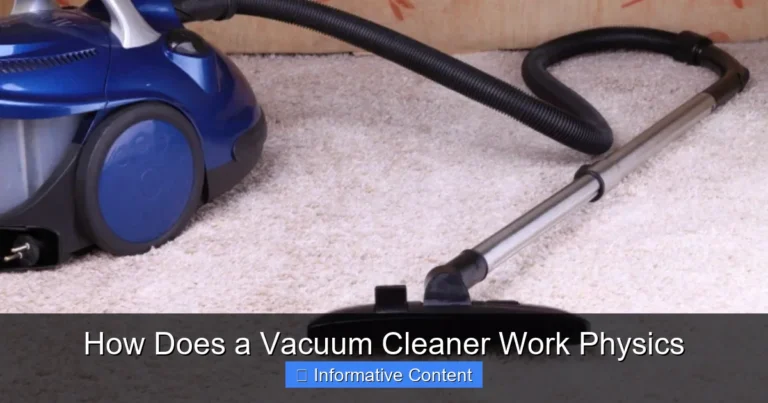
Imagine a large, wheeled monster that moves erratically, sometimes lunging forward, sometimes pulling back, and sometimes even bumping into furniture. From a dog’s point of view, a vacuum cleaner is an alien object. It doesn’t smell like a living thing, yet it moves with purpose and makes loud noises. Its peculiar shape and how it glides across the floor can be alarming, especially when it approaches them. Dogs rely heavily on visual cues and familiar patterns, and a vacuum cleaner breaks all these rules.
Unpredictability and Lack of Control
Dogs thrive on routine and predictability. The vacuum cleaner often appears suddenly, usually when you decide to clean, disrupting their peaceful environment. They have no control over its movement or noise, which can be a significant source of anxiety. This lack of control over a perceived threat can lead to heightened stress and a strong desire to escape the situation. They don’t understand that you are in control of this “monster”; they just see it as an uncontrollable, threatening entity.
Negative Past Experiences
Sometimes, a dog’s fear isn’t just innate; it’s learned. A puppy might have had a frightening encounter with a vacuum cleaner during its critical socialization period, perhaps being startled by it or even accidentally getting bumped. Even an older dog might have developed fear after a particularly intense or prolonged cleaning session, cementing a negative association. These experiences, even if seemingly minor to us, can leave a lasting impression and reinforce the answer to “why is my dog scared of the vacuum cleaner.”
How Dogs Express Their Fear
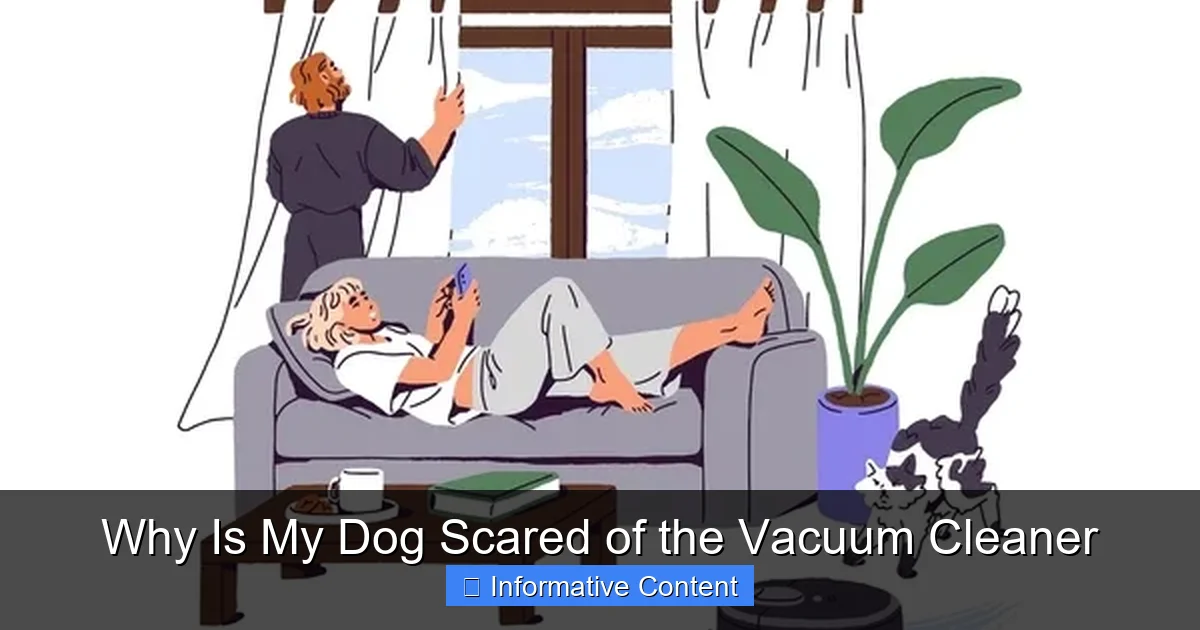
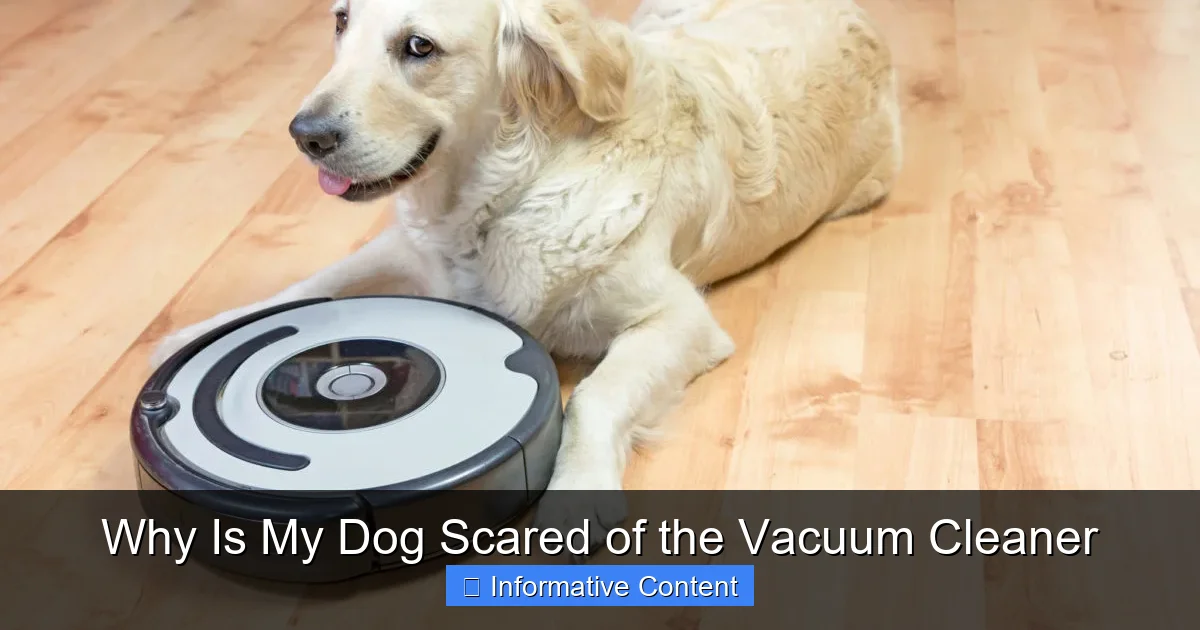
Visual guide about Why Is My Dog Scared of the Vacuum Cleaner
Image source: shutterstock.com
Recognizing the signs of fear in your dog is crucial. Sometimes, their distress is obvious, but other times, it can be subtle. Understanding these cues will help you respond appropriately and validate your dog’s feelings.
Obvious Signs of Distress
When a dog is genuinely scared, their reactions can be quite pronounced. These include:
- Barking or Growling: Often a defensive posture, trying to scare the vacuum away.
- Whimpering or Crying: A clear sign of distress and discomfort.
- Hiding: Seeking refuge under furniture, in another room, or behind you.
- Shaking or Trembling: An involuntary physiological response to fear.
- Panting Excessively: Even if it’s not hot, fear can cause rapid breathing.
- Pacing: Restlessness and an inability to settle.
- Urination/Defecation: In extreme cases, a dog might lose bladder or bowel control due to intense fear.
Subtle Cues You Might Miss
Dogs often show more subtle signs of stress before their fear escalates. Learning to read these can help you intervene sooner:
- Lip Licking: Not necessarily because they’re hungry; it’s a common calming signal.
- Yawning: Another calming signal, often out of context from being tired.
- Ears Pinned Back: Indicates apprehension or fear.
- Tail Tucked Low: A classic sign of insecurity or fear.
- Stiff Body Language: Your dog might become rigid or frozen in place.
- Avoiding Eye Contact: Turning their head away or averting their gaze.
- Excessive Grooming: Licking paws or other body parts to self-soothe.
Fight, Flight, Freeze Responses
These are instinctual reactions to perceived threats.
- Flight: The most common response to a vacuum, where the dog tries to escape or hide.
- Fight: Less common but possible, especially if the dog feels trapped. This can manifest as barking, growling, lunging, or even biting.
- Freeze: The dog might become completely still, sometimes appearing “stuck” or paralyzed by fear.
Recognizing these responses is crucial when addressing why is my dog scared of the vacuum cleaner, as it guides your training approach.
The Impact of Breed and Personality
While fear of vacuums is widespread, some dogs are more predisposed to it than others. Understanding your dog’s individual characteristics can further explain why is my dog scared of the vacuum cleaner.
Sensitive Breeds and Individuals
Certain dog breeds are known for being more sensitive to sounds or stimuli. Herding breeds, for instance, can be highly reactive to movement and noise. Terriers, with their keen senses, might also be more prone to auditory sensitivities. However, it’s not strictly breed-dependent; individual temperament plays a huge role. Some dogs are simply born with a more anxious disposition or are more easily startled than others, regardless of their breed.
Past Trauma and Socialization
A dog’s past experiences significantly shape their reactions. Rescue dogs, especially those with unknown histories, might have existing anxieties or traumas that make them more susceptible to fear responses. Poor socialization during puppyhood, where they weren’t exposed to various sights and sounds in a positive way, can also lead to heightened fears later in life. A dog who never heard a vacuum cleaner until adulthood might find it much more terrifying than one gently introduced to it as a puppy.
Practical Strategies to Help Your Dog Cope
Now that we’ve explored why is my dog scared of the vacuum cleaner, let’s talk about what you can do to help. The key is a gradual, positive approach.
Desensitization: A Step-by-Step Approach
Desensitization means gradually exposing your dog to the vacuum cleaner in a way that doesn’t trigger fear, slowly building their tolerance.
- No Vacuum, Just Presence: Start by simply having the vacuum cleaner in a visible but non-threatening location. Leave it unplugged and let your dog inspect it at their own pace. Reward any calm curiosity with treats.
- The Vacuum is “Off”: Move the vacuum to different parts of the room, still unplugged. Again, reward calm behavior. You can even roll it slightly without turning it on.
- Plugged In, Still Off: Plug the vacuum in, but don’t turn it on. The mere act of plugging it in might be a trigger for some dogs. Reward calmness.
- Brief, Quiet Noise: Turn the vacuum on for just a second or two, from a distance (e.g., in another room with the door ajar). Immediately turn it off. Give your dog a treat if they remain calm. Repeat this, gradually increasing the duration and decreasing the distance over many sessions.
- Gradual Movement: Once your dog is comfortable with the noise from a distance, slowly introduce movement. Turn it on briefly, move it a tiny bit, then turn it off. Always pair this with treats and praise.
This process can take weeks or even months. Never rush it, and always stop if your dog shows signs of distress. The goal is to keep them *under* their fear threshold.
Counter-Conditioning: Changing Associations
Counter-conditioning involves changing your dog’s emotional response from fear to something positive.
- Treats Galore: Every time the vacuum is out or turned on, give your dog high-value treats (their absolute favorites!). The moment the vacuum appears, treats rain down. When it disappears, the treats stop. This helps your dog associate the vacuum with delicious rewards.
- Play Time: If your dog is toy-motivated, engage them in a fun game of fetch or tug *when the vacuum is off but present*. Gradually, you can introduce very short periods of vacuum noise during play, as long as your dog remains engaged and happy.
- Calming Music: Play calming classical music or white noise before and during vacuuming to help mask some of the vacuum’s sound and create a more soothing environment.
Creating a Safe Space
Provide your dog with a designated safe haven during vacuuming.
- Crate Training: If your dog is crate trained and enjoys their crate, cover it with a blanket and place it in a quiet room with a treat-filled toy (like a Kong) before you start vacuuming.
- Another Room: Simply putting your dog in a separate room with a closed door, perhaps with some background music or a fan, can be incredibly effective.
- Calming Aids: Consider using a thundershirt, calming pheromone diffusers (like Adaptil), or vet-approved calming supplements if your dog’s anxiety is particularly severe. Always consult your vet before administering any supplements.
Management Techniques
Sometimes, the simplest solution is to manage the situation to prevent fear altogether.
- Vacuum When They’re Out: If possible, vacuum when your dog is out for a walk, at doggy daycare, or visiting a friend.
- Use Quieter Alternatives: For lighter clean-ups, consider using a broom, a quieter stick vacuum, or a robot vacuum that your dog might be less afraid of. Introduce these alternatives gradually too.
- Noise Cancelling: For severe cases, some owners use dog-specific ear protection, like Mutt Muffs, though this requires desensitization on its own.
When to Seek Professional Help
While many dogs can make progress with consistent training at home, sometimes the fear is too deeply ingrained or severe to manage alone.
Persistent or Extreme Fear
If your dog’s fear of the vacuum cleaner is causing extreme distress, leading to destructive behavior, aggression, or a complete inability to cope despite your best efforts, it’s time to call in the experts. Ignoring severe phobias can lead to a decline in your dog’s overall well-being and potentially escalate other anxieties.
Behavioral Consultations
A certified professional dog trainer or a certified animal behaviorist can provide tailored guidance. They can assess your dog’s specific triggers and fear levels, develop a customized desensitization and counter-conditioning plan, and teach you advanced techniques. They can also help identify if there are underlying anxiety issues that contribute to why is my dog scared of the vacuum cleaner.
Veterinary Check-ups
It’s always a good idea to rule out any medical reasons for behavioral changes. Sometimes, pain or an underlying health issue can make a dog more irritable, sensitive to noise, or anxious. Your vet can also discuss anxiety medications if appropriate, to help your dog relax enough to engage in behavioral training.
Preventing Fear in Puppies and New Dogs
Prevention is always better than cure, especially when addressing why is my dog scared of the vacuum cleaner.
Early Positive Exposure
For puppies, the socialization period (up to 16 weeks) is critical. Expose them gently to various sights, sounds, and experiences, including the vacuum cleaner, in a positive way.
Gentle Introductions
Start by letting your puppy see and smell the unplugged vacuum. Offer treats nearby. When they are comfortable, turn it on briefly from a distance, always pairing it with treats and praise. Keep these sessions short and positive, ensuring they never feel overwhelmed. The goal is to build a positive association from the start, so they never develop the intense fear that plagues many adult dogs.
Conclusion
The question “Why is my dog scared of the vacuum cleaner?” is a valid one, and the answer lies in a combination of sensory overload, unfamiliarity, lack of control, and possibly past negative experiences. For our canine companions, the vacuum is not just a cleaning tool; it’s often a noisy, moving, unpredictable monster.
The journey to helping your dog overcome this fear requires patience, empathy, and consistent positive reinforcement. Remember to always work below your dog’s fear threshold, celebrating small victories along the way. Whether it’s through careful desensitization, counter-conditioning with delicious treats, creating a safe retreat, or simply managing the situation, your efforts will contribute to a happier, less anxious pet. And if the fear feels too big to tackle alone, never hesitate to reach out to a professional. With your understanding and support, your dog can learn that the vacuum cleaner is just a part of everyday life, not a threat, making your home a more peaceful place for everyone.
🎥 Related Video: dog is afraid of vacuum cleaner 😆🤣😂 tiktok suavexavier
📺 Daily Corn
Frequently Asked Questions
What causes a dog to be scared of vacuums?
Dogs are typically scared of vacuums due to their loud, unfamiliar noise, the machine’s strange and unpredictable movement, and its alien appearance. These factors trigger a dog’s natural fight, flight, or freeze response, as they perceive the vacuum as a potential threat.
What are common signs of a dog being afraid of the vacuum?
Common signs include barking, growling, hiding, shaking, whimpering, panting, tail tucking, lip licking, and trying to escape the room. More subtle cues can be yawning, stiff body language, or avoiding eye contact.
How can I help my dog overcome their fear of the vacuum?
You can help by using desensitization (gradually exposing them to the vacuum in small, manageable steps) and counter-conditioning (pairing the vacuum’s presence with positive experiences like treats or play). Creating a safe retreat for them during vacuuming is also very effective.
Should I force my dog to confront the vacuum to get over their fear?
No, forcing your dog to confront the vacuum is counterproductive and can worsen their fear. It can make them more anxious and distrustful. Always allow your dog to move at their own pace and ensure they never feel trapped or overwhelmed.
Are there any products that can help my dog with vacuum fear?
Yes, products like calming pheromone diffusers (e.g., Adaptil), anxiety wraps (e.g., ThunderShirt), or vet-prescribed calming supplements can sometimes help reduce overall anxiety, making training more effective. Dog-specific ear protection might also be an option for very noise-sensitive dogs.
When should I consult a professional trainer or behaviorist?
If your dog’s fear is severe, persistent, causes aggression, or if you’re not seeing progress despite consistent effort, it’s best to consult a certified professional dog trainer or veterinary behaviorist. They can provide a personalized plan and advanced techniques to help your dog.