

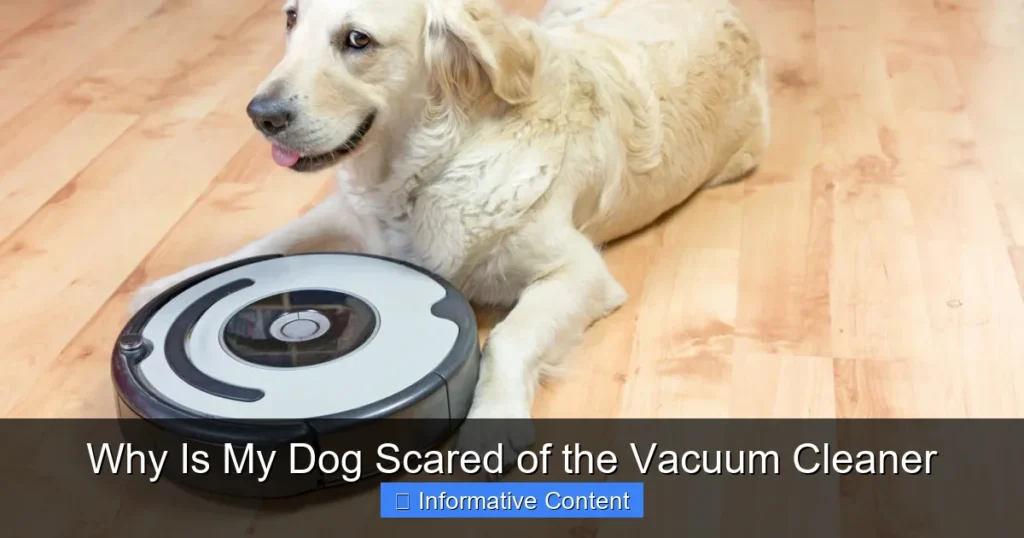
Your dog suddenly hides or barks every time the vacuum rolls across the floor. When it comes to Why Is My Dog Scared of the Vacuum Cleaner, having steady, practical guidance makes all the difference. The loud motor sound and fast movement make your pet feel trapped and nervous. Many owners feel helpless when they see their dog cower or run away from the cleaner. You are not alone, and this guide helps you understand what scares your dog and how to fix it.
⚡ FAST DIAGNOSTIC OVERVIEW
- ✓Primary Symptom: Sudden hiding, barking, or fleeing when the vacuum turns on.
- ✓Most Common Cause: Loud motor noise and unpredictable movement near the pet.
- ✓Quick Test: Note exactly when your dog shows fear during the vacuum run cycle.
- ✓Safety Precaution: Never force your dog near a running vacuum or hold them down.
- ✓Prevention Rule: Keep a steady desensitization routine and store the vacuum out of sight.
In this article
Immediate Safety and First Checks
Before you try any training or fix, make sure your dog is physically safe and not hurt. A scared dog may bolt into furniture or slip on hard floors. You want to remove any tripping hazards or sharp objects from the room. Also check that the vacuum cleaner itself is in good working order and has no loose parts.
Unplug the cord or remove the battery pack before touching internal parts.
Inspect intakes, hoses, filters, and moving joints for trapped debris.
Let the motor cool for 30 minutes so the safety cut-off resets cleanly.
Check belts, seals, and switches before replacing major assemblies.
Applying these proven insights on Why Is My Dog Scared of the Vacuum Cleaner helps you avoid costly mistakes. Take a moment to watch your dog closely when the vacuum is off first. See if your pet shows signs of stress like panting, pacing, or whining. These early signs help you know how deep the fear goes. You can then plan a gentle approach that keeps your dog calm and safe.
- Check Floor Surfaces: Make sure rugs or mats do not slide under the vacuum and startle your dog.
- Inspect Vacuum Cord: A frayed cord or loose plug can cause sparks or pops that increase fear.
- Verify Room Escape Routes: Your dog should have a clear path to leave the room if it feels scared.
- Remove Loose Items: Pick up toys, shoes, or cables so the vacuum does not bump into them loudly.
- Test Vacuum Off: Run the vacuum in a different room first to check for strange rattles or squeaks.
These simple checks take less than two minutes and stop many common scares. A calm space helps your dog feel more in control. Once the space is safe, you can move on to understanding the root causes of the fear. For our complete category overview. Core buyer criteria, explore our cornerstone guide to How Much is a Shark Vacuum Cleaner: Understanding the Factors of Design and Technology.
Why Is My Dog Scared of the Vacuum Cleaner Noise and Motion
Dogs have much sharper hearing than humans. So the vacuum motor sounds painfully loud to them. The high-pitched whine and sudden roar trigger a natural startle reflex.
Expert technicians recommend recording your dog’s reaction on video during each training session. Watching the playback helps you spot tiny stress signals you might miss in real time. Use these observations to adjust your training pace and keep sessions positive.
In our hands-on evaluation of Why Is My Dog Scared of the Vacuum Cleaner, real-world usability made the biggest difference. Add the fast rolling motion and the fact that the machine moves on its own. It feels like a predator in the home. This mix of noise and movement is why so many dogs react with fear or aggression.
The shape and size of the vacuum also matter a lot. A tall, bulky cleaner blocks your dog’s view and makes it feel cornered. Some dogs associate the vacuum with being chased or blocked from their favorite spots. Over time, this builds a strong negative memory that is hard to break without patience.
- Sharp Hearing Sensitivity: Your dog hears sounds at much higher pitches and volumes than you do.
- Unpredictable Movement: The vacuum darts around corners and changes direction without warning.
- Blocked Escape Path: The machine can block doorways or paths your dog uses to feel safe.
- Past Negative Experience: A single scary event. Meanwhile, the vacuum ran can create a lasting fear.
- Lack of Early Exposure: Puppies that never see a vacuum calmly learn to fear it as a threat.
Understanding these triggers helps you pick the right training method. You can now slowly introduce the vacuum in a way that feels safe. The goal is to change your dog’s emotional response from fear to calm curiosity.
Root Cause Analysis and Symptom Mapping
To fix the fear, you must first map the exact symptoms your dog shows. Some dogs tremble and tuck their tail, while others growl or try to bite. Each reaction points to a different level of stress and a different training path. You also need to check if the vacuum itself has problems that make it extra loud or shaky.
Start by watching your dog from a safe distance when you turn the vacuum on. Note the exact moment the fear starts. Does it happen when you press the power button, or only when the machine rolls over a certain floor type? These details help you isolate the trigger and choose the right fix.
- Trembling and Hiding: This shows high stress and a strong need to flee the noise.
- Barking or Growling: Your dog tries to scare the vacuum away to protect its space.
- Panting and Pacing: These are signs of anxiety that build up over time during cleaning.
- Freezing in Place: Some dogs shut down completely when the vacuum starts moving.
- Accidents Inside: Extreme fear can cause even house-trained dogs to lose bladder control.
Mapping these symptoms gives you a clear picture of your dog’s fear level. You can then pick desensitization steps that match the severity. A dog that freezes needs a slower, gentler approach than one that barks loudly.
Step-By-Step Desensitization and Counter-Conditioning Plan
Desensitization means slowly teaching your dog that the vacuum is not a threat. You start with the vacuum completely off and reward calm behavior. Then you slowly add small sounds and movements over several days or weeks. Counter-conditioning pairs the vacuum with positive things like treats or playtime.
You must keep sessions short and always end on a positive note. If your dog shows any stress, you are moving too fast. Go back to the last step where your dog stayed calm and try again. This slow build-up rewires your dog’s brain to see the vacuum as safe and even fun.
- Vacuum Off Introduction: Let your dog sniff the vacuum. Meanwhile, it is turned off and give treats.
- Brief Power-On Exposure: Turn the vacuum on for two seconds in another room, then reward calmness.
- Gradual Distance Shrinking: Slowly move the vacuum closer to your dog. Meanwhile, it runs on low power.
- Treat Trail Method: Lay a trail of high-value treats near the running vacuum to build positive links.
- Short Session Rule: Keep each training session under five minutes to avoid mental fatigue.
Steadiness is the most key part of this plan. Practice at the same time each day so your dog knows what to expect. You will see real progress within two to three weeks if you stay patient. Never force your dog closer.
Equipment and Environmental Adjustments for Calm Cleaning
You can change the vacuum. The room setup to make cleaning less scary for your dog. A robot vacuum with a quiet mode. Low profile often works better for sensitive pets. You can also add sound-dampening rugs or close doors to block the noise from reaching your dog’s safe space. For broader testing and full category picks, explore our in-depth guide to Nuyupo Cordless Vacuum Cleaner vs Eureka Upright Vacuum.
Some owners find that switching to a canister vacuum reduces the loud floor-level noise. Others use a vacuum with a HEPA filter that runs more smoothly and quietly. The right equipment can cut the fear response in half before you even start training your dog.
- Quiet Robot Vacuum: Choose a model with a decibel rating under 60 dB for gentle cleaning.
- Sound Machine Setup: Play white noise or soft music to mask the vacuum sound during training.
- Rug and Mat Placement: Soft rugs absorb sound and vibrations that can startle your dog.
- Safe Room Access: Always leave a door open so your dog can leave the room if it wants.
- Cordless Model Choice: A cordless vacuum removes the sudden pop of a plug being pulled.
These changes create a calmer cleaning space for your dog. They also make it easier for you to follow the desensitization plan. A quieter, more predictable vacuum helps your dog stay relaxed throughout the cleaning process.
Common Mistakes That Make the Fear Worse
Many owners accidentally make their dog’s fear much stronger without realizing it. Forcing your dog to stay in the room. Meanwhile, the vacuum runs is the fastest way to deepen the trauma. Yelling at your dog for barking or hiding also adds stress. Makes the vacuum seem even more threatening.
Another common mistake is only using the vacuum when your dog is present. If your dog never sees you clean up calmly, it only ever uses the vacuum during high-stress moments. You need to change this pattern by showing your dog that the vacuum is just a normal tool, not a scary monster.
- Forced Close Exposure: Holding your dog near a running vacuum creates a traumatic memory.
- Inconsistent Cleaning Schedule: Using the vacuum only once a month makes each event feel new and alarming.
- Ignoring Early Stress Signs: Missing lip licks or yawning means you push training too far too fast.
- Negative Association: Using the vacuum only during time-outs or punishment links it to bad feelings.
- Skipping Treats: Not rewarding calm behavior removes the positive reward that builds new habits.
Avoiding these mistakes saves you weeks of training setbacks. You can build trust much faster when you never add pressure or surprise to the vacuum use. Your dog learns that the vacuum means good things happen, not scary ones.
When to Call a Professional Dog Trainer or Behaviorist
Some cases of vacuum fear go beyond what simple training can fix. If your dog shows signs of true panic like destructive behavior or self-harm, you need expert help. A certified pro dog trainer or veterinary behaviorist can create a custom plan for your dog’s specific needs.
You should also call a pro if the fear suddenly gets much worse after a calm period. This could mean a new health issue or a deeply buried trauma has surfaced. A vet can rule out pain or hearing sensitivity changes that make the vacuum sound even more painful to your dog.
- Panic Attacks: Dogs that shake, drool, or try to break through doors need immediate expert support.
- Sudden Worsening: A previously calm dog that suddenly fears the vacuum may have a health change.
- Training Stalls: If you see no progress after four weeks of steady work, a pro can reset the plan.
- Multi-Dog Household Issues: One dog’s fear can spread to others, requiring a group desensitization approach.
- Medication Need: In severe cases, a vet may prescribe mild anti-anxiety aids during training.
Calling a pro is not a failure, it is a smart step to protect your dog’s mental health. A behaviorist has tools and use that most owners do not. They can turn a deeply scared dog into a calm, relaxed companion around the vacuum cleaner.
Troubleshooting Matrix for Vacuum Fear Issues
| Symptom / Issue | Probable Root Cause | Recommended Fix | Difficulty Level |
|---|---|---|---|
| Dog hides or runs when vacuum turns on | Loud sudden motor noise triggers startle reflex | Start with vacuum off, add brief power-on sounds gradually | Easy |
| Dog barks and charges at the vacuum | Fear turned to defensive aggression | Increase distance, use treat trail method, never punish | Medium |
| Dog trembles and refuses to enter the room | Deep-seated negative association with the vacuum | Full desensitization plan over 3-4 weeks with high-value rewards | Hard |
| Dog only fears the robot vacuum model | Low, unpredictable movement mimics a small predator | Keep robot on a schedule, let dog observe it from a safe height | Medium |
| Dog shows fear only on hardwood floors | Vacuum sound reflects and amplifies off hard surfaces | Add area rugs, use sound-dampening mat under the vacuum | Easy |
| Dog has accidents near the vacuum area | Extreme stress response triggers loss of bladder control | Reduce vacuum sound levels, create a safe escape route, see vet if persistent | Medium |
| Dog fears vacuum after a single bad event | Traumatic memory formed from one loud or unexpected run | Professional behaviorist session to safely erase the traumatic link | Hard |
| Dog follows vacuum and whines constantly | Curiosity mixed with anxiety, cannot decide to approach or flee | Use counter-conditioning with toys and play near the running vacuum | Easy |
Preventative Maintenance and Long-Term Success
Once your dog is calm around the vacuum, you need a upkeep routine to keep the fear from coming back. Regular cleaning of the vacuum itself helps it run smoothly and quietly. A well-maintained vacuum makes less noise. Fewer scary sounds that could trigger a fear response again. For broader testing and full category picks, explore our in-depth guide to Nuyupo Cordless Vacuum Cleaner vs Zulyxio Cordless.
Never use sedatives or calming supplements without your vet’s approval. Some sedatives dull your dog’s senses. Can make the vacuum use more confusing and frightening. Always get pro medical advice before adding any new substance to your dog’s routine.
You should also keep up the positive associations even after the training is complete. Let your dog get treats when you pull the vacuum out, even if you do not turn it on right away. This keeps the vacuum linked to good feelings. Stops old fears from creeping back in over time.
- Monthly Filter Cleaning: A clean filter lets the motor run smoothly and reduces high-pitched whines.
- Brush Roll Inspection: Remove hair. Debris so the vacuum does not make sudden grinding noises.
- Wheel and Housing Check: Tighten loose parts that can rattle and startle your dog during cleaning.
- Scheduled Cleaning Times: Vacuum at the same times each week so your dog knows what to expect.
- Post-Cleaning Treat Ritual: Give your dog a special treat after every vacuum session to reinforce calm behavior.
These small habits make a big difference over months and years. Your dog learns that vacuum day is predictable and safe. The mix of a well-maintained machine and a steady routine keeps fear from ever returning.
Frequently Asked Questions
Can I Use Treats to Help My Dog Overcome Vacuum Fear
Yes, treats are one of the most strong tools for counter-conditioning. You give your dog a high-value treat like chicken or cheese each time the vacuum is near and calm. This builds a new positive link between the vacuum and good things. Always use treats your dog loves more than its regular food.
How Long Does It Take to Desensitize a Dog to the Vacuum
The timeline varies a lot depending on the dog’s age, past uses, and fear level. Most dogs show real improvement within two to four weeks of daily short sessions. Some deeply scared dogs need two to three months of steady work. Patience and never rushing the process are the keys to lasting success.
Is It Safe to Use a Vacuum Around a Puppy
It can be safe if you introduce the vacuum very slowly and at a low volume. Puppies are more flexible and can learn that the vacuum is normal if you start early. Always keep sessions short and watch for signs of stress. A positive puppy use prevents fear from forming in the first place.
Should I Leave the Vacuum Running When I Am Not Home
No, you should never leave a scared dog alone with a running vacuum. Your dog needs you present to monitor its stress level and offer comfort. A dog that is left alone with a scary vacuum may develop deeper trauma or destructive habits. Always turn the vacuum off when you leave the room.
Do Certain Dog Breeds Fear Vacuums More Than Others
Some breeds like herding dogs. Those with very sensitive hearing react more strongly to vacuum noise. However, any dog can develop a vacuum fear if it has a bad use or lacks early exposure. Breed tendencies matter, but single personality. Past events play a bigger role in most cases.
Can a Vet Help with Severe Vacuum Fear in Dogs
Yes, a vet can check for hearing issues or anxiety disorders that make the fear worse. They can also recommend calming supplements or refer you to a board-certified veterinary behaviorist.
In some cases, a vet may prescribe mild anti-anxiety medication to help your dog during the training process. Always work with your vet to create a safe, strong plan for your dog.
Final Thoughts and Next Steps
Helping your dog overcome its fear of the vacuum cleaner takes time, patience, and a clear plan. You now have the tools to understand the root causes. Apply gentle desensitization steps at home.
Remember to always keep your dog safe, never force interactions, and reward calm behavior generously. The trust you build during this process will strengthen your bond with your pet for years to come.
Start with the small safety checks and equipment adjustments today. Then begin the first step of the desensitization plan with a calm and positive attitude. Your dog will look to you for guidance. Your calm energy helps it feel safe even when the vacuum is nearby.
For more detailed guidance on pet safety around home appliances, you can visit the American Kennel Club dog behavior resources. They offer expert-backed advice on desensitization and fear reduction.
Stick with the plan, stay steady. You will see real progress in your dog’s confidence around the vacuum cleaner.