How Often You Should Clean a Vacuum Filter for Peak Performance
Cleaning your vacuum filter regularly is essential for peak performance, energy efficiency, and indoor air quality. Most manufacturers recommend cleaning or replacing filters every 1–3 months, depending on usage and filter type. Neglecting this simple task can reduce suction, strain the motor, and release dust back into your home.
You just finished vacuuming, and your floors look spotless—but is your vacuum actually doing its job? If you haven’t checked the filter lately, the answer might surprise you. A dirty vacuum filter doesn’t just hurt performance; it can turn your cleaning routine into a dust-spreading disaster. The good news? Knowing how often to clean your vacuum filter is simple, and doing it regularly keeps your machine running like new.
Most people overlook filter maintenance until suction drops or strange odors appear. But by then, damage may already be done. Whether you own an upright, canister, or robot vacuum, the filter plays a critical role in trapping fine particles and protecting the motor. In this guide, we’ll break down exactly how often you should clean your vacuum filter—and why skipping this step costs you more than you think.
Key Takeaways
- Filter type matters: HEPA, foam, and cloth filters each have different cleaning schedules and methods.
- Usage frequency impacts timing: Homes with pets or heavy foot traffic may need monthly filter cleaning.
- Dirty filters reduce suction: A clogged filter forces the vacuum to work harder, lowering efficiency and increasing energy use.
- Cleaning extends vacuum life: Regular maintenance prevents motor strain and costly repairs.
- Allergens linger in dirty filters: Unclean filters recirculate dust, pollen, and pet dander into your living space.
- Follow manufacturer guidelines: Always check your vacuum’s manual for specific recommendations.
- Replace when necessary: Even with cleaning, most filters should be replaced every 6–12 months.
📑 Table of Contents
Why Cleaning Your Vacuum Filter Matters
Your vacuum’s filter acts as the last line of defense against dust, allergens, and debris. Without a clean filter, those particles either get blown back into your home or clog internal components. Over time, this leads to weaker suction, overheating, and even motor failure.
Impact on Air Quality
A clogged filter can’t capture microscopic particles like pollen, mold spores, or pet dander. Instead, they escape through the exhaust, worsening allergies and respiratory issues. For households with asthma sufferers, a clean filter isn’t optional—it’s essential.
Effect on Vacuum Efficiency
When airflow is restricted by a dirty filter, your vacuum has to work harder to pick up dirt. This not only reduces cleaning power but also increases electricity consumption. In bagless models, a blocked filter can cause dust to settle back onto surfaces right after vacuuming.
How Often Should You Clean Your Vacuum Filter?
There’s no one-size-fits-all answer—but general guidelines exist based on usage and filter type. Most experts agree: clean your vacuum filter every 1 to 3 months. However, several factors influence this timeline.
Household Usage and Environment
If you vacuum daily, have pets, or live in a dusty area, aim for monthly cleaning. Light users in low-traffic homes might stretch it to every two months. Pay attention to performance: if suction weakens or the vacuum smells musty, it’s time for a clean—even if it’s ahead of schedule.
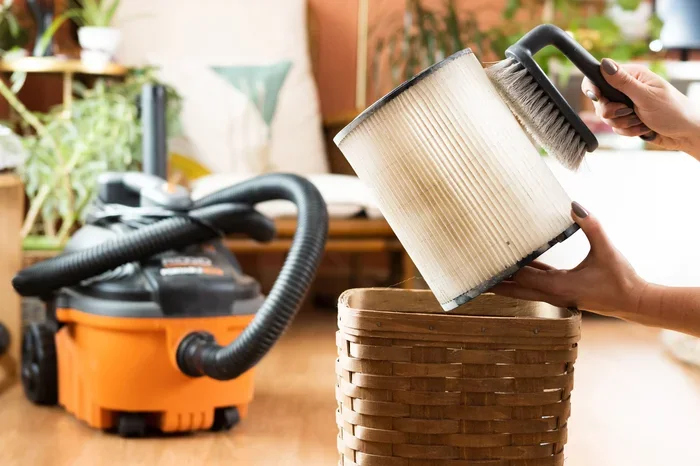
Visual guide about person cleaning vacuum filter indoors
Image source: imghaven.com
Filter Type Determines Frequency
Not all filters are created equal. Here’s a quick breakdown:
- HEPA filters: Clean every 1–2 months; replace every 6–12 months.
- Foam filters: Washable; clean monthly with mild soap and water.
- Cloth or mesh filters: Shake out weekly, deep clean monthly.
- Paper or disposable filters: Replace every 1–3 months—do not wash.
Step-by-Step Guide to Cleaning Your Vacuum Filter
Cleaning your filter doesn’t require special tools—just a few minutes and basic supplies. Always unplug your vacuum before starting.
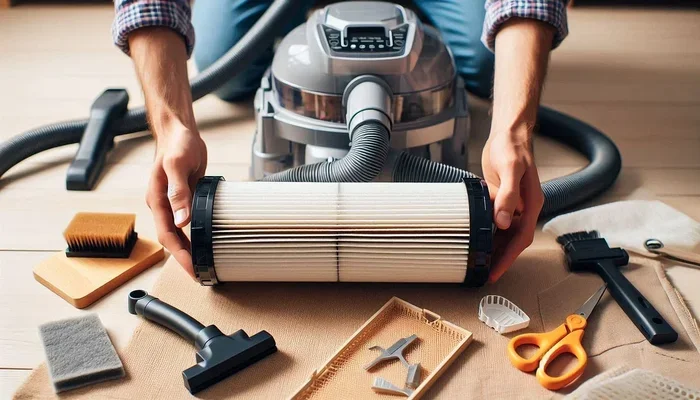
Step 1: Locate and Remove the Filter
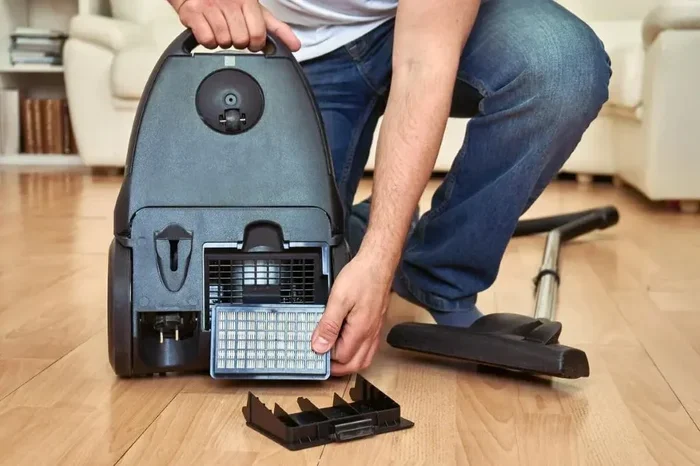
Check your user manual if you’re unsure where the filter is. Common locations include near the dustbin, inside the motor housing, or behind a panel on the back or side.
Visual guide about person cleaning vacuum filter indoors
Image source: miro.medium.com
Step 2: Shake Off Loose Debris
Take the filter outside and gently tap or shake it to remove surface dust. For foam or cloth filters, you can also use a soft brush.
Step 3: Wash (If Applicable)
Washable filters (like foam or some HEPA types) can be rinsed under lukewarm water with a drop of dish soap. Avoid hot water—it can damage the material. Never use bleach or harsh chemicals.
Step 4: Dry Completely
This is crucial. A damp filter breeds mold and mildew. Let it air-dry for at least 24 hours in a well-ventilated area. Never put it back while wet.
Step 5: Reinstall and Test
Once fully dry, reinsert the filter securely. Run the vacuum briefly to ensure proper airflow and no unusual noises.
Signs Your Vacuum Filter Needs Immediate Attention
Don’t wait for your scheduled cleaning if you notice these red flags:
- Reduced suction power even after emptying the dustbin
- Unpleasant odors during or after vacuuming
- Visible dust clouds escaping from the exhaust
- Overheating or the vacuum shutting off unexpectedly
- Increased noise from the motor straining
These symptoms mean your filter is overdue for maintenance—or possibly needs replacement.
Common Mistakes to Avoid
Even well-intentioned owners make errors that shorten filter life or harm their vacuum.
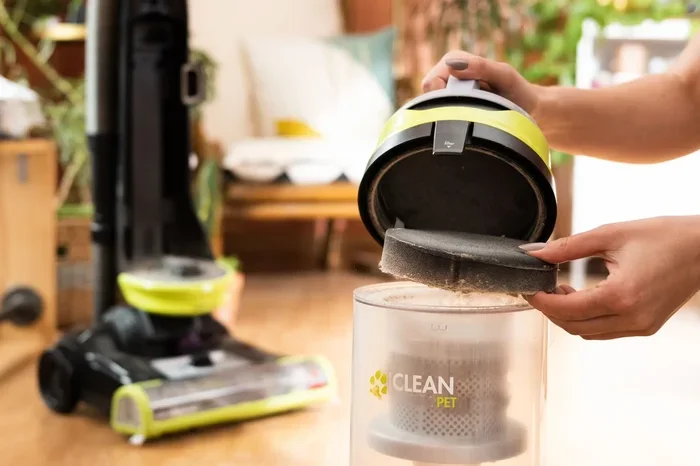
Washing Disposable Filters
Paper or synthetic disposable filters are not designed to get wet. Washing them destroys their structure and renders them useless. Always replace them instead.
Visual guide about person cleaning vacuum filter indoors
Image source: thespruce.com
Skipping Drying Time
Reinstalling a damp filter invites mold growth and can damage the motor. Patience pays off—wait the full 24 hours.
Ignoring Manufacturer Instructions
Your vacuum’s manual contains model-specific advice. Some filters
Frequently Asked Questions
What is How Often You Should Clean a Vacuum Filter?
How Often You Should Clean a Vacuum Filter is an important topic with many practical applications.