How a Vacuum Cleaner Creates Powerful Suction Explained Simply
Ever wondered how your vacuum cleaner sucks up dirt so effortlessly? It all comes down to a clever combination of fan speed, air pressure differences, and smart engineering. In this article, we break down exactly how a vacuum cleaner creates powerful suction — in plain, simple language anyone can understand.
Featured image for vacuum cleaner suction power
Image source: bestvacuumexpert.com
You probably use your vacuum cleaner every week without giving it much thought. You press the button, hear that familiar hum, and watch dirt disappear like magic. But have you ever stopped to wonder what is actually happening inside that machine? How does a vacuum cleaner create such powerful suction that it can pull debris from deep within carpet fibers?
The science behind vacuum suction is surprisingly simple and fascinating. It is not actually about “sucking” at all — it is about air pressure. Once you understand the basic principles, you will never look at your vacuum the same way again. Let us break it down step by step so you can fully grasp how this everyday household appliance actually works.
Key Takeaways
- Suction is about air pressure: A vacuum cleaner works by creating a low-pressure zone inside the machine, causing higher-pressure outside air to rush in and carry dirt with it.
- The motor drives everything: A powerful electric motor spins a fan at extremely high speeds, which is the primary force behind suction generation.
- Fan design matters: The shape, size, and blade angle of the internal fan directly impact how much suction power the vacuum produces.
- Airflow and suction go hand in hand: Good suction without proper airflow is ineffective — both must work together for optimal cleaning performance.
- Filters and seals affect performance: Clogged filters or air leaks can dramatically reduce suction power, even in expensive vacuum models.
- Different vacuums, different suction: Upright, canister, stick, and robot vacuums all generate suction differently, each with unique strengths.
- Maintenance is key: Regular cleaning of filters, brushes, and hoses is essential to maintain strong suction over time.
📑 Table of Contents
The Basic Science Behind Vacuum Suction
It Starts with Air Pressure
To understand vacuum suction, you first need to understand air pressure. The air around you is constantly pushing against everything, including the floor, your furniture, and even your skin. This is called atmospheric pressure, and at sea level it measures about 14.7 pounds per square inch. You do not notice it because the pressure is equal everywhere — inside and outside objects.
A vacuum cleaner works by creating an imbalance in this pressure. When the vacuum is running, it creates a zone of low pressure inside the machine. Nature always tries to balance things out, so the higher-pressure air from your room rushes into the low-pressure zone through the vacuum hose or nozzle. That rushing air carries dust, dirt, and debris right along with it.
Suction Is Really About Pushing, Not Pulling
Here is something that surprises most people — vacuums do not actually pull dirt in. The fan inside the vacuum motor pushes air outward, creating a partial vacuum (low-pressure area) inside the chamber. The surrounding air, which is at a higher pressure, then pushes itself into that space, bringing dirt particles with it. So technically, vacuum suction is really air pushing from high pressure to low pressure.
Think of it like drinking through a straw. When you suck on a straw, you are not pulling the liquid up. You are reducing the air pressure inside the straw, and the higher atmospheric pressure on the surface of your drink pushes the liquid up into your mouth. A vacuum cleaner works on the exact same principle, just on a larger and more powerful scale.
The Motor: Heart of the Vacuum Cleaner
Visual guide about vacuum cleaner suction power
Image source: cleanerprofy.com
How the Electric Motor Powers Suction
The electric motor is the single most important component in any vacuum cleaner. When you flip the switch, electricity flows into the motor, which converts electrical energy into mechanical energy. This mechanical energy spins a fan — sometimes called an impeller — at incredibly high speeds.
Most household vacuum motors spin between 10,000 and 30,000 revolutions per minute. Some commercial or high-end models can reach even higher speeds. The faster the fan spins, the more air it moves, and the greater the suction force generated. This is why motor wattage is often used as a rough indicator of vacuum power, though it is not the only factor that matters.
Motor Types and Their Impact on Suction
Not all vacuum motors are created equal. Traditional brushed motors use carbon brushes to transfer electricity to the spinning part of the motor. These are reliable and affordable but tend to wear out over time as the brushes degrade.
More modern vacuums, especially cordless stick models, use brushless motors. These motors are more efficient, generate less heat, last longer, and can maintain consistent suction power throughout their lifespan. Brushless motors are one of the biggest reasons why today’s cordless vacuums perform so much better than earlier generations.
The Fan and Airflow System
Visual guide about vacuum cleaner suction power
Image source: storables.com
How the Internal Fan Creates a Pressure Differential
The fan inside a vacuum cleaner is specifically engineered to move large volumes of air very quickly. As the fan blades spin, they push air outward and away from the intake opening. This creates a region of low pressure near the intake — the area connected to your vacuum hose or cleaning nozzle.
The greater the difference between the low pressure inside the vacuum and the higher pressure in your room, the stronger the suction. This is why maintaining a sealed system is so important. If air leaks into the vacuum through cracks, loose connections, or dirty filters, the pressure differential decreases and suction power drops significantly.
Centrifugal Fans in Modern Vacuums
Most modern vacuum cleaners use centrifugal fans rather than simple axial fans. A centrifugal fan draws air in from the center and flings it outward at high speed using curved blades. This design is much more efficient at creating the kind of pressure differential needed for strong suction.
The engineering of these fans is incredibly precise. The angle of each blade, the spacing between blades, and the overall diameter of the fan all affect how efficiently the vacuum converts motor power into suction force. Even small improvements in fan design can lead to noticeable differences in cleaning performance.
The Role of Filters and the Sealed System
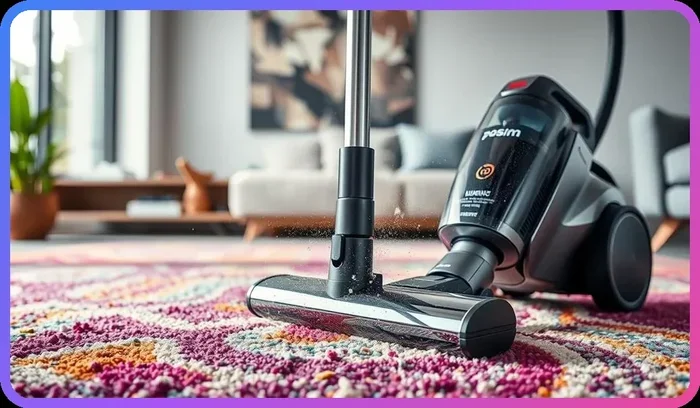
Visual guide about vacuum cleaner suction power
Image source: bestvacuumexpert.com
Why Filters Are Critical for Suction Power
Filters play a crucial role in how a vacuum cleaner creates and maintains suction. As air rushes into the vacuum carrying dirt and debris, filters trap those particles before the air passes through the motor and exits the exhaust. Without filters, dirt would damage the motor and be blown right back into your room.
However, filters also create resistance to airflow. A clogged or dirty filter acts like a blockage, reducing the amount of air that can flow through the system. This directly reduces suction power. This is why replacing or cleaning your vacuum filters regularly is one of the simplest and most effective ways to maintain peak performance.
HEPA Filters and Suction Efficiency
Many modern vacuums use HEPA (High-Efficiency Particulate Air) filters, which can capture 99.97% of particles as small as 0.3 microns. While HEPA filters are excellent for air quality, they are denser than standard filters and can create more airflow resistance. Manufacturers must balance filtration quality with airflow efficiency to maintain strong suction.
Some high-end vacuums use cyclonic separation technology to address this challenge. Instead of relying solely on filters, these vacuums spin incoming air at high speeds, using centrifugal force to separate heavy debris from the air before it ever reaches the filter. This keeps the filter cleaner for longer and helps maintain consistent suction power.
Design Factors That Influence Suction Strength
Nozzle and Hose Design
The nozzle and hose are the parts of the vacuum that interact directly with your floors and surfaces. Their design has a huge impact on effective suction. A narrow nozzle opening creates faster-moving air, which is better for lifting heavy debris. A wider opening moves more air volume but at lower speed, which is better for covering large areas quickly.
Hose diameter and length also matter. A longer or narrower hose creates more friction and resistance, reducing the suction power that actually reaches the nozzle. This is why some vacuums lose noticeable suction when you attach extension wands or long hoses.
Brush Roll and Agitation
For carpeted floors, the brush roll (or beater bar) is an essential companion to suction. The brush roll spins rapidly, agitating carpet fibers and loosening embedded dirt so the suction can carry it away. Without agitation, even the strongest suction would struggle to remove debris trapped deep within thick carpet pile.
Some vacuums allow you to turn off the brush roll for hard floors, where agitation is unnecessary and could potentially scatter lightweight debris. Understanding when to use the brush roll and when to disable it can make a real difference in your cleaning results.
Different Types of Vacuums and Their Suction Methods
Upright Vacuums
Upright vacuums are the most common type in American homes. They typically have large motors positioned directly above the suction head, which creates a short and efficient airflow path. This design allows upright vacuums to generate strong suction while also incorporating powerful brush rolls for deep carpet cleaning.
Canister Vacuums
Canister vacuums separate the motor and dust collection unit from the cleaning head, connecting them with a flexible hose. This design offers more versatility for cleaning stairs, upholstery, and hard-to-reach areas. However, the longer airflow path means canister vacuums need more powerful motors to maintain equivalent suction at the nozzle.
Cordless and Robot Vacuums
Cordless stick vacuums have improved dramatically in recent years, with some premium models rivaling corded vacuums in suction power. They use lightweight brushless motors and lithium-ion batteries to deliver impressive performance in a portable package.
Robot vacuums, on the other hand, prioritize efficiency and convenience over raw suction power. Their compact size limits motor capacity, but smart navigation and consistent daily cleaning help compensate for their lower individual suction strength.
How to Maintain Strong Suction Over Time
Even the best vacuum cleaner will lose suction power without proper maintenance. Here are the most important steps you can take to keep your vacuum performing at its best.
Empty the Dustbin or Replace Bags Regularly
A full dustbin or vacuum bag restricts airflow and immediately reduces suction. For bagless models, empty the dustbin after every use or when it reaches the fill line. For bagged models, replace the bag when it is about two-thirds full to maintain optimal airflow.
Clean or Replace Filters on Schedule
Check your vacuum’s manual for filter maintenance instructions. Most filters should be cleaned every few months and replaced every six to twelve months, depending on usage. A clean filter means better airflow and stronger suction.
Check for Blockages
Hoses, brush rolls, and intake ports can become clogged with hair, string, and debris. Periodically inspect these areas and clear any blockages. A quick check takes just a few minutes but can restore significant suction power.
Inspect Seals and Gaskets
Over time, the seals and gaskets that keep your vacuum’s system airtight can wear out or crack. Air leaks in the system reduce the pressure differential and weaken suction. If you notice a sudden drop in performance that is not caused by a full dustbin or dirty filter, inspect the seals for damage.
Understanding how a vacuum cleaner creates powerful suction helps you make smarter purchasing decisions, maintain your equipment properly, and get better cleaning results every time you vacuum your home.
Frequently Asked Questions
What makes one vacuum have stronger suction than another?
The main factors are motor power, fan design, airflow efficiency, and how well the system is sealed. A vacuum with a powerful motor but poor airflow design or air leaks will underperform compared to a well-engineered model with a smaller motor.
Does higher wattage mean better suction?
Not always. Wattage measures power consumption, not suction output. A more efficient motor and better overall design can produce stronger suction at lower wattage. Airwatches (AW) and airflow rate (CFM) are better measurements of actual suction performance.
Why does my vacuum lose suction over time?
The most common reasons are a full dustbin, clogged filters, blockages in the hose or brush roll, and worn seals. Regular maintenance — emptying the bin, cleaning filters, and checking for clogs — will restore most lost suction.
Can a vacuum cleaner work in space?
No. A vacuum cleaner relies on atmospheric air pressure to function. In space, there is no air pressure to create the pressure differential needed for suction. The fan would spin, but there would be no air to move and no dirt to collect.
How is suction power measured in vacuum cleaners?
Suction power is typically measured in airwatts (AW), cubic feet per minute (CFM), or inches of water lift. Airwatts combine airflow and suction pressure into a single measurement, making it one of the most useful figures for comparing vacuum performance.
Do cordless vacuums have enough suction for deep cleaning?
Many modern cordless vacuums offer impressive suction that works well for everyday cleaning and even moderate carpet cleaning. However, for deep-cleaning thick carpets or heavy debris, a full-sized corded vacuum typically still delivers stronger and more sustained suction power.