
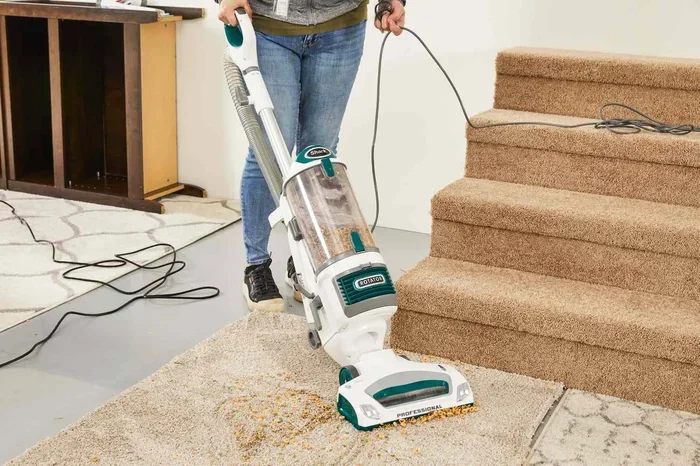
How Often Should You Vacuum Your Home?
Vacuuming frequency depends on your lifestyle, flooring, and household members—not just a one-size-fits-all schedule. While high-traffic areas may need daily attention, low-use spaces can go weekly. Regular vacuuming improves indoor air quality, reduces allergens, and extends the life of your floors and vacuum cleaner.
Keeping your home clean isn’t just about appearances—it’s about health, comfort, and protecting your investment in flooring and furniture. One of the most effective ways to maintain a fresh, healthy living space is through regular vacuuming. But here’s the million-dollar question: How often should you vacuum your home? The answer isn’t as simple as “once a week.” It depends on a mix of factors including foot traffic, flooring type, pets, allergies, and even the time of year.
Think of vacuuming like brushing your teeth. You wouldn’t skip it for days and expect your smile to stay bright—similarly, skipping vacuuming allows dirt, dust mites, pet dander, and allergens to build up silently. According to the Environmental Protection Agency (EPA), indoor air can be 2 to 5 times more polluted than outdoor air, and much of that pollution settles into your carpets and rugs. Regular vacuuming helps remove these contaminants before they circulate back into the air you breathe.
So, who needs to vacuum most often? Pet owners, families with young children, allergy sufferers, and people with asthma should vacuum more frequently. Where should you focus? High-traffic zones like entryways, hallways, and living rooms collect the most dirt. When should you do it? Ideally, during daylight hours when you can see dust and debris clearly. And why does it matter? Because a clean home isn’t just about looking good—it’s about creating a healthier environment for everyone who lives there.
Key Takeaways
- High-traffic areas should be vacuumed 2–3 times per week to prevent dirt buildup and protect flooring.
- Homes with pets or allergy sufferers need daily or every-other-day vacuuming to control dander, fur, and allergens.
- Carpeted floors require more frequent vacuuming than hard surfaces because they trap more dust and debris.
- Use the right vacuum for your floor type—using the wrong settings can damage floors or reduce cleaning efficiency.
- Don’t forget edges, corners, and under furniture—these hidden spots collect dust and reduce overall air quality.
- Maintain your vacuum regularly to ensure strong suction and long-term performance.
- Seasonal deep cleaning complements regular vacuuming and helps maintain a truly clean home environment.
Quick Answers to Common Questions
How often should I vacuum if I have pets?
If you have pets, vacuum high-traffic areas daily or every other day to control pet hair, dander, and tracked-in dirt. Use a vacuum designed for pet hair with strong suction and a tangle-free brush roll.
Can vacuuming too often damage my floors?
Vacuuming too often won’t damage floors if you use the correct settings. However, using a beater brush on hardwood or vacuuming with grit on the floor can cause scratches. Always switch to hard-floor mode for wood, tile, or laminate.
Is it better to vacuum in the morning or evening?
Morning is ideal because natural light helps you see dust and debris. Plus, vacuuming during the day allows allergens to settle before bedtime, improving sleep quality for allergy sufferers.
Do robot vacuums replace regular vacuuming?
Robot vacuums are great for daily maintenance but don’t replace deep cleaning. Use them to keep floors tidy between weekly manual vacuuming sessions, especially in high-traffic zones.
How do I know if my vacuum is working properly?
If your vacuum has weak suction, makes unusual noises, or leaves debris behind, it may need maintenance. Check for clogs, full dustbins, worn belts, or dirty filters.
📑 Table of Contents
- How Often Should You Vacuum? A Room-by-Room Guide
- Factors That Influence Vacuuming Frequency
- Signs You’re Not Vacuuming Enough
- How to Vacuum Effectively (Not Just More Often)
- Special Considerations for Different Vacuum Types
- When to Deep Clean vs. Regular Vacuuming
- Maintaining Your Vacuum for Long-Term Performance
- Conclusion
How Often Should You Vacuum? A Room-by-Room Guide
Not all rooms in your home are created equal when it comes to dirt accumulation. Some areas naturally attract more foot traffic, spills, and airborne particles. Tailoring your vacuuming schedule to each room ensures you’re not over-cleaning low-use spaces or under-cleaning high-risk zones.
Living Rooms and Family Rooms: 2–3 Times Per Week
These are the heart of your home—where people relax, play, eat, and entertain. Because of constant use, living rooms typically need vacuuming 2 to 3 times per week. If you have carpet, this is especially important. Carpets act like air filters, trapping dust, pollen, and pet dander. Over time, these particles can embed deep into the fibers, making them harder to remove and worsening indoor air quality.
For example, a family of four with a dog might vacuum the living room every other day during allergy season. If you have hard floors, you can get away with slightly less frequency—say, 1–2 times per week—but still focus on high-traffic paths. Use a vacuum with a soft brush roll or switch to hard-floor mode to avoid scratching surfaces.
Bedrooms: Once a Week (More if Allergies Are a Concern)
Bedrooms may seem like low-traffic zones, but they’re actually hotspots for dust mites and allergens. Your bed, pillows, and upholstered furniture shed skin cells—dust mites’ favorite food. The American Academy of Allergy, Asthma & Immunology (AAAAI) estimates that dust mites are present in nearly 85% of U.S. homes.
Vacuuming your bedroom once a week helps reduce allergen buildup. Focus on under the bed, along baseboards, and around the headboard. If someone in your household has allergies or asthma, consider vacuuming twice a week and using a vacuum with a HEPA filter to trap microscopic particles.
Kitchens and Dining Areas: 1–2 Times Per Week
Kitchens attract crumbs, grease particles, and food spills. Even if you sweep daily, vacuuming helps remove fine debris that brooms miss. Hard floors in kitchens benefit from weekly vacuuming, especially around the stove and under the table.
Carpeted dining rooms? Vacuum once a week minimum. Spills happen, and food particles can attract pests if left unchecked. For homes with young children or frequent entertaining, bump it up to twice a week.
Bathrooms: Once a Week
Bathrooms aren’t typically vacuumed as often, but they should be. Moisture leads to mold spores, and hair (human and pet) can accumulate in corners and under vanities. Vacuuming once a week helps prevent buildup and keeps your bathroom fresher.
Use a vacuum with a crevice tool to get into tight spaces around toilets and behind cabinets. If you have tile or vinyl floors, a hard-floor setting works best.
Hallways and Entryways: 2–3 Times Per Week
These are the dirt highways of your home. Shoes track in pollen, mud, and pollutants from outside. The EPA reports that up to 80% of indoor dust comes from outdoor sources brought in on footwear.
Vacuum hallways and entryways at least twice a week—more if you live in a rainy or dusty climate. Place a doormat at every entrance and encourage family members to remove shoes to reduce the load.
Home Offices and Playrooms: Weekly (or More)
If you work from home or have kids who play indoors, these spaces deserve attention. Office chairs grind dust into carpets, and kids track in dirt from outdoor play. Vacuum once a week, or more often if the room sees heavy use.
Factors That Influence Vacuuming Frequency
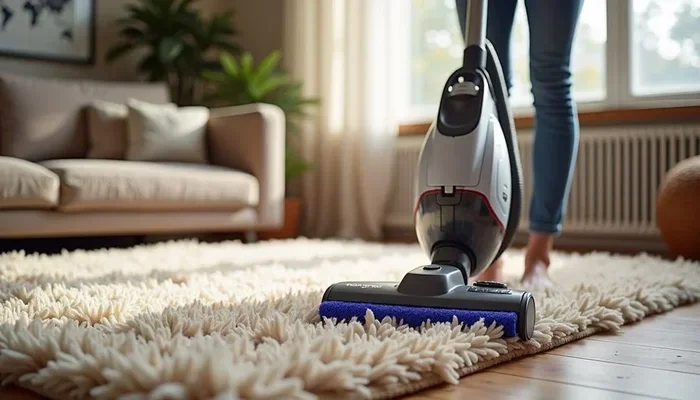
Visual guide about vacuum cleaner on carpet
Image source: bestvacuumexpert.com
Your ideal vacuuming schedule isn’t set in stone—it should adapt to your lifestyle and environment. Here are the key factors that determine how often you should vacuum.
Pet Ownership: Daily or Every Other Day
If you have pets, especially dogs or cats that shed, vacuuming becomes a daily necessity. Pet dander, fur, and outdoor dirt cling to carpets and upholstery. A single cat can shed over 100 million skin cells per day—imagine what that does to your air quality.
According to the American Pet Products Association (APPA), 66% of U.S. households own a pet. That’s a lot of fur in circulation! Pet owners should vacuum high-traffic areas daily and use a vacuum designed for pet hair. Look for models with tangle-free brush rolls and strong suction.
Even if your pet stays indoors, they track in pollen, mud, and bacteria. Regular vacuuming helps prevent odors and keeps your home hygienic.
Allergies and Asthma: Vacuum 3–5 Times Per Week
For people with allergies or asthma, vacuuming isn’t just about cleanliness—it’s a health essential. Dust mites, pollen, mold spores, and pet dander can trigger symptoms like sneezing, coughing, and difficulty breathing.
The Asthma and Allergy Foundation of America (AAFA) recommends vacuuming at least 3 times a week using a vacuum with a HEPA filter. HEPA filters capture 99.97% of particles as small as 0.3 microns, including most allergens.
If someone in your home has severe allergies, consider vacuuming daily during peak allergy seasons (spring and fall). Also, vacuum upholstery, curtains, and bedding weekly to reduce exposure.
Flooring Type: Carpets Need More Attention
Your flooring type plays a huge role in how often you should vacuum. Carpets trap more dirt than hard floors because of their textured fibers. A study by the Carpet and Rug Institute found that carpets can hold up to 200,000 particles per square inch.
Hardwood, tile, and laminate floors are easier to clean and don’t trap as much debris. However, they still benefit from regular vacuuming to remove fine dust and prevent scratches from grit.
Use the right vacuum settings: carpet mode for rugs and hard-floor mode for wood or tile. For delicate rugs, use a low-suction setting to avoid damage.
Household Size and Activity Level
More people = more dirt. A family of five will need to vacuum more often than a single person. Kids track in mud, spill drinks, and drop crumbs. Teenagers with friends over? Even more reason to stay on top of cleaning.
Similarly, if you work from home or host guests frequently, your floors take a beating. Adjust your schedule accordingly—don’t stick to a rigid routine if your lifestyle changes.
Seasonal Changes
Vacuuming frequency should shift with the seasons. In spring and fall, pollen counts rise, and open windows let in more allergens. Winter brings salt, snow, and mud indoors. Summer means more bare feet and outdoor activity.
During high-pollen seasons, vacuum 2–3 times per week. In winter, focus on entryways to remove salt and moisture that can damage floors. Summer? Keep up with pet hair and sand from beach trips.
Signs You’re Not Vacuuming Enough
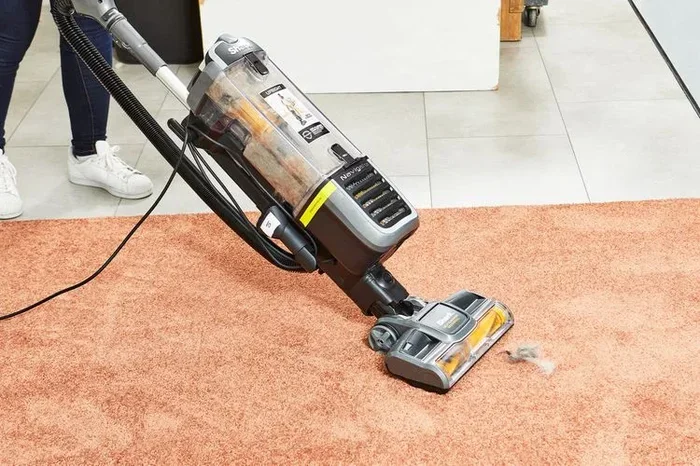
Visual guide about vacuum cleaner on carpet
Image source: realsimple.com
Sometimes, it’s not about the schedule—it’s about the results. If you notice any of these signs, it’s time to increase your vacuuming frequency.
Visible Dirt and Dust Buildup
If you can see dust bunnies under furniture or dark streaks on carpets, you’re not vacuuming enough. These aren’t just eyesores—they’re signs that dirt is embedding into fibers, making it harder to remove.
Allergy Symptoms Worsening Indoors
Sneezing, itchy eyes, or congestion that improves when you leave the house? That’s a red flag. Your vacuum may not be capturing allergens effectively, or you’re not doing it often enough.
Unpleasant Odors
Lingering pet smells, musty scents, or food odors can indicate trapped debris. Vacuuming removes the source of these smells—especially in carpets and upholstery.
Reduced Vacuum Suction
If your vacuum feels weaker or takes longer to clean, it might be clogged or full. But it could also mean you’re waiting too long between cleanings, allowing dirt to compact.
Scratched or Dull Floors
Grit and sand act like sandpaper on hardwood and tile. If your floors look dull or scratched, you’re not removing abrasive particles quickly enough.
How to Vacuum Effectively (Not Just More Often)
Vacuuming more often won’t help if you’re not doing it right. Technique matters as much as frequency.
Use Slow, Overlapping Passes
Don’t rush. Move the vacuum slowly in straight lines, overlapping each pass by 2–3 inches. This ensures you capture all debris. Think of it like mowing a lawn—zigzagging quickly misses spots.
Vacuum in Multiple Directions
For carpets, vacuum in one direction (e.g., north to south), then again perpendicular (east to west). This lifts embedded dirt and gives a deeper clean.
Clean Under Furniture
Move chairs, tables, and beds to vacuum underneath. These hidden areas collect dust and allergens. Use a crevice tool for tight spaces.
Don’t Forget Vertical Surfaces
Vacuum upholstery, curtains, and baseboards weekly. Use an upholstery attachment for couches and a brush tool for curtains.
Empty the Dustbin or Replace the Bag Regularly
A full dustbin or bag reduces suction. Empty it when it’s 2/3 full. For bagged vacuums, replace the bag before it’s completely full.
Maintain Your Vacuum
A poorly maintained vacuum won’t clean well, no matter how often you use it. Clean the brush roll, check for clogs, and replace filters as recommended. For cordless models, how to maintain cordless vacuum battery life is crucial for consistent performance.
Special Considerations for Different Vacuum Types
Not all vacuums are created equal. Your vacuum type affects how often and how well you can clean.
Upright and Canister Vacuums
These are the workhorses of home cleaning. Ideal for carpets and large areas. Use them 2–3 times per week for best results. Make sure to adjust the height setting for your floor type.
Stick and Cordless Vacuums
Great for quick daily touch-ups. Use them for spot cleaning and light maintenance between deep cleans. However, they may lack the suction power for heavy-duty jobs.
Robot Vacuums
Perfect for daily maintenance. Program them to run every day in high-traffic zones. They’re especially useful for pet owners and busy households. For guidance, check out how to choose a robot vacuum that fits your needs.
Handheld Vacuums
Use for small messes, car cleaning, and hard-to-reach areas. Not a replacement for full vacuuming, but a helpful supplement.
When to Deep Clean vs. Regular Vacuuming
Regular vacuuming keeps your home looking good, but deep cleaning tackles what’s underneath.
Steam Cleaning and Shampooing
Do this every 6–12 months for carpets. It removes deep stains, bacteria, and allergens that vacuuming can’t reach.
Professional Cleaning
Consider hiring professionals annually, especially if you have pets or allergies. They use industrial-grade equipment for a thorough clean.
DIY Deep Cleaning Tips
Sprinkle baking soda on carpets before vacuuming to neutralize odors. Use a carpet rake to lift matted fibers. For hard floors, follow vacuuming with mopping.
Maintaining Your Vacuum for Long-Term Performance
A clean home starts with a well-maintained vacuum. Neglecting your machine leads to poor suction, clogs, and even damage.
Clean the Brush Roll Monthly
Hair and string wrap around the brush roll, reducing agitation. Use scissors to cut away debris. For detailed steps, see how to clean vacuum cleaner rollers.
Check and Replace Filters
Washable filters should be cleaned every 1–2 months. Replace HEPA filters annually or as recommended. Clogged filters reduce airflow and strain the motor.
Inspect the Belt
A worn belt can cause the brush roll to stop spinning. Check it every 3–6 months. If it’s loose or cracked, replace it. Learn more at how to replace the belt on a shark vacuum cleaner.
Clear Blockages
If suction drops, check the hose, wand, and intake for clogs. Use a coat hanger or pipe cleaner to remove debris.
Conclusion
So, how often should you vacuum your home? The short answer: it depends. But the long answer is that most homes benefit from vacuuming high-traffic areas 2–3 times per week, with adjustments for pets, allergies, and flooring. Low-use rooms can go weekly, while entryways and pet zones may need daily attention.
Vacuuming isn’t just about removing visible dirt—it’s about improving air quality, reducing allergens, and protecting your floors. By matching your schedule to your lifestyle and maintaining your equipment, you’ll keep your home cleaner, healthier, and more inviting.
Remember, consistency beats intensity. A few minutes of daily vacuuming is more effective than a marathon session once a month. And when in doubt, listen to your home—odors, dust, and allergy symptoms are clues that it’s time to grab the vacuum.