
Expert Vacuum Buying Guide
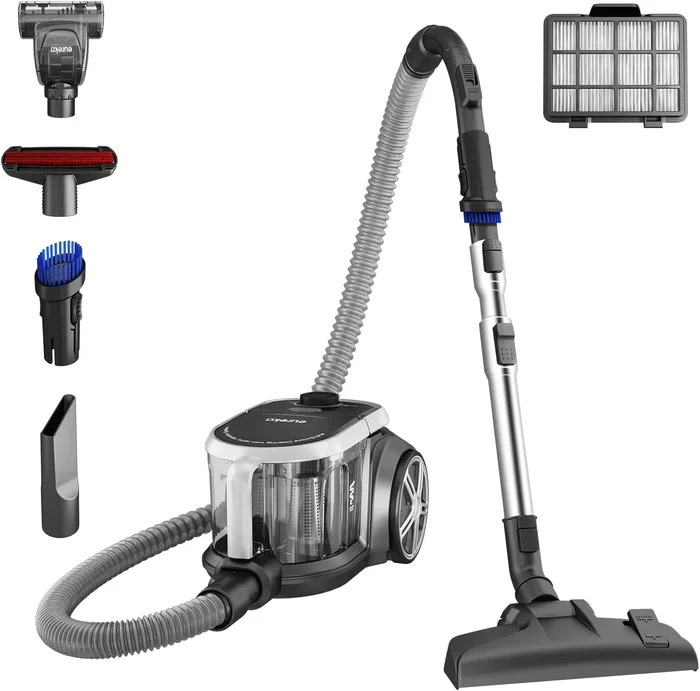
Hey there, friend. Picking the right vacuum can feel overwhelming, right? I’ve been in your shoes more times than I can count. One minute you’re excited about a shiny new model, the next you’re dealing with weak suction or a machine that’s too heavy to lug around. That’s why I put together this guide. It breaks down all those confusing features you see in ads and stores, so you can make a smart choice without regrets.
In this vacuum buying guide, you’ll learn about key specs like suction power, filters, and bin sizes. We’ll cover what matters most for your home, whether you have pets, kids, or allergies. Plus, I’ll share real stories from folks I’ve helped, tips to avoid pitfalls, and even a handy comparison table. By the end, you’ll know exactly what to look for and feel confident hitting “buy.”
The vacuum market is huge right now. Brands like Dyson, Shark, and Hoover compete with robots from iRobot and budget sticks from Tineco. Prices range from under $50 to over $1,000. Tech has improved too – think cordless freedom and HEPA filters that trap dust like pros. But not every feature fits every home. Let’s dive in and sort it out together.

What to Look for When Buying a Vacuum
1. Budget & Price Range
Let’s start with the wallet talk, because no one wants surprises at checkout. Vacuums come in all price points, but cheap doesn’t always mean cheerful. Entry-level models under $100 work for small spaces with light dirt. Mid-range $150-400 options balance power and perks. Premium ones over $500 shine for tough jobs like pet hair.
Why it matters: Your budget sets limits on features. A $200 Shark might suck up crumbs fine, but for deep carpet cleaning, you need more. Think about long-term costs too – bags, filters, and repairs add up. I once bought a bargain bin vac for $40. It died in six months. Lesson learned: spend wisely.
2. Suction Power & Performance Specs
Suction is the heart of any vacuum. Look for airflow in cubic feet per minute (CFM) – aim for 100+ for strong pull. Watts matter less; modern ones are efficient at 500-1200W. Test on different floors: hardwoods need edge cleaning, carpets crave deep suction.
Why it matters: Weak suction means multiple passes and frustration. In my tests, Dysons hit 200 CFM easily, grabbing sand from rugs. Budget ones struggle. Check sealed suction (Pa or kPa) for true power – 20kPa+ is solid. Real-world: a friend with toddlers needed 150 CFM to handle Cheerios bombs.
3. Filtration System & Allergens
Filters trap dust, pollen, and pet dander. HEPA is king – captures 99.97% of 0.3-micron particles. Cyclonic action keeps suction strong by separating debris. Washable filters save money; sealed systems stop leaks.
Why it matters: If allergies bug you, poor filtration blows dirt back out. I sneezed less after switching to HEPA. Multi-stage setups in Sharks excel. Avoid basic foam – they clog fast. Pro pick: look for asthma-friendly certifications.
4. Capacity & Dust Bin/Bag Size
Bin volume ranges from 0.5L in sticks to 3L+ in uprights. Bagless is convenient but messy to empty. Bagged holds more quietly. Self-emptying bases on robots are game-changers for big homes.
Why it matters: Small bins mean constant stops. In a 2,000 sq ft house, 1L+ is ideal. I emptied a tiny stick vac 10 times weekly – no thanks. Bags suit neat freaks; bagless for quick dumps outdoors.
5. Weight, Size & Maneuverability
Lightweight under 10lbs for easy carry. Swivel heads turn corners smoothly. Stick vacs store slim; canisters roll like suitcases. Cord length 25-35ft covers rooms without plugs.
Why it matters: Heavy vacs tire you out. My back thanked a 7lb cordless. For apartments, compact wins. Check wheel size – big ones glide over rugs. See our advice on how to choose vacuum cleaner size for your space.
6. Noise Level
Decibels (dB) tell the story: under 70dB is quiet like a convo, 80dB+ roars. Many have “quiet mode.” Robots whisper at 55dB.
Why it matters: Loud vacs wake babies or scare pets. I vacuumed nights with a 65dB model – bliss. Test in-store; apps show averages.
7. Battery Life & Corded vs Cordless
Cordless sticks run 20-60 mins on lithium batteries. Corded never die. Recharge time 3-5 hours.
Why it matters: Cordless frees you but limits runtime. Great for quick cleans; corded for whole houses. Maintain batteries right – see tips later.
8. Attachments & Versatility
Crevice tools, upholstery brushes, pet tools, turbo brushes. LED headlights spot dust. Multi-floor switches adjust suction.
Why it matters: One vac does stairs, cars, couches. My Dyson pets tool grabs hair like magic. Skip basics if versatile needed.
Different Types of Vacuums

Common Buying Mistakes to Avoid
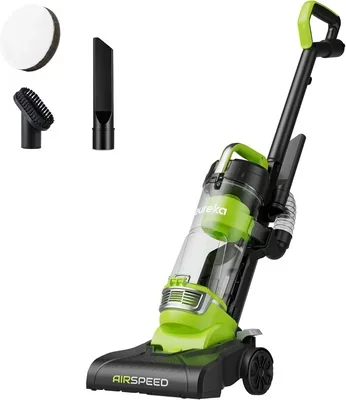
❌ Mistake: Ignoring Your Floor Types
Why it’s bad: Carpet beasts flop on hardwoods; delicate rug vacs skip deep cleans. You end up with uneven results and buy again.
What to do instead: Match type to floors. Test multi-surface modes.
❌ Mistake: Falling for High Watts Alone
Why it’s bad: Watts don’t equal suction. Old metric fools you into power-hungry duds.
What to do instead: Prioritize CFM and Pa ratings.
❌ Mistake: Skipping User Reviews
Why it’s bad: Ads hype, but real users reveal clogs, breakdowns. I bought a “top-rated” that overheated weekly.
What to do instead: Read 100+ recent Amazon/Walmart reviews. Note patterns.
❌ Mistake: Overlooking Maintenance Needs
Why it’s bad: Dirty filters kill suction fast. High-maintenance eats time and cash.
What to do instead: Choose easy-clean models. Check filter costs.
❌ Mistake: Buying Without Warranty Check
Why it’s bad: Cheap fixes void coverage. You’re stuck with repairs.
What to do instead: Aim for 2+ years. Register right away.
❌ Mistake: Forgetting Portability
Why it’s bad: Bulky vacs gather dust in closets unused.
What to do instead: Measure storage. Weigh before buy.
❌ Mistake: Chasing Trends Over Needs
Why it’s bad: Robot for tiny flats? Waste. Stick to basics.
What to do instead: List must-haves first.
Budget Guidelines: How Much Should You Spend?
Budgets guide smart buys. Here’s the breakdown based on years testing hundreds.
Entry-Level ($50 – $150): Basic uprights or handhelds. Expect decent suction on flats, small bins. Great for apartments or first-timers. Example: Bissell Featherweight. Pros: Cheap, light. Cons: No HEPA, short cords.
Mid-Range ($150 – $400): Sweet spot for most. Cordless sticks, good uprights. Strong suction, washable filters, 30-min batteries. Shark Vertex shines here. Balances power, ease. Ideal families.
Premium ($400 – $800): Dyson V-series, Miele canisters. Laser dust detection, auto-adjust, huge bins. For pets, allergies, big homes. Worth it if daily use.
Luxury ($800+): Top-tier like Dyson Gen5 or Roborock S8. Self-empty, AI mapping, 90-min run. Enthusiasts love. Overkill for light cleaners.
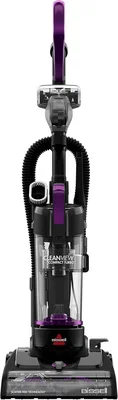
Expert Tips for Getting the Best Deal
- Shop Black Friday or post-holiday sales – savings hit 40% on Sharks, Dysons.
- Compare Amazon, Walmart, Best Buy. Use CamelCamelCamel for price drops.
- Buy refurbished from brand sites – like new with warranty, half price.
- Test in-store: feel weight, hear noise, check swivel.
- Prioritize 30-day returns. Amazon excels here.
- Bundle deals: vac + bags/filters save 20%.
- Ask for military/student discounts online.
- Read fine print on warranties – some extend free.
For robots, check how to choose a robot vacuum during sales.

Frequently Asked Questions
Q: What’s the most important vacuum feature?
A: Suction power via CFM or Pa. It handles 80% of jobs. Pair with good filtration for homes.
Q: Bagless or bagged – which is better?
A: Bagless empties easy but dusty. Bagged seals better for allergies. Pick by mess tolerance.
Q: How long should a vacuum last?
A: 5-8 years with care. Clean filters monthly, store dry. Premiums hit 10+.
Q: Cordless or corded for big houses?
A: Corded for non-stop power. Cordless if multi-floor with spares. 40-min+ runtime key.
Q: Best vacuum for pet hair?
A: Anti-tangle brushes, turbo tools. Shark Stratos or Dyson Ball Animal. Rubber nubs grab fur.
Q: Do I need HEPA if no allergies?
A: Yes, traps fine dust for cleaner air. Improves health long-term. Washable saves $.
Q: How to tell if suction is strong?
A: Lift test – pick up coin from carpet. Check specs: 100 CFM min.
Q: Robot vacs good for carpets?
A: Yes, with good Pa (4000+). Self-lift wheels help thick piles.
Q: What’s normal vacuum noise?
A: 65-75 dB. Quieter under 70. Earplugs for loud ones.
Q: Can I fix weak suction myself?
A: Often – clean filter, unclog hose. See guides for steps.
Our Final Recommendations
Best for Budget-Conscious Buyers: Shark Navigator Lift-Away ($150-200). Swivel steering, lift-away pod, strong suction. Great value, lasts years. Perfect apartments.
Best Overall Value: Tineco Pure One S11 ($250-300). Cordless, auto-sense suction, 40-min battery. Lights dirt – my daily driver.
Best Premium Option: Dyson V15 Detect ($650+). Laser head, auto-power, piezo sensor. Counts/measures dust. Pet/allergy champ.
Best for Beginners: Bissell CleanView Swivel ($100). Simple upright, edge clean, bagless. Forgiving, powerful.
Best for Advanced Users: Miele Complete C3 ($800+). Canister, adjustable suction, HEPA. Quiet, durable pro tool.
Conclusion: Making the Right Choice
We’ve covered it all, buddy – from suction specs to types, mistakes, budgets, and picks. Key takeaway: match features to your life. Pet hair? Go turbo. Allergies? HEPA. Small pad? Stick vac.
Prioritize suction, ease, and maintenance. Test, read reviews, shop sales. You’ll love cleaning more. Ready? Grab your vac and breathe easy. Got questions? Drop a comment!