How to Vacuum Ceiling Fans
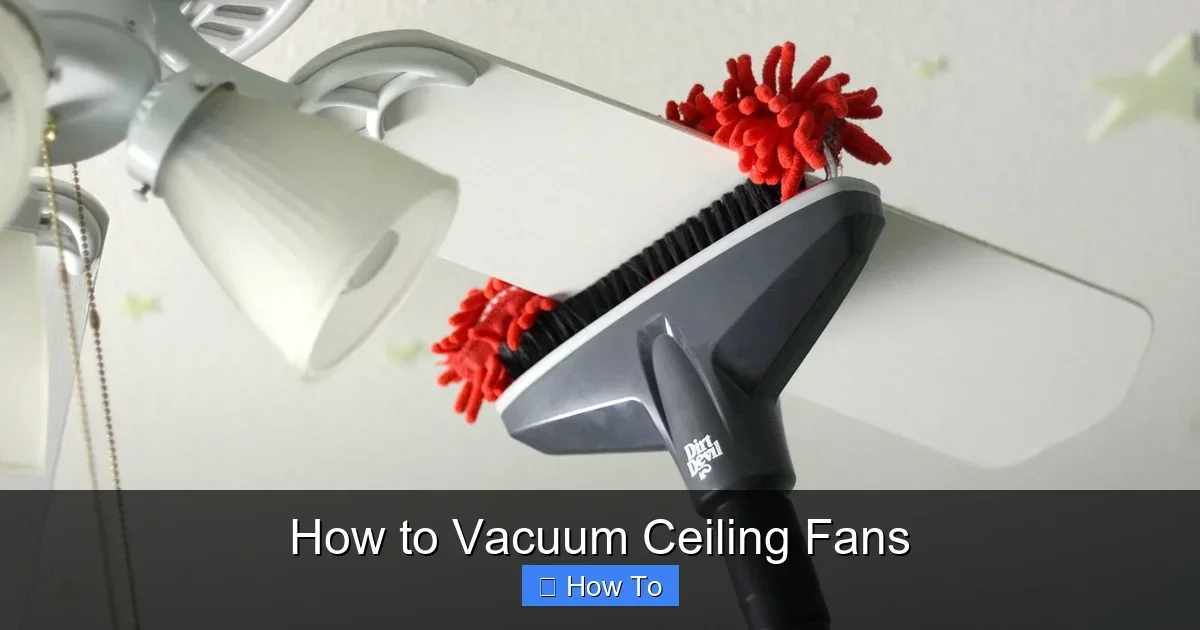
Featured image for How to Vacuum Ceiling Fans
Image source: thiswestcoastmommy.com
Vacuuming ceiling fans is a quick way to banish dust and improve indoor air quality. This guide walks you through every step, from gathering tools to troubleshooting common issues. Keep your fans spinning clean and your home fresh with minimal effort.
How to Vacuum Ceiling Fans
Hey there, friend! Have you noticed dust flying around every time you turn on your ceiling fan? It’s a common issue. Dust builds up on blades, housing, and guards. This makes your fan less efficient and stirs up allergens. But don’t worry. In this guide on how to vacuum ceiling fans, you’ll learn a simple, safe method to clean them spotless.
We’ll cover everything step by step. You’ll need basic tools and about 20-30 minutes per fan. By the end, your fans will spin smoother and cleaner. Plus, your air quality will improve. Ready to tackle vacuuming ceiling fans? Let’s dive in!
Key Takeaways
- Safety first: Always turn off power at the breaker to avoid accidents while learning how to vacuum ceiling fans.
- Right tools matter: Use a brush attachment and extension wand for reaching blades without damage.
- Go slow: Vacuum from top to bottom on each blade to capture all dust effectively.
- Regular maintenance: Vacuum ceiling fans every 1-2 months to prevent buildup and allergies.
- Clean housing too: Don’t forget the motor and lights for a complete refresh.
- Troubleshoot clogs: Clear hoses immediately to keep suction strong during the job.
Quick Answers to Common Questions
How often should you vacuum ceiling fans?
Every 1-2 months, or monthly in dusty homes. This prevents heavy buildup and keeps air clean.
Can I use any vacuum?
Yes, but pick one with hose and brush attachment. Good suction is key for tough dust.
What if blades are greasy?
Spritz diluted vinegar. Let sit 5 minutes, then vacuum. Wipes away residue easily.
Is a ladder always needed?
For most yes, unless low ceilings. Extension poles help for 8-footers.
Does vacuuming fix wobbly fans?
Often yes, by balancing dust. Tighten screws after for perfect spin.
Gather Your Supplies
Before you start how to vacuum ceiling fans, get your gear ready. This saves time and frustration.
What You’ll Need
- A reliable vacuum cleaner with good suction. Stick vacuums or ones with hose extensions work best.
- Extension wand (1-2 pieces for reach).
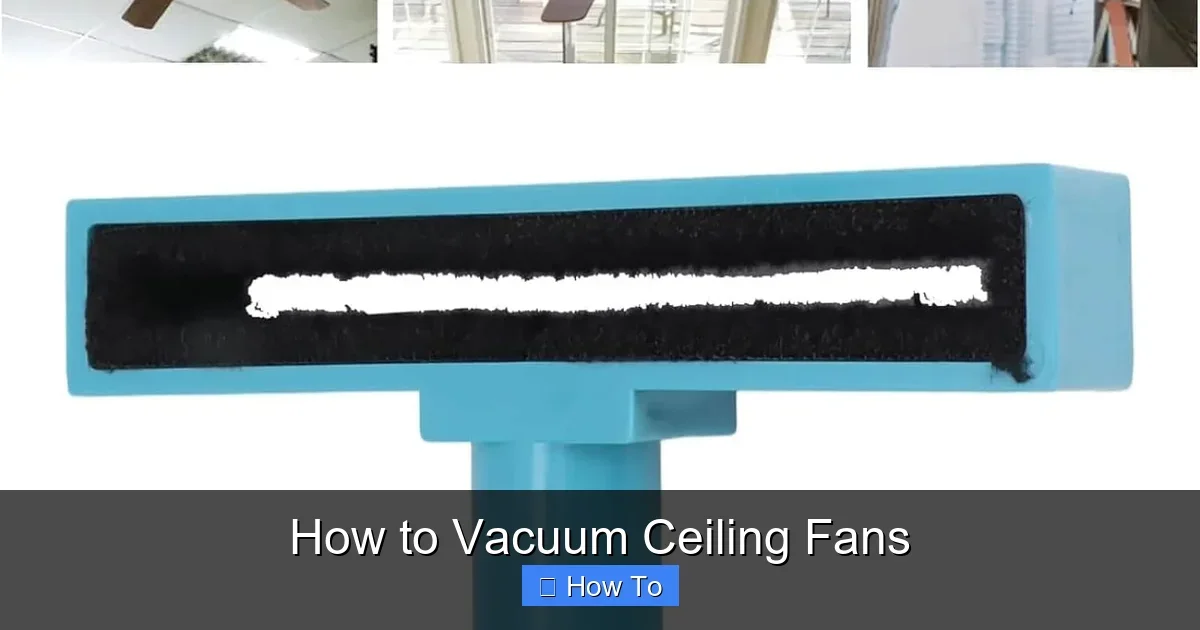
- Upholstery brush or fan blade attachment. Soft bristles prevent scratches.
- Crevice tool for tight spots.
- Sturdy ladder or step stool. Pick one with a wide base for safety.
- Microfiber cloths for wiping residue.
- Painter’s tape (optional, to protect walls).
Pro tip: Check your vacuum’s attachments. Many come with fan-specific tools. If you have a Dyson, learn more about Dyson vacuum cleaner attachments how to use for the perfect fit.
Why these items? A brush attachment grabs dust without spreading it. Extension wands let you reach high without stretching. And a stable ladder keeps you safe. Spend a minute testing your vacuum’s power. Weak suction means a longer job.
Safety First: Turn Off the Power
Safety tops the list when learning how to vacuum ceiling fans. Fans spin fast. One slip, and it’s trouble.
Visual guide about How to Vacuum Ceiling Fans
Image source: i5.walmartimages.com
Steps to Power Down
- Turn off the fan switch.
- Go to your breaker box. Flip the switch for that room or fan circuit.
- Test by trying the fan switch. No movement? Good to go.
Why the breaker? Wall switches might not cut all power. This prevents shocks. Example: I once knew a guy who skipped this. Zap! Lesson learned. Always double-check. Lay a cloth under the ladder too. It catches fallen dust.
Set Up Your Ladder Safely
Now, position your ladder. Bad setup leads to wobbles.
Positioning Tips
- Place ladder directly under the fan center.
- Extend legs fully. Lock all braces.
- Have a spotter if possible.
- Use painter’s tape on walls if blades are close.
Keep the ladder at a 75-degree angle. Test stability before climbing. For high ceilings, consider a taller model. Safety gear like non-slip shoes helps. You’re set to start vacuuming ceiling fans!
Attach the Right Vacuum Tools
Your vacuum is key to how to vacuum ceiling fans. Wrong attachments scratch or miss dust.
Assembly Guide
- Turn off vacuum. Unplug if corded.
- Attach extension wand to hose.
- Add upholstery brush or fan tool to the end.
- Secure all connections. Tug gently to test.
- Switch to medium suction. High power might suck blades loose.
Many vacuums like Bissell shine here. Check our guide on Bissell vacuum cleaner how to use for model tips. Soft brushes loosen dust. Crevice tools hit edges. Test on the floor first. Suction good? Climb up!
Vacuum the Fan Blades
Blades collect most dust. This is the heart of how to vacuum ceiling fans.
Blade Cleaning Technique
- Start at blade top. Hold brush at 90 degrees. Glide slowly toward tips.
- Flip to underside. Repeat motion.
- Work from center outward. One blade at a time.
- Rotate ladder around fan. Cover all five or three blades.
Go slow. Rushing scatters dust. Example: On a 52-inch fan, it takes 5 minutes per blade side. Use steady pressure. You’ll see dust disappear into the hose. If greasy, spritz vinegar first. Let dry before full vacuum.
Tip: For reversible blades, clean summer and winter sides. Dust hides in blade curves too. Angle your brush to get it all.
Clean the Motor Housing and Base
Blades done? Don’t stop. Housing traps dust like a magnet.
Housing Steps
- Switch to crevice tool.
- Vacuum top rim first. Circle slowly.
- Get side crevices. Hold tool flush.
- Base edges next. Wipe with cloth after.
Motors get hot. Dust buildup strains them. Regular vacuuming ceiling fans here extends life. Be gentle. No poking into vents. If your fan has pulls, vacuum those chains too.
Tackle Light Fixtures and Guards
Many fans have lights or guards. Skip them, and dust lingers.
Light and Guard Cleaning
- For glass globes: Remove if possible. Vacuum inside/out.
- Metal guards: Brush attachment works great.
- Bulbs: Dust lightly. Avoid touching glass.
- Reinstall securely.
Example: Pull-chain lights? Vacuum chains end to end. Guards on older fans need care. Twist gently. This completes full how to vacuum ceiling fans.
Final Wipe Down and Inspection
Vacuuming done? Wipe residue.
Last Checks
- Damp microfiber cloth on blades.
- Inspect for loose screws.
- Turn power back on. Test spin.
- Listen for rattles.
Dry fully before powering up. Smooth spin means success!
Troubleshooting Common Issues
Problems pop up during vacuuming ceiling fans. Here’s how to fix them.
Suction Loss or Clogs
Hose clogged? Stop. Unplug. Clear debris. See our guide on how to unclog a vacuum cleaner. Shake hose outdoors.
Ladder Wobbles
Reposition on flat floor. Add rubber feet if needed.
Dust Flying Everywhere
Lower suction. Use pillowcase over blades first (old trick).
Fan Won’t Balance After
Wipe evenly. Tighten blades. If persists, add clips.
Another issue: Weak vacuums. Rent one if yours struggles. Check how much to rent a vacuum cleaner locally.
Pro Tips for Best Results
Want pro-level vacuuming ceiling fans? Try these.
- Do it monthly in dusty homes. Bi-monthly elsewhere.
- Summer: Clean before AC season.
- Use robot vacs for floors after. They pair well.
- Allergy sufferers: Wear mask.
- High ceilings? Pole dusters first, then vacuum.
Example: In pet homes, vacuum weekly. Removes fur fast. Always empty vacuum bag after. Prevents re-circulation.
Why Regular Vacuuming Matters
Clean fans save energy. Dusty blades drag. You cut bills 10-20%. Allergens drop too. Healthier home!
Conclusion
There you have it! You’ve mastered how to vacuum ceiling fans. From safety to shine, you’re set. Your fans will thank you with better breeze. Tackle one today. Share your results. Happy cleaning, pals!
(Word count: 1624)
🎥 Related Video: cleaning fan with vacuum cleaner 🙂
📺 Tashmi Raz