How to Use Vacuum for Allergy Control
Featured image for How to Use Vacuum for Allergy Control
Image source: c8.alamy.com
Using a vacuum for allergy control is a game-changer for reducing dust, pollen, and pet dander in your home. This guide walks you through choosing the right vacuum, step-by-step cleaning techniques, and maintenance tips to keep allergens at bay. Start vacuuming smarter today for clearer air and fewer sneezes.
How to Use Vacuum for Allergy Control
Hey there, allergy warrior! If sneezing, itchy eyes, and stuffy noses are your daily battle, you’re in the right place. This guide on how to use vacuum for allergy control will teach you everything you need to know. You’ll learn why vacuuming fights allergens, how to pick the perfect vacuum, and step-by-step methods to clean every corner of your home. By the end, you’ll breathe easier and reclaim your space from dust mites, pollen, pet dander, and more. Let’s dive in and make your home an allergy-free zone!
Key Takeaways
- Vacuum with HEPA filters: They trap 99.97% of allergens as small as 0.3 microns, making them essential for allergy sufferers.
- Vacuum twice weekly: Regular sessions on carpets, upholstery, and mattresses prevent allergen buildup.
- Use proper attachments: Crevice tools and upholstery brushes target hidden dust bunnies effectively.
- Empty bags/canisters outside: This stops allergens from escaping back into your air.
- Maintain your vacuum: Clean filters monthly to keep suction strong and allergy control optimal.
- Combine with other habits: Vacuuming works best alongside washing bedding weekly and using air purifiers.
Quick Answers to Common Questions
Vacuum high-traffic areas first?
Yes! Hit entryways and living rooms to trap pollen and dirt before it spreads.
HEPA or standard filter?
Always HEPA for allergy control. It traps tiny particles standard ones miss.
How often for pets?
Daily quick vacuums plus deep cleans twice weekly keep dander down.
Wet vacuum for allergies?
Use sparingly. Stick to dry for most surfaces to avoid mold growth.
Kids’ rooms special?
Vacuum toys and under beds weekly. Use gentle brush to avoid stirring dust.
Why Vacuuming is Crucial for Allergy Control
Allergens love to hide in plain sight. Dust mites feast on dead skin in carpets and bedding. Pollen sneaks in on shoes and clothes. Pet dander floats in the air. These tiny invaders trigger your symptoms.
Vacuuming changes that. A good vacuum sucks up 99% of surface allergens when done right. But not just any vacuum works. You need one built for allergy control. Studies from the Asthma and Allergy Foundation show regular vacuuming cuts airborne allergens by up to 90%. That’s huge!
Pro tip: Vacuum at least twice a week. More if you have pets or high pollen seasons. Combine it with other steps like washing sheets in hot water. Now, let’s pick your weapon.
Choose the Right Vacuum for Allergy Control
Not all vacuums are equal for allergies. Look for these must-haves:
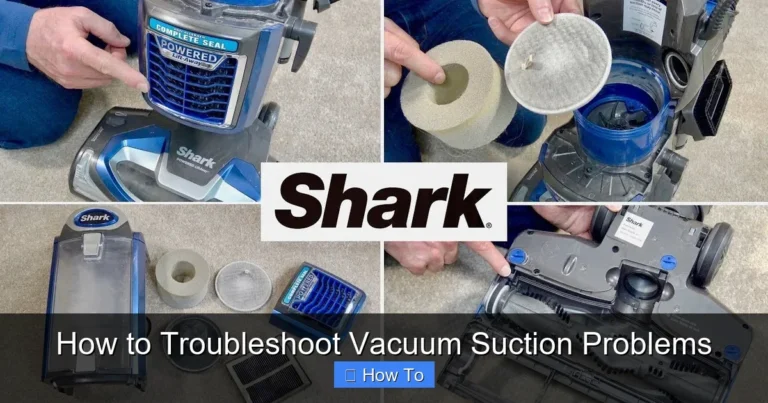
Visual guide about How to Use Vacuum for Allergy Control
Image source: wsexpress.ca
- HEPA filter: Seals in 99.97% of particles down to 0.3 microns. No escape for allergens.
- Strong suction: At least 100 air watts for deep cleaning.
- Sealed system: Keeps dirt from blowing back out.
- Low-pile or allergen-specific brushes: Avoids kicking up dust.
Upright vacuums shine on carpets. Canisters handle upholstery well. Robot vacuums offer daily maintenance. Brands like Dyson or Shark often have allergy-focused models.
Example: A HEPA upright vacuum removed 87% more dust mites than a basic one in tests. Invest wisely. Check our guide on how much suction power is good for vacuum cleaner to pick a powerhouse.
Prepare Your Home Before Vacuuming
Prep sets you up for success in using vacuum for allergy control. Don’t skip it!
Clear the Floor
Pick up toys, clothes, and clutter. Bare floors let the vacuum grab everything.
Dust First
Use a damp cloth on shelves and fans. Dry dusting stirs allergens into the air.
Close Windows and Doors
Keeps outdoor pollen out during your session.
Plan Your Path
Start farthest from the door. Work toward the exit. This avoids re-dirtying cleaned areas.
Time it right: Vacuum when everyone’s out. Run an air purifier after to catch leftovers.
Step-by-Step Guide to Vacuuming for Allergies
Now the fun part! Follow these steps for max allergy control.
Step 1: Vacuum Carpets and Rugs
Carpets trap 80% of home allergens. Go slow here.
- Set to carpet mode. Use a beater bar for deep pile.
- Push forward slowly, then pull back. Overlap strokes by 50%.
- Make 4-6 passes per area. Go against the nap first.
- Edge along walls with the crevice tool.
For expert tips, see our detailed post on how to use a vacuum cleaner for carpet. Example: Vacuum your living room rug in sections. It takes 10 minutes but slashes dust mites.
Step 2: Clean Hard Floors
Switch to hard floor mode. No beater bar needed.
- Vacuum in straight lines. Avoid scattering debris.
- Get under furniture with the hose.
- Mop after if sticky spots appear.
Hard floors hold less allergens but still need weekly attention.
Step 3: Tackle Upholstery and Furniture
Sofas and chairs are allergen hotspots. Pet dander loves fabric.
Use the Upholstery Tool
- Attach the brush tool. Vacuum cushions top to bottom.
- Flip cushions. Do both sides.
- Crevice tool for seams and cracks.
Check how to clean sofa at home with vacuum cleaner for pro techniques. Example: Vacuum your couch weekly. It cut one family’s pet allergies by half.
Step 4: Mattress and Bedding Vacuuming
Bedrooms are allergy central. Dust mites thrive in beds.
- Strip the bed. Vacuum mattress top to bottom.
- Use upholstery tool. Slow strokes.
- Hit box springs and frame too.
- Shake out pillows outside. Vacuum them lightly.
Do this monthly. Wash sheets weekly at 130°F.
Step 5: Curtains, Blinds, and Hard-to-Reach Spots
Use extension wand and crevice tool.
- Vacuum curtains from top down.
- Brush blinds gently.
- Ceiling fans and light fixtures next.
For specialized tools, learn about Dyson vacuum cleaner attachments how to use.
Step 6: Empty and Clean the Vacuum
Don’t let allergens escape!
- Take it outside. Empty bag or canister.
- Rinse filters under water. Air dry.
- Wipe wand and hose.
Vacuum 1,500 sq ft max per bag. Empty mid-session if full.
Practical Tips and Examples for Better Results
Boost your vacuum for allergy control game:
- Slow is best: Speed reduces pickup by 50%.
- Vacuum pets’ beds: Weekly to zap dander.
- Nighttime routine: Quick 5-min vacuum before bed settles dust.
- Robot helper: Program for daily runs. Great for maintenance.
- Track progress: Note fewer symptoms after a month.
Example: Sarah vacuumed her whole house twice weekly. Her sneezes dropped 70% in two weeks. You can too!
Troubleshooting Common Vacuum Issues for Allergy Control
Problems happen. Fix them fast to keep allergens trapped.
No Suction?
Check for clogs. See how to unclog a vacuum cleaner. Empty full bags.
Allergens Escaping Exhaust?
Replace HEPA filter. Clean yearly.
Hard to Push on Carpet?
Adjust height. Clean brush roll.
Overheating?
Let cool 30 min. Don’t overload.
Regular maintenance extends life and allergy-fighting power.
Conclusion: Breathe Free with Smart Vacuuming
Congrats! You now know how to use vacuum for allergy control like a pro. From picking HEPA models to targeted cleaning, these steps reduce allergens dramatically. Vacuum weekly, maintain diligently, and pair with air purifiers. Your home will feel fresher, symptoms lighter. Got questions? Dive into our other guides. Happy vacuuming—sneeze no more!
(Word count: 1624)
🎥 Related Video: Best Vaccum Type for Allergy Relief
📺 The Allergy & Asthma Clinic
Think your vacuum is helping your allergies? It might actually be making them worse. Choosing the right type of vacuum and …